Forget sterile minimalism—2026 design demands warmth and individuality. The days of walking into a home that feels like a showroom are fading fast. Homeowners and designers alike are craving spaces that feel collected, personal, and full of life. But that shift means saying goodbye to some trends that have overstayed their welcome. If you are planning a refresh this year, you will want to know which looks professionals are ready to retire.

Why Are Designers Abandoning Minimalism?
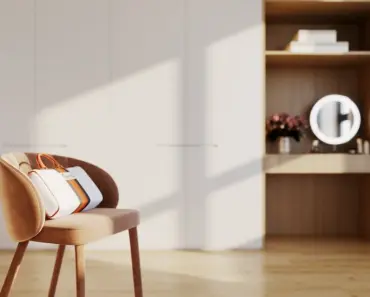
Minimalism saw a clear decline in popularity in 2025, and the momentum has not reversed. Interior designer Kathy Kuo prefers to avoid minimalist interiors that are pared-back, refined, and centered around a mostly-white color palette. She finds these spaces stark and uncomfortable rather than calming.
Kuo believes the most warm and welcoming homes feel collected, layered, and sensorial. They highlight a mix of materials, textures, and personal keepsakes meaningful to the people who live there. A room with nothing but a white sofa and a single vase feels empty in a way that is no longer appealing. People want to walk into a living room and see evidence of a life lived—books stacked on a side table, a throw blanket that was actually used, a ceramic bowl picked up from a local market.
To move away from this tacky decor trend, start by introducing one or two textured pieces into a neutral room. A chunky knit throw or a wooden coffee table with visible grain adds warmth instantly. The goal is not to clutter the space but to make it feel inhabited.
What Is the Problem With Animal Prints?
Animal prints have been used in home decor for centuries, but there is a point where they become excessive. Interior designer Brittny Button says animal prints can be excessive and make the interior feel cluttered and overworked. A single zebra-print pillow might add a playful accent, but covering a sofa, rug, and curtains in leopard spots creates visual noise.
The issue is scale and repetition. When every surface screams for attention, the eye has nowhere to rest. The room feels chaotic rather than curated. This is one of the tacky decor trends that designers are most eager to leave behind in 2026.
Instead of leaning on animal prints for pattern, Button wants to see patterns incorporated through stripes, florals, or herringbone. She also recommends organic textures from wood, raw stone, and rattan. A striped linen pillow paired with a raw-edge wooden stool creates visual interest without overwhelming the senses. If you love the energy of a bold pattern, choose one and use it sparingly. Let the rest of the room breathe.
How Can You Avoid a Soulless Beige Interior?
The beige-on-beige look took hold of interiors in the last few years. It started as calm and clean, but it has become soulless. Interior designer Bilal Rehman says spaces are meant to tell stories, not feel like a filtered Pinterest board. When everything is one tone and one texture, the room loses all character.
This does not mean you have to throw away neutrals entirely. Neutrals can be beautiful and grounding. The problem arises when there is no variation. A beige sofa on a beige rug against beige walls with beige curtains is a recipe for boredom. It is one of the most common tacky decor trends because it looks safe but ends up feeling empty.
Rehman suggests textured plaster walls, aged wood, exotic marbles, and soft contrast to add depth. Imagine a room with warm ivory walls, a dark walnut sideboard, and a marble coffee table with subtle gray veining. The contrast between the light wall and the dark wood creates visual tension. The textured plaster adds a tactile quality that flat paint cannot match. These small moves turn a flat room into a layered one. You keep the calmness of neutrals while gaining the richness of a lived-in space.
Why Should You Ditch Matching Furniture Sets?
Furniture sets are a quick and easy way to get a place set up. You buy the sofa, loveseat, coffee table, and end tables all from the same collection, and you are done. But that convenience comes at a cost. They can end up looking more cookie-cutter than curated. Kathy Kuo says that gone are the days when every piece of furniture needs to match perfectly. That aesthetic feels cold, lackluster, and outdated.
To create more warmth, Kuo suggests mixing materials and silhouettes. She might pair a square burl wood side table, a round marble coffee table, and a woven rattan console table all in the same living room. This kind of eclectic, mismatched look infuses a room with character, personality, and visual interest. It creates a look that is distinctly yours rather than a catalog page.
Mixing furniture also solves a practical problem: it gives you more freedom to choose pieces you genuinely love. You are not limited to a single collection. You can buy a vintage wooden trunk from a flea market and set it next to a modern leather armchair. The combination feels intentional and personal. That is the opposite of tacky decor trends, which rely on sameness and convenience over individuality.
Are Arched Mirrors and Abstract Art Still Trendy?
The oversized arched mirrors and abstract prints that dominated social media feeds have had their moment. Bilal Rehman says they are not bad, just overdone. When design becomes too copy-and-paste, it loses any sense of identity. Walking into a home and seeing the same arched mirror that appears in every apartment tour on TikTok feels impersonal.
This trend became a shortcut. People bought the mirror because it was popular, not because it meant something to them. The result is a sea of identical reflections. That is a hallmark of tacky decor trends: widespread adoption without personal connection.
You may also enjoy reading: Forget Paint and Stain: A Cuter Way to Update Shaker Cabinets.
Instead, Rehman is ready to see more pieces with meaning in 2026. Think vintage mirrors with worn edges, locally made ceramics with irregular glazes, and original or custom art that reflects the owner’s taste. A vintage mirror with a tarnished frame tells a story. A ceramic bowl made by a potter down the street carries a memory. Original art, even a small piece from a local gallery, makes a room feel like it belongs to someone specific. These are things that feel like you, not like a trending hashtag.
Is Modern Farmhouse Decor Out?
The modern farmhouse look, popularized by television shows and mass-market retailers, has lost its charm. Barn doors, shiplap walls, and rustic signs with script fonts became so ubiquitous that they lost all personality. What started as a cozy, rural aesthetic turned into a formula. Every new build and rental renovation seemed to include the same sliding barn door and the same farmhouse sink.
Designers now see this as one of the most tired tacky decor trends. It lacks originality and feels more like a costume than a genuine design choice. The warmth that farmhouse decor once promised has been replaced by a sense of predictability.
Instead, the shift is toward layered pieces from different times and places. A modern sofa can sit next to an antique wooden bench. A sleek metal lamp can hang above a rustic farm table. The mix of old and new, rough and smooth, creates depth. You can keep a few farmhouse elements if they are authentic to your home, but avoid the full package. A single barn door might work if the rest of the room does not scream “farmhouse.” Let your space tell a story that is yours alone, not one that was manufactured by a trend report.
What About Glam and Maximalist Overload?
The glam look, with its mirrored surfaces, tufted velvet, and gold accents, has also fallen out of favor. Designers find it performative rather than comfortable. A room covered in shiny surfaces and metallic trim can feel like a hotel lobby rather than a home. It lacks the warmth and approachability that 2026 design prioritizes.
On the flip side, maximalist overload—sometimes called cluttercore—has its own problems. Social media can create concepts for shock value or short-term appeal, and cluttercore is a prime example. Piling objects onto every surface for the sake of visual busyness does not create a collected look. It creates chaos. The key difference between a curated maximalist room and a cluttered one is intention. Every object should have a reason for being there.
Designers recommend finding a middle ground. Choose a few statement pieces that bring you joy, and let them breathe. A single dramatic chandelier or a bold patterned rug can anchor a room without requiring every surface to be covered. The goal is warmth and individuality, not a replica of a social media post. Avoid both the cold sterility of glam and the overwhelming noise of cluttercore. Your home should feel like a sanctuary, not a stage.
Frequently Asked Questions
How can I tell if a decor trend is tacky before I commit to it?
Look for signs of over-saturation. If you see the same item or style in every store, social media feed, and friend’s home, it is likely a passing trend rather than a timeless choice. Ask yourself if the piece reflects your personal taste or if you are buying it because it is popular. Trusting your own instincts and prioritizing comfort over novelty helps you avoid trends that will feel dated quickly.
What is the difference between a collected look and a cluttered one?
A collected look feels intentional. Each item has a purpose, a memory, or a visual reason for being in the room. The arrangement allows the eye to rest on individual pieces. Clutter, on the other hand, happens when objects accumulate without thought. The room feels busy and overwhelming. To achieve a collected look, edit your belongings. Keep only what you love or use, and give each piece enough space to be noticed.
Can I still use beige in my home without it looking soulless?
Absolutely. Beige works beautifully when you introduce contrast and texture. Pair beige walls with dark wood furniture, add a textured plaster finish, or include accents in exotic marble or aged metal. The key is to avoid using one single shade and one single texture throughout the room. Layering different materials and tones keeps the space warm and interesting without abandoning neutrals.