Coffee grounds won’t turn your hydrangeas blue—here’s what actually works. For years, gardeners have shared the tip of sprinkling used coffee grounds around hydrangea bushes to shift blooms from pink to blue. It sounds like a clever, eco-friendly hack. But as it turns out, science tells a different story. The belief stems from the idea that coffee grounds acidify soil, which in turn makes aluminum available to the plant—and aluminum is what gives hydrangeas their blue hue. However, spent coffee grounds are far too mild to make a real difference. Below, we break down the chemistry, the folklore, and the proven methods for changing hydrangea color.
Can coffee grounds change hydrangea color?
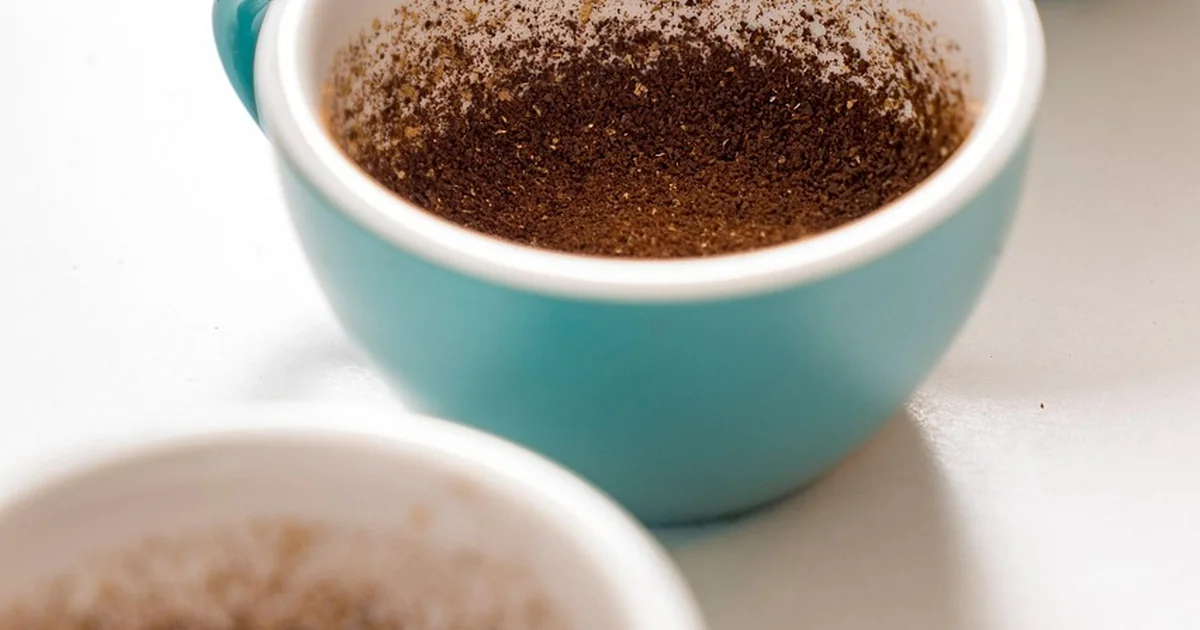
The short answer is no. According to Linda Brewer, a soil scientist with the Oregon State University Extension Service, coffee grounds cannot change hydrangea bloom colors. The confusion often starts with the acidity of fresh, brewed coffee. Brewed coffee has a pH of 4.8 to 5.1, which is quite acidic. But after brewing, the grounds are largely stripped of that acidity. Spent coffee grounds land at a pH of 6.2 to 6.9—barely acidic and certainly not strong enough to shift soil pH in a meaningful way. So if you have been adding coffee grounds to your hydrangeas for months without seeing any change, you now know why.
What is the soil pH role in hydrangea bloom color?
Soil pH acts as a gatekeeper for aluminum, a common element in most garden soils. When the soil is acidic—with a pH of 6.0 or lower—aluminum becomes more available to the hydrangea roots. The plant takes up that aluminum, and the blooms turn blue. When the soil is alkaline, with a pH of 7.0 or higher, aluminum stays locked in the soil, and the flowers remain pink or red. Neutral soil, between 6.0 and 7.0, produces purple blooms or a mix of pink and blue. Interestingly, white hydrangeas retain their white color regardless of soil pH. This is a fixed trait in those varieties. So if you have white hydrangeas, no amount of pH tinkering will turn them blue.
Understanding the role of aluminum in hydrangea color
Aluminum is the key player. In acidic conditions, aluminum ions are soluble and can be taken up by the plant. They then interact with the pigments in the petals to produce blue shades. In alkaline conditions, aluminum forms insoluble compounds that the roots cannot absorb. That is why pink blooms result. To alter the color, you must change the availability of aluminum by adjusting the pH. Coffee grounds do not significantly affect soil pH, as noted by Brewer. Therefore, they cannot influence aluminum availability. If your hydrangeas are staying pink when you want blue, you need a much stronger intervention than coffee grounds.
Are there better methods to alter hydrangea color?
Yes, and they are supported by university extension services. Mississippi State University Extension provides clear recommendations. To raise soil pH and encourage pink blooms, apply 1 cup of dolomitic lime per 10 square feet. To lower soil pH and encourage blue blooms, apply ½ cup of sulfur per 10 square feet. These amendments should be applied in the fall so they have time to work before the next growing season. Alternatively, you can use a soil drench in spring: 1 tablespoon of aluminum sulfate per gallon of water for blue flowers, or 1 tablespoon of lime per gallon of water for pink flowers. Apply the drench to the base of the bush once a month for three months in spring or early summer. These methods are proven and effective.
How to test your soil pH accurately
Before you add any amendments, you need to know your starting pH. Simple home test kits are available at garden centers, but for the most reliable results, send a sample to your local cooperative extension office. They will give you a precise reading and often include recommendations. Testing once a year is enough for most gardens. Keep in mind that spent coffee grounds have a pH of 6.2 to 6.9, which is nearly neutral. Brewed coffee is acidic (pH 4.8 to 5.1), but that acidity does not survive the brewing process. If you rely on coffee grounds to change pH, you are working with a substance that is essentially neutral—no wonder it fails to shift bloom color.
The real impact of coffee grounds on garden soil health
Too many coffee grounds can actually harm your soil ecosystem. The soil food web—the complex community of bacteria, fungi, protozoa, and nematodes—can be disrupted by an overload of organic material. Brewer warns that a large dose of coffee grounds would not support plant growth. In fact, if you added enough grounds to alter soil pH, you would end up with more coffee than soil, creating a hostile environment for roots. “Too much of a good thing is a bad thing,” she says. Composting coffee grounds is far more effective and sustainable than using them directly in the garden. In a compost pile, the grounds break down slowly and contribute organic matter without overwhelming the soil.
Why garden folklore persists despite scientific evidence
The coffee grounds hydrangea color myth is a classic example of garden folklore. It likely began because fresh coffee is acidic, and people assumed the grounds would retain that acidity. Also, the idea of recycling kitchen waste feels virtuous. But as Brewer’s research shows, spent coffee grounds are only slightly acidic. The belief persists because it is repeated in blogs, social media posts, and word-of-mouth gardening advice. Without testing, gardeners may see other factors—like natural seasonal variation or accidental pH changes from other amendments—and attribute the change to coffee grounds. The bottom line is clear: coffee grounds do not affect soil pH, and they will not change hydrangea color.
Alternatives to coffee grounds for acidifying soil
If your goal is to lower soil pH for blue hydrangeas, use sulfur or aluminum sulfate. Dolomitic lime is the standard for raising pH to get pink blooms. Iron sulfate can also lower pH, though it is less common. Organic options like pine needles, peat moss, or composted leaves can slowly acidify soil, but they require large quantities and many seasons to make a noticeable difference. For quicker results, stick with the mineral amendments recommended by extension services. Remember to retest your soil after treatment to avoid overshooting your target pH.
You may also enjoy reading: DIY Raised Garden Bed Ideas for Small Backyards.
Is it worth reusing coffee grounds in gardens?
Yes, but not for changing flower color. Coffee grounds are a valuable addition to a compost bin. They add nitrogen and organic matter, improving soil structure over time. Sprinkling a thin layer around acid-loving plants like blueberries or azaleas is generally safe, but do not rely on them for significant pH change. For hydrangeas, the best use of coffee grounds is in the compost pile, where they break down into a balanced soil amendment. This approach avoids the risk of harming the soil food web and gives you a steady supply of nutrient-rich compost for all your plants.
Frequently Asked Questions
Can I use coffee grounds to lower soil pH for blueberries instead of hydrangeas?
Coffee grounds are not effective for lowering soil pH for blueberries either. The same principle applies: spent grounds are only mildly acidic and cannot create the acidic conditions (pH 4.5–5.5) that blueberries need. Use sulfur or aluminum sulfate for reliable results.
How long does it take for lime or sulfur to change hydrangea bloom color?
When applied in the fall, lime or sulfur can produce visible color changes by the following spring. Soil drenches applied in spring may show results within a few weeks to a couple of months, depending on soil conditions and weather. Patience is key.
Is it safe to use aluminum sulfate around other plants in the same bed?
Aluminum sulfate can be toxic to non-acid-loving plants if overapplied. Use it only on hydrangeas or other plants that benefit from low pH and high aluminum availability. Keep it away from vegetable gardens and sensitive ornamentals. Always follow label instructions and test your soil first.
Understanding the science behind hydrangea color takes the guesswork out of gardening. Skip the coffee grounds and reach for proven soil amendments. Your hydrangeas will thank you with the exact shade you’ve been hoping for.