Compost Tea Benefits: What It Can Do for Plants, What It Can’t, and How to Use It Safely
Compost tea is made by steeping finished compost in water to create a liquid containing water-soluble nutrients, organic compounds, and microorganisms. Gardeners often use it as a soil drench or foliar spray, but some popular claims about its benefits go further than the evidence supports.
The most useful way to think about compost tea is as a supplemental garden input rather than a replacement for compost, fertilizer, good soil management, or disease control. Its composition varies widely depending on the compost, water, brewing time, temperature, aeration, and additives used.
Amazon US Verified
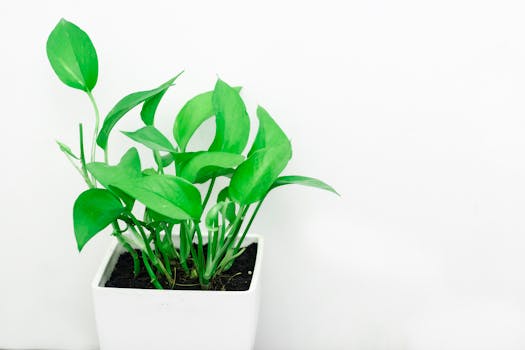
Organic Perlite Horticultural Soil Conditioner
Lightweight volcanic mineral that improves root aeration and prevents compaction.

What are the main compost tea benefits?
Compost tea can provide small amounts of soluble nutrients and introduce microorganisms from finished compost into the root zone. However, research does not support treating every batch as a powerful fertilizer or a guaranteed way to prevent plant disease.
Colorado State University Extension notes that compost teas generally contain relatively low concentrations of nitrogen, phosphorus, potassium, sulfur, and micronutrients. Their composition also varies so much that universal application recommendations are difficult to make.
Here are five realistic reasons gardeners may still find compost tea useful.
1. Compost Tea Provides Some Water-Soluble Nutrients
Steeping compost in water can extract a portion of its soluble nutrients. When the liquid is applied around a plant, those dissolved compounds enter the soil solution without waiting for the entire compost particle to decompose.
That does not mean compost tea is necessarily a fast-acting or complete fertilizer. According to Colorado State University Extension, nutrient concentrations in compost tea tend to be low and depend heavily on the starting material.
A tomato plant grown in nutrient-poor soil, for example, should not be expected to thrive simply because it receives compost tea every week. A soil test and an appropriate fertility program are more dependable ways to address significant nutrient deficiencies.
Compost tea versus solid compost
The two products serve different purposes. Solid compost contributes organic matter that can improve soil structure, nutrient retention, and water-holding capacity over time. Compost tea contains little of that solid organic material.
For long-term soil improvement, finished compost remains the more important amendment. Compost tea is better viewed as an optional liquid supplement.
2. Compost Tea Transfers Microorganisms From Compost Into the Soil
Finished compost contains bacteria, fungi, and other microorganisms. Steeping compost in water transfers some of those organisms into the liquid, which can then be applied to the soil around plants.
Aeration changes which organisms thrive during brewing. Oregon State University Extension explains that aeration raises dissolved oxygen and shifts the microbial community toward organisms that tolerate oxygen-rich conditions.
However, the presence of large numbers of microorganisms does not automatically mean the soil will become healthier or that those organisms will permanently colonize plant roots. Soil biology is influenced by temperature, moisture, organic matter, pH, existing microbial communities, and many other factors.
Amazon US Verified
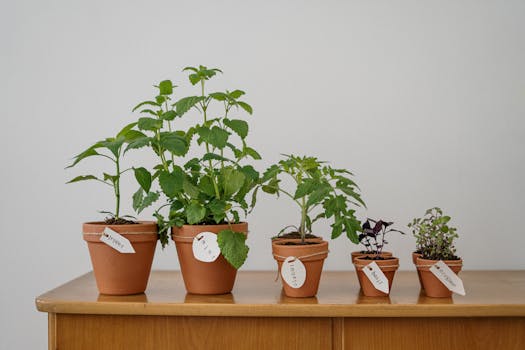
Digital 3-in-1 Soil Moisture & pH Meter
Accurate probe to test deep root zone moisture and prevent accidental overwatering.
Does compost tea improve the soil microbiome?
It can introduce microorganisms, but gardeners should be cautious with claims that a single application will completely transform the soil microbiome. Creating biologically active soil is a longer-term process that usually includes adding organic matter, minimizing unnecessary disturbance, maintaining appropriate moisture, growing plants, and protecting the soil surface.
For that reason, compost tea works best as one small part of a broader soil-care strategy rather than the foundation of it.
3. Homemade Compost Tea Can Be an Inexpensive Garden Supplement
If you already make finished compost, a basic compost extract requires little additional material. A clean bucket, water, finished compost, and a straining bag may be enough for a simple soil drench.
This makes compost tea attractive to gardeners who prefer to reuse materials they already have rather than purchase another bottled garden product.
The cost advantage is most meaningful when you keep the process simple. Commercial brewers, pumps, microbial additives, sugars, kelp products, and other ingredients can quickly turn an inexpensive garden experiment into a fairly costly one.
It should not automatically replace fertilizer
The fact that compost tea is inexpensive does not make it nutritionally equivalent to a formulated fertilizer. If a plant needs a specific amount of nitrogen, phosphorus, potassium, iron, or another nutrient, compost tea provides no reliable dose unless the finished product has actually been analyzed.
Gardeners dealing with recurring yellow leaves, poor growth, or low yields are usually better served by testing the soil and correcting the underlying problem rather than repeatedly adding an unknown-strength tea.
Amazon US Verified
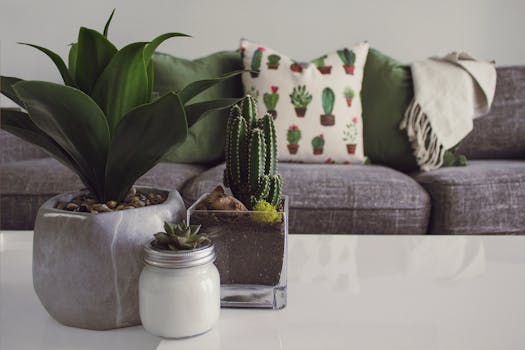
Self-Watering Planters with Drainage Aerators
Elevated reservoir design that prevents soggy roots and ensures steady hydration.
4. You Can Make Aerated or Non-Aerated Compost Tea
Compost tea recipes vary considerably. Some gardeners simply steep compost in water, while others continuously pump air through the mixture.
Simple non-aerated compost extract
For a basic garden soil drench, place mature, finished compost in a porous bag and immerse it in a clean bucket of water. Agitate or stir the mixture periodically, then strain it before applying it around ornamental plants or into garden soil.
A long fermentation period is not necessary simply because older recipes recommend leaving the mixture for weeks. Prolonged standing can create low-oxygen conditions and unpleasant odors.
If a brew smells strongly rotten, sour, or sulfurous, do not assume that stronger odor means stronger fertilizer. Discarding a foul-smelling batch is the safer choice.
Aerated compost tea
An aquarium-style air pump and air stone can be used to keep oxygen moving through the water. Aeration does not magically add nutrients, but it does affect the microbes that remain active in the brew.
Oregon State University Extension specifically notes that aeration increases dissolved oxygen and favors microorganisms capable of functioning in those conditions.
Because every brewer, compost source, temperature, and recipe is different, there is no universally reliable brewing time that guarantees an ideal microbial population.
Be careful with sugar and molasses additives
Some compost tea recipes recommend molasses or other sugars as food for microorganisms. This deserves caution, especially when the tea will be used around edible crops.
Colorado State University Extension warns that sugars such as molasses can also encourage the growth of E. coli if contamination is present. Adding microbial food does not selectively feed only desirable organisms.
For a home garden, keeping the recipe simple and starting with properly finished compost is a sensible approach.
You may also enjoy reading: 7 Fragrant Houseplants to Freshen Your Home Year-Round.
5. Compost Tea Can Be Used as a Soil Drench, but Foliar Use Requires More Caution
Compost tea is commonly applied in two ways: directly to soil or onto plant leaves. Those methods do not carry identical benefits or risks.
Soil drenching is the simplest approach
Applying compost tea around the root zone keeps the liquid off flowers, fruits, and vegetables while delivering the extracted material directly to the soil.
This is generally the more practical choice for home gardeners, particularly when growing edible crops.
Pour the liquid onto moist soil rather than onto extremely dry ground. There is little reason to flood plants with repeated applications; compost tea should supplement normal watering and fertility practices, not replace them.
Claims about foliar disease control are inconsistent
Compost tea is sometimes promoted as a natural treatment for powdery mildew, blight, and other plant diseases. Research results have been inconsistent.
Some experiments have reported disease suppression under particular conditions, while others have not. Oregon State University Extension cautions that aerated compost tea has not been scientifically established as a dependable general-purpose pathogen suppressant.
That means you should not substitute compost tea for proven disease-management practices such as selecting resistant plants, providing adequate spacing, managing irrigation, removing infected plant material, and using an appropriate labeled treatment when necessary.
Is Compost Tea Safe for Vegetable Gardens?
This is where the choice of ingredients and application method matters most.
Compost tea made from inadequately processed compost can potentially contain human pathogens. The risk becomes especially important if manure is involved or if the liquid is sprayed directly onto produce that will be eaten raw.
Penn State Extension recommends properly managing compost and manure because improperly treated materials can introduce pathogens into a food garden.
For edible crops, use thoroughly finished compost from a trustworthy source and favor soil application rather than spraying the tea onto lettuce, herbs, berries, tomatoes, or other edible surfaces.
Do not treat manure tea like ordinary compost tea
Manure tea deserves a separate warning. Raw or merely aged manure can contain organisms such as pathogenic E. coli, Salmonella, and Listeria. Diluting manure with water does not make those organisms harmless.
The University of Arizona Cooperative Extension notes that properly composted manure has undergone controlled heating and biological processing that reduces pathogens. Raw manure has not.
For a home vegetable garden, using plant-based finished compost is the simpler option when making a homemade tea. Avoid spraying manure-based preparations onto edible portions of crops.
Does Compost Tea Need to Be Used Every Week?
No established research-based schedule says every garden should receive compost tea weekly.
The best frequency depends on why you are using it. If plants are healthy and the soil already contains adequate organic matter and nutrients, repeated applications may provide little noticeable benefit.
More is not automatically better. Adding unnecessary nutrients can contribute to runoff, and repeatedly applying biological products does not compensate for poor drainage, incorrect soil pH, inadequate sunlight, compacted soil, or improper irrigation.
Try a limited application and compare treated plants with untreated ones if you want to see whether compost tea makes a meaningful difference in your particular garden.
What Compost Tea Cannot Fix
Compost tea is unlikely to solve problems caused by:
- severe nutrient deficiencies that require measured fertilization;
- incorrect soil pH;
- waterlogged or compacted soil;
- drought stress;
- insufficient sunlight;
- root damage;
- serious insect infestations;
- established fungal or bacterial diseases;
- poor plant selection for the site.
If a plant is struggling, diagnose the cause before adding another amendment. Symptoms such as yellowing leaves can result from nutrient deficiency, overwatering, root disease, high soil pH, or several other unrelated problems.
Compost Tea vs. Compost: Which Is Better?
| Garden goal | Compost tea | Finished compost |
|---|---|---|
| Add organic matter | Very little | Excellent |
| Improve soil structure | Limited direct effect | Well suited |
| Add soluble nutrients | Some, but amounts vary | Provides nutrients gradually |
| Add microorganisms | Can transfer microbes in liquid form | Contains diverse soil organisms |
| Provide reliable fertilization | No predictable nutrient analysis | Still variable; soil testing may be needed |
| Build long-term soil quality | Supplemental role | Usually the stronger choice |
If you have limited time or compost, applying finished compost directly to the soil generally provides broader and longer-lasting benefits. Compost tea makes more sense as an optional supplement rather than a substitute.
How to Use Compost Tea More Safely
- Start with mature, properly finished compost rather than raw organic waste.
- Use clean buckets, tubing, strainers, and other equipment.
- Avoid pet waste and uncomposted manure.
- Be cautious with molasses, sugar, and other microbial growth additives.
- Favor soil drenches for food crops rather than spraying edible leaves or fruit.
- Discard batches with an offensive rotten or sulfur-like odor.
- Do not rely on compost tea as a pesticide or disease cure.
- Do not assume a dark-colored brew contains a predictable amount of fertilizer.
- Prevent excessive applications and runoff into drains, streams, or ponds.
Frequently Asked Questions About Compost Tea
Does compost tea make plants grow faster?
It may support growth when it supplies something the plant or soil lacks, but faster growth is not guaranteed. Compost tea composition varies dramatically, and many batches contain only small concentrations of plant nutrients.
Is compost tea a fertilizer?
It can contain plant nutrients, so it may have a fertilizing effect. However, it does not have the predictable nutrient concentration of a labeled fertilizer. Gardeners should not assume that a gallon of compost tea provides a particular amount of nitrogen, phosphorus, or potassium.
Can compost tea replace compost?
No. Most of the organic matter remains in the solid compost after brewing. If your goal is to improve soil structure, water retention, and organic matter content, adding finished compost directly to the soil is more effective.
Can compost tea prevent plant diseases?
Not reliably. Studies have produced mixed results, and effectiveness can depend on the compost, microorganisms, crop, disease, brewing method, and environmental conditions. Use established disease-prevention practices instead of depending on compost tea alone.
Should compost tea smell bad?
No. An earthy smell is normal. A strong rotten, sewage-like, or sulfurous odor suggests undesirable low-oxygen decomposition. Do not treat a foul smell as evidence that the tea is more concentrated or effective.
Is aerated compost tea better?
Aeration increases dissolved oxygen and changes the microbial community, but that does not prove every aerated tea will improve plant growth or control disease better than every non-aerated preparation. Results still depend on the materials and brewing conditions.
Can I spray compost tea on vegetables before harvest?
It is safer to avoid unnecessary contact between homemade microbial preparations and edible plant surfaces, particularly when the microbial safety of the compost has not been verified. A soil drench reduces direct contact with produce.
Are Compost Tea Benefits Worth the Effort?
Compost tea can be a useful, low-cost experiment for gardeners who already have high-quality finished compost. It can transfer soluble compounds and microorganisms into the soil and offers a convenient liquid application method.
Its benefits should remain in perspective, though. Compost tea is not a proven cure-all, not a predictable complete fertilizer, and not a guaranteed biological disease treatment. For most gardens, the fundamentals still matter more: healthy soil, finished compost, appropriate watering, correct plant selection, sensible fertilization, and good sanitation.
If those basics are already in place, compost tea can be an optional addition. If they are not, improving them first is likely to make a much bigger difference to your plants.
As an Amazon Associate, azuloz.com earns from qualifying purchases.