What makes bidens perfect for hanging baskets?
Bidens turn containers into cascading waterfalls of color with minimal effort. Their trailing habit sends stems spilling over pot edges, creating a fountain of bright blossoms that lasts from spring until the first frost. This makes them one of the most rewarding plants for anyone who wants a dramatic display without spending hours on maintenance.
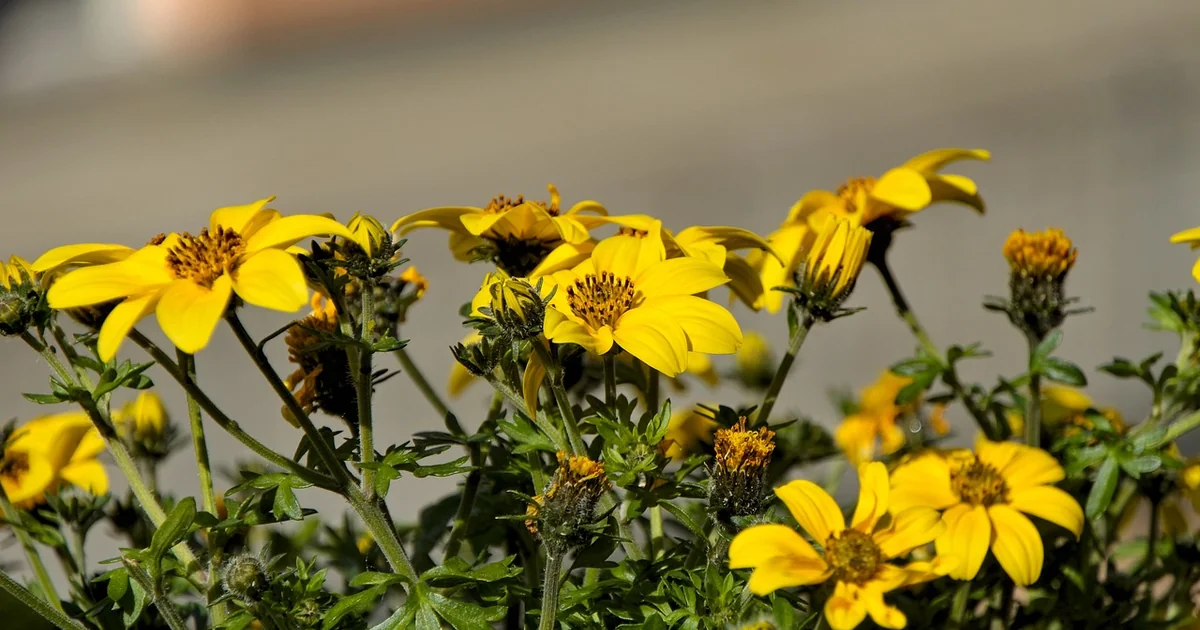
These annuals, or short-lived perennials in zones 8 through 11, produce prolific blooms in shades of orange, gold, pink, white, and red. The fine, airy foliage stays low-key, letting the flowers take center stage. If you want to grow bidens successfully, the first step centers on choosing the right container and location. The plant’s natural tendency to trail means it excels in hanging baskets, window boxes, and tall urns where its stems can tumble downward.
For a single plant, select a container at least six inches in diameter with large drainage holes. Terra-cotta pots work well because they wick away excess moisture, preventing root rot. Fill the pot with a well-draining potting mix rather than garden soil, which compacts in containers and restricts root growth.
Because bidens are frost-sensitive and die below 40 degrees Fahrenheit, wait until after your region’s last average frost date before moving plants outdoors. In colder climates, treat them as annuals that complete their life cycle in a single season. Gardeners in warmer zones can enjoy them as short-lived perennials that return for a second year of bloom.
The spacing between plants matters for good health. Dig a hole roughly twice the diameter of the nursery container, and set plants about 10 to 15 inches apart. This gap allows air to circulate freely around the foliage, reducing the chance of fungal issues.
How much sun do bidens need?
Sunlight directly determines how many flowers your bidens will produce. To grow bidens with the densest possible bloom set, place them where they receive at least six hours of direct sunlight every day. Full sun delivers the energy the plant needs to keep generating new buds from early summer through autumn.
For the best blooms, plant bidens in full sun in well-drained soil with a pH between 5.5 and 6.3. The soil should contain a good amount of organic matter, such as compost or aged manure, to support steady growth. If your garden soil is heavy clay, amend it with organic material or plant bidens in raised beds and containers where you control the growing medium.
Part sun leads to leggy, stretched growth and sparse flowering. When bidens lack adequate light, the stems elongate as they reach for the sun, and the overall shape becomes loose and unappealing. The flowers that do appear tend to be smaller and fewer in number. If you have a spot that only receives four or five hours of direct sun, look for a brighter location before planting.
Southern and western exposures typically provide the most intense light. East-facing sites offer morning sun, which is gentler but may not give enough total hours for peak performance. Observe your intended planting area throughout the day to confirm it meets the six-hour minimum before you commit your plants to that spot.
Are bidens hard to maintain?
Many gardeners worry that a plant with such abundant flowers must require constant deadheading and careful watering. Bidens defy that expectation. Once established, these plants are drought-tolerant and need water only about once a week. A thorough soaking that reaches the root zone encourages deep root development, which in turn supports more vigorous blooming.
Bidens do not require deadheading. Old blooms drop their petals naturally, and the rapid growth of new flowers quickly covers the spent ones. Gardeners sometimes say these plants “bury their dead” because a fresh flush of blossoms emerges before the old ones become noticeable. This self-cleaning habit saves you hours of snipping and trimming over the growing season.
Give bidens a monthly dose of fertilizer to sustain their heavy flower production. A balanced, water-soluble formula works well. Follow the product label instructions for the correct amount based on your plant’s size and container volume. If you prefer a hands-off approach, incorporate a slow-release fertilizer into the potting mix at the start of the season. This single application feeds the plant gradually for several months.
Potted plants need more frequent watering and fertilizer than those planted in the ground. Container soil warms up faster and loses moisture through drainage and evaporation. Check the top inch of soil with your finger; if it feels dry, it is time to water. During hot summer spells, container-grown bidens may need watering every two or three days rather than once a week.
The temperature tolerance of bidens depends on the variety, but most nursery types handle hot and humid conditions well. They continue blooming through genuine rough weather, making them reliable performers even during heat waves. The danger point comes when temperatures drop below 40 degrees Fahrenheit, at which point the plants die back.
What about seed problems?
Older varieties of bidens produce sticky seeds that cling to clothing, pet fur, and garden gloves. These seeds are the plant’s natural method of spreading, but they can become a nuisance in a tidy garden. The burr-like seeds latch onto anything that brushes against them, requiring effort to remove.
Here is where it gets interesting. New bidens varieties include pinks and whites alongside the traditional oranges and yellows. More importantly, many of these newer types are sterile. Sterile plants do not produce seeds at all, so they expend no energy on seed development. Instead, they channel all that energy into producing more flowers for a longer period. The absence of sticky seeds also means the plant stays neater and requires less cleanup.
You may also enjoy reading: Drivers Behind Indoor Plants Market Trends.
Another improvement has been plant habit. Some older types grow leggy and loose, with long gaps between flowers. New varieties feature improved branching with tighter internodes, which means denser plants covered in blooms. If you have struggled with bidens in the past and found them rangy, try one of the newer cultivars for a more compact, floriferous experience.
To keep your plants full and branching, give them a good pinch or shear early in the season. Pinching removes the growing tip of each stem, which triggers the plant to send out side shoots. This simple technique results in a bushier plant with many more flower buds. If the plant becomes leggy during the season despite your best efforts, it can handle a hard cutback. Trim it back by about one-third, and it will respond with a fresh flush of foliage and flowers.
How to propagate bidens?
If you want to grow bidens from seed, timing matters. Start seeds indoors about six weeks before your area’s last expected frost date. This head start allows the seedlings to develop into sturdy plants ready for the garden when warm weather arrives.
Bidens seeds need light to germinate. Do not cover them with soil. Instead, press the seeds gently onto the surface of a moist seed-starting mix. Place the container under grow lights or in a bright window where the seeds receive indirect light. Maintain consistent moisture by misting the surface rather than pouring water, which could dislodge the tiny seeds.
Germination typically occurs within 7 to 14 days when temperatures stay between 65 and 75 degrees Fahrenheit. Once the seedlings develop their first set of true leaves, transplant them into individual pots. Harden them off gradually over a week before moving them to their final outdoor location.
Because most gardeners treat bidens as annuals, repotting is usually unnecessary. The plant’s life cycle ends with the fall frost in cold regions, so it does not outgrow its pot in a single season. If you live in zones 8 to 11 and your bidens survive the winter, you can divide or transplant them in early spring before new growth accelerates.
For the simplest approach, purchase nursery transplants in spring. This saves you the step of seed starting and guarantees a known variety with specific color and habit characteristics. Many garden centers now carry the newer sterile cultivars, which are worth seeking out for their superior performance.
Frequently Asked Questions
Can I grow bidens in a shaded balcony or patio?
Bidens will survive in part shade, but they will not thrive. You will see fewer flowers, and the stems will become leggy as they stretch toward whatever light is available. For a respectable display, aim for a location that receives morning sun and afternoon shade at minimum. Even then, expect less bloom density than you would get in a full-sun spot.
How often should I water bidens in containers during a heat wave?
During extreme heat, check your container daily. Stick your finger about an inch into the soil. If it feels dry, water deeply until moisture runs out of the drainage holes. In hot, dry weather, you may need to water every day or every other day. Container soil dries out much faster than garden soil, especially in small pots and hanging baskets.
Are bidens invasive in garden beds?
Older bidens varieties can self-seed aggressively because of their sticky seeds. If you plant these types in open garden beds, you may find seedlings popping up in unexpected places the following year. Newer sterile varieties eliminate this concern entirely. Check the plant tag or description before purchasing to confirm whether the cultivar is sterile. For most home gardens, sterile bidens offer all the visual appeal without the risk of unwanted spread.
Bidens deliver a long season of color with surprisingly little effort. Their drought tolerance, self-cleaning flowers, and willingness to bloom in tough conditions make them a smart choice for both beginners and experienced gardeners. Whether you fill a hanging basket, a window box, or a large container on the patio, these plants will reward you with a waterfall of blossoms from late spring until frost arrives.