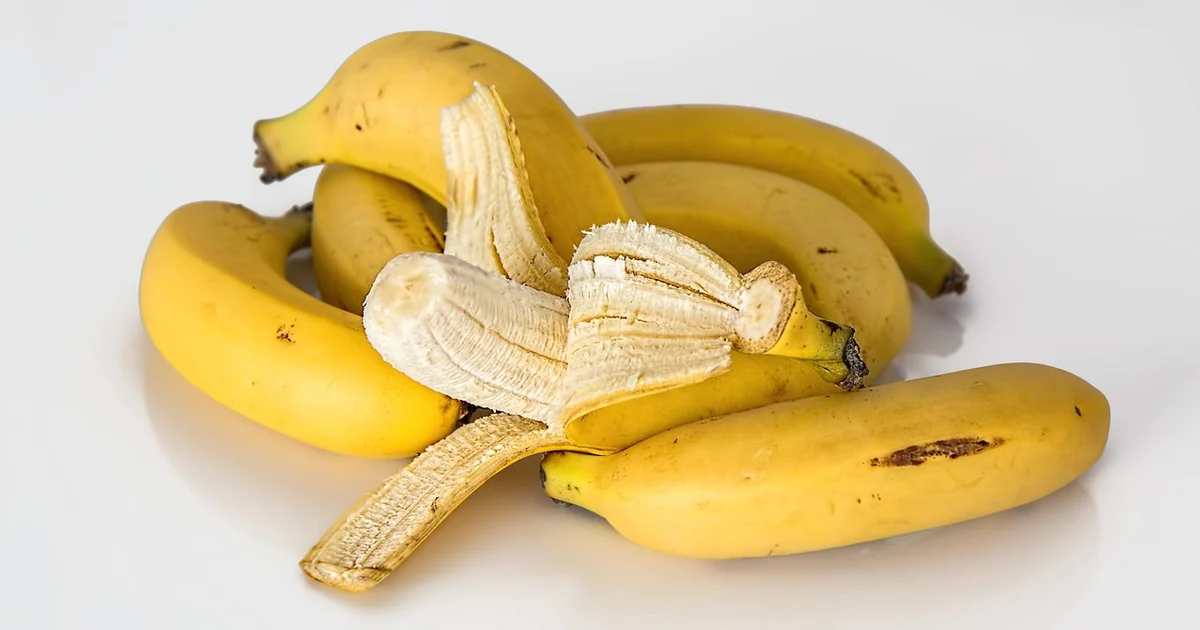
Banana peels contain more potassium than the fruit itself — and peppers absolutely love it. This simple kitchen scrap, often tossed without a second thought, holds the key to healthier blooms and a more abundant harvest. While many gardeners reach for eggshells or coffee grounds, those common fixes don’t address what pepper plants truly need during their most critical growth phase. The banana peel pepper fertilizer method offers a targeted solution that matches the plant’s shifting nutritional demands.
Why Do Pepper Plants Need Potassium at Flowering?
Pepper plants go through distinct nutritional phases as they grow. During early development, leafy green growth demands plenty of nitrogen. But the moment flowers begin to form, everything shifts. When pepper plants start flowering, they need less nitrogen and more phosphorus and potassium. This transition matters because the plant redirects energy from producing leaves to setting fruit.
Amazon US Verified
Self-Watering Planters with Drainage Aerators
Elevated reservoir design that prevents soggy roots and ensures steady hydration.
Potassium plays a central role in that shift. Without enough of it, blooms may appear but fail to develop into full peppers. You might see flowers drop off or fruit that stays small and misshapen. The plant simply cannot complete the process without adequate potassium.
For a gardener watching their plants flower, this is the moment to switch fertilizers. A balanced synthetic feed might work, but banana peel pepper fertilizer provides a natural, slow-release source of potassium exactly when the plant needs it most.
What About a Gardener Facing Poor Fruit Set?
Consider someone who has watched their pepper plants produce plenty of flowers but very few actual peppers. The frustration is real. Changing the fertilizer strategy mid-season can turn things around. Cutting back on nitrogen-rich feeds and introducing a potassium source like banana peels often triggers a noticeable improvement within a couple of weeks. The plant starts holding more flowers, and those flowers turn into fruit.
How Does Banana Peel Potassium Compare to the Fruit?
Most people assume the banana itself holds all the nutritional value. But the peel tells a different story. A banana peel contains upwards of 1,000 milligrams of potassium. That is a remarkable amount for something most households discard. To put it in perspective, that level of potassium is more than double what you would find in the soft fruit inside.
Here’s where it gets interesting. The peel’s structure breaks down slowly, which means the potassium releases into the soil over weeks rather than all at once. This gradual process suits pepper plants well. They benefit from a steady supply during flowering and fruiting rather than a single large dose that could wash away with the next rain.
If you have been tossing peels into the trash, you are throwing away a resource that could transform your pepper harvest.
What Is the Simplest Way to Apply Banana Peels?
The most straightforward method requires no special equipment or complicated steps. One method to use banana peels is to bury cut-up peels around the root systems of pepper plants. Start by saving your peels in a container in the kitchen. As you accumulate enough, take a pair of scissors or a knife and cut the peels into small pieces — roughly one-inch squares work well.
Dig a shallow trench around each pepper plant, about two to three inches deep and a few inches away from the stem. Place the cut peels into the trench and cover them with soil. The peels will decompose naturally over the following weeks, releasing potassium directly into the root zone.
This method is especially practical for container gardeners. If you grow peppers on a balcony or patio, you can easily manage the process with just a few plants. The smell is minimal when buried, and you avoid attracting pests that surface-level scraps might draw.
What if You Don’t Have Enough Peels?
It takes time to collect enough peels for several plants. One banana peel per plant every two to three weeks is a reasonable target. You can freeze peels as you accumulate them, then thaw and use them all at once. Freezing also breaks down cell walls slightly, which can speed up decomposition once you bury them.
How Should You Store Peels Until Use?
Keep a sealed container in your kitchen counter or refrigerator. A glass jar with a tight lid works well. If you prefer not to refrigerate, dry the peels in the sun or a low oven. Dried peels take up less space and can be crushed into smaller pieces before burying. Either way, store them in a way that prevents mold from spreading in your kitchen.
Should You Boil or Bury Banana Peels for Fertilizer?
If you search online, you will find advocates for both methods. Some gardeners swear by boiling peels to create a quick liquid feed. Others insist on burying them whole or chopped. The efficacy of boiling banana peels for fertilizer is debated, so burying is recommended. The concern with boiling is that heat may break down certain compounds or reduce the overall nutrient content. Without clear evidence that boiling improves availability, the simpler approach wins.
In practice, burying the peels requires less effort and carries no risk of reducing the potassium content. You do not need to boil water, strain peels, or store liquid fertilizer. Just cut, bury, and let the soil ecosystem do the work.
That said, if you prefer a liquid option for convenience, soaking peels in water for several days offers a middle ground. But for reliability and simplicity, burying remains the top choice.
The Role of Potassium in Sugar Transport and Fruit Formation in Peppers
Peppers, like all fruiting plants, rely on the movement of sugars to develop their fruit. Those sugars are produced in the leaves through photosynthesis and must travel to the developing peppers. Potassium is a key factor in the transport of sugars. Without sufficient potassium, the sugars get stuck, and the fruit suffers.
This is why potassium deficiency shows up in the fruit first. Peppers may appear pale, develop uneven coloring, or fail to reach full size. The plant cannot move the energy it produces to where it is needed most. Supplying potassium through banana peel pepper fertilizer keeps that sugar conveyor belt running smoothly.
The payoff is simple: better sugar transport means better fruit development. Your peppers will grow larger, taste sweeter, and ripen more evenly.
Why Does Potassium Specifically Help With Bloom and Fruit Formation?
Think of potassium as the plant’s logistics manager. It regulates water balance, activates enzymes, and controls the opening and closing of stomata. During bloom formation, the plant needs efficient resource allocation. Potassium ensures that the energy from photosynthesis reaches the flowers and developing fruit rather than getting stuck in the leaves. Without it, the plant cannot complete the transition from flower to fruit.
You may also enjoy reading: 7 Houseplant Care Tips for the Winter Months.
Why Nitrogen Reduction at Flowering Is Critical for Pepper Yield
Many gardeners keep using the same high-nitrogen fertilizer throughout the season. That works fine for leafy greens, but peppers need a different strategy. When the plant switches from vegetative growth to reproduction, too much nitrogen encourages leafy growth at the expense of flowers and fruit.
Supplying potassium supports the formation of blooms, and more blooms means more fruit. This is where banana peel pepper fertilizer truly shines. It provides potassium without adding excess nitrogen. The plant gets the signal to focus on flowering rather than putting out more leaves.
If you have experienced pepper plants that grow tall and lush but produce very few peppers, the culprit is often a nitrogen surplus during flowering. Cutting back on nitrogen and boosting potassium can reverse that pattern within a couple of weeks.
How Banana Peel Decomposition Releases Nutrients Slowly Compared to Synthetic Fertilizers
Synthetic fertilizers deliver nutrients all at once. The plant gets a sudden spike, but much of it may leach away before it can be absorbed. Allowing the peel to decompose in the soil gives plants access to potassium over a longer period. This slow-release quality matches the plant’s natural feeding rhythm.
When you bury a banana peel, soil microbes begin breaking it down. They do this gradually, releasing potassium in small, usable amounts. The process continues for several weeks, providing sustained nutrition through the flowering and fruiting stages.
This slow breakdown also reduces the risk of nutrient runoff. Less fertilizer ends up in waterways, and more ends up in your peppers. For the home gardener, it is an efficient and environmentally sound approach.
The Environmental Benefit of Using Kitchen Scraps as Fertilizer Over Commercial Products
Every banana peel that goes into the landfill produces methane as it decomposes without oxygen. By burying peels in your garden, you avoid that problem and put the nutrients to work. That amount of potassium is more than double the potassium in the actual banana — meaning the peel offers far more value than most people realize.
Commercial fertilizers require manufacturing, packaging, and transportation. Each of those steps has an environmental cost. Kitchen scraps, on the other hand, require none of that. You divert waste from the trash, reduce demand for synthetic products, and feed your plants with a resource that costs nothing.
For anyone trying to garden more sustainably, using banana peels as fertilizer is one of the easiest swaps you can make. It reduces waste, saves money, and delivers results that rival any store-bought product.
Frequently Asked Questions
Can I use banana peels on pepper plants grown in containers?
Yes, container-grown peppers benefit from banana peels just as much as in-ground plants. Cut the peels into small pieces and bury them near the edge of the pot, about two inches deep. Container soil warms up faster, which can actually speed up decomposition. Just be careful not to bury too many peels in a small pot, as excess organic matter can compact around the roots. One peel per medium-sized container every two to three weeks works well.
Amazon US Verified
Organic Perlite Horticultural Soil Conditioner
Lightweight volcanic mineral that improves root aeration and prevents compaction.
What is the difference between using banana peels and using commercial potassium fertilizer?
Commercial potassium fertilizers deliver a concentrated, immediately available dose of nutrients. Banana peels release potassium slowly as they decompose, providing a steady supply over several weeks. The slow-release approach reduces the risk of nutrient leaching and matches the plant’s gradual uptake during flowering and fruiting. Banana peels also add organic matter to the soil, improving its structure and microbial activity — something synthetic fertilizers do not do.
How long does it take for buried banana peels to start helping pepper plants?
In warm, moist soil, banana peels begin breaking down within a week and release meaningful amounts of potassium within two to three weeks. Full decomposition takes about four to six weeks depending on soil temperature, moisture, and microbial activity. For best results, apply peels just as the first flower buds appear so that potassium becomes available as the plants enter their heavy fruiting phase.
Amazon US Verified
Digital 3-in-1 Soil Moisture & pH Meter
Accurate probe to test deep root zone moisture and prevent accidental overwatering.
Using banana peels as a natural fertilizer is a simple, effective way to support pepper plants through their most important growth stage. It turns kitchen waste into a resource that boosts blooms, improves fruit development, and reduces reliance on synthetic products. Start saving your peels today, and your pepper plants will thank you at harvest time.
As an Amazon Associate, azuloz.com earns from qualifying purchases.