Why Your Brain Reacts to Color at Night
Struggling to sleep despite having the perfect mattress and blackout curtains? There might be a hidden culprit right in front of your eyes. The color covering your walls plays a powerful role in signaling your brain to either wind down or wake up. Finding the right bedroom wall color for deep rest is not just about aesthetics. It is about working with your biology rather than against it.

Amazon US Verified
100% Total Blackout Curtains
Thermal insulated drapes with dense backing to eliminate ambient street light leaks.
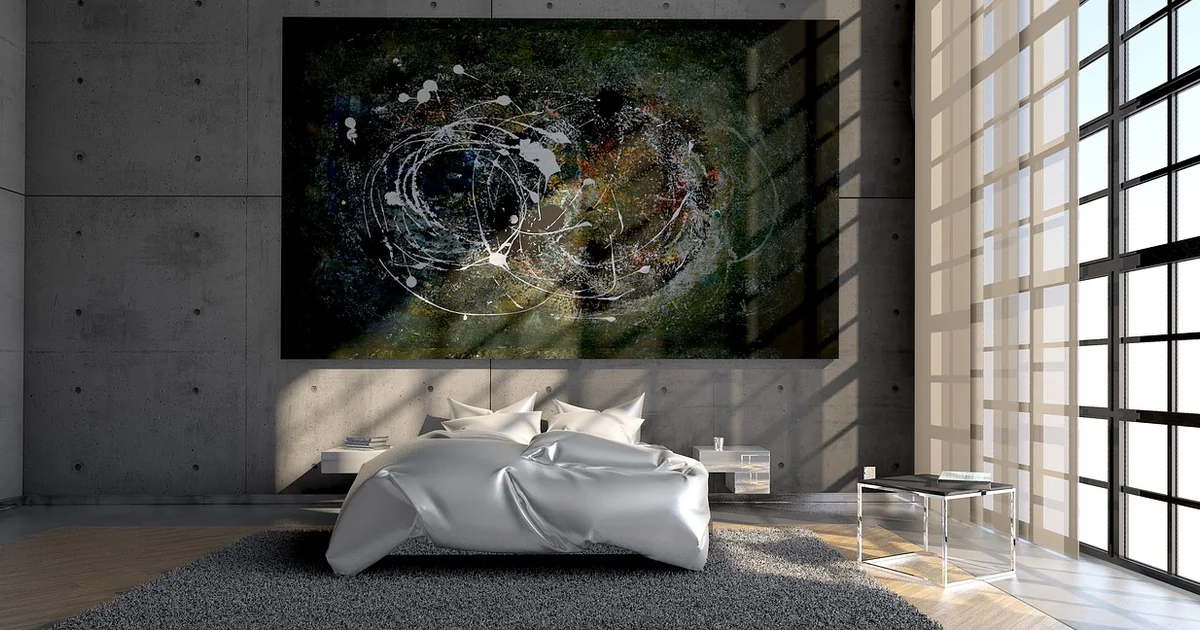
Your brain is wired to interpret color as environmental data. Cool tones, such as soft blues and gentle greens, mimic the fading light of dusk. This triggers your parasympathetic nervous system, which is your body’s “rest and digest” mode. When this system activates, your heart rate slows, your muscles relax, and melatonin production increases. Warm colors like crimson, tangerine, and bright yellow do the opposite. They mimic a sunrise, signaling alertness and boosting cortisol levels. Bright red is particularly intense. Color psychology suggests that red can increase heart rate and create a sense of urgency, making it the worst possible choice for a sleep sanctuary.
Amazon US Verified
Amber Sleep Night Light (Blue-Free)
Soft 0.5W warm amber light preserving natural melatonin synthesis for midnight waking.
The 5 Best Bedroom Wall Colors for Deep Rest
Not all colors are created equal when it comes to sleep. Some shades actively promote relaxation, while others keep your mind buzzing. Here are the five best hues to consider for your next paint project.
1. Muted Blue: The Gold Standard for Sleep
Muted blue is widely considered the top choice for sleep. Think of a soft, grey-blue tone reminiscent of a calm evening sky or a gentle ocean wave. This shade has a unique ability to lower blood pressure and heart rate. It feels peaceful without being cold or sterile. Art experts and sleep specialists agree that this color triggers the circadian rhythm effectively.
To optimize muted blue in your bedroom, pair it with neutral bedding. Choose cream or soft white sheets and avoid busy patterns on the bed. Let the walls be the statement piece. Incorporate natural elements like wooden picture frames, cotton throws, or a simple houseplant to enhance the grounding effect. Warm lighting is essential here. Harsh overhead lights will ruin the soothing vibe. Use table lamps with soft shades and warm-toned bulbs to complement the blue walls beautifully.
2. Soft Sage Green: A Natural Grounding Hue
Sage green offers a beautiful balance between the coolness of blue and the warmth of yellow. This connection to nature makes it incredibly grounding. It is an excellent bedroom wall color for people who find pure blue too chilly but still want a calming environment. Sage green reduces anxiety and creates a sense of safety and renewal.
This color works wonderfully in bedrooms with lots of plants or natural wood furniture. It feels organic and fresh without being stimulating. For a child’s room, sage green is a fantastic option. It promotes sleep while still feeling playful enough for daytime activities. Use white trim and light linen curtains to keep the room feeling airy and open.
3. Warm Greige or Soft Gray: The Neutral Powerhouse
Neutrals are popular for a reason, but not all neutrals are sleep-friendly. The key is the undertone. A warm greige, which is a mix of gray and beige, provides a cozy, non-stimulating canvas. It feels sophisticated and serene. Avoid cool, sterile grays that can feel institutional or clinical. Those shades can actually increase feelings of loneliness or anxiety.
Warm greige works best when layered with texture. Think chunky knit blankets, velvet pillows, and matte finishes. Since this color is very subtle, the finish of the paint matters even more. Always choose a flat or matte finish for bedrooms. Glossy finishes reflect light and create visual noise, which can disrupt your brain’s ability to relax.
4. Dusty Lavender: A Touch of Tranquility
Dusty lavender is an unexpected but brilliant choice for sleep. It combines the calming properties of blue with a hint of warmth that feels comforting rather than energizing. This shade adds personality to a room without the intensity of a bright purple. It is particularly effective in small bedrooms where you want to add character without making the space feel cramped.
Lavender has long been associated with relaxation and spirituality. A muted, dusty version of this color brings that sense of calm into your physical space. Pair it with warm metallics like brass or gold for a touch of elegance. Keep the bedding simple and neutral to let the walls create the mood.
You may also enjoy reading: 5 French Country Bathroom Ideas for Timeless Charm.
5. Deep Navy or Slate: The Cozy Cocoon Effect
For those who crave a cave-like atmosphere for sleeping, deep navy or slate is the answer. These dark colors absorb light, signaling strongly to the brain that it is nighttime. They create a sense of intimacy and security that can be incredibly comforting. Deep hues lower the overall light reflectance value (LRV) of the room, meaning less light bounces around the space.
This option is best for larger bedrooms that get plenty of natural light during the day. In a small room, dark colors can feel overwhelming if not balanced properly. Use a high-quality matte paint to avoid any shine. Introduce light-colored bedding and a soft rug to create contrast and prevent the room from feeling like a black box. The contrast between the dark walls and light bedding helps define the space and keeps it feeling intentional.
Frequently Asked Questions About Bedroom Wall Color and Sleep
What if my bedroom is already painted a warm color?
You do not have to repaint the entire room immediately. Start by introducing cool-toned textiles and artwork to counterbalance the warmth. A large piece of art featuring blues or greens can shift the energy of the room. Over time, painting a single accent wall behind your bed in a muted blue or sage can transform the space without requiring a full room makeover.
How do I test a paint color before committing?
Buy sample pots and paint large swatches on at least two different walls. Color looks different depending on how light hits it. Live with the swatches for a few days. Observe them at dawn, noon, dusk, and with your lamps on at night. This simple step prevents costly mistakes and ensures you love the color in every light.
Does the finish of the paint really matter for sleep?
Yes, significantly. A matte or flat finish absorbs light and creates a soft, restful texture. High-gloss or semi-gloss finishes create harsh reflections that can overstimulate the brain. For a bedroom, always choose the flattest finish available. It hides imperfections and creates a cozy, enveloping feel.
Can I just paint one accent wall a calming color?
Absolutely. Painting the wall behind your bed a deep, calming color like slate or navy can create a powerful focal point that grounds the room. This approach works well if you are hesitant to commit to a bold color on all four walls. It provides the visual anchor needed for relaxation without overwhelming the space.
Are white walls bad for sleep?
Not necessarily, but pure bright white can feel sterile and clinical. This can be subtly unsettling for the brain. If you love white, choose a warm off-white, cream, or soft ivory. These shades have a hint of warmth that feels cozy rather than harsh. They provide a clean backdrop without the jarring brightness of a pure white.
As an Amazon Associate, azuloz.com earns from qualifying purchases.