Doing your laundry at the wrong time could be costing you money and ruining your clothes. Most people toss a load in after dinner without thinking twice. But a house cleaning expert warns that this common habit might be the worst possible choice for your wallet and your wardrobe. Understanding the best time to do laundry can transform a simple chore into a money-saving, fabric-friendly routine.
When is the worst time to do laundry?
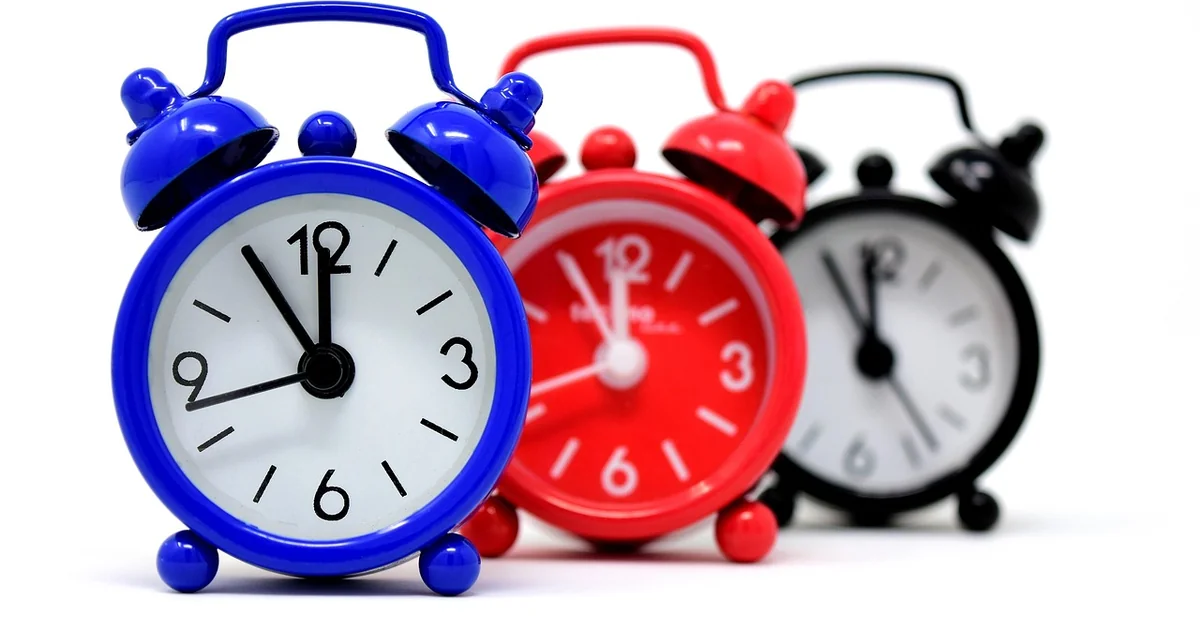
According to Petya Holevich, a house cleaning expert and supervisor at Fantastic Services, the worst time to do laundry falls squarely between 4 PM and 9 PM. This window is known as peak energy usage hours. During this period, most households are running their appliances, heating or air conditioning, and lighting all at once. The energy demand on the grid skyrockets.
Running your washer or dryer during these hours can lead to higher utility bills. If your electricity provider uses time-of-use pricing, you are paying a premium for every kilowatt-hour consumed during peak demand. The financial hit adds up load after load.
But the cost is not the only problem. The performance of your machines can suffer too. Many modern washers and dryers adjust cycle performance based on incoming voltage and water temperature. When the grid is strained, voltage can fluctuate. That fluctuation may impact how thoroughly your clothes are rinsed and dried. You end up with damp loads and partially cleaned fabrics.
Why does evening laundry cause musty smells?
Evening laundry presents a second challenge that has nothing to do with electricity bills. If you are using an outdoor line in cooler or more humid climates, clothes will not dry fully. Damp fabric left hanging overnight becomes a breeding ground for mildew and bacteria. That is where the musty smell comes from.
Holevich points out that cooler evening air holds more moisture. Even if the temperature feels comfortable to you, it is often too cool and damp for effective line drying. Clothes that take hours to dry develop odors that are hard to remove with a second wash. You might find yourself rewashing the same load, wasting both water and time.
Indoor drying in the evening is not much better. Without strong air circulation and warmth, moisture lingers inside your home. This can raise indoor humidity levels, potentially affecting your walls, furniture, and even your respiratory comfort. The best time to do laundry if you rely on air drying is clearly not after sunset.
How can fluctuating voltage affect your laundry?
Modern washing machines and dryers are sophisticated pieces of equipment. They rely on stable voltage and consistent water temperature to operate at peak efficiency. When voltage fluctuates during peak hours, the machine’s sensors detect the change and adjust the cycle accordingly.
What does that mean for your clothes? The machine may shorten the wash cycle to compensate for lower voltage, leaving detergent residue on fabrics. The dryer might run longer to achieve the same level of dryness, using more energy in the process. In some cases, the dryer fails to reach the optimal temperature, leaving clothes damp at the end of the cycle.
This hidden trade-off between convenience and laundry quality is something most homeowners never consider. You assume the machine is doing its job. But during peak hours, the grid conditions can undermine the very technology designed to clean your clothes effectively.
What is the best time of day for laundry?
For both energy efficiency and better results, Holevich recommends doing laundry in the morning. Morning temperatures are usually moderate, humidity is lower, and electricity demand is still light. The grid is not yet stressed by the evening rush of activity.
Morning laundry also aligns well with natural drying conditions. If you line-dry outdoors, the morning sun and breeze work together to dry clothes quickly and thoroughly. Fabrics come off the line feeling fresh rather than damp and sour.
There is a psychological boost to starting laundry early as well. Getting a load done before work or before the kids wake up creates a sense of accomplishment. The rest of your day feels less cluttered. You are not rushing to fold clothes at 10 PM when you are already exhausted.
Can midday laundry be even better than morning?
For those looking to save even more, midday offers distinct advantages. If you are using solar panels or line-drying outdoors, midday can be even better because of the stronger sunlight and better air circulation. The sun is at its peak, and the air is typically at its warmest and driest.
Midday also falls well outside the 4 PM to 9 PM peak window. For households on time-of-use electricity plans, midday rates are often the lowest of the day. You can run multiple loads without worrying about surging bills.
However, midday laundry requires you to be home or have a flexible schedule. If you work a standard 9-to-5 job, this may not be practical. In that case, morning remains the best time to do laundry for most people. The key is to avoid that late afternoon and early evening window entirely.
How peak electricity hours silently inflate your utility bills
Peak energy usage often occurs between 4 PM and 9 PM. This is when most households return from work, cook dinner, run the dishwasher, watch television, and turn on lights. The collective demand strains the electrical grid.
Utility companies respond to this demand in two ways. Some charge higher rates during peak hours to discourage usage. Others rely on older infrastructure that becomes less efficient under heavy load. Either way, you pay more for the same amount of electricity consumed during off-peak hours.
Running your washer or dryer during this window means you are paying a premium for every cycle. Over the course of a month, those extra costs add up. A family that does five loads of laundry per week could see a noticeable difference in their bill simply by shifting wash times to the morning or midday.

Amazon US Verified
Handmade Wool Dryer Balls (6-Pack)
100% New Zealand wool balls that naturally soften fabrics and reduce drying time.
The hidden trade-off between convenience and laundry quality
Convenience often wins in busy households. It is easier to throw a load in after dinner while you clean the kitchen. But that convenience comes with hidden costs. You pay more for electricity, your clothes may not dry properly, and your machines work harder under suboptimal conditions.
Consider a parent who runs multiple loads on weekends. Choosing between morning and afternoon slots is not just about schedule. Morning loads finish before the peak window begins. Afternoon loads can stretch into the 4 PM start time, pushing your final load into peak hours.
For someone who lives in a humid climate and relies on outdoor line drying, the timing is even more critical. A load started at 3 PM might still be damp when the evening humidity sets in at 6 PM. That dampness leads directly to musty odors. The best time to do laundry in such climates is early morning so clothes have the full day to dry.
Why morning laundry might actually save you time as well as money
Morning laundry creates a ripple effect of efficiency. Clothes dry faster in the moderate morning air and sunlight. You fold them sooner. They do not sit in the dryer or on the line for hours, waiting for attention.
You may also enjoy reading: 7 Houseplant Care Tips for the Winter Months.
Folding clothes while they are still warm from the dryer reduces wrinkles. You spend less time ironing or steaming. The whole laundry process compresses into a shorter, more productive window.
Amazon US Verified
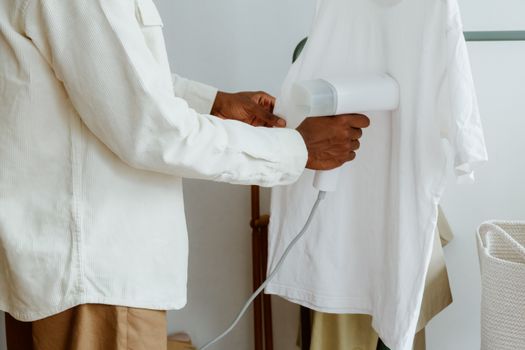
Hilife Handheld Garment Steamer
High-output portable clothes steamer that relaxes wrinkles and sanitizes delicate fibers.
Imagine a night-shift worker who sleeps during the day. Morning laundry is still optimal because it avoids peak electricity hours and takes advantage of lower humidity. Even if your schedule is unconventional, the principles of energy demand and drying conditions remain the same.
How voltage fluctuations during peak hours can shorten appliance lifespan
Voltage fluctuations do more than affect individual cycles. Over time, they can stress the internal components of your washer and dryer. Motors, heating elements, and control boards are designed to operate within a specific voltage range.
When the voltage drops during peak hours, the machine draws more current to compensate. This increased current generates extra heat. Heat is the enemy of electronic components. Repeated exposure to voltage fluctuations can shorten the lifespan of your appliances by months or even years.
Replacing a washer or dryer is expensive. Protecting your investment by choosing the right time of day to run them is a simple, cost-free strategy. Morning and midday usage puts less strain on both the grid and your machines.
The psychological boost of starting laundry early in the day
There is a less obvious benefit to morning laundry that has nothing to do with electricity or drying conditions. Starting a household chore early creates momentum. You feel productive. That feeling carries into other tasks.
Laundry is one of those chores that never truly ends. It piles up silently. Starting the day with a load reduces the mental weight of unfinished tasks. You are not thinking about laundry during your workday or your evening relaxation time.
For someone who works a 9-to-5 job and can only do laundry after dinner, the evening becomes a race against time. You rush through folding. You leave clothes in the dryer overnight. The cycle of procrastination and catch-up never breaks. Switching to morning laundry, even just one day a week, can change that pattern.
Practical tips for shifting your laundry schedule
If your current schedule forces you into the 4 PM to 9 PM window, do not panic. Small changes can make a big difference. Start by identifying one or two loads per week that you can move to the morning or midday.
Set your washer’s delay start feature if your machine has one. Load it the night before and program it to start at 6 AM. The cycle finishes before peak hours begin, and you wake up to clean, fresh clothes.
What if your only free time for laundry is between 4 and 9 PM? In that case, focus on what you can control. Use cold water washes to reduce energy consumption. Run the washer during the early part of the window and delay the dryer cycle until after 9 PM when demand drops. This strategy halves your exposure to peak rates.
How do you prevent musty smells when forced to dry laundry indoors in the evening? Use a dehumidifier in the drying room. Place a fan near the drying rack to improve air circulation. Avoid overloading the rack so air can move freely between garments. These steps reduce drying time and minimize odor development.
Frequently Asked Questions
What if I have a time-of-use electricity plan and my off-peak hours start at 9 PM?
If your off-peak rates begin at 9 PM, you can run your washer and dryer after that time without paying premium prices. However, be aware that evening drying still carries the risk of musty odors if you line-dry outdoors. For machine drying, the later start is fine. Just avoid starting a load at 8 PM that will run into the peak window. Set the delay start feature so the cycle begins exactly at 9 PM.
Is it worth waking up earlier just to do laundry before work?
For most households, yes. The combination of lower electricity rates, better drying conditions, and reduced strain on your appliances makes morning laundry a smart choice. You do not have to wake up hours earlier. Loading the machine the night before and using the delay start feature means you can sleep while the washer runs. You wake up to clean clothes ready for the dryer or the line.
Can I run my washer during peak hours but the dryer later to save money?
Yes, this is a practical compromise. The washer uses less electricity than the dryer, so running it during peak hours has a smaller impact on your bill. Start the washer at 4 PM and let it finish. Then wait until after 9 PM to run the dryer. This strategy reduces your peak-hour electricity consumption while still allowing you to complete laundry in the evening. Just make sure the wet clothes do not sit in the washer for hours, as that can lead to mildew growth.
As an Amazon Associate, azuloz.com earns from qualifying purchases.