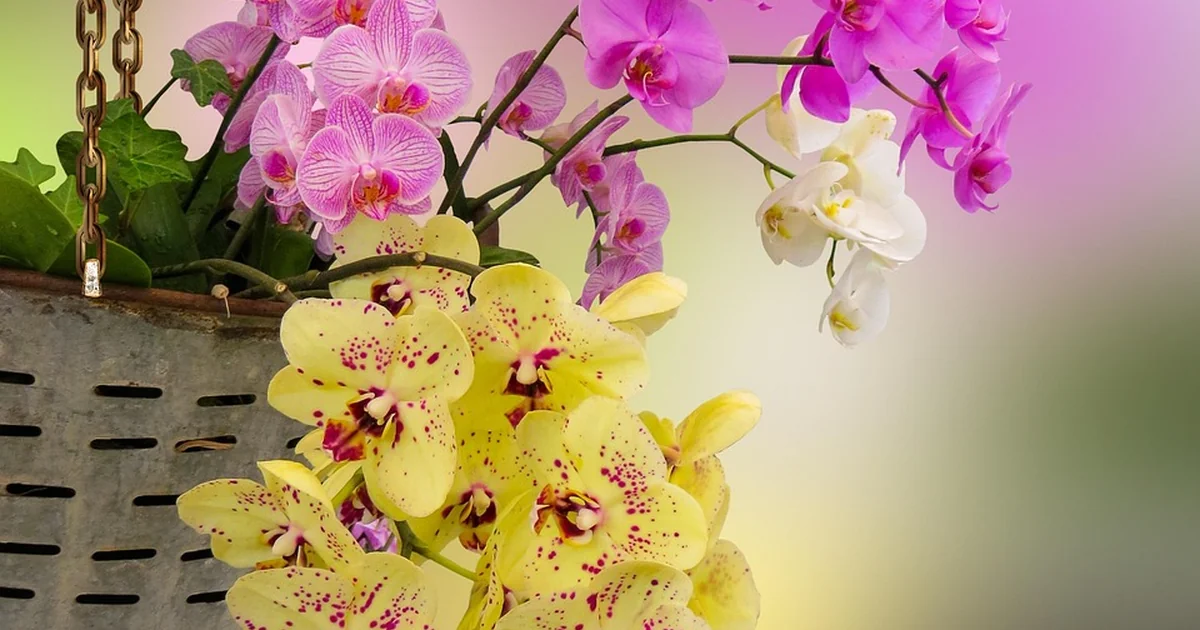
You can turn an old kitchen colander into a stunning hanging flower basket for just pennies. This simple upcycling project saves money and keeps a useful item out of the landfill. Hanging flower baskets make for gorgeous porch decor throughout spring and summer, and this clever way to hang plants adds a unique twist. When you are thrifting, keep your eye out for old colanders in the kitchen section. Their bowl-like shape and built-in holes make them ideal for a colander hanging basket project.
Why Use a Colander for Hanging Baskets?
Colanders come ready-made for the job. The holes that once drained pasta and rinsed vegetables now provide perfect drainage for your flowers. This means you do not need to drill extra holes or worry about water pooling at the bottom. The bowl shape holds soil and plants securely, just like a traditional hanging basket would. Plus, the handles and rims give you natural attachment points for chains or rope.
Amazon US Verified
Organic Perlite Horticultural Soil Conditioner
Lightweight volcanic mineral that improves root aeration and prevents compaction.
Many people overlook kitchen items when shopping for garden supplies. A colander hanging basket offers a budget-friendly alternative to store-bought planters. You can find sturdy metal colanders at thrift stores for a dollar or two. That is a fraction of the cost of a new hanging basket from a garden center.
What Type of Colander Works Best?
Metal colanders are sturdier as hanging planters and have a rustic aesthetic. They hold up well outdoors and can support the weight of wet soil and blooming plants. The metal construction also resists cracking in direct sunlight, which plastic can sometimes do over time.
Amazon US Verified
Digital 3-in-1 Soil Moisture & pH Meter
Accurate probe to test deep root zone moisture and prevent accidental overwatering.
Plastic colanders work too, but they tend to be lighter. You may need to add extra weight to the bottom, such as a layer of pebbles, to keep the colander hanging basket from tipping in the wind. Check the plastic for any cracks before you buy it from a thrift store. A cracked colander will not hold soil reliably.
That said, look for colanders with sturdy rims and handles. These features make hanging and attaching chains much easier. Avoid colanders with very thin metal that might bend under the weight of damp soil.
How Can You Make a Tiered Display?
With multiple strainers, you can create a tiered display to hang even more flowers. This looks especially charming when you use strainers of different sizes. A large colander at the bottom, a medium one in the middle, and a small one at the top creates a cascading effect.
Here is how to build a tiered colander hanging basket setup. First, choose your colanders and wash them thoroughly. Next, drill three evenly spaced holes around the rim of each strainer. Sand the metal around the holes to remove any sharp edges. Attach an S hook and two chains into each hole of the top colander. One set of chains will act as the main hanger, while the other set will connect to the next strainer below. Use more S hooks to secure your chains into the rim of your second strainer. Repeat this process for a third tier if you wish.
Attach multiple colanders with chains and S hooks, drilling evenly spaced holes. This method keeps the display balanced and prevents the colanders from tilting sideways.
How Do You Prevent Soil From Falling Out?
The same holes that provide excellent drainage can let soil escape when you water your plants. This is a common concern for anyone trying a colander hanging basket for the first time. The solution is simple and uses items you likely already have in your kitchen.
For strainers with larger drainage openings, lay coffee filters into the utensil before adding soil. The filters allow water to pass through while keeping the dirt inside. They also break down slowly over time, so you do not have to worry about removing them later. If you prefer a reusable option, cut a circle of landscape fabric or a piece of old window screen to fit the bottom of the colander.
Place coffee filters inside the colander before adding soil, and you will have a tidy, mess-free planter.
Amazon US Verified
Self-Watering Planters with Drainage Aerators
Elevated reservoir design that prevents soggy roots and ensures steady hydration.
How Can You Customize the Look?
A plain silver or white colander works fine, but a little paint transforms it into a custom piece. Spray painting the colander to complement your porch and home is an easy way to match your existing decor. Choose a color that pops against your flowers, such as a soft sage green, a cheerful yellow, or a deep navy blue.
Before painting, wash the colander thoroughly and let it dry completely. Lightly sand the surface if it is glossy, so the paint adheres better. Apply a primer designed for metal or plastic, depending on your colander material. Then spray on two thin coats of your chosen color, letting each coat dry fully.
Spray paint the colander and add vinyl designs for a personalized touch. You can find vinyl decals at craft stores or cut your own with a cutting machine. Simple shapes like leaves, stars, or geometric patterns add charm without overwhelming the design.
How to Choose Between Metal and Plastic Colanders for Durability
Durability matters when your colander hanging basket will live outdoors through rain, wind, and sun. Metal colanders generally last longer than plastic ones. They do not become brittle from UV exposure, and they handle temperature swings without cracking.
However, metal colanders can rust over time, especially if the paint chips. To prevent rust, choose a colander made from stainless steel or coat a regular metal one with a rust-inhibiting spray paint. Check the colander every few months for any bare spots and touch them up as needed.
Plastic colanders are lighter and easier to drill through. They also come in more colors, which can save you a painting step. For best results, look for thick, high-quality plastic rather than thin, flimsy types. A sturdy plastic colander can last for several seasons if kept out of direct, harsh sunlight.
Why a Tiered Colander Display Adds Visual Depth to a Small Porch
If you have a small porch or balcony, floor space is precious. A tiered colander hanging basket uses vertical space instead. This lets you enjoy more flowers without cluttering your limited square footage.
The different levels draw the eye upward, making the area feel larger and more inviting. You can plant trailing flowers like petunias or ivy in the top colander, and bushier plants like geraniums or marigolds in the lower ones. The contrast in heights and textures creates a lush, layered look that a single basket cannot match.
Additionally, a tiered display works well on a wall-mounted hook or a freestanding plant stand. It becomes a focal point that adds life and color to an otherwise plain corner.
You may also enjoy reading: 9 Humane Ways to Get Rid of Squirrels in Your Yard.
The Appeal of Mixing Vintage Colanders With Modern Home Decor
Vintage colanders carry a sense of history and character. An enameled colander from the 1950s or a chipped metal one from a farmhouse kitchen brings warmth to modern decor. The contrast between the rustic, well-used kitchen tool and sleek contemporary furniture creates visual interest.
You do not need a perfectly matching set. In fact, mismatched colanders add to the charm. A bright red colander next to a faded blue one tells a story. Each one came from a different thrift store or family kitchen, and together they form a unique collection.
This approach also fits well with cottagecore and rustic garden aesthetics. The slightly imperfect, handmade look of a colander hanging basket feels authentic and personal. It invites compliments and questions from visitors, which makes the project even more rewarding.
How Spray Painting Transforms a Thrifted Item into a Custom Piece
A thrifted colander often shows its age with scratches, stains, or faded logos. Spray painting covers all of that and gives the item a fresh start. You can choose a color that matches your home’s exterior trim, your favorite flower shades, or simply a hue that makes you smile.
Consider using a spray paint that bonds to metal or plastic, such as a multi-surface formula. Hold the can about eight inches away and use sweeping motions to avoid drips. Apply several thin coats rather than one thick coat for a smooth, even finish.
If you want a distressed look, sand the edges lightly after the paint dries. This reveals hints of the original metal underneath and adds a vintage feel. You can also add a clear sealant spray to protect the paint from the elements.
The Balance Between Drainage Holes and Keeping Soil in the Basket
Getting the right balance between drainage and soil retention is key to a successful colander hanging basket. The holes need to be large enough to let excess water escape, but not so large that soil washes out every time you water.
Most standard colanders have holes that are about a quarter-inch in diameter. This size works well for drainage but can let small soil particles through. Using coffee filters or landscape fabric as a liner solves this problem without blocking the holes entirely.
Another option is to use a layer of sphagnum moss inside the colander. Press the moss against the sides and bottom, then fill the center with potting soil. The moss holds the soil in place while still allowing water to drain freely. This method also gives the planter a natural, woodland look.
For best results, test your setup before planting. Fill the lined colander with dry soil and water it gently. Watch to see if any soil escapes. If it does, add another layer of liner or switch to a finer filter material.
Frequently Asked Questions
What if the colander has no existing holes near the rim for hanging?
You can easily drill your own holes. Use a drill with a metal or plastic bit, depending on your colander material. Mark three evenly spaced spots around the rim, then drill slowly to avoid cracking. Sand the edges smooth before attaching chains or hooks. If drilling feels too difficult, you can also tie sturdy rope or string through the handles and around the rim instead.
How do I prevent the colander from rusting if I use a metal one?
Start with a stainless steel colander, which resists rust naturally. If you use a regular steel colander, coat it with a rust-inhibiting primer and spray paint. Apply a clear sealant as an extra layer of protection. Check the colander every few months for any chips or scratches in the paint, and touch them up promptly to prevent rust from forming.
What if I want to use the colander indoors instead of on a porch?
Using a colander hanging basket indoors works beautifully. Choose a plastic colander to avoid rust from indoor humidity. Line it with a saucer or drip tray placed inside the colander to catch any water. Alternatively, use the colander as a cachepot by placing a smaller plastic pot inside it. This way, you can water the plant normally without worrying about leaks.
As an Amazon Associate, azuloz.com earns from qualifying purchases.