Europe Indoor Plant Market Could Reach $15 Billion by 2035
The Europe indoor plant market was valued at an estimated $9.1 billion in 2025 and is forecast to reach $15 billion by 2035, according to Global Market Insights. That represents a projected compound annual growth rate of 5.2% between 2026 and 2035.
This forecast describes more than sales of live houseplants. The market definition also includes artificial and preserved plants, pots and planters, growing media, accessories, installation, leasing, and plant-maintenance services. Its expected expansion reflects the growing use of greenery in homes, workplaces, hospitality spaces, and professionally managed commercial interiors.
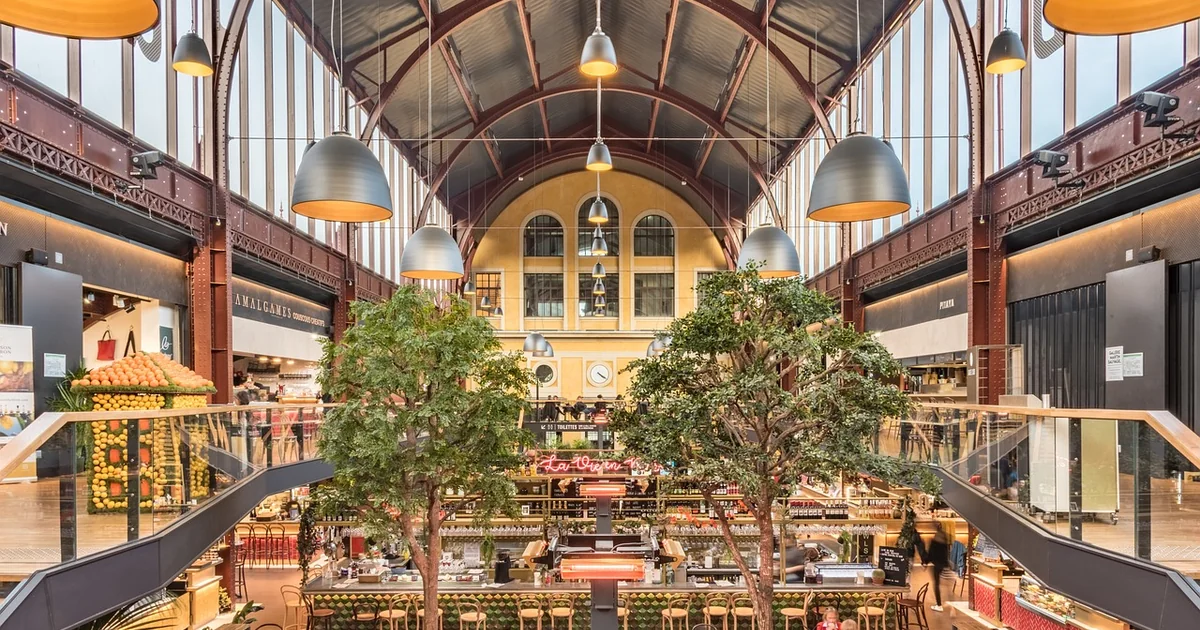
Europe Indoor Plant Market at a Glance
| Market indicator | Estimate |
|---|---|
| 2025 market value | $9.1 billion |
| 2026 market value | $9.5 billion |
| 2035 forecast | $15 billion |
| Projected CAGR | 5.2% from 2026 to 2035 |
| Largest reported national market | United Kingdom |
| Fastest-growing major national market | Germany |
These numbers are commercial research estimates rather than official census figures. Market totals can differ between research firms because some count only live plants while others include containers, artificial greenery, growing products, and recurring services. Businesses comparing forecasts should examine the scope and methodology rather than relying on the headline value alone.
What Is Driving Growth in Europe’s Indoor Plant Industry?
Demand is developing through several connected channels. Residential consumers remain important, but commercial installations, maintenance contracts, specialized planters, and online distribution are broadening the market.
Biophilic Design in Workplaces and Commercial Buildings
Biophilic design aims to strengthen people’s connection with nature through plants, daylight, natural materials, views, water, and other design features. In offices, hotels, restaurants, shops, and residential developments, greenery can support a warmer atmosphere and help create a recognizable visual identity.
Plants are increasingly considered during the planning of reception areas, collaboration spaces, meeting rooms, and hospitality venues. This can create demand for large containers, planted dividers, preserved moss features, living walls, and professionally maintained installations.
However, greenery alone does not prove that a building will achieve higher rents or better employee performance. Commercial outcomes depend on location, building quality, tenant demand, maintenance standards, and the complete design strategy. Property teams should measure occupancy, tenant feedback, maintenance costs, and space use before attributing financial gains to plants. CREW Network’s guidance on biophilic commercial design similarly recommends tracking results after installation.
Continued Residential Demand
Indoor plants allow apartment residents to introduce greenery without a private garden. Compact plants, hanging varieties, vertical displays, and narrow planters are particularly suited to smaller urban homes.
In the United Kingdom alone, the Horticultural Trades Association has reported that approximately 23 million people buy houseplants annually. The same organization has documented fluctuating monthly sales, showing that widespread interest does not eliminate seasonal changes or pressure on discretionary spending.
Online plant shops and social platforms have also made it easier to discover unusual varieties and learn basic care. Visually distinctive plants such as Monstera, pothos, Philodendron, and string of pearls remain popular in interior styling, but reliable demand also comes from practical, familiar varieties that are affordable and widely available.
Growth of Managed Plant Services
Commercial buyers often need more than a plant delivery. Offices, retailers, hotels, and restaurants may require consultation, installation, watering, pruning, pest monitoring, container cleaning, and replacement guarantees.
This service model is valuable because it converts occasional purchases into recurring contracts. It also reduces the horticultural burden on building managers who may lack the time or expertise to care for dozens of plants across different light and temperature conditions.
Self-Watering and Smart Planters
Maintenance concerns are a common barrier for new plant owners. Self-watering containers address part of that problem by storing water in a reservoir and allowing the growing medium to draw moisture as needed. Connected planters may also provide reminders or monitor moisture, temperature, and light.
These products can make plant care more manageable, but they do not make a plant maintenance-free. Reservoirs still need refilling, sensors may require calibration, and unsuitable light or temperature cannot be corrected by automated watering. Retailers that explain these limitations clearly can reduce disappointed customers and unnecessary plant replacements.
Which Product and Customer Segments Matter Most?
Live Indoor Plants
Live plants remain central to the industry because they serve residential, office, hospitality, and gifting markets. Buyers increasingly look beyond appearance and consider mature size, toxicity, light requirements, watering frequency, and compatibility with pets or children.
Planters, Accessories, and Growing Media
The broader market includes decorative containers, substrates, fertilizers, supports, propagation products, grow lights, and watering equipment. These complementary products can generate repeat purchases after the initial plant sale.
Planter design also affects plant health. A decorative pot without drainage may look attractive but can increase the risk of waterlogged roots unless the plant remains in a removable nursery pot. Retailers can add value by pairing plants with containers that fit both their roots and their watering needs.
Commercial Installation and Maintenance
Commercial projects typically involve larger orders and more complex requirements than household purchases. Providers may need to assess light, airflow, access, irrigation, fire-safety rules, and the weight of planted containers. Consistent maintenance is especially important because damaged or declining plants can quickly undermine the appearance of a customer-facing space.
Corporate Gifting
Plants are used for employee onboarding, client gifts, events, and seasonal campaigns. Successful programs need durable packaging, clear care instructions, dependable delivery, and plant choices appropriate for varied homes and workplaces. Businesses must also consider toxicity and the practical difficulty of shipping live material across borders.
Which Companies Are Active in the Market?
The competitive landscape includes retailers, garden-center groups, planter manufacturers, horticultural suppliers, and commercial plant-service companies. The five companies identified as leading participants by the market forecast are:
- Plantagen/Plantasjen, a garden-center retailer with a strong presence in Nordic markets.
- Teract, a French retail group operating garden-center and food-retail brands.
- Hornbach Holding, a home-improvement and garden retailer serving several European countries.
- Rentokil Initial, whose Ambius business provides interior landscaping and related workplace services.
- Elho, a Netherlands-based manufacturer known for indoor and outdoor plant containers.
According to the cited industry estimate, Plantagen/Plantasjen held slightly more than 2.8% of the market in 2025, while the five named companies collectively represented about 9.7%. These figures indicate that even prominent operators control only a limited portion of total revenue.
Why Is the Market So Fragmented?
The indoor plant industry has no single dominant business model. Its participants range from neighborhood florists and independent garden centers to e-commerce specialists, multinational retailers, commercial landscapers, growers, and container manufacturers.
Plants Create Local Logistical Challenges
Live products can be damaged by heat, cold, delayed transport, poor packaging, or rough handling. Their condition can also deteriorate while held in storage. Local growers and retailers may therefore compete effectively through freshness, regional knowledge, and shorter delivery routes.
Demand Varies by Region
Climate, building design, household income, cultural preferences, and the availability of garden space affect purchasing behavior. A product range suited to bright Mediterranean homes may not meet the needs of customers living in darker northern interiors.
Specialists Can Compete in Narrow Niches
Smaller companies can differentiate themselves through rare plants, pet-conscious product selections, locally produced containers, office subscriptions, living-wall expertise, or delivery within a specific city. This makes it difficult for a few national chains to control every part of the market.
Price Sensitivity Limits Market Power
Houseplants are discretionary purchases for many households. When budgets tighten, consumers may delay buying premium specimens or choose smaller plants and less expensive containers. Retailers selling widely available varieties must therefore compete on convenience, quality, advice, and price.
Do Indoor Plants Really Improve Health and Air Quality?
Well-maintained greenery may make a room feel more pleasant, and research has found associations between exposure to indoor plants and some psychological or physiological responses. However, the evidence varies according to the setting, study design, and outcome being measured. Plants should not be marketed as treatments for stress, anxiety, or other health conditions.
Claims about air purification need even more caution. Plants can remove certain pollutants in sealed laboratory chambers, but ordinary homes and offices have much greater air exchange. A review discussed by the American Lung Association found that an impractically high density of plants would be required to match normal ventilation’s removal of volatile organic compounds.
Indoor plants should therefore be chosen for enjoyment, design, and connection with nature—not as substitutes for ventilation, source control, or appropriate air filtration. Overwatered soil can also encourage mold, while dusty leaves, fragrances, pollen, or pests may bother sensitive occupants.
Challenges That Could Affect Future Growth
Supply-Chain and Import Dependence
Many European markets rely on imported houseplants or young plants. Border requirements, transport costs, plant-health controls, and changes to growing-media regulations can affect price and availability. The HTA has reported that 87% of houseplants sold by the UK garden centers it surveyed were imported, illustrating the sector’s exposure to international supply conditions.
Sustainability Questions
Consumers may expect indoor greenery to be environmentally beneficial, but the full footprint depends on heated greenhouse production, growing media, plastic pots, fertilizers, transport, water use, and plant losses. Businesses can respond with longer-lasting plants, recyclable or recycled containers, peat-reduced substrates, consolidated deliveries, and transparent sourcing.
Pests and Plant Health
Spider mites, fungus gnats, thrips, mealybugs, and scale insects can spread through homes, retail stock, and commercial installations. Inspection, isolation of affected plants, appropriate watering, and early treatment are essential. Cross-border trade must also follow applicable phytosanitary rules designed to limit the spread of plant pests and diseases.
Maintenance Failures
A plant selected mainly for appearance may decline if its location has inadequate light or unsuitable temperature and humidity. Better labeling, realistic care guidance, and site-specific recommendations can reduce losses and strengthen customer trust.
What the Forecast Means for Businesses
The projected 5.2% annual growth rate suggests opportunity, but it does not guarantee equal gains for every seller. Companies are more likely to benefit when they solve a specific customer problem rather than simply adding more plant varieties.
- Retailers can organize plants by light, mature size, care level, and household suitability.
- Online sellers can improve packaging, delivery visibility, plant-health guarantees, and post-purchase guidance.
- Office service providers can offer audits, design, installation, maintenance, and measurable service standards.
- Planter brands can focus on repairable components, water management, durable materials, and clear compatibility information.
- Property managers can evaluate lifetime maintenance costs instead of comparing installation prices alone.
- Growers and distributors can strengthen traceability, pest prevention, and resilience against transport or regulatory disruption.
Frequently Asked Questions
How large could the Europe indoor plant market become by 2035?
One industry forecast projects that the market will rise from $9.1 billion in 2025 to $15 billion in 2035, representing a 5.2% compound annual growth rate. The estimate includes more than live plants, so it should not be interpreted as the value of houseplant sales alone.
Which European countries have strong indoor plant demand?
The United Kingdom, Germany, France, the Netherlands, and the Nordic countries are important markets because of their established garden-retail networks, urban populations, commercial property sectors, and strong culture of ornamental plant purchasing. The cited forecast identifies the United Kingdom as the largest national market and Germany as the fastest-growing major one.
What is the biggest source of future opportunity?
Commercial plant services are particularly attractive because installation can lead to recurring maintenance and replacement revenue. Residential demand, premium planters, corporate gifting, e-commerce, and plant-care accessories also provide opportunities.
Why do indoor plant market estimates vary?
Research firms use different geographic boundaries, sales channels, product definitions, base years, and forecasting methods. Some measure live plants only, while broader reports count artificial plants, planters, growing media, accessories, leasing, installation, and maintenance.
Are indoor plants effective air purifiers?
Not at the density normally found in a home or office. Laboratory studies show that plants can absorb certain pollutants under controlled conditions, but normal ventilation generally removes indoor pollutants much faster. Plants should complement a pleasant interior, not replace ventilation or filtration.
Why does no company dominate the European market?
The sector contains thousands of local retailers, growers, florists, online shops, commercial installers, service providers, and product manufacturers. Regional preferences, plant perishability, transportation costs, and specialized customer needs allow smaller businesses to remain competitive.
Europe’s indoor plant industry is evolving into a broader interior-greening ecosystem. The strongest opportunities are likely to belong to businesses that combine attractive products with dependable logistics, credible care advice, responsible sourcing, and services that keep plants healthy after installation.