
If you feel like you spend more time pulling weeds than actually enjoying your garden, then you’ll be thrilled to know there’s a plant that can do the work for you. While groundcover options are near limitless, many has one go-to groundcover that she turns to again and again to prevent weeds. Here’s the groundcover you should plant in your garden, plus how to maintain it, according to the woman who wrote the playbook (literally).
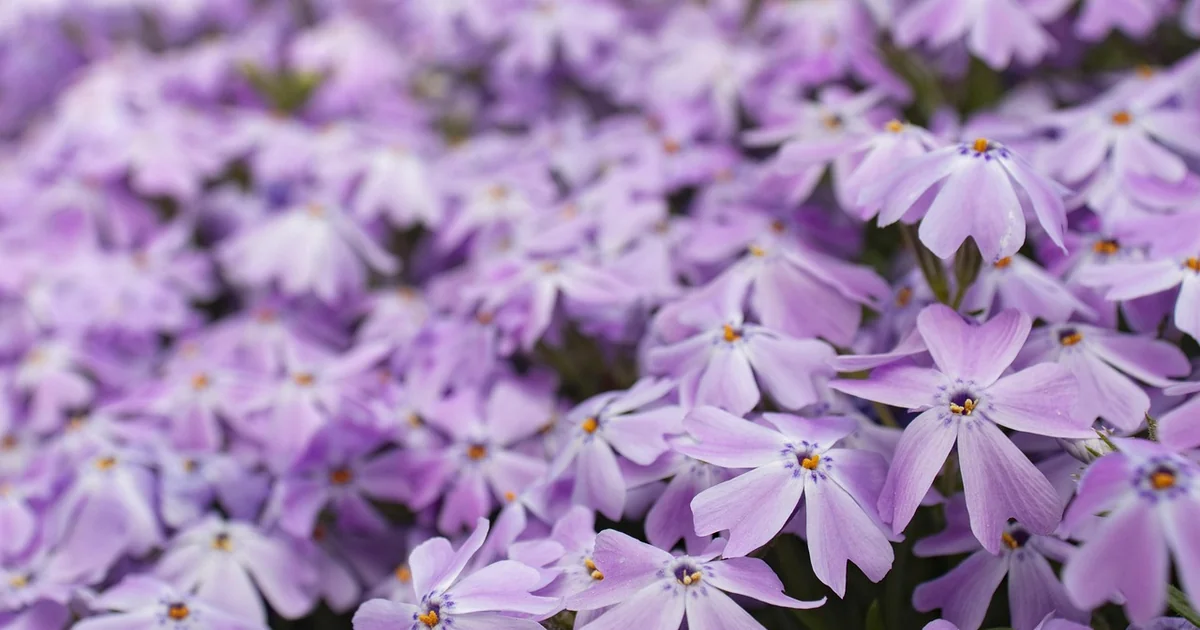
Groundcovers, by definition, are plants that grow thickly enough to cover the ground and prevent weeds. When groundcovers spread throughout a garden, they block sunlight from reaching the ground, preventing weed seeds from germinating and establishing themselves. “Groundcovers essentially deprive the weed seeds of open spaces to germinate and sunshine to grow,” says groundcover expert Kathy Jentz. “Not all weeds will be blocked, but most should.”
“My favorite weed-suppressing groundcover is epimedium, which is also known as barrenwort, bishop’s hat, or fairy wings,” says Jentz. This slow-growing groundcover is native to Asia and the Mediterranean, but it will do well anywhere in USDA zones 5 through 8, where it grows as a hardy perennial. Its delicate leaves and flowers that seem to levitate earn it the nickname of fairy’s wings. Epimedium isn’t invasive, but its woody rhizomes reach out below the ground, allowing it to effectively spread through the garden, blocking the sunlight necessary for weed growth. “Epimediums have a thick, shrub-like root system that can outcompete most any plant,” Jentz says. “I have tried it up against invasive English Ivy and it not only held its own, but run over and smothered target vines.” With epimedium planted throughout your garden, you’ll get the prettiest carpet of green, speckled leaves, and spring blooms and you’ll get the benefit of a groundcover that prevents weeds from ever making an appearance.
1. Epimedium (Barrenwort, Bishop’s Hat, Fairy Wings)
Epimedium is a top choice for gardeners seeking a low-maintenance solution to weed control. This perennial boasts attractive foliage, delicate flowers, and a remarkable ability to suppress unwanted plants. Its growth habit is slow and spreading, forming a dense carpet that effectively blocks sunlight. The plant’s woody rhizomes, which are underground stems, extend beneath the soil surface, creating a robust network that outcompetes many common weeds. This groundcover thrives in lightly shaded areas, making it ideal for woodland gardens or areas under trees. It’s also exceptionally drought-tolerant once established, requiring minimal watering. You’ll find epimedium flourishing in USDA zones 5 through 8. While it takes a few years to fully establish, the long-term benefits of reduced weeding are well worth the initial effort.
How Quickly Epimedium Spreads
Epimedium is a carpeting perennial, but it isn’t necessarily in a rush to take over. You can expect three to five years before it reaches its full cover. “There will be weeding as they get established,” Jentz says. “It should be much lower-maintenance from then on—simple snipping off any errant weed intruder.” As it grows, you can divide the plant to cover other areas in your yard.
Where to Plant Epimedium
If you have a spot in your yard that gets dappled light, that’s exactly where epimedium thrives. It does well in wooded areas, where it benefits from the shade of trees. While it can tolerate some sun, it should be kept out of direct afternoon sun.
Maintenance of Epimedium
The beauty of epimedium is that it requires little maintenance. While it’s an effective groundcover, it’s not necessarily fast-growing or invasive, so you’re not up against the clock to prevent its spread. To maintain epimedium, you’ll simply remove old, dried foliage and trim away any growth that extends past the area where you want it to grow. It is drought tolerant, and it thrives in neutral to slightly acidic soil. An application of fertilizer once a year will keep it looking its best.
2. Creeping Thyme (Thymus serpyllum)
Creeping thyme is an excellent choice for areas that receive full sun and well-drained soil. This aromatic groundcover spreads readily, forming a dense mat that effectively smothers weeds. Its tiny leaves and delicate flowers, often in shades of pink, purple, or white, add a lovely texture and fragrance to the garden. Creeping thyme is also quite drought-tolerant, making it a great option for water-wise landscaping. It’s an attractive alternative to traditional lawns, offering a low-maintenance and fragrant groundcover. Its low height, typically under 6 inches, makes it suitable for edging along pathways or planting in rock gardens.
Sunlight and Soil Requirements
Creeping thyme prefers full sun, but it can tolerate partial shade. It thrives in well-drained soil and does not tolerate soggy conditions. Amend heavy clay soil with sand or gravel to improve drainage.
Maintenance
Minimal maintenance is required for creeping thyme. Deadhead spent flowers to encourage continued blooming. You can lightly trim it after flowering to maintain its shape and prevent it from becoming leggy.
3. Vinca Minor (Periwinkle)
Vinca minor, commonly known as periwinkle, is a vigorous groundcover that forms a dense, evergreen mat. It’s highly effective at suppressing weeds due to its rapid growth and ability to outcompete other plants. Periwinkle thrives in moist, shady conditions, making it a good choice for woodland gardens or under trees. It’s known for its dark green foliage and delicate blue or white flowers. While it can spread aggressively, it’s relatively easy to control. Regular trimming can help keep it contained within desired areas. Periwinkle is a resilient plant that can tolerate a range of soil conditions, but it prefers well-drained soil.
Growth Habit and Spreading
Periwinkle is a spreading groundcover that can form a dense mat, reaching a height of just a few inches. It spreads readily through rhizomes, so be mindful of its potential to invade other areas.
Maintenance
Regular trimming is recommended to control its spread and maintain a neat appearance. Remove any dead or damaged foliage to promote healthy growth.
4. Sedum (Stonecrop)
Sedum is a succulent groundcover that comes in a variety of forms, with different leaf colors and textures. It’s incredibly drought-tolerant and thrives in sunny, well-drained locations. Sedum forms a dense mat that effectively suppresses weeds. Many varieties offer attractive foliage and late-season blooms that attract pollinators. Its ability to store water in its leaves makes it well-suited for dry climates. Sedum is also low-maintenance and requires minimal care once established. It’s an excellent choice for rock gardens or xeriscaping projects.
Sunlight and Soil Preferences
Sedum requires full sun and well-drained soil. It tolerates a wide range of soil types, including sandy and rocky soils.
Maintenance
Sedum is very low-maintenance. Avoid overwatering, as it can lead to root rot. You can trim it lightly after flowering to maintain its shape.
5. Irish Moss (Sagina subulata)
Irish moss is a soft, moss-like groundcover that creates a lush, green carpet. It’s well-suited for shady areas and tolerates moist soil. This groundcover spreads slowly but steadily, forming a dense mat that effectively prevents weeds. Irish moss is relatively low-maintenance and adds a unique texture to the garden. Its delicate foliage provides a beautiful contrast to more structured plants. It’s an excellent choice for groundcover in areas that receive dappled shade or morning sun.
Moisture Requirements
Irish moss prefers moist soil but does not tolerate soggy conditions. Ensure good drainage to prevent root rot.
You may also enjoy reading: 7 Ways to Make Cut Watermelon Last Longer!.
Maintenance
Lightly water during dry periods. Trim it lightly after flowering to maintain its shape and encourage denser growth.
6. Clover (Trifolium repens)
White clover is a nitrogen-fixing groundcover that improves soil health and suppresses weeds. It’s a low-growing plant that forms a dense mat, effectively outcompeting weed seedlings. Clover is relatively drought-tolerant and can tolerate a range of soil conditions. It’s also a beneficial plant for pollinators, attracting bees and butterflies to the garden. Clover can be a good alternative to synthetic fertilizers, as it naturally enriches the soil with nitrogen. While it can spread, it’s generally not considered invasive, and its presence is often welcomed by gardeners.
Soil Enrichment
Clover is a nitrogen-fixing plant, meaning it converts atmospheric nitrogen into a form that plants can use. This naturally enriches the soil, reducing the need for fertilizer.
Maintenance
Clover requires minimal maintenance. You can mow it occasionally to keep it at a desired height. It self-seeds readily, so you may need to control its spread in some areas.
7. Bugleweed (Ajuga reptans)
Bugleweed is a spreading groundcover with attractive foliage and spikes of blue or purple flowers. It thrives in shady to partially shady locations and tolerates moist soil. Bugleweed forms a dense mat that effectively suppresses weeds. Its foliage comes in various colors, including bronze, purple, and variegated, adding visual interest to the garden. It’s a relatively low-maintenance groundcover that spreads readily, creating a carpet of color. Bugleweed is also attractive to pollinators, attracting bees and butterflies to the garden.
Light and Moisture Preferences
Bugleweed prefers partial shade and moist soil. It can tolerate full sun but may become leggy in hot, dry conditions.
Maintenance
Trim it after flowering to maintain its shape and encourage denser growth. Divide it every few years to prevent it from becoming overcrowded.
Choosing the right groundcover depends on your specific needs and preferences, including the amount of sunlight your garden receives, the soil conditions, and the desired aesthetic. Consider the growth habit of each groundcover to ensure it fits well within your landscape design. While all these options help to prevent weeds, consistent monitoring and occasional weeding can further enhance the health and beauty of your garden.
Why Groundcovers Are a Sustainable Option
Groundcovers represent a more sustainable approach to garden maintenance compared to chemical weed killers. Chemical herbicides can harm beneficial insects, pollute waterways, and disrupt soil ecosystems. Groundcovers offer a natural way to control weeds without these negative impacts. By suppressing weed growth, they reduce the need for herbicides, creating a healthier and more environmentally friendly garden. Furthermore, many groundcovers attract pollinators and beneficial insects, contributing to a more biodiverse ecosystem.
Consider groundcovers as a low-maintenance alternative to mulch. While mulch helps to suppress weeds, it needs to be replenished periodically. Groundcovers, once established, provide a long-term solution for weed control, reducing the amount of maintenance required over time.
By incorporating groundcovers into your landscaping, you can create a beautiful, low-maintenance, and environmentally friendly garden that thrives year after year.