How to Grow Bidens for Cascading Color in Hanging Baskets and Containers
Bidens are an excellent choice when you want a container plant that flowers generously without demanding constant attention. Their mounding-to-trailing growth spills naturally over hanging baskets, window boxes, and patio pots, while their daisy-like blooms can continue from spring into fall when growing conditions are favorable.
Amazon US Verified
Self-Watering Planters with Drainage Aerators
Elevated reservoir design that prevents soggy roots and ensures steady hydration.
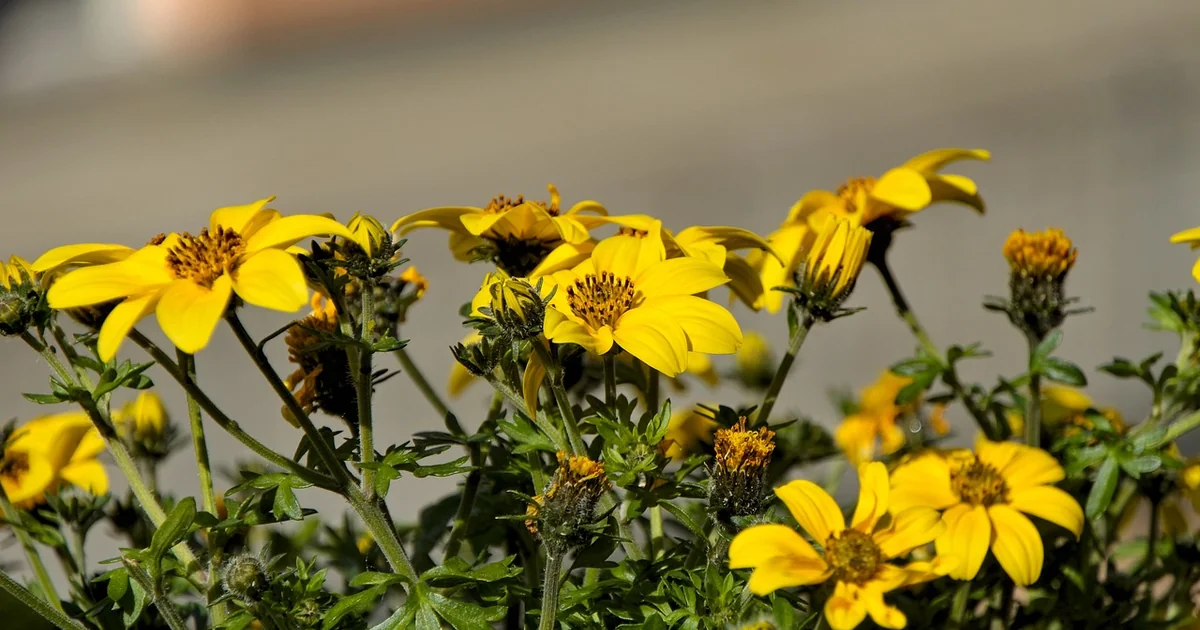
Although Bidens ferulifolia is technically a short-lived perennial in sufficiently mild climates, it is commonly grown as an annual where winters are cold. Modern cultivars have also expanded the familiar yellow-and-gold color palette with orange, red, pink, white, and bicolored flowers.
Why are bidens so good for hanging baskets?
The natural shape of many bidens cultivars makes them especially useful in elevated containers. Instead of growing strictly upright, their stems spread outward and then trail over the edge, creating a soft cascade of flowers.
Some cultivars are vigorous trailers, while newer selections are bred for a more controlled, compact habit. That means you can choose a plant based on the effect you want: a long waterfall of stems from a large basket or a tidier mound for a smaller patio container.
Bidens also work well as the trailing or filling component of mixed planters. They can be combined with other sun-loving annuals as long as their companions have similar requirements for drainage, moisture, and light.
Choose a container with excellent drainage
Good drainage matters more than choosing a particular pot material. Bidens perform best in a container with drainage holes and a loose, well-drained potting mix. Avoid filling pots with ordinary garden soil, which can compact and hold too much water when confined to a container.
Amazon US Verified
Organic Perlite Horticultural Soil Conditioner
Lightweight volcanic mineral that improves root aeration and prevents compaction.
Container size should match the mature size of the cultivar. A compact bidens can thrive in a relatively small pot, while vigorous trailing varieties need considerably more root space. When planting mixed containers, check the plant tag for mature spread and spacing rather than assuming all bidens grow to the same dimensions.
How much sun do bidens need?
Full sun is the safest choice for abundant flowering. Many commercial bidens are recommended for locations receiving at least six hours of direct sun each day. The Royal Horticultural Society also recommends full sun for Bidens ferulifolia, together with moist but well-drained or well-drained soil.
Some cultivars tolerate partial sun, but flowering can be less impressive when light levels fall. If a balcony or patio receives only a few hours of direct light, check the requirements of the exact variety before planting.
South- and west-facing positions often provide the strongest light, although very exposed containers may dry more rapidly during hot weather. East-facing locations can also work when they receive enough direct sun.
What soil is best for growing bidens?
Bidens are adaptable plants, but their roots should not remain waterlogged. In containers, use a quality all-purpose potting mix that drains freely while still holding enough moisture to prevent rapid wilting.
In garden beds, well-drained soil is more important than trying to achieve an exact pH value. The RHS lists Bidens ferulifolia as tolerant of acidic, neutral, and alkaline conditions, so there is usually no reason to adjust soil pH specifically for this plant unless you already know your soil has an extreme problem.
If you have heavy clay that stays wet for long periods, growing bidens in raised beds or containers may be easier than trying to force the plant into poorly drained ground.
How often should you water bidens?
Established bidens can tolerate periods of dryness, and several modern cultivars are promoted as drought tolerant. That does not mean newly planted or container-grown bidens should be allowed to remain bone dry.
Water according to the moisture in the soil rather than following a rigid weekly schedule. Push a finger into the upper inch or so of the potting mix. If it feels noticeably dry, water thoroughly until excess moisture drains from the bottom of the container.
Hanging baskets usually dry faster than plants in the ground because they are exposed to wind and sun from several directions. During hot, dry weather, you may need to inspect them every day. A large basket may still retain moisture, while a small basket can become dry surprisingly quickly.
Avoid leaving pots standing continuously in water. Bidens prefer moisture combined with drainage rather than permanently saturated roots.
Do bidens need fertilizer?
Plants in containers eventually use up nutrients in their potting mix, especially when they are flowering continuously. A controlled-release fertilizer incorporated at planting or a suitable liquid fertilizer used according to its label can help maintain growth and flowering during the season.
Do not assume that more fertilizer automatically means more flowers. Excess feeding can encourage soft leafy growth and can create unnecessary salt buildup in containers. Follow the fertilizer manufacturer’s directions and adjust according to the size of your pot and the product being used.
Do you have to deadhead bidens?
Many modern bidens are notably low maintenance because they are self-cleaning. For example, Proven Winners lists its Goldilocks Rocks II Bidens ferulifolia as not requiring deadheading.
This makes bidens particularly useful in hanging baskets, where removing faded flowers individually can be inconvenient. Spent blossoms generally become less noticeable as fresh growth develops.
Deadheading requirements can still vary by cultivar, so use the plant label as your guide if you are growing an unfamiliar selection.
How do you keep bidens compact instead of leggy?
Good light is the first defense against stretched growth. Bidens grown in insufficient sunlight may produce longer stems with fewer flowers.
Young plants can also be pinched to encourage branching. The RHS specifically recommends pinching growing tips of some cultivars while plants are small to promote more stems and a balanced, compact shape.
To pinch a plant, remove the soft growing tip just above a set of leaves. New side shoots then develop below the cut, potentially producing a fuller plant with more flowering stems.
If a bidens becomes untidy later in the season, a moderate trim can often restore its shape. Avoid removing excessive growth during extreme heat or when the plant is already stressed by drought.
Are newer bidens varieties better behaved?
Breeding has changed bidens considerably. Gardeners are no longer limited to loose-growing plants covered only in yellow flowers. Modern series offer different flower sizes, bicolors, compact forms, stronger branching, and habits designed specifically for containers.
For example, Suntory Flowers’ Beedance series includes compact bicolored hybrids intended for containers, hanging baskets, landscapes, and pollinator plantings. Its newer Beedance Petites series is even more compact, with plants bred to form small, controlled mounds.
Some cultivars are sterile
Seed production also depends on the cultivar. Traditional bidens are associated with seeds that can cling to fur or clothing, which is part of the reason some species are known as beggar’s ticks.
However, sterility should not be assumed for every modern bidens. Some named hybrids have specifically been bred not to set seed. The Beedance series, for example, is described by its breeder as sterile.
If avoiding self-seeding or sticky seed is important to you, check the label or breeder information for the exact cultivar instead of relying on the general name “bidens.”
You may also enjoy reading: Drivers Behind Indoor Plants Market Trends.
When should you plant bidens outdoors?
Bidens are not plants to expose casually to freezing conditions. In climates with cold winters, grow them as warm-season annuals and plant them outdoors after the risk of damaging frost has passed.
Harden off young plants before moving them permanently outdoors. Over several days, gradually expose them to longer periods of outdoor sun and wind. This reduces transplant stress compared with moving tender greenhouse-grown plants immediately into a bright, exposed garden.
Hardiness varies among species and cultivars, so broad claims such as “all bidens survive in the same USDA zone” can be misleading. Check the cultivar label if you intend to keep a plant outdoors through winter.
How to propagate bidens
Bidens can be propagated from seed or cuttings, depending on the cultivar. The RHS lists both seed and stem-cutting propagation for Bidens ferulifolia, while several modern hybrids are typically propagated vegetatively.
Growing bidens from seed
If you have a seed-grown variety, follow the instructions supplied with the seed packet for sowing depth, temperature, and timing. Requirements can differ among species and commercial strains, so a single germination recipe should not be applied to every bidens.
Keep young seedlings in bright light and consistently moist, but not saturated, growing medium. After frost danger has passed, acclimate them gradually before planting outdoors.
Growing bidens from cuttings
Stem cuttings can be used for suitable non-protected cultivars. Take healthy, non-flowering shoots, remove the lower leaves, and place the stems into a clean, well-drained propagation medium. Keep humidity reasonably high while roots develop without allowing the medium to become waterlogged.
Remember that patented or otherwise protected cultivars may have restrictions on unauthorized propagation. If you purchased a named commercial hybrid, check its label before reproducing it.
Can bidens attract pollinators?
Bidens can be useful in pollinator-friendly containers. Several commercial varieties are marketed for bees and butterflies, and breeder Suntory Flowers specifically lists its Beedance hybrids for pollinator plantings.
A sunny planter containing bidens alongside other nectar-rich flowers can extend the range of food sources available on a patio or balcony. For the greatest benefit, avoid unnecessary insecticide applications, particularly while flowers are open and insects are actively visiting them.
Common problems when growing bidens
Lots of leaves but few flowers
Check light first. Move the plant to a sunnier location if possible. Also reconsider heavy fertilizer applications, particularly products that encourage excessive leafy growth.
Plant looks wilted every afternoon
Feel the potting mix before watering. A hanging basket may simply be drying rapidly, but wilt can also occur when roots are damaged by persistently wet soil. Moisture level is a better diagnostic tool than appearance alone.
Amazon US Verified
Digital 3-in-1 Soil Moisture & pH Meter
Accurate probe to test deep root zone moisture and prevent accidental overwatering.
Stems are long and sparse
Insufficient light and lack of branching are common contributors. Increase sun exposure where practical and pinch or lightly trim healthy growth to encourage side shoots.
Plant suddenly declines after cold weather
Many commonly sold bidens are grown as tender seasonal plants. Cold tolerance varies, so protect containers when unexpectedly low temperatures are forecast and do not assume a summer bedding cultivar will survive winter outdoors.
Frequently asked questions about growing bidens
Can bidens grow in partial shade?
Some cultivars tolerate part sun, but full sun generally gives the strongest flowering. If you have only four to six hours of direct light, choose a cultivar whose label specifically lists part sun rather than assuming every bidens will perform equally well.
How often should I water bidens in a hanging basket during summer?
Check the soil frequently rather than watering by the calendar. During hot or windy weather, small hanging baskets may need water every day, while larger containers can remain moist longer. Water when the upper layer of potting mix begins to dry.
Are bidens drought tolerant?
Many are, once established. Both the RHS and commercial breeders describe certain Bidens ferulifolia cultivars as drought tolerant. Container plants still require regular attention because their limited volume of soil dries much faster than garden beds.
Are bidens invasive?
The answer depends on the species, cultivar, and location. Some seed-producing bidens can spread readily, while sterile hybrids do not set seed. If unwanted reseeding is a concern, choose a cultivar specifically identified as sterile and check local invasive-plant guidance before planting unfamiliar species.
Do bidens come back every year?
In cold climates, they are usually grown as annuals and replaced after winter. In sufficiently mild conditions, some forms can behave as short-lived perennials. The safest approach is to check the hardiness information for the exact plant you are buying.
How to get the best display from bidens
For a reliable season of flowers, give bidens plenty of sun, a freely draining container, and enough water to prevent prolonged drought. Choose the cultivar carefully because modern bidens differ substantially in size, habit, flower color, seed production, and cold tolerance.
The combination of trailing growth, strong flowering, heat tolerance, and relatively simple maintenance explains why bidens remain particularly well suited to hanging baskets and patio pots. Start with the right variety and good drainage, then let the plant’s natural spreading habit do much of the decorative work.
As an Amazon Associate, azuloz.com earns from qualifying purchases.