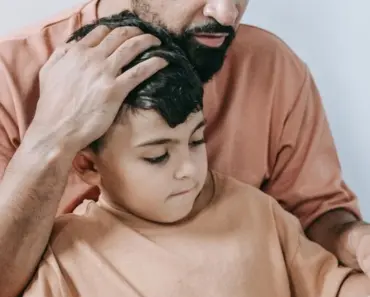
The image of the hovering parent, constantly watching and intervening, is a familiar one. This parenting style, often characterized by an intense desire to protect children from any potential hardship, can stem from a place of deep love and concern. However, while well-intentioned, this approach can inadvertently hinder a child’s development of essential life skills like independence, resilience, and self-reliance. This article delves into the characteristics of helicopter parenting, explores the underlying reasons it arises, and offers practical strategies for parents seeking a more balanced approach to raising their children.

What is a Helicopter Parent?
Helicopter parenting describes an overprotective and highly involved parenting style. These parents tend to pay extremely close attention to their children’s activities and schoolwork, often intervening in situations where a child could benefit from facing challenges independently. They may strive to shield their children from disappointment and ensure their success, sometimes to an excessive degree. “These parents tend to be overprotective and worry excessively about their children,” says Michelle M. Reynolds, PhD, a clinical psychologist and founder of LifeCatalyst: Therapy and Coaching. The term “helicopter parent” was first coined in 1969 by Dr. Haim Ginott in his book “Between Parent and Teenager.” A notable anecdote from the book described a teenager whose mother hovered over him like a helicopter. Similar terms like “lawnmower parent,” “cosseting parent,” or “bulldoze parenting” are also used to describe this behavior.
What are the Signs of Helicopter Parenting?
Recognizing the signs of helicopter parenting signs is crucial for both parents and children. While occasional support is natural, a pattern of overinvolvement indicates a potential need for adjustment. Here are seven key indicators:
1. Over-involvement in Schoolwork
Helicopter parents frequently take a very active role in their child’s academic life. This can manifest in numerous ways. They might contact teachers frequently to inquire about grades or assignments, attend parent-teacher conferences excessively, or even directly intervene with teachers regarding grading policies. They might also spend significant time helping with homework, not just offering guidance but often completing assignments for their children. While support is valuable, this level of involvement can prevent children from learning to manage their own academic responsibilities and develop problem-solving skills. This can extend to high school or college-aged students who might need help calling a professor about a poor grade, arranging a class schedule, or managing their exercise habits.
2. Shielding from Failure and Discomfort
A primary motivation for helicopter parenting is often a desire to protect children from experiencing negative emotions like disappointment or failure. This can lead parents to step in and prevent their children from facing setbacks. For instance, if a child doesn’t make the sports team, a helicopter parent might try to convince the coach to reconsider or offer constant reassurance, rather than allowing the child to process the disappointment and learn from the experience. Many of the consequences parents are trying to prevent—unhappiness, struggle, not excelling, working hard, no guaranteed results—are great teachers for kids and not life-threatening. This constant shielding can hinder a child’s ability to develop resilience and coping mechanisms.
3. Micromanaging Social Interactions
Helicopter parents often exert significant control over their child’s social life. They might dictate who their child can befriend, choose their extracurricular activities, or even mediate conflicts with peers. They might pressure their children to participate in specific activities or social circles, believing they know what’s best for them. This level of control limits a child’s ability to navigate social situations independently, build healthy relationships, and learn valuable social skills such as negotiation and conflict resolution. In elementary school, for example, a helicopter parent might work to ensure a child gets a specific teacher or coach, select the child’s friends and activities, or provide disproportionate help with homework and school projects.
4. Excessive Worry and Anxiety Projection
The underlying driver of many helicopter parenting signs is often parental anxiety. Parents who are highly anxious about their child’s well-being may project their worries onto their children, leading to overprotective behaviors. They might constantly ask about their child’s whereabouts, monitor their online activity, and exhibit excessive concern over minor issues. This can create a climate of fear and dependence, preventing children from developing the confidence to handle challenges on their own. This anxiety can be fueled by various factors, including a fear of dire consequences, feelings of personal anxiety, or a desire to overcompensate for perceived shortcomings.
5. Taking Over Tasks the Child Can Handle
Helicopter parents frequently step in to take over tasks that their children are perfectly capable of managing themselves. This could range from organizing their schedule to managing their finances. While the intention might be to ease their child’s burden, it prevents the child from learning essential life skills and developing a sense of responsibility. This can be particularly evident in older children or teenagers who are capable of managing their own affairs but still receive excessive assistance. “Just like lawnmower parents, who tend to give their kids very little independence, they’re known to micromanage their children and become extremely entwined in every aspect of their lives.”
6. Difficulty Allowing for Mistakes
A hallmark of helicopter parenting is a reluctance to allow children to make mistakes. Mistakes are a natural part of the learning process, and they provide valuable opportunities for growth and development. Helicopter parents often view mistakes as failures and actively try to prevent them from occurring. This can prevent children from learning from their errors, developing problem-solving skills, and building resilience. “Ann Dunnewold, PhD, a licensed psychologist and author of Even June Cleaver Would Forget the Juice Box, says that helicopter parenting is simply over-parenting. “It means being involved in a child’s life in an excess of control, overprotection, and perfectionism—in a way that’s more than responsible parenting,” she explains.
7. Constant Monitoring and Checking In
Helicopter parents often engage in constant monitoring of their child’s activities, frequently checking in to ensure everything is going smoothly. This can involve frequent phone calls, text messages, or visits. While staying connected is important, excessive monitoring can be intrusive and undermine a child’s sense of autonomy. It sends the message that the parent doesn’t trust the child to handle things independently. Dr. Deborah Gilboa, a resilience expert, notes that “you can easily feel that if you’ve done more to help your kids, you’ll prevent them from ever being hurt or disappointed.”
What Causes Helicopter Parenting?
Several factors can contribute to the development of helicopter parenting signs. Understanding these underlying causes can help parents address the root of the issue.
Fear of Dire Consequences
A primary driver of helicopter parenting is often a deep-seated fear that their child will experience negative consequences, such as academic failure, social rejection, or even physical harm. This fear can stem from personal experiences, societal pressures, or media portrayals of dangers facing children. This fear can manifest as an overprotective approach, leading parents to intervene in situations that a child could reasonably handle on their own.
Feelings of Anxiety
Parental anxiety plays a significant role in helicopter parenting. Parents who experience high levels of anxiety may feel compelled to control every aspect of their child’s life in an attempt to alleviate their own worries. This anxiety can be exacerbated by societal pressures and the constant stream of information about potential risks facing children.
Overcompensation
Sometimes, helicopter parenting arises from a desire to overcompensate for perceived shortcomings in their own parenting or childhood. Parents who felt deprived of independence or support as children might strive to provide their own children with excessive attention and control.
Peer Pressure from Other Parents
The prevalence of helicopter parenting can sometimes be fueled by peer pressure. When parents observe other parents engaging in highly involved parenting behaviors, they may feel pressured to do the same, believing it’s the best way to ensure their child’s success. This can create a cycle of over-involvement where parents feel compelled to keep up with the perceived standards of other families.
How to Break the Cycle of Helicopter Parenting
Breaking free from helicopter parenting requires a conscious effort and a willingness to trust your child’s abilities. Here are some practical steps parents can take:
Allow for Age-Appropriate Risks
Resist the urge to shield your child from all potential risks. Allow them to experience age-appropriate challenges and make mistakes. For example, let a child walk to school with friends or participate in activities that involve a degree of risk, such as learning to ride a bike. This fosters resilience and problem-solving skills.
You may also enjoy reading: Have I Taken Body Positivity Too Far With My Kids? 7 Signs.
Encourage Problem-Solving
When your child encounters a problem, resist the urge to immediately offer a solution. Instead, encourage them to brainstorm potential solutions on their own. Ask open-ended questions like, “What do you think you could do?” or “What are some possible ways to handle this?”
Promote Independence
Gradually increase your child’s independence by assigning them age-appropriate responsibilities and allowing them to make their own decisions. Start with small tasks and gradually increase the level of responsibility as they demonstrate competence.
Focus on Effort, Not Just Outcomes
Praise your child’s effort and perseverance, rather than solely focusing on the outcome. Recognize and acknowledge the hard work they put into a task, even if the result isn’t perfect. This helps them develop a growth mindset and a willingness to embrace challenges.
Resist the Urge to Intervene
It can be difficult to watch your child struggle, but resist the urge to intervene unless absolutely necessary. Allow them to work through their problems and learn from their mistakes. Offer support and guidance when needed, but avoid taking over completely.
Practice Self-Care
Addressing helicopter parenting often requires parents to address their own anxieties and insecurities. Prioritize self-care activities that help you manage stress and reduce anxiety. This will enable you to approach parenting with a calmer and more balanced perspective. Consider speaking with a therapist or joining a support group to address underlying anxieties.
Ultimately, fostering independence in children is about building their confidence and equipping them with the skills they need to navigate the world successfully. While it’s natural to want to protect our children, allowing them to face challenges and learn from their mistakes is essential for their long-term growth and well-being. By understanding the helicopter parenting signs and taking proactive steps to shift towards a more balanced approach, parents can empower their children to become resilient, capable, and confident individuals.
References
Gilboa, D. (n.d.). Helicopter Parenting. AskDoctorG. Retrieved from [https://www.askdoctorg.com/helicopter-parenting/](https://www.askdoctorg.com/helicopter-parenting/)
Dunnewold, A. (2017). Even June Cleaver Would Forget the Juice Box: A Parent’s Guide to Raising Independent Children. Piper Books.
Ginott, H. (1969). Between Parent and Teenager. New York: Basic Books.
Reynolds, M. M. (n.d.). Michelle M. Reynolds, PhD. LifeCatalyst. Retrieved from [https://lifecatalyst.com/about-michelle-m-reynolds/](https://lifecatalyst.com/about-michelle-m-reynolds/)
Keywords
helicopter parenting signs, overparenting, child development, parenting styles, child resilience, parental anxiety, independence, child well-being, parenting tips