Why Gardeners Are Learning to Love the Baby Alligators of the Insect World
Walk through a vegetable patch in early summer and you might spot something startling on a leaf. A black, spiny, vaguely reptilian creature no bigger than your fingernail. It looks like a tiny alligator that somehow ended up among the tomatoes. Many gardeners instinctively reach for a glove or a spray bottle at the sight. But that reaction is exactly the opposite of what your garden needs. That strange-looking creature is a ladybug larvae garden dweller, and it is one of the most effective natural pest controllers you could hope to host.
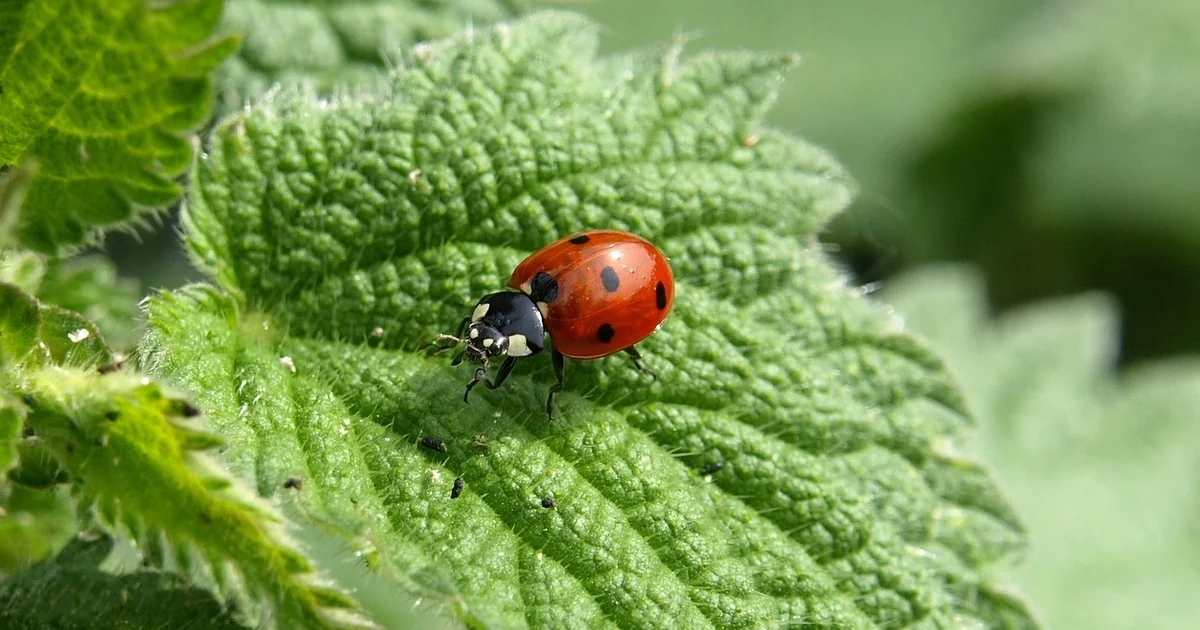
The adult ladybug gets all the glory. Its bright red shell and cheerful spots make it a beloved symbol of good luck. But the larval stage is where the real work happens. While the adult ladybug eats around 50 aphids per day, a single larva consumes roughly 400 aphids in the three weeks before it pupates. That is a staggering difference. Understanding what these larvae look like, how they behave, and why they matter can transform the way you manage pests without chemicals.
Below are five surprising benefits that come from welcoming these overlooked helpers into your outdoor space. Each one challenges the common assumption that a garden must look pristine to be healthy.
The Hidden Strength of the Ladybug Larva
Before diving into the benefits, it helps to understand what you are looking for. A ladybug larvae garden visitor is about half an inch long. Its body is elongated and covered in tiny spiky projections. The base color is black, with patches of red, orange, or white running along the sides. It moves with a deliberate, crawling gait and spends almost all its time hunting. Unlike the adult, it cannot fly. That means it stays put and cleans up every pest it can reach in its immediate area.
The life cycle explains why these larvae are so valuable. A female lady beetle lays between five and thirty eggs under a leaf. Some of those eggs are infertile and serve as the first meal for the hatchlings. After two to ten days, the larvae emerge and begin feeding immediately. They molt four times as they grow. For the common sevenspotted lady beetle, the entire journey from egg to adult takes about six weeks. The larval stage alone lasts roughly three weeks, and during that window the insect eats constantly.
One female can lay up to 1,000 eggs over a three-month period. That means a single well-fed ladybug can seed an entire season of pest control without any effort from you. The larvae cannot fly away, so they concentrate their feeding in the area where they hatched. This makes them far more reliable than purchased adult ladybugs, which often fly off within days of release.
5 Surprising Benefits of Hosting Ladybug Larvae
Each of the following benefits addresses a specific challenge that gardeners face. Whether you struggle with aphids, scale insects, or simply want to reduce your reliance on chemical sprays, these points will show you why the larvae are worth protecting.
1. They Consume More Pests Per Day Than Adult Ladybugs
The most obvious benefit is also the most dramatic. An adult ladybug eats about 50 aphids per day. A larva, in contrast, consumes roughly 133 aphids per day during its active feeding period. Over the full three-week larval stage, that adds up to around 400 aphids. If you do the math, a single batch of ten larvae can eliminate 4,000 aphids before they even become adults.
This matters because aphids reproduce at an alarming rate. A single aphid can produce dozens of offspring in a week under warm conditions. If you rely only on adult ladybugs, you need a large population to keep up. Larvae, because they feed so aggressively and cannot leave, provide a concentrated attack that matches the speed of aphid reproduction more closely.
For the sevenspotted lady beetle, development from egg to adult takes about six weeks. During the larval portion of that timeline, the insect is essentially a eating machine with legs. It does not mate. It does not search for a place to overwinter. It only feeds. That single-minded focus makes it the most efficient predator in your garden during early summer.
2. They Target Pests That Adults Often Ignore
Aphids are the main course, but larvae do not stop there. If aphid populations are low, ladybug larvae garden residents will expand their menu. They eat soft scale insects, whitefly pupae, thrips, and spider mites. These are pests that many other beneficial insects overlook or cannot handle. Spider mites, in particular, are notorious for developing resistance to chemical miticides. Larvae simply eat them one by one, with no resistance issues.
Soft scale insects are another problem that larvae handle well. Scale insects attach themselves to stems and leaves, sucking sap and weakening the plant. Their waxy coating makes them difficult for sprays to penetrate. But a ladybug larva crawls right up to them and bites through that coating. The larva does not care about wax or armor. It only cares about protein.
Whitefly pupae are also on the menu. Whiteflies are a persistent greenhouse and garden pest that can quickly get out of hand. Larvae patrol the undersides of leaves where whiteflies hide, consuming pupae before they can emerge as adults. This breaks the life cycle and reduces the next generation without any chemical intervention.
If you grow tomatoes, squash, or beans, you have likely encountered one or more of these pests. Encouraging ladybug larvae is a practical, low-cost way to manage them all at once.
3. Their Unusual Appearance Deters Larger Predators
This benefit is one that most gardeners never consider. The spiky, alligator-like look of the larva is not random. It is an evolutionary defense. Many birds and larger insects avoid eating ladybug larvae because they resemble something dangerous. The black body with bright orange or red markings mimics the coloration of toxic or stinging insects. This is known as aposematic coloration, and it works.
Because the larva looks threatening, it faces less predation than many other garden insects. That means more of them survive to pupate and become adults. For the gardener, this translates into a higher survival rate for your pest-control workforce. You do not need to buy as many beneficial insects because the ones you already have are less likely to be eaten by birds, wasps, or spiders.
This benefit also means you can plant a diverse garden without worrying that predators will wipe out your ladybug population. Flowers like dill, fennel, and yarrow attract predatory wasps that eat aphids. Those same wasps might eat small caterpillars, but they generally leave ladybug larvae alone because of the visual warning. You get a layered defense system where different beneficial insects complement each other.
4. They Signal a Healthy, Chemical-Free Garden Ecosystem
If you see ladybug larvae in your garden, it is a strong indicator that your ecosystem is functioning well. Larvae are extremely sensitive to insecticides, including many organic options like neem oil and insecticidal soaps. When these products are sprayed, larvae die along with the pests. Their presence tells you that you have avoided chemical treatments long enough for a natural predator-prey balance to establish.
This matters because many gardeners spray first and ask questions later. A single application of a broad-spectrum insecticide can wipe out not only aphids but also the larvae that would have controlled them for weeks. The result is a rebound effect where aphids return faster than predators, leaving you stuck in a cycle of spraying. Ladybug larvae break that cycle when they are present in sufficient numbers.
To protect them, you need to change how you think about pest management. Instead of reaching for a spray at the first sign of aphids, wait and watch. If you see larvae, let them work. They need about three weeks to clean up a moderate infestation. During that time, the plants may look a little ragged, but they will recover. The payoff is a garden that regulates itself without your constant input.
A shallow saucer of water, changed every few days to prevent mosquitoes, gives the larvae the hydration they need. Planting pollen-rich flowers like calendula, cosmos, and sweet alyssum provides adult ladybugs with food so they stick around to lay more eggs. These simple steps create conditions where larvae can thrive.
5. They Provide Continuous Pest Control Across the Season
Adult ladybugs are migratory. They can fly away at any time, especially if food runs low or temperatures rise. Larvae cannot fly. They are anchored to the area where they hatched until they pupate. This gives you a window of at least three weeks where pest control is guaranteed in that specific location.
You may also enjoy reading: 5 Crucial Azalea Care Tasks for May.
Because a single female can lay up to 1,000 eggs over three months, you can get overlapping generations of larvae throughout the growing season. Early batches hatch in June and July. Later batches follow as long as food and conditions remain favorable. This creates a rolling wave of predation that adapts to pest populations as they rise and fall.
Compare this to buying adult ladybugs from a supplier. Those adults are often collected from wild overwintering sites and shipped to you. They arrive stressed and hungry. Many fly away within 48 hours of release. Studies have shown that less than 5 percent of purchased ladybugs remain in the garden after one week. Larvae that hatch from eggs laid in your garden have no reason to leave. They are born there, they feed there, and they pupate there.
To maximize this benefit, avoid disturbing the area where you see eggs or larvae. Do not prune heavily during June and July. Leave some weeds like dandelion and clover in the margins of your garden, as they host aphids that feed the larvae. The goal is to create a stable environment where the ladybug life cycle can complete itself naturally.
How to Identify Ladybug Larvae Correctly
Mistaking a ladybug larva for a pest is the most common reason gardeners accidentally kill them. The black, spiky body does look similar to some destructive insects, especially the larvae of certain beetles and sawflies. But there are reliable ways to tell them apart.
Ladybug larvae have a distinct shape. They are elongated with a visible head and three pairs of prominent legs near the front. The body tapers slightly toward the rear. The surface is covered in small, branched spines that are soft to the touch but look fierce. The color pattern is almost always black with patches of bright red, orange, yellow, or white. These markings are not random; they form a consistent pattern for each species.
In contrast, many pest larvae are smooth, green, or brown, and they often have more legs. Caterpillars, for example, have prolegs along the entire length of the body. Ladybug larvae have only six true legs at the front. If you flip the insect over gently, you will see the difference clearly.
Another clue is behavior. Ladybug larvae are active hunters. They move steadily along stems and leaves, stopping to inspect prey. They do not spin webs or create shelters. If you see a small black insect crawling purposefully and eating aphids, it is almost certainly a ladybug larva. Leave it alone.
Creating the Right Environment for Ladybug Larvae
Encouraging ladybug larvae garden populations requires a shift in habits. The most important step is eliminating insecticides. Even products labeled organic can kill larvae on contact. Neem oil, for example, suffocates soft-bodied insects, and larvae are soft-bodied during their early stages. Insecticidal soaps disrupt cell membranes and are non-selective. If you must treat a severe infestation, spot-treat only the affected plant and avoid spraying the surrounding area.
Plant diversity is the next priority. Adult ladybugs need pollen and nectar to stay healthy and produce eggs. Without these food sources, they will leave or fail to reproduce. Good choices include angelica, calendula, coreopsis, cosmos, dill, chives, marigold, sweet alyssum, and yarrow. Plant these in clusters near your vegetable beds to draw adults in and encourage them to lay eggs nearby.
Water is another essential. Lady beetles and their larvae need moisture. A shallow saucer filled with pebbles and water gives them a place to drink without drowning. Change the water every two to three days to prevent mosquitoes from breeding. Place the saucer in a sunny spot near flowering plants for best results.
Finally, provide overwintering habitat for adult ladybugs. They hibernate in dry, protected places like loose bark, rock piles, or the crevices of wooden fences. Leaving some garden debris in place through the winter gives them a place to shelter. In early spring, they emerge and start laying eggs immediately, giving you an early start on pest control.
Common Misconceptions About Ladybug Larvae
One persistent myth is that ladybug larvae are called nymphs. This is incorrect. Nymphs are the immature stage of insects that undergo simple metamorphosis, meaning they look like smaller versions of the adult. Grasshoppers and true bugs have nymphs. Ladybugs undergo complete metamorphosis with four distinct stages: egg, larva, pupa, and adult. The larva looks nothing like the adult, so the term nymph does not apply.
Another misconception is that ladybugs lay eggs inside homes. This is rare. Ladybugs prefer to lay eggs on plants where food is abundant. If you find ladybugs indoors during winter, they are adults that crawled in seeking warmth. They will not lay eggs inside because there are no aphids for the larvae to eat. Simply sweep them out gently in spring.
Some gardeners also worry that ladybug larvae will bite humans. They do not. The larvae have chewing mouthparts designed for piercing aphid exoskeletons. They have no interest in human skin and cannot break it if they tried. You can handle them gently with bare hands if needed, though it is better to leave them undisturbed.
Finally, not all ladybug species are equally beneficial. The Asian lady beetle, also called the harlequin ladybird, is larger and more aggressive than native species. It congregates in large clusters and can become a nuisance indoors. Native species like the sevenspotted lady beetle and the convergent lady beetle are better choices for garden biocontrol. When purchasing ladybugs, ask the supplier which species they offer and choose native options when available.