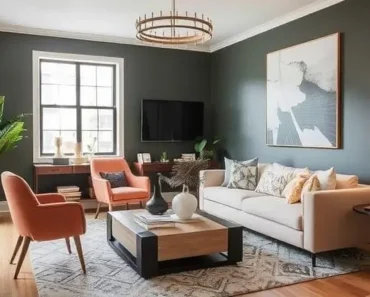
A successful living room refresh does not require new furniture or a major renovation. Start by improving the layout, lighting, color balance, and the way you display the things you already own. Even one or two thoughtful changes can make the room feel more comfortable, spacious, and personal.
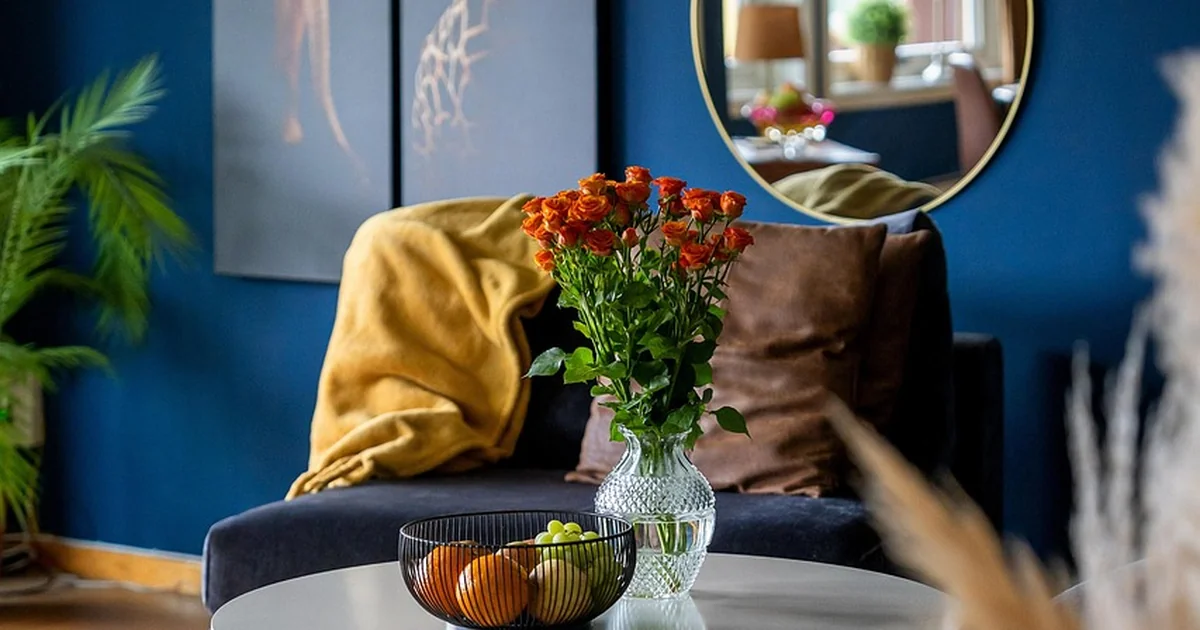
Start With a Quick Living Room Audit
Before buying anything, stand at the room’s entrance and notice what catches your eye. Is the walkway blocked? Does the television dominate the space? Is one corner dark while another feels crowded? Identifying the room’s biggest problem helps you spend your time and budget where they will matter most.
Remove items that belong elsewhere, then temporarily clear small accessories from tables and shelves. This visual reset makes it easier to see the room’s proportions. Decide what the room needs to support—conversation, television, reading, children’s play, entertaining, or several of these activities—before rearranging it.
Float Furniture to Create a Better Layout
Pushing every piece against the walls can leave an awkward empty zone in the middle and make conversation difficult. When space allows, pull the sofa slightly forward or angle a chair toward the main seating area. The goal is not simply to move furniture away from the wall; it is to form a comfortable conversation zone while keeping clear paths through the room.
In a long or open-plan room, a floating sofa can also act as a subtle divider. Place a slim console behind it to create a finished boundary and provide space for a lamp, books, or a small tray. In a compact room, a few inches may be enough. Measure first so doors, drawers, and walkways remain usable.
Use a Rug to Connect the Seating
A rug helps separate the seating area from the surrounding floor. If possible, choose a size that allows at least the front legs of the sofa and chairs to rest on it. A rug that sits like a small island under the coffee table can make the furniture feel disconnected. If your current rug is too small, layering it over a larger neutral rug can create better proportions without wasting a piece you already like.
Build a Color Plan From What You Already Have
You do not need to replace everything to make the room cohesive. Choose one existing item—such as a rug, patterned pillow, artwork, or curtain—and pull two or three colors from it. Repeat those shades in small amounts around the room. This creates a visual thread without making every item match.
Add an Accent Wall With Purpose
An accent wall works best when it emphasizes a natural focal point, such as a fireplace, built-in shelves, or the wall behind the sofa. Paint is usually the simplest option, while removable wallpaper can introduce pattern in a rental. Test a large sample and observe it in morning and evening light before committing; colors often look different as the light changes.
If the room already contains a bold sofa, patterned chairs, or colorful artwork, neutral walls may provide better balance. Statement furniture needs visual space around it. Repeating one of its colors in a throw, vase, or artwork is often enough to make it feel intentional.
Layer the Lighting Instead of Relying on One Fixture
A single ceiling light rarely supports every activity. A more comfortable room combines ambient light for general visibility, task light for reading or hobbies, and accent light to highlight art or architectural details. Try a floor lamp near a chair, a table lamp on a console, and a dimmable overhead fixture. Bulbs with a similar color appearance keep the room from looking patchy.
Make the Ceiling Fixture Part of the Design
A dated flush mount can be replaced with a sculptural pendant, multi-bulb fixture, or ceiling fan that suits the room’s scale. In an older home, a decorative ceiling medallion can provide attractive contrast with a simple contemporary fixture. Do not assume an existing electrical box can support a ceiling fan: use a fan-rated box and appropriate mounting hardware. If the wiring or support is uncertain, hire a qualified electrician and follow local requirements.
Add Flexible Seating Without Crowding the Room
Poufs, stools, and benches are useful when the living room needs to adapt. A pouf can become a footrest or occasional seat, while a bench can sit below a window, behind a sofa, or along an unused wall. Choose pieces that are light enough to move and proportionate to the main furniture.
Storage ottomans are especially practical in family rooms because they can conceal blankets, toys, or games. A tray can turn a firm ottoman into a temporary coffee table, but it should remain stable and easy to remove when extra seating is needed.
Create an Art Display That Can Change With You
A picture ledge offers more flexibility than a fixed gallery wall. Lean frames of different heights against the wall, overlap them slightly, and mix photographs with prints or children’s art. Keeping one element consistent—such as frame color, subject, or palette—prevents the arrangement from looking accidental.
Secure the ledge properly for the wall type and keep heavy, glass-fronted frames away from places where they could be knocked down. Renters can use removable hooks for lightweight art, provided the product is appropriate for the wall finish and its weight limit is followed.
Use Contrast to Give a Neutral Room Definition
Beige, cream, white, and gray rooms often need darker details to keep them from feeling washed out. Black window frames can create strong architectural contrast, but painting the frames is not the only option. A dark curtain rod, lamp, side table, frame, or thin line in a rug can produce a similar effect with less commitment.
Distribute dark accents in several areas rather than concentrating them in one corner. This helps the eye travel through the room. Warm wood, woven baskets, linen, and plants can then soften the contrast and add texture.
Consider Curves Before Replacing the Sofa
A curved sofa can soften a room dominated by straight walls and rectangular furniture, but it needs enough clearance to appreciate its shape. It may also offer less straightforward seating than a conventional sectional. Mark the footprint on the floor with painter’s tape before buying so you can test circulation and table placement.
You can introduce the same effect at lower cost with a round coffee table, drum side table, arched mirror, curved-back chair, or globe lamp. Repeating two or three rounded forms creates a gentler look without requiring a large furniture purchase.
Refresh Surfaces Without Adding Clutter
Bookshelves and coffee tables look more considered when every surface is not filled. Group small objects on a tray, vary the height of displayed pieces, and leave some open space. Shop your home for books, bowls, pottery, branches, and framed photographs before buying new decor.
Textiles provide another quick update. Wash or steam curtains, rotate pillow covers, fold a throw neatly, and replace worn lampshades. These modest changes often make the room feel cleaner and brighter because they improve the details you see and touch every day.
You may also enjoy reading: 7 Controversial Trends in Modern Day Home Design.
Choose the Right Refresh for Your Budget
- No-cost update: Declutter, rotate accessories, change the furniture layout, and clear the walkways.
- Small-budget update: Add pillow covers, paint, a picture ledge, a lamp, or a removable wall treatment.
- Midrange update: Invest in a properly sized rug, window treatments, an accent chair, or upgraded lighting.
- Larger update: Replace the sofa or choose a new statement fixture only after confirming measurements, scale, and installation needs.
A Simple Weekend Refresh Plan
- Photograph the room and identify its main layout or lighting problem.
- Remove clutter and temporarily clear decorative surfaces.
- Measure the room and rearrange the seating around its main purpose.
- Choose a limited palette based on one item you already own.
- Improve lighting with at least one task or accent lamp.
- Return only the accessories that add function, color, texture, or meaning.
The most effective living room refresh is not the one with the most new purchases. It is the one that makes the space easier to move through, more comfortable to use, and more reflective of the people who live there. Begin with the layout, make one high-impact change, and live with it before deciding what the room needs next.