Is Matching Furniture Outdated? How to Create a More Collected, Cohesive Room
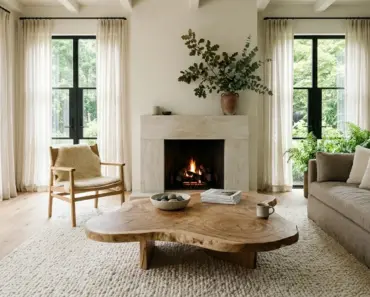
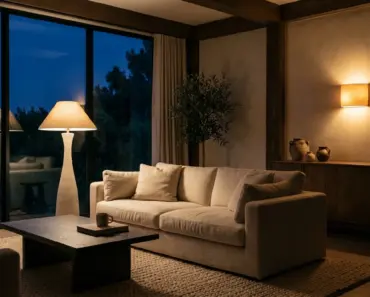
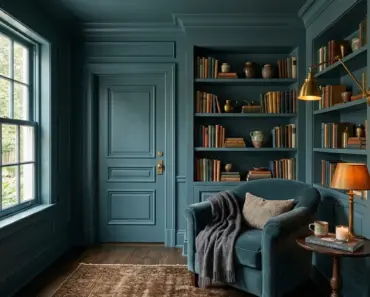
Matching furniture sets are no longer the default choice among many interior designers. A room where every table, chair, dresser, and bed shares the same finish can feel flat or showroom-like. The more current approach is to coordinate furniture through color, proportion, texture, and repetition without making every piece identical.
Amazon US Verified
Peel and Stick Textured Linen Wallpaper
Removable neutral wall covering providing architectural warmth and tactile depth.
That does not mean matching furniture is automatically unattractive—or that you must replace a set you already enjoy. The real goal is to make your home feel intentional, comfortable, and personal rather than governed by a decorating rule.

Is matching furniture outdated?
Complete furniture suites can look dated when every piece repeats the same material, color, shape, and decorative details. This level of uniformity leaves little room for contrast, which is what helps individual furnishings stand out.

Amazon US Verified
Hang-O-Matic All-in-One Picture Hanging Tool
Tape measure, sliding level, and markers in one tool for flawless gallery walls.
Interior designers Katherine Moore of Murphy & Moore and Kim Dee of Kim Dee Designs recommend coordinating pieces rather than matching them exactly. In their advice about the matching-furniture look, they emphasize varied shapes, materials, and styles as ways to create depth and a more personal result.
However, the answer is not an unconditional yes. A matching set can still work when:
- The pieces have distinctive craftsmanship or a strong historical design.
- The room includes enough contrasting textiles, artwork, lighting, and accessories.
- Only two or three related pieces are used rather than an entire coordinated suite.
- The consistent finish creates welcome calm in a small or visually busy room.
- You genuinely like the furniture and it functions well for your household.
The outdated part is not coordination itself. It is the assumption that every major item must come from the same collection for a room to look finished.
Why matching furniture sets became so popular
Matching sets solve a practical problem: they make furnishing a room fast and predictable. Instead of comparing dimensions, undertones, materials, and design periods, you can make one purchase and know that the pieces share a visual language.
This convenience can be especially appealing when moving into a first home, furnishing several rooms at once, or shopping under time pressure. Retailers also make sets easy to visualize by displaying complete bedroom, dining, and living-room arrangements together.
The tradeoff is that convenience can limit personality. When the bed, dresser, chest, mirror, and nightstands all repeat the same finish and details, the furniture may dominate the room instead of supporting the people who live there.
Coordinated versus matching: what is the difference?
| Matching room | Coordinated room |
|---|---|
| Furniture comes primarily from one collection. | Pieces may come from different stores, periods, or makers. |
| Finishes and decorative details repeat exactly. | Materials relate through compatible colors or undertones. |
| Most silhouettes have similar visual weight. | Heavy and light forms are deliberately balanced. |
| Variation comes mainly from accessories. | Furniture, textiles, lighting, and art all contribute contrast. |
| The room looks complete immediately. | The room can evolve gradually as useful pieces are added. |
A coordinated room still needs connections between its parts. Those connections might be a repeated color, similar curves, compatible wood undertones, or metal finishes echoed in several locations. The relationship is visible, but it does not look copied and pasted.
How to mix furniture without making the room look chaotic
Begin with one anchor piece
Choose the largest or most visually important item as the room’s foundation. In a living room, this is usually the sofa, rug, or media unit. In a bedroom, it may be the bed or dresser. Let its scale, color, or design direction guide the remaining choices.
You do not need every new item to resemble the anchor. Instead, each one should share at least one connection with the room, such as a recurring color, compatible proportion, or repeated material.
Limit the color palette
A restrained palette gives you more freedom to vary furniture styles. For example, a room built around cream, warm brown, muted green, and black can accommodate a contemporary sofa, an antique wood table, and a metal floor lamp without appearing disjointed.
Repeat the main colors in different places rather than concentrating each color in a single object. A black chair frame might relate to a black picture frame and the base of a lamp, helping the room feel intentional.
Balance visual weight
Visual weight describes how heavy or dominant an object appears. A dark, solid cabinet carries more visual weight than a pale table with narrow legs, even when their physical dimensions are similar.
If one side of the room contains a bulky sectional and a substantial bookcase, adding several other heavy pieces nearby can make the arrangement feel crowded. Create balance with open-legged tables, glass, lighter upholstery, or furniture that exposes more floor.
Mix shapes as well as finishes
Contrast works best when it appears deliberate. Place a rounded side table beside a straight-lined sofa, or soften a rectangular bed with curved lamps and an upholstered bench. Repeating one shape elsewhere—such as another circular object in a mirror or ceiling light—helps the contrast feel connected.
Use textiles to bridge different styles
Rugs, curtains, bedding, throws, and upholstered pieces can connect furniture that would otherwise seem unrelated. A rug containing both the dresser’s warm brown and the nightstand’s darker tone creates a visual bridge between them.
Textiles are also useful when furniture and flooring have competing finishes. Creating separation with a rug prevents two wood surfaces from touching directly and makes their differences appear more intentional.
How to mix wood tones successfully
Different woods can make a room feel warmer and more layered, but simply adding as many finishes as possible rarely produces a cohesive result. Use a dominant wood tone, then introduce one or two supporting tones with clear contrast.
Identify the dominant wood
Your dominant tone may come from the floor, cabinetry, dining table, bed, or another large surface. You do not need to reproduce it exactly. Treat it as the starting point for deciding whether additional woods should be lighter, darker, warmer, or more neutral.
Look at undertones, not species names alone
Stain and finish can change the appearance of a wood considerably. Instead of assuming every oak or walnut piece will coordinate, look for the color beneath the surface:
- Warm undertones lean yellow, orange, or red.
- Cool undertones lean gray or slightly blue.
- Neutral undertones are less strongly warm or cool and can help connect contrasting finishes.
Woods do not need identical undertones, but they should look deliberate together. When two finishes are almost the same color but not quite, the difference can resemble a failed match. A clearer light-versus-dark contrast is often easier to style.
Repeat secondary finishes
If you introduce a dark wood side table into a room dominated by pale oak, echo that darker value in a frame, stool, tray, or lamp base. Small repetitions distribute the finish across the room so it does not look accidental.
How to update a matching furniture set you already own
You do not need to discard useful furniture to achieve a more collected room. Start with the least expensive or disruptive changes and evaluate the room before replacing anything substantial.
Separate the pieces
A set becomes less obvious when its components are not clustered together. Move one bedroom nightstand into a guest room, hallway, or reading corner. Use a matching living-room side table as a plant stand elsewhere in the home.
Change one prominent item
Breaking the repetition usually requires changing only one or two noticeable pieces. In a bedroom, consider different nightstands or a contrasting bench. In a dining room, keep the table but introduce upholstered or differently finished chairs. In a living room, swap the matching coffee table for a round, glass, metal, stone, or vintage alternative.

Amazon US Verified
Ceramic Fluted Decorative Vase Set
Modern minimalist ceramic vases perfect for shelves, consoles, and dried florals.
Update removable details
New drawer pulls, knobs, lamp shades, chair upholstery, or slipcovers can alter how a set reads without affecting its structure. Keep the original hardware in a labeled container in case you want to restore the furniture later, particularly if the pieces are vintage or potentially valuable.
Add contrast around the furniture
Use art, lighting, plants, books, ceramics, and textiles to shift attention away from repeated finishes. Choose accessories that are meaningful or useful instead of filling every surface with small decorative objects.
A large rug can introduce pattern and separation, while curtains and layered bedding soften a wood-heavy bedroom. For more affordable ideas, see 9 Easy and Unexpected Ways to Refresh Your Living Room.
Paint only when the material allows it
Paint can distinguish one item from the rest of a set, but first identify what the furniture is made from. Solid wood, wood veneer, laminate, and factory-finished surfaces require different preparation. Test an inconspicuous area and avoid painting a valuable or historically significant piece before investigating its origin.
Common mistakes when mixing furniture
- Choosing every piece as a statement: A room needs quieter supporting furnishings so its most distinctive items can stand out.
- Ignoring measurements: Style will not compensate for a sofa that blocks circulation or a table that is too small for nearby seating.
- Using too many unrelated finishes: Limit the main wood, metal, and upholstery finishes, then repeat them throughout the room.
- Confusing mismatched with random: Varied furniture still needs shared colors, proportions, shapes, or materials.
- Buying quickly to complete the room: Leaving space temporarily is often better than purchasing an item that does not meet your practical needs.
- Following a trend over function: Comfort, storage, durability, and ease of cleaning matter more than whether a piece looks fashionable.
Is mismatched furniture more expensive?
It can be, but it does not have to be. A collected room allows you to spread purchases over time and combine new furniture with secondhand pieces, inherited items, floor models, and existing furnishings. It also lets you spend more on heavily used pieces—such as a sofa or mattress—while saving on side tables and decorative items.
Before buying secondhand upholstered furniture, inspect it carefully for odors, staining, damaged frames, and signs of pests. Confirm measurements for both the room and the delivery route, including doors, stairs, elevators, and tight corners.
Should nightstands, end tables, or dining chairs match?
They can, but they do not have to. Matching pairs can create symmetry and visual calm, which may be helpful in a small bedroom or a formal arrangement. Nonmatching pieces work when their heights, scale, or colors relate closely enough to serve the same function comfortably.
Dining chairs can all match, consist of matching side chairs with different end chairs, or combine several compatible designs. Whichever approach you choose, check seat height, table clearance, comfort, and overall width before focusing on appearance.
Create a room that looks intentional, not overly arranged
Matching furniture is not forbidden, and a room does not need to look eclectic to feel current. The most reliable approach is to keep the pieces you find comfortable and useful, then introduce variation gradually through one contrasting table, chair, textile, light fixture, or finish.
A successful room has enough repetition to feel cohesive and enough contrast to hold your attention. If your matching set still suits your space and makes you happy, keep it. Personal enjoyment and everyday function will outlast any decorating trend.
As an Amazon Associate, azuloz.com earns from qualifying purchases.