Some feelings are hard to explain out loud. That is where mental health sketch ideas can help. A simple health sketch gives your mind something gentle to do with stress, sadness, hope, or mental clutter. You do not need talent, expensive supplies, or a perfect mood to begin. You only need a page, a pencil, and a little willingness to pay attention to yourself.
Why sketching can feel surprisingly relieving
Sketching slows things down without forcing you to “fix” anything right away. When your hand starts moving, your attention shifts from endless thinking to line, shape, texture, and space. That small change can be enough to loosen the grip of a hard moment.
It also helps because drawing gives feelings a body. Anxiety might show up as tight knots, scratchy lines, or a storm cloud that will not move. Calm might look like open windows, soft circles, or a quiet path. Once a feeling is outside you, it often becomes easier to understand.
That is one reason this kind of practice feels so human. You are not trying to perform or impress anyone. You are simply noticing what is true today and giving it a place to land.
How to use mental health sketch ideas without overthinking them
The best sketches are not always the prettiest ones. They are the ones that feel honest. If your page is messy, uneven, or unfinished, that does not mean you did it wrong. It usually means you were present enough to let the real feeling come through.
Try to keep the pressure low. Set a timer for five or ten minutes if that helps. Start with one prompt and let it be simple. If a drawing turns into something bigger, great. If it stays small, that still counts.
It also helps to let yourself respond instinctively. Choose the image that feels right, even if it seems strange. A heavy backpack, a cracked teacup, a rain-soaked tree, or a tiny lantern can say more than a paragraph sometimes.
13 mental health sketch ideas to try when you need a reset
1. The shape of your day
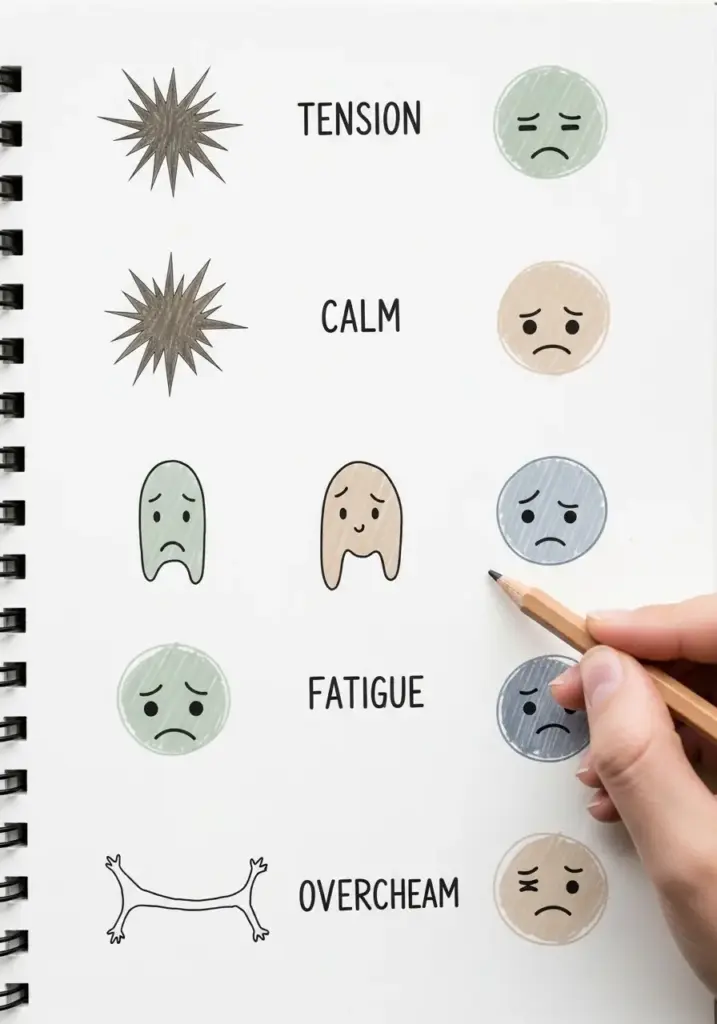
Ask yourself one quiet question: what shape does today feel like? Maybe it feels like a jagged star, a drooping oval, a closed circle, or a long line stretched too thin. Fill part of the page with that shape and see what changes as you repeat it.
This prompt is useful because it removes the pressure to “draw something good.” You are not sketching an object. You are sketching a feeling. That makes it easier to begin on days when your energy is low.
2. Your mind as weather
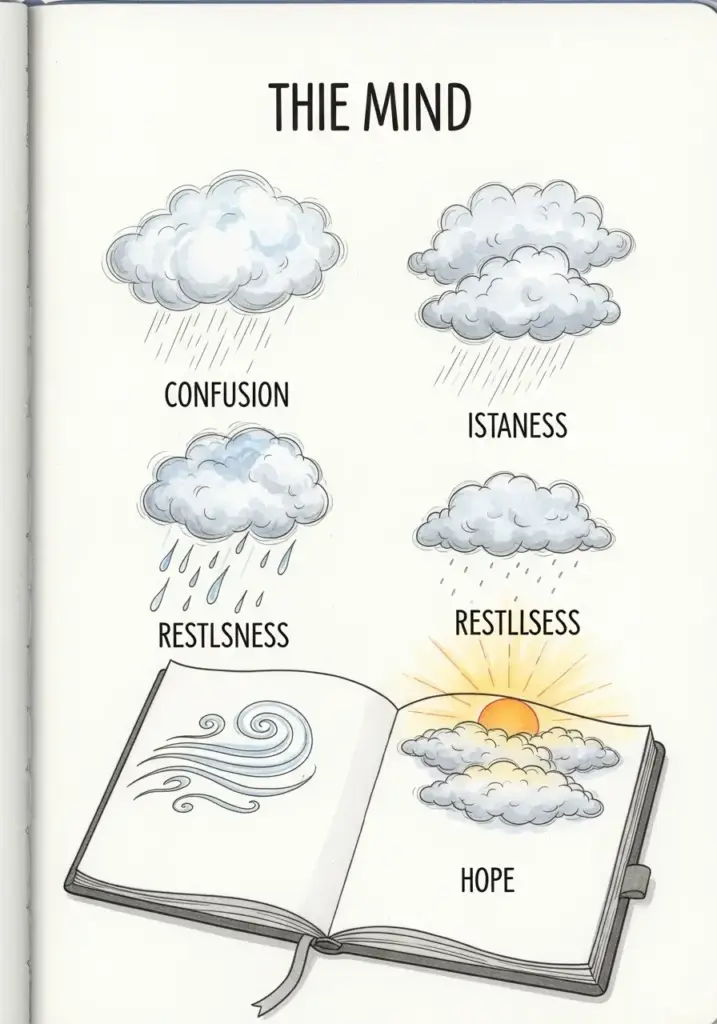
Imagine your current state of mind as a weather scene. It might be foggy, windy, heavy with rain, or bright after a storm. Sketch the sky, the movement, and the atmosphere. Let the weather carry the mood for you.
This idea works well because weather is always changing. Even if your page looks dark, it quietly reminds you that no emotional state stays exactly the same forever.
3. The worry knot
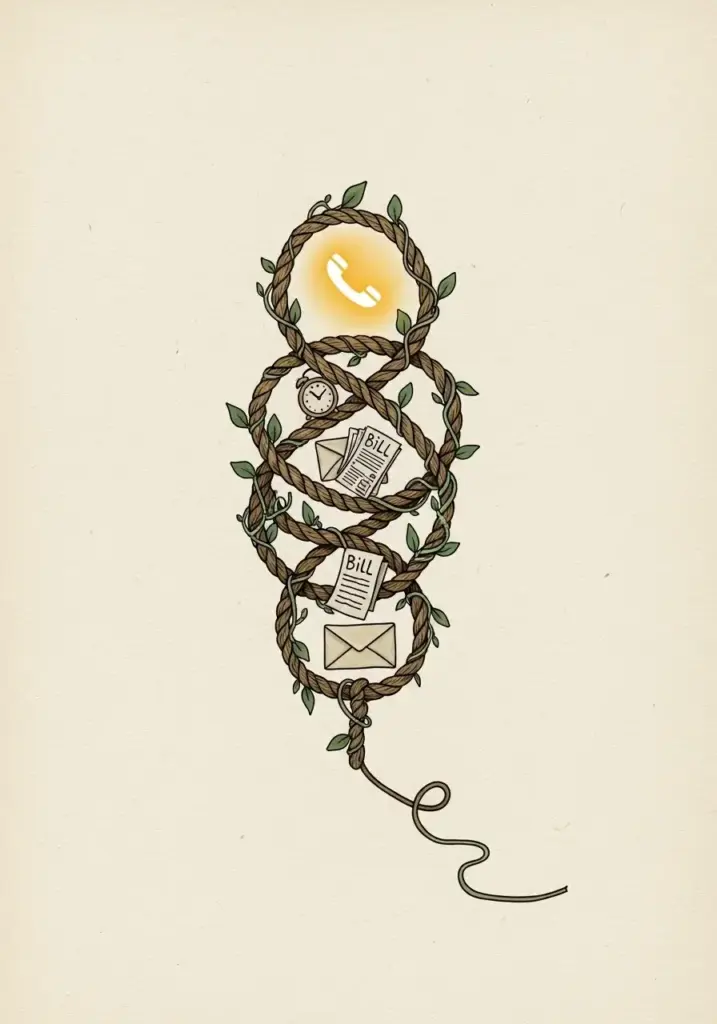
Draw your stress as a knot of rope, thread, vines, or tangled wires. Inside the knot, add tiny symbols or words for what is weighing on you. Then draw one loose end. Not the whole solution. Just one place where the knot could begin to soften.
This can be especially helpful when you feel overwhelmed by too many thoughts at once. The page gives your worry structure, which makes it feel a little less endless.
4. A safe place you can return to
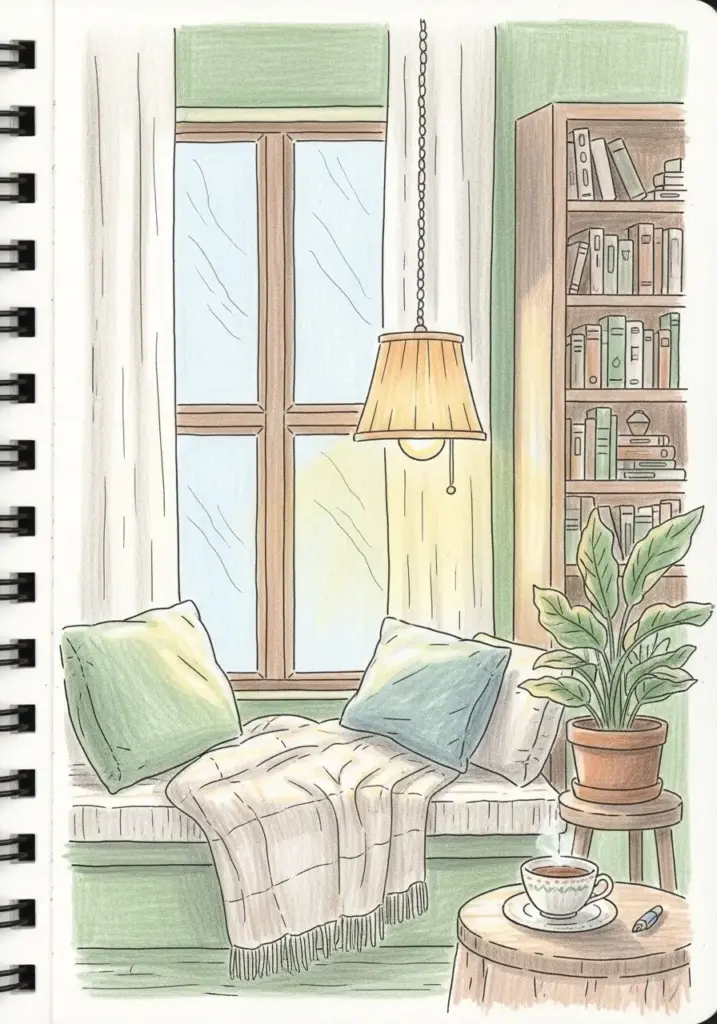
Sketch a place that feels safe to you. It might be real or imaginary. Maybe it is a quiet bedroom, a window seat, a garden path, a blanket fort, a library corner, or a peaceful beach at dusk.
Pay attention to the details that make it feel comforting. Soft lighting, warm textures, open space, familiar objects, and gentle colors all matter. When you draw a safe place more than once, it often becomes easier to picture it during stressful moments.
5. The face you show and the face you feel
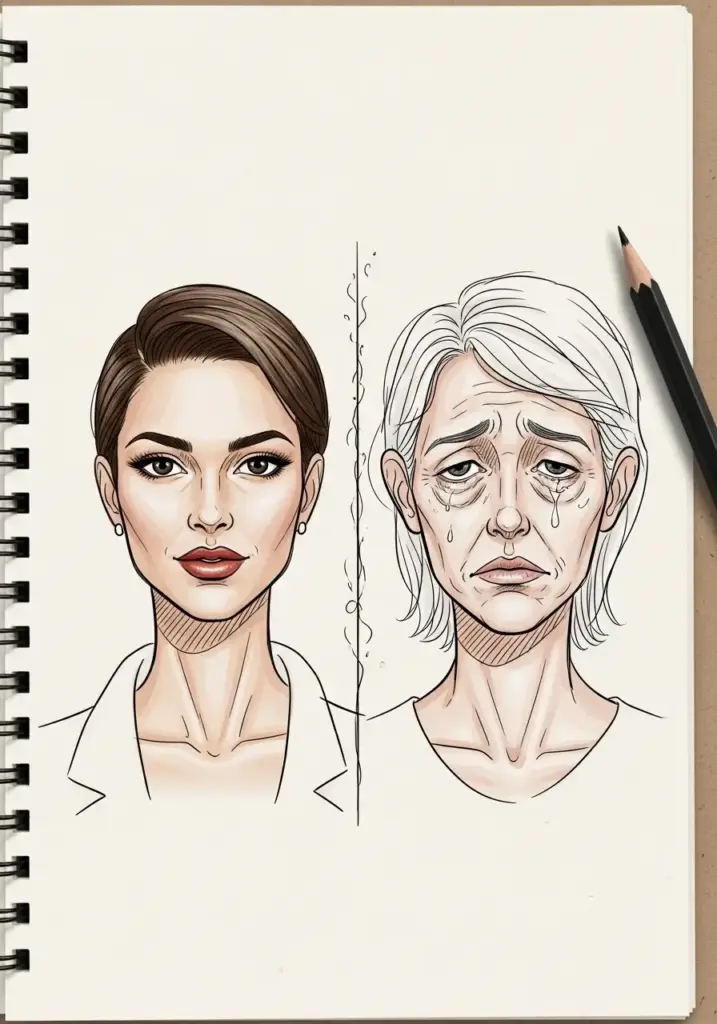
Draw two versions of yourself. One shows the face you wear for the outside world when you are trying to seem fine, capable, cheerful, or in control. The other shows what you really feel underneath.
This does not need to be dramatic to be meaningful. Sometimes the biggest truth is in a small difference: tighter shoulders, tired eyes, or a mouth that looks calm on the outside but strained underneath. The contrast can reveal how much effort you are spending just to appear okay.
6. Your emotional backpack
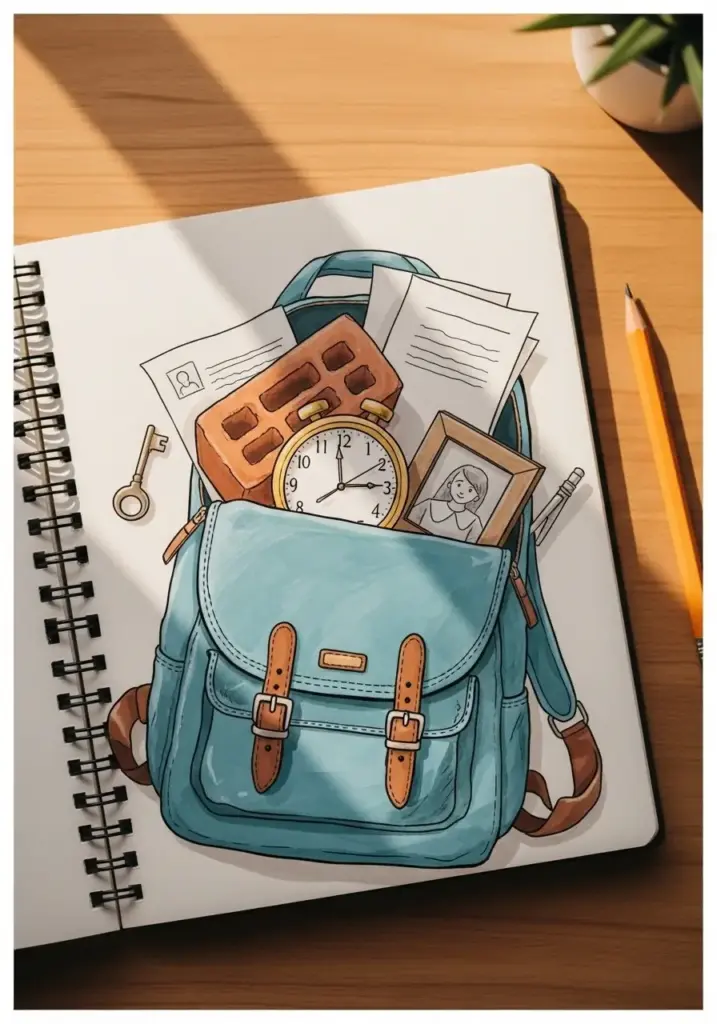
Imagine that everything you are carrying emotionally has been packed into a backpack. Draw the bag and fill it with objects that represent what is inside. A brick could stand for responsibility. A clock might represent pressure. A photo could hold grief or longing. A stack of papers might mean mental overload.
Then ask yourself what could come out first. The point is not to empty the whole bag at once. It is to see your load clearly and notice whether one part of it can be set down, shared, delayed, or handled differently.
7. A body map of tension and relief
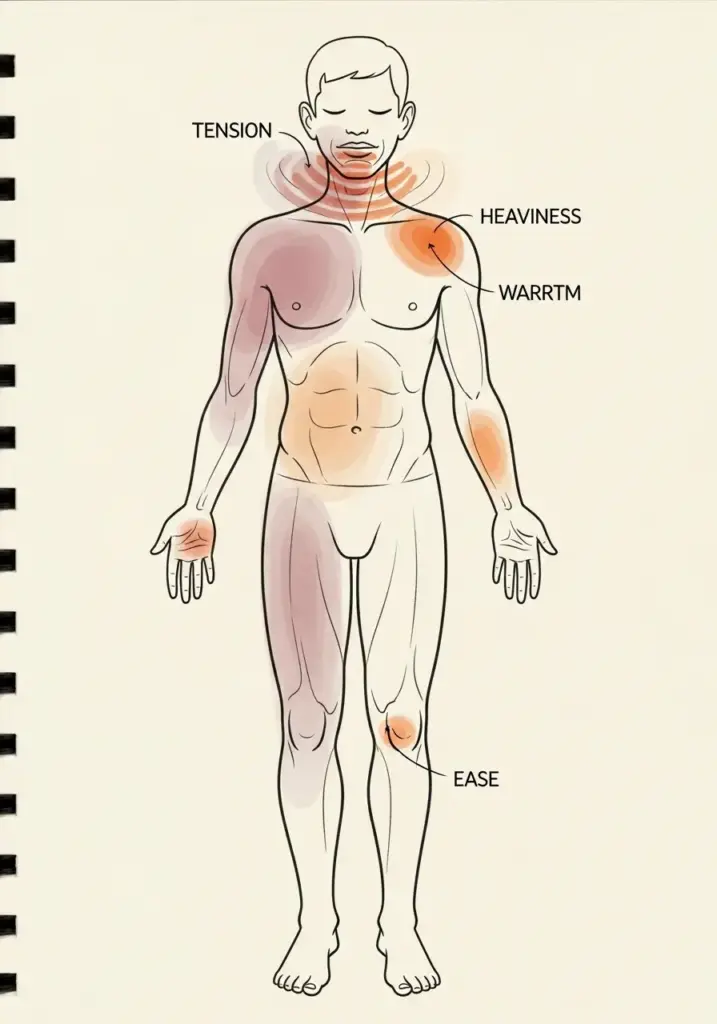
Draw a simple outline of a body and shade the areas where you feel different sensations. Tightness in the jaw. Heaviness in the chest. Warmth in the hands. Numbness in the shoulders. Lightness in the legs. Let the page become a map of what your body already knows.
This prompt is especially helpful when your emotions feel vague. Sometimes the body tells the story first. Seeing the feeling in physical form can make it easier to respond with care instead of frustration.
8. Your inner critic as a character
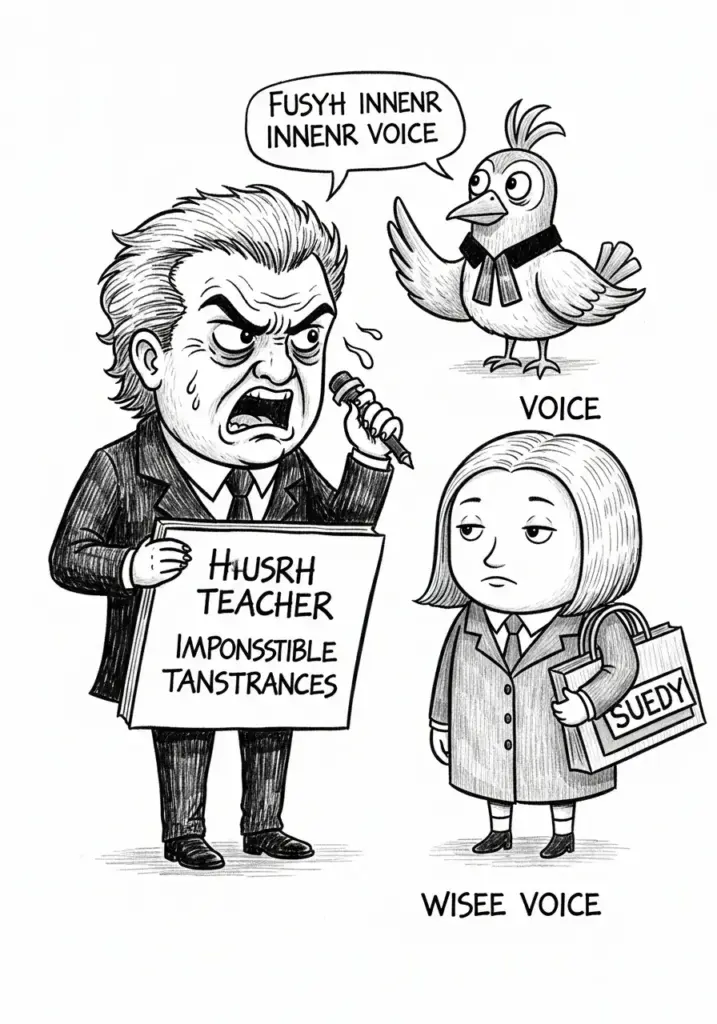
Turn your harsh inner voice into a character. Draw it as a fussy teacher, a dramatic bird, a tiny judge, or a grumpy editor with impossible standards. Make it detailed enough to feel real, but playful enough that it loses some of its power.
Once it is on paper, draw a second character beside it. This one represents your wiser voice. It might be calm, steady, realistic, and protective. Let the two characters share the page. You may be surprised by how clearly you can see which voice deserves more authority.
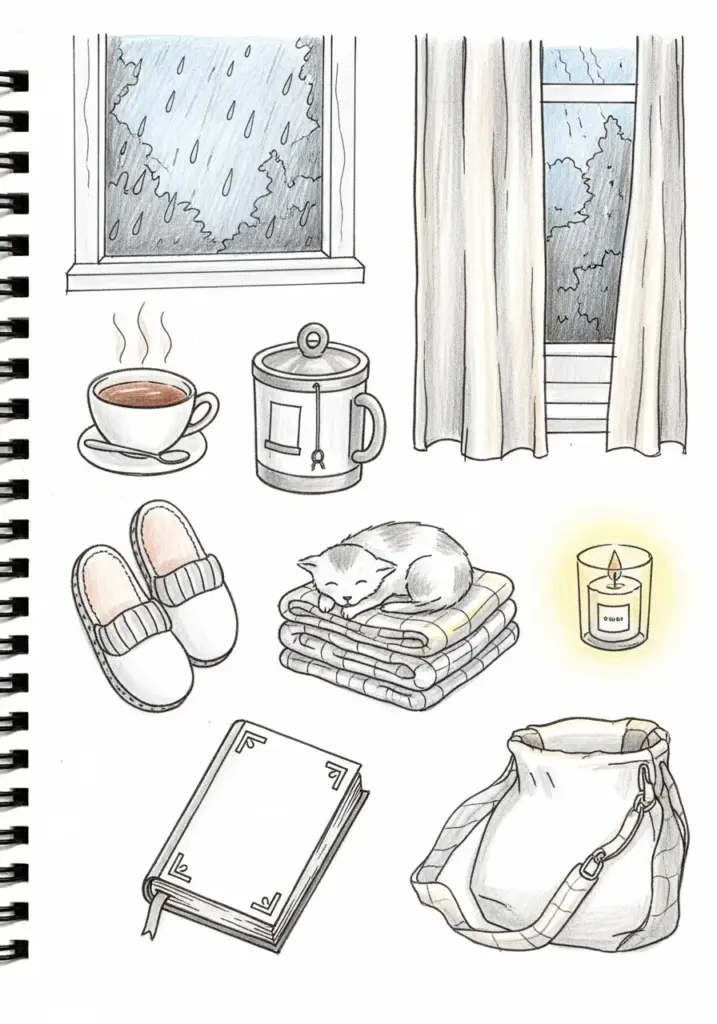
9. A page of small comforts
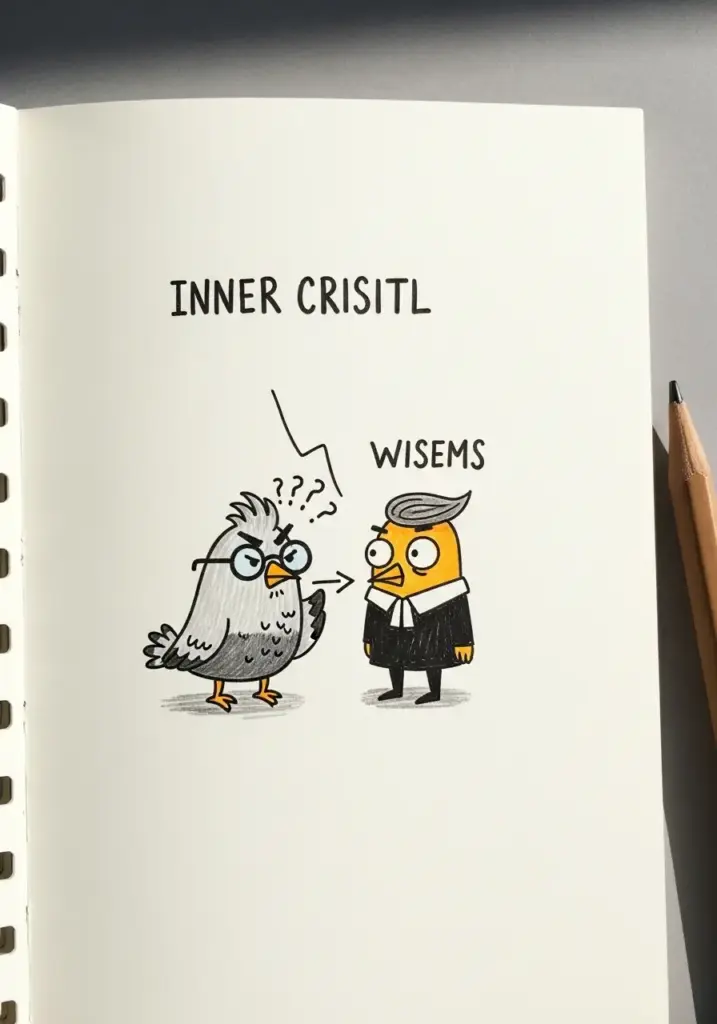
Fill a page with tiny sketches of things that make life feel gentler. A mug of tea. Fresh sheets. A pet curled up asleep. A favorite song. The smell of soap. A quiet kitchen. A pair of worn slippers. Evening light on a wall.
This is not about pretending everything is fine. It is about remembering that support often arrives in small forms. On difficult days, a page full of ordinary comforts can feel more grounding than a page full of big advice.
10. Growth as a plant
Draw yourself as a plant in whatever stage feels honest. Maybe you are a seed under the soil. Maybe you are a stem leaning toward light. Maybe you have leaves that look worn but are still growing. Maybe you are in a quiet season that looks still from the outside but is full of unseen work.
This idea feels natural because people do not grow in a straight line. We rest, stretch, wilt, recover, and start again. A plant sketch lets you honor that cycle without judging yourself for not blooming all the time.
11. Before and after a hard moment
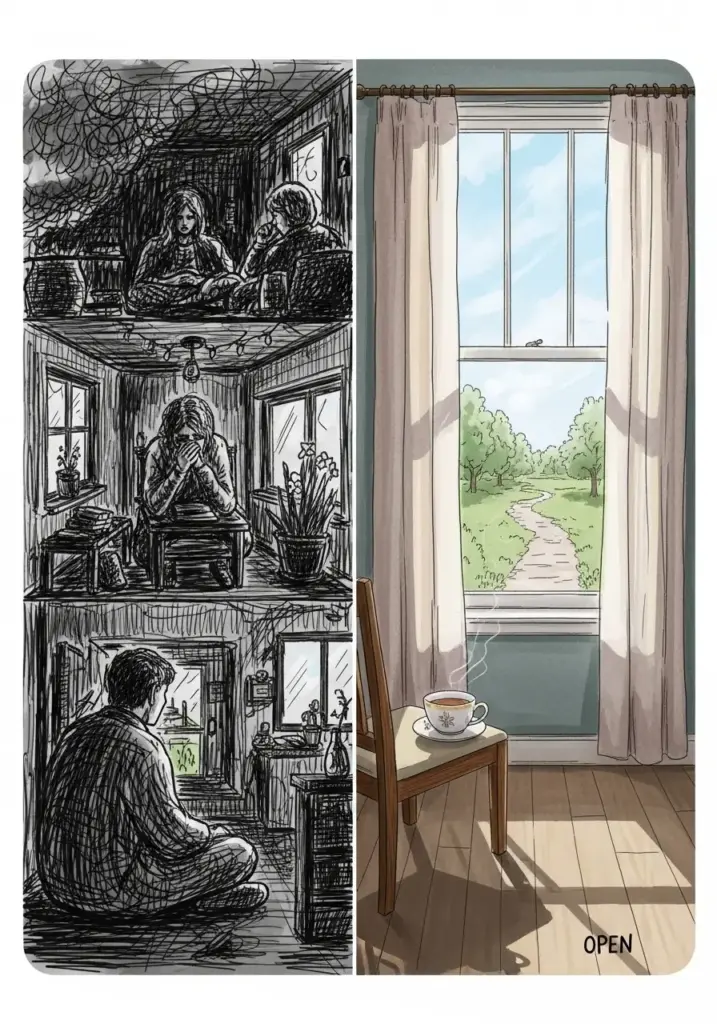
Divide the page in two. On one side, sketch how a difficult moment felt while it was happening. On the other side, sketch what helped afterward. That help might be a person, a walk, silence, music, food, prayer, rest, or simply time.
This prompt helps in a very practical way. It shows that relief has shape too. When you look back at the page later, you are not only remembering the hard part. You are also remembering what supported you through it.
12. A lantern for the next step
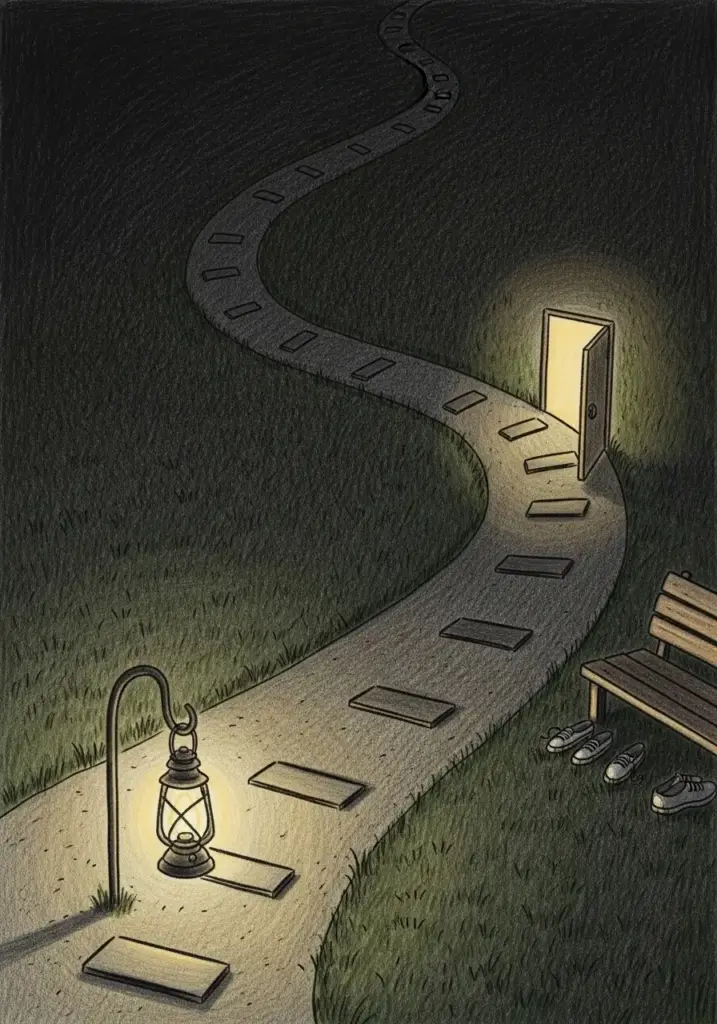
Draw a path that is mostly dark, but place a lantern, candle, lamp, or lit window near the front. Let the light reveal only the next few steps, not the whole road. In those small pools of light, add what comes next for you.
Maybe the next step is drinking water, getting outside, answering one email, saying no, taking a break, or asking for help. This prompt is helpful when uncertainty makes everything feel too big. It reminds you that clarity often arrives one step at a time.
13. A gratitude table
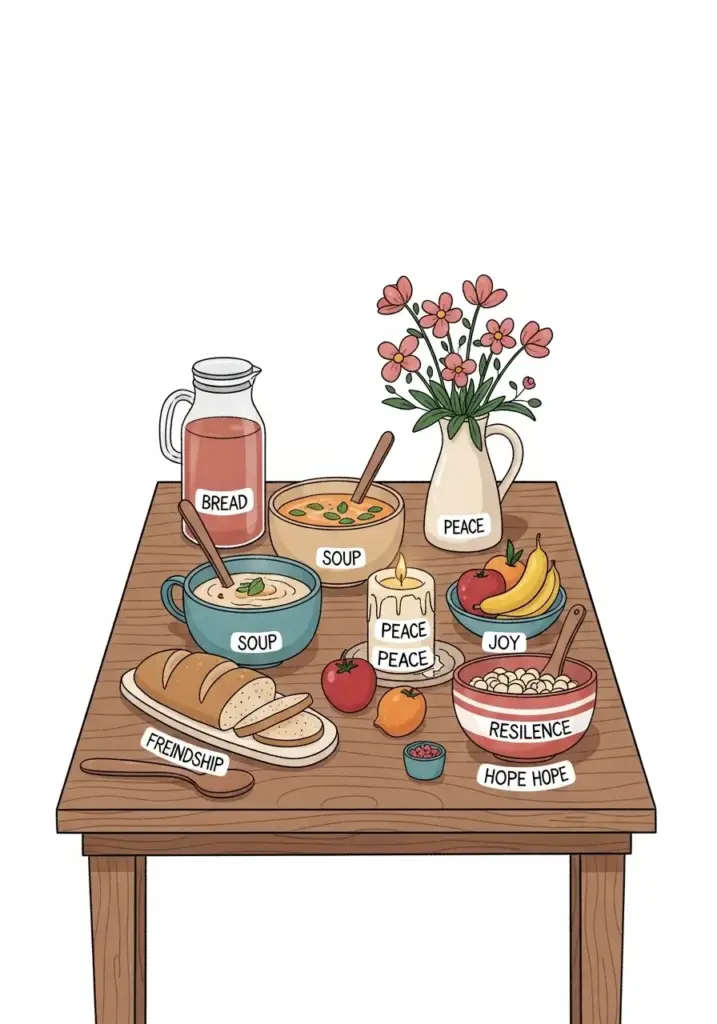
Sketch a table and place meaningful things on it as if you were setting out emotional nourishment. Friendship might be bread. Rest might be soup. Privacy might be a candle. Humor might be fruit. Resilience might be a bowl that somehow keeps filling back up.
This prompt brings warmth without forcing positivity. It lets gratitude feel specific, grounded, and real. That matters, especially when you want comfort but do not want to ignore what is hard.
Related Post: 7 Ways to Build a Relaxing Foot Soak Recipe Routine at Home
Mental health sketch ideas for different emotional states
When you feel anxious
Use prompts with repetition and rhythm. Spirals, breath lines, waves, rain, leaves, and expanding circles can all help because they give your nervous system a steadier pace to follow. If your brain is moving too fast, a repetitive drawing often works better than a complex scene.
It can also help to draw containers. A box, a jar, a nest, a room, or a shelter can represent the idea of holding a feeling safely instead of letting it flood every corner of your day.
When you feel sad
Choose prompts with softness and space. Quiet landscapes, moonlight, trees, rivers, empty chairs, and gentle weather scenes often work well because they allow sadness to exist without rushing it away. There is no need to brighten the page before it is ready.
Sometimes the most healing thing you can do is let the drawing be honest. Not dramatic. Not polished. Just true.
When you feel numb or disconnected
Focus on sensory images. Draw steam rising from a mug, sunlight on a blanket, hands around a warm bowl, wet pavement after rain, or the crease of a pillow. Numbness often softens when you reconnect with texture, temperature, and ordinary objects.
This is also a good time to sketch familiar things around you. A lamp, a doorway, your shoes by the bed, a spoon on a counter. Everyday details can help you feel present again.
When you feel hopeful
Try images that suggest movement and openness. Doorways, ladders, bridges, paths, seedlings, birds, and morning light all work well. Hope does not need to look grand. Sometimes it looks like one open window in a stuffy room.
Sketching hope can be powerful because it helps you protect it. The page becomes a reminder that something good or steady is already trying to grow.
How mental health sketch ideas can become a real habit
Keep it easy enough that you can do it even on a hard day. One notebook and one pencil are enough. If you need to make it even easier, keep a small pad near your bed, desk, or couch so you do not have to go looking for supplies when you are already drained.
It helps to attach sketching to a moment that already exists in your routine. You might draw for five minutes with your morning coffee, after lunch, before checking your phone at night, or while waiting for dinner to cook. The more ordinary the ritual feels, the more likely you are to keep it.
Do not measure success by how consistent or artistic you are. Measure it by whether you felt a little more present, a little less bottled up, or a little more honest after the page was done.
A simple weekly rhythm if you want structure
If you like a bit of routine, give each day a loose theme instead of forcing yourself to invent something from scratch every time. A gentle rhythm can keep the practice alive without turning it into homework.
- Monday: Draw the shape of your mood.
- Tuesday: Sketch a weather scene for your mind.
- Wednesday: Make a body map of tension and ease.
- Thursday: Draw your emotional backpack.
- Friday: Fill a page with small comforts.
- Saturday: Sketch growth as a plant.
- Sunday: Draw a lantern for the week ahead.
If you miss a day, nothing is ruined. The point is not to be flawless. The point is to keep making room for yourself.
Let the page hold what you do not want to carry alone
The most meaningful mental health sketch ideas are often the simplest ones. They help you notice what hurts, what helps, what returns again and again, and what still feels possible. A quiet health sketch will not solve every problem, but it can make the next breath, the next thought, or the next step feel more manageable.
Start with one prompt that feels easy. Let it be imperfect. Let it be honest. Over time, those small pages can become a record of how you cared for yourself, even when life felt noisy, uncertain, or heavy.
Enjoying this post? Get weekly family & home ideas in your inbox — free.