Do All Tomato Varieties Need Pruning?
Summer is almost here, which means tomato plants are probably due for their first pruning. As May turns into June and temperatures climb, newly transplanted tomatoes start to make big leaps in terms of growth. They relish the longer days and warmer nights of late spring and early summer. But as tomatoes grow, they can start to get a little bit out of control. They grow quickly and put out lots of suckers that direct energy away from fruit production. When this begins, it is time to start pruning tomatoes june is the perfect moment to begin this annual task.
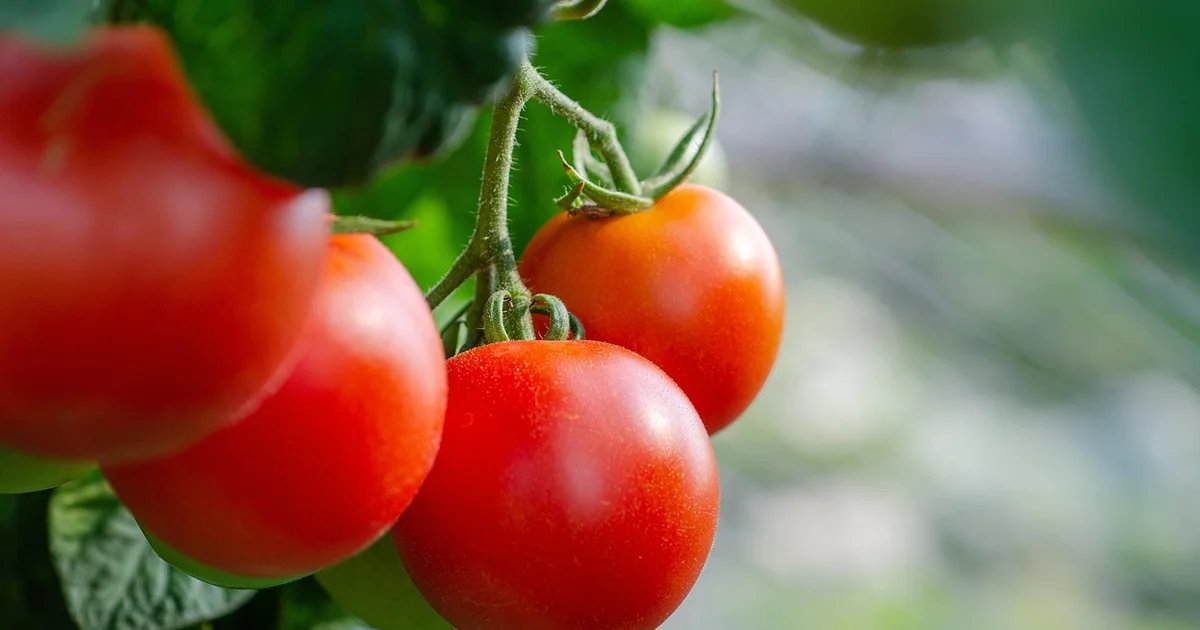
Before you pick up the pruners, there are a few basics you need to learn to ensure you make the right cuts. Not all tomatoes require pruning. Plus, cutting in the wrong spot can actually ruin your chances of a big harvest. Here is how to start pruning tomatoes and why right now is the most important time to make the cut.
Tip 1: Identify Whether You Have Determinate or Indeterminate Tomatoes
There are two main types of tomatoes: determinate and indeterminate. Determinate tomatoes are bush-type plants that stop growing at a certain height. They are much shorter and more compact than their vining cousins. Determinate varieties do not require pruning. If you prune them, you may actually reduce your harvest. Knowing which type you have is the very first step before making any cuts.
Tip 2: Only Prune Indeterminate Varieties
Indeterminate tomatoes can reach up to 6 feet or higher and put out lots of suckers. These vining types produce best when pruned. Pruning directs the plant resources towards growing lots of big, juicy tomatoes. If you are growing indeterminate tomatoes and you skip pruning, you will end up with a tangled mess of leaves and fewer fruits. Focus your attention on these varieties and leave your determinate plants alone.

Amazon US Verified
Self-Watering Planters with Drainage Aerators
Elevated reservoir design that prevents soggy roots and ensures steady hydration.
What Are the Main Benefits of Pruning Tomatoes in June?
Pruning tomato plants keeps them tidy, which helps prevent disease, and increases yields. Tomatoes can quickly produce lots of branches full of leaves that become crowded. Pruning away suckers and unnecessary branches improves airflow, which helps prevent common tomato diseases. Keeping plants tidy by pruning them regularly also makes it easier to spot common tomato pests. There are fewer leaves where hungry tomato hornworms and annoying aphids can hide.
Tip 3: Prune to Improve Airflow and Reduce Disease Risk
When your tomato plants get dense with foliage, moisture gets trapped between the leaves. This creates the perfect environment for fungal diseases like early blight and septoria leaf spot. By removing the lower leaves and unnecessary suckers, you allow air to move freely through the plant. This simple practice can save your entire crop during a humid summer. Make it a habit to inspect the interior of each plant and open up the canopy.
Amazon US Verified
Digital 3-in-1 Soil Moisture & pH Meter
Accurate probe to test deep root zone moisture and prevent accidental overwatering.
Tip 4: Prune to Direct Energy Toward Bigger Fruits
Tomatoes grow quickly and put out lots of suckers that direct energy away from fruit production. Each sucker is a new stem that requires water, nutrients, and sunlight. When you remove those suckers, the plant can focus all its resources on the fruits that are already forming. Pruning also makes fruit ripen faster, especially at the end of the season. Gardeners who prune consistently report larger tomatoes and earlier harvests compared to those who let their plants grow wild.
When Is the Best Time to Start Pruning Tomatoes in June?
The best time to start pruning tomatoes is once plants are at least 12 inches tall. Depending on where you live and when you started your tomatoes, the exact date will vary. But many gardeners’ tomatoes pass this threshold in early June. So now is the perfect time to pick up your pruners and start pinching off suckers.
Tip 5: Wait Until Plants Are at Least 12 Inches Tall
Do not rush into pruning as soon as you transplant your seedlings into the garden. Young plants need all their leaves to build a strong root system and establish themselves. Once they reach 12 inches in height, they have enough stored energy to handle the removal of suckers. Measure your plants before you make any cuts. If they are still under 12 inches, give them another week or two of growth before you begin pruning tomatoes june is the ideal window for most regions.
Tip 6: Stick to a Regular Pruning Schedule
New sprouts show up fast, so you need to continue pruning away tomato suckers every week or two throughout the rest of the growing season. Luckily, pruning opens up the structure of your tomato plants and makes it easier to see suckers as they emerge. Snap or cut off suckers before they get too big. It is best to remove them when they are under 2 inches long. Prune in the morning, but do not make any cuts if plants are wet. Wet pruning invites disease. If your plants show any signs of disease, sterilize your pruners between each plant to avoid spreading the problem.
What Should You Do If Your Tomato Is Flowering but Too Small?
Even if your tomato plants are not 12 inches tall yet, there may still be some pruning you need to do. Tomatoes that are producing flowers but are under the 12-inch threshold require pruning as well.
You may also enjoy reading: 5 Roach Killers to Keep Your Home Pest-Free.
Tip 7: Pinch Off Flowers on Plants Under 12 Inches
Pluck off any tomato flowers that appear on plants under 1 foot tall. If you leave them, they may develop into normal fruits. But at this early stage, the plant is still too small to support fruit production while also building a strong root system and stem structure. Allowing those early fruits to develop will sap energy that the plant needs for later growth. It feels wasteful to remove flowers, but this sacrifice pays off with a much larger harvest later in the season. Within a few weeks, the plant will be tall enough to support fruit, and new flowers will appear.
What Is the One Pruning Mistake That Can Ruin Your Harvest?
Do not cut off the top of the main stem. This is the single most common error that new gardeners make. The main stem is the central spine of your tomato plant. Cutting it stops upward growth entirely and forces the plant to bush out sideways. For indeterminate tomatoes, that means you lose all future fruit production from that main leader.
Only prune off the suckers that emerge in the joints between side branches and the main stem. These small shoots grow at a 45-degree angle between the main stem and a leaf branch. Pinch them off with your fingers or snip them with clean pruners. Leave the main stem and the top growing tip completely untouched. If you accidentally remove the top, the plant will never reach its full height potential and your harvest will be significantly reduced.
This one rule separates successful tomato growers from those who wonder why their plants look sad. When you are pruning tomatoes june through the entire growing season, always double-check that you are removing suckers and not the main stem. A quick visual check before each cut will save you months of regret.
Frequently Asked Questions
Can I prune my tomato plants if they are already flowering but still short?
Yes, you should prune the flowers off any tomato plant that is under 12 inches tall, even if those flowers look healthy. The plant is not yet big enough to support fruit without stunting its own growth. Removing the early flowers forces the plant to focus on root and stem development, which leads to a stronger plant and a bigger harvest later.
What is the difference between pruning determinate and indeterminate tomatoes?
Determinate tomatoes are bush-type plants that stop growing at a fixed height and produce all their fruit at once. They do not need pruning and may actually produce less if pruned. Indeterminate tomatoes are vining plants that grow continuously and produce fruit over a long period. These varieties benefit greatly from regular pruning because it directs energy toward fruit production and improves airflow, which reduces disease risk.
Is it too late to start pruning my tomatoes if they are already over 2 feet tall?
It is not too late, but you need to be careful. Large plants that have never been pruned will have many big suckers that are thick and woody. Remove only one or two of the largest suckers per week to avoid shocking the plant. Focus on the lowest suckers and any branches touching the ground. After a few weeks of gradual pruning, the plant will be healthier and more productive without suffering from the shock of losing too many leaves at once.
As an Amazon Associate, azuloz.com earns from qualifying purchases.