Your lawn’s discolored patches might be a sign of hidden fungal invaders. Those brownish-yellow circles or strange red threads weaving through the grass can feel alarming when you have worked hard to maintain a lush green yard. To prevent lawn fungus effectively, you need to understand what causes these problems and take proactive steps. The right approach can greatly reduce the risk of fungal diseases taking hold in your outdoor space.
What Exactly Is Lawn Fungus?
Lawn fungus is an umbrella term that covers several diseases caused by different fungal pathogens. These microscopic organisms are usually already present in the soil beneath your grass. They remain dormant until the right conditions activate them. Excessive moisture and high humidity are the primary triggers. When the soil stays wet for too long, these pathogens spring into action and attack the grass.
Amazon US Verified
Digital 3-in-1 Soil Moisture & pH Meter
Accurate probe to test deep root zone moisture and prevent accidental overwatering.
Think of it like a fire waiting for a spark. The fungus is always there, but it needs the right combination of moisture and temperature to flare up. This is why two neighbors with similar lawns can have very different outcomes after a rainy week. One yard stays healthy while the other develops unsightly patches.
How to Identify Different Lawn Fungus Diseases
Knowing what you are dealing with helps you choose the right response. Each fungal disease has its own signature look. Brown patch disease shows up as brownish-yellow circular patches that can expand rapidly during warm, humid weather. Red thread appears as red or pink threads woven into the grass blades. Gray snow mold forms gray circular spots that become visible after snow melts in spring. Pink snow mold creates pink or lighter-colored circular spots. Some infections create matted patches that look like webbing, usually appearing in late winter or early spring. Powdery mildew coats individual blades with a whitish powder, giving the grass a dusty appearance.
Take time to examine the affected areas closely. Walk around your yard and look for these specific patterns. The name of the disease often tells you exactly what to look for. A careful inspection gives you the information you need before deciding on next steps.
7 Ways to Prevent Lawn Fungus
The following preventive measures form a solid defense against fungal outbreaks. These cultural practices address the conditions that allow fungi to thrive. By implementing these steps, you create an environment where grass grows strong and disease struggles to take hold.
Choose a Fungus-Resistant Grass Variety
If your area has a known history of specific fungal diseases, consider transitioning to a grass variety that shows improved resistance. Tall fescue, fine fescue, and certain varieties of Kentucky bluegrass have been bred to withstand common pathogens better than older cultivars. Do some research on which grass types perform best in your region. A local extension office or garden center can guide you toward varieties that resist the diseases most common in your climate. This change takes time but pays off in the long run with fewer outbreaks and less maintenance.
Improve Your Lawn’s Drainage
Fungi need wet conditions to grow and spread. If your soil holds water for long periods after rain, you have a drainage problem that invites disease. Start by working organic compost into the soil to improve its structure. Compost helps clay soils drain better and helps sandy soils retain more moisture. For more severe drainage issues, consider installing a French drain or redirecting downspouts away from the lawn. Even simple steps like filling low spots where water pools can make a noticeable difference.
Water Your Lawn Correctly
How you water matters as much as how much you water. Deep, infrequent watering encourages grass roots to grow deeper, which makes the lawn more resilient. Water early in the morning so the grass blades have time to dry completely during the day. Evening watering leaves the lawn wet overnight, which creates ideal conditions for fungal growth. Aim for about one inch of water per week, including rainfall. Adjust based on your soil type and local weather patterns.

Amazon US Verified
Self-Watering Planters with Drainage Aerators
Elevated reservoir design that prevents soggy roots and ensures steady hydration.
Fertilize for Balanced Nutrition
Nitrogen imbalances in the soil can invite fungal infections. Too little nitrogen weakens the grass and makes it more susceptible to disease. Too much nitrogen produces rapid, soft growth that fungi find easy to attack. Use a slow-release fertilizer and follow the recommended application rates for your grass type. A soil test every few years tells you exactly what your lawn needs. This prevents the guesswork that often leads to over-fertilization.
Prevent Soil Compaction
Compacted soil does not drain well, and the excess moisture that results creates a perfect environment for fungal pathogens. Foot traffic, heavy equipment, and even repeated mowing on the same path can compact the soil over time. Aerate your lawn annually to relieve compaction and allow air, water, and nutrients to reach the roots. For areas that receive constant foot traffic, consider installing a walkway or stepping stones to protect the soil underneath. Core aeration removes small plugs of soil and is more effective than spike aeration.
Amazon US Verified
Organic Perlite Horticultural Soil Conditioner
Lightweight volcanic mineral that improves root aeration and prevents compaction.
Dethatch Your Lawn Regularly
Thatch is the layer of dead grass, roots, and organic material that builds up between the soil and the living grass. A thin layer of thatch is normal and even beneficial. But when it exceeds half an inch in thickness, it traps moisture and creates a breeding ground for fungi. Dethatching in early spring or early fall removes this excess layer. You can use a dethatching rake for small lawns or a power dethatcher for larger areas. After dethatching, water deeply to help the grass recover.
You may also enjoy reading: 13 Vegetable Gardening Ideas for May.
Practice Good Mowing Habits
Mowing at the correct height keeps grass healthy and more resistant to disease. Taller grass develops deeper roots and shades the soil, which reduces moisture evaporation and keeps the soil temperature more stable. Never remove more than one-third of the grass blade at a time. Keep your mower blades sharp so they cut cleanly rather than tearing the grass. Dull blades create ragged wounds that give fungi an entry point. Leave grass clippings on the lawn to return nutrients to the soil, but only if the grass is dry and the clippings are short enough to settle between the blades.
Are Mushrooms in the Lawn Dangerous?
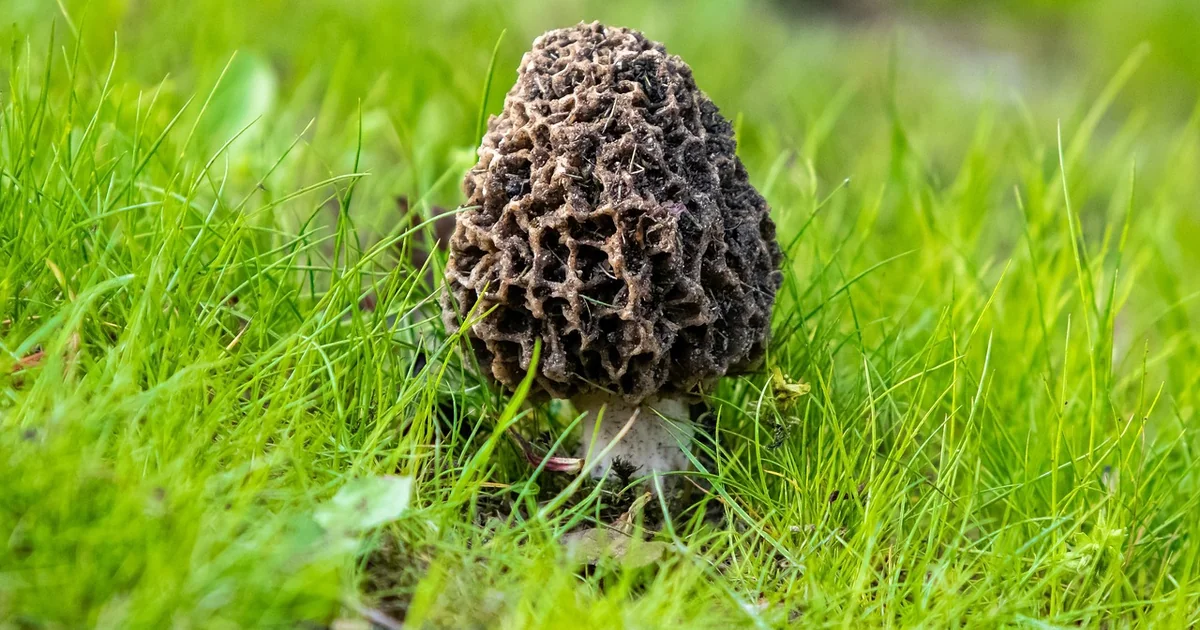
White mushrooms that pop up in your lawn are also fungi. The vast majority of these mushrooms are non-toxic, but only an expert in mushroom identification can confirm this with certainty. For families with small children, the safest approach is to remove mushrooms as soon as they appear. No mushrooms are toxic by touch alone. Ingestion is required for any harm to occur. So if you have curious toddlers or pets who explore the yard with their mouths, removing mushrooms eliminates the risk entirely. Wear gloves when pulling them out and dispose of them in a sealed bag.
What Causes Non-Fungal Spots on Grass?
Not every discolored patch in your lawn is caused by a fungal disease. Brown or yellow spots can result from animal urine, which concentrates nitrogen in one spot and burns the grass. Improper watering, either too much or too little, also creates discolored areas. Grubs feeding on grass roots cause the affected areas to turn brown and die back. Spills from fertilizer or gasoline leave chemical burns that look similar to fungal infections. Before treating for fungus, rule out these other causes. Check for grubs by pulling up a section of grass and looking at the roots. Review your watering schedule and ask yourself whether pets have access to the area.
Not All Lawn Fungi Are Enemies
It is worth noting that some fungi in your soil are actually beneficial. Mycorrhizal fungi form symbiotic relationships with plant roots and help grass absorb water and nutrients more efficiently. These beneficial organisms improve soil structure and support healthy plant growth. Whether or not your lawn succumbs to a fungal disease is not entirely within your control. The pathogens are already in the soil waiting for the right conditions. Your job is to create conditions that favor the grass and the helpful fungi while discouraging the harmful ones. A balanced approach to lawn care supports this natural equilibrium.
Frequently Asked Questions
Can you prevent lawn fungus without using chemical fungicides?
Yes, cultural practices are your first and most effective line of defense. Proper watering, good drainage, balanced fertilization, regular dethatching, and selecting resistant grass varieties all reduce the risk significantly. Most homeowners can prevent the majority of fungal outbreaks using these non-chemical methods alone. Chemical treatments are usually reserved for severe or persistent infections.
How often should I aerate my lawn to prevent fungal problems?
Annual core aeration is sufficient for most lawns, ideally in early fall or spring when the grass is actively growing. Lawns with heavy clay soil or high foot traffic may benefit from aeration twice per year. Aeration relieves soil compaction, improves drainage, and reduces the moisture retention that encourages fungal growth. It is one of the most effective physical interventions you can make.
Is it possible to prevent lawn fungus in a humid coastal climate?
Yes, but it requires extra diligence in humid regions. Focus on the factors you can control: water early in the morning, improve soil drainage, choose resistant grass varieties, and avoid nitrogen-heavy fertilizers. Increase your mowing height to encourage deeper roots. Accept that some years with unusual weather patterns may still produce minor outbreaks, but consistent preventive care keeps them manageable and short-lived.
Building a strong preventive routine takes effort upfront, but it saves time and frustration later. Each of these seven strategies works best when combined with the others. Start with the changes that feel most manageable for your yard and add more over time. Your lawn will reward you with healthier growth and fewer fungal surprises.
As an Amazon Associate, azuloz.com earns from qualifying purchases.