You spend a weekend building the perfect raised bed. You fill it with soil, plant your seedlings, and imagine the harvest. Then, months later, the boards bulge outward, the soil turns into concrete, and your tomato plants look miserable. A raised bed done right is one of the best setups a vegetable gardener can have. It offers better drainage, warmer spring soil, and fewer weeds than an in-ground plot. But a raised bed done wrong becomes an expensive container full of frustration. Many raised bed mistakes aren’t obvious at build time. They show up later as sagging wood, compacted earth, or sky-high water bills. Fortunately, a few smart adjustments during planning or construction can prevent most problems. Whether you are starting from scratch or troubleshooting an existing bed, getting the basics right from the start makes all the difference.
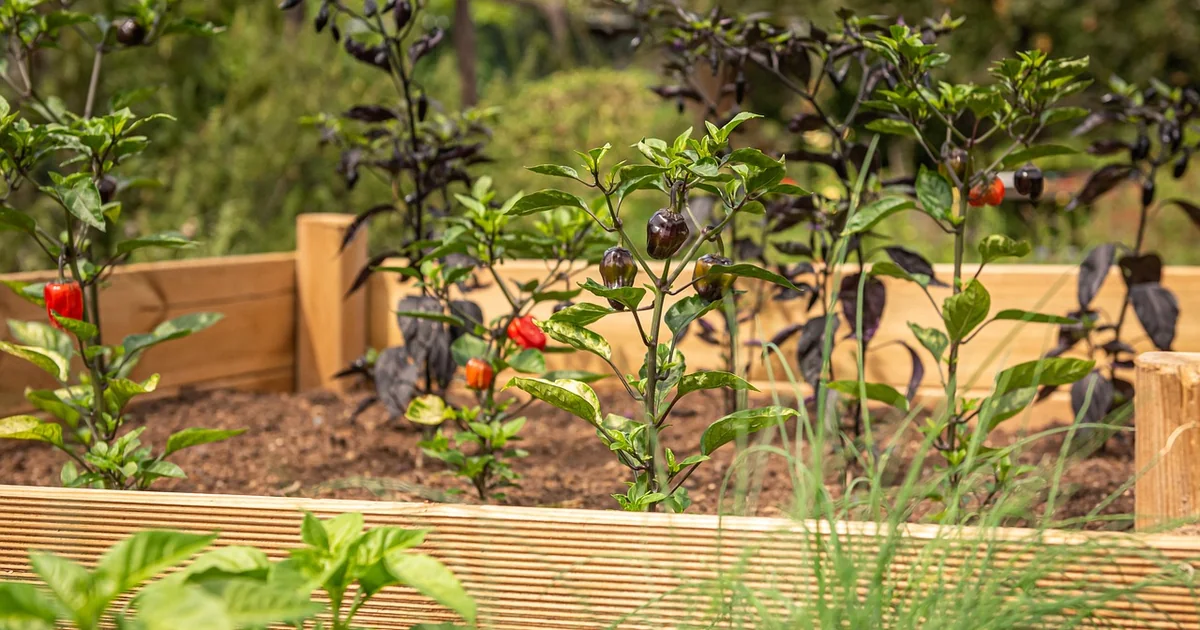
1. Building Your Raised Bed Too Wide
This is the most frequent error among new gardeners. They see a long, open space and decide to build one giant bed. The problem? Human arms only reach so far. About 4 feet (1.2 meters) is the maximum width for a raised bed. That distance matches the reach of an average adult from either side. Any wider and the center becomes unreachable without climbing into the bed.
Why Width Matters
Stepping inside a raised bed compacts the soil. Compacted soil loses the loose, aerated structure that makes raised beds so valuable. One hard footstep can undo months of careful amending and organic matter building. Roots struggle to push through dense earth, water pools on the surface, and oxygen levels drop. A 2019 study from the University of Vermont Extension found that soil compaction from foot traffic reduced root penetration by up to 37% in vegetable beds.
Amazon US Verified
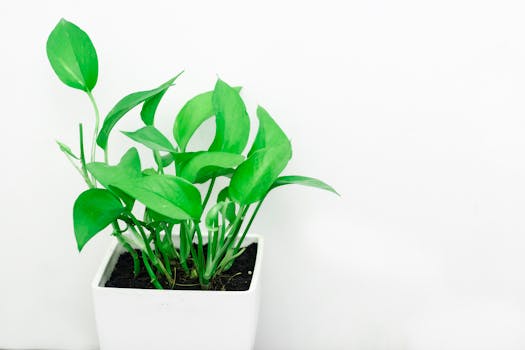
Organic Perlite Horticultural Soil Conditioner
Lightweight volcanic mineral that improves root aeration and prevents compaction.
The Fix for New Builds
Keep each bed 4 feet wide or less. If your space requires a longer planting area, build two narrower beds with a 2-foot path between them. This gives you access from both sides without ever stepping on the soil. For raised beds placed against a fence or wall, reduce the width to 3 feet (0.9 meters) so you can reach the back comfortably.
Fixing an Existing Bed That Is Too Wide
If your current bed exceeds 4 feet, do not tear it down. Add a sturdy center plank that runs the length of the bed. Place flat stepping stones along that plank so you can stand on them without sinking into the soil. Alternatively, install a narrow wooden walkway down the middle. This distributes your weight and prevents compaction. You sacrifice a few inches of planting space, but you preserve the soil structure for the rest of the bed.
2. Not Bracing Your Raised Bed
Wet soil is surprisingly heavy. A cubic foot of saturated growing mix weighs roughly 60 to 70 pounds. When you fill a long bed, the outward pressure on the side boards can be enormous. Beds longer than 6 feet (1.8 meters) are especially vulnerable. The wood does not fail all at once. Over one or two seasons, the boards bow outward, the joints loosen, and eventually the whole structure collapses.
The Science of Soil Pressure
This phenomenon is called lateral earth pressure. In raised beds, the weight of the wet soil pushes horizontally against the walls. Without internal reinforcement, the boards act like flexible beams. A 2022 survey by the Master Gardener Association found that 41% of raised bed failures were due to side bowing, not rot. The fix is simple and cheap: internal cross-bracing.
How to Brace a Raised Bed
Install a metal tie or a short piece of lumber that runs across the width of the bed every 4 to 6 feet (1.2 to 1.8 meters). Galvanized corner brackets or dedicated bed braces from hardware stores work well and require minimal carpentry. For a DIY approach, cut a 2×4 board to the width of the bed and screw it into both side walls. This holds the sides in place and distributes pressure evenly.
What to Do If Your Bed Is Already Bowing
Adding bracing now will stop further movement, even if it cannot fully reverse the existing bulge. Measure the widest point of the bow and cut a brace slightly longer than the current gap. Use a ratchet strap to pull the sides inward while you screw the brace into place. Release the strap slowly. This technique can reduce the bow by 60 to 70 percent.
3. Filling Your Bed With Only Potting Soil
A 2-foot (60 cm) deep raised bed filled entirely with bagged potting mix is an expensive way to create a mediocre garden. Most vegetable roots do not reach the bottom of a deep bed in a single season. Tomato roots, for example, typically grow 12 to 18 inches deep in raised beds, not 24 inches. Using premium mix in the lower half wastes money. Potting mix also compresses as organic matter breaks down, meaning your bed will need annual topping up anyway.
A Smarter Filling Strategy: Hugelkultur
Hugelkultur (pronounced hoo-gul-kul-tour) is a German method of filling the bottom of a bed with coarse organic material. Start with logs, branches, wood chips, and other woody scraps. Stack them loosely in the lower half of the bed. As the wood decomposes, it creates long-term aeration, holds moisture during dry spells, and slowly releases nutrients. This technique can reduce watering needs by up to 30% in the first year, according to research from the Rodale Institute.
What to Put on Top
For the top 10 to 12 inches (25 to 30 cm), use a high-quality organic raised bed mix. This is where the investment really matters. Look for a blend that contains compost, peat moss or coconut coir, perlite, and worm castings. Avoid cheap fillers like sand or heavy topsoil, which can compact and drain poorly. This layered approach saves money, improves soil structure, and reduces the need for annual amendments.
Annual Maintenance
Even with hugelkultur, the top layer will settle as organic matter decomposes. Each spring, add 1 to 2 inches of fresh compost or a premium raised bed mix on top. Do not till or mix deeply; simply top-dress and let earthworms and roots do the work. This maintains the loose, fertile environment that vegetables love.
4. Not Watering When Your Plants Need It
Raised beds drain faster than in-ground plots. That is part of their appeal. But the same drainage means the soil dries out quicker, especially on hot, windy days. Watering on a fixed schedule — every morning, for instance — can lead to overwatering (root rot, fungal disease) or underwatering (wilting, blossom-end rot). The key is to water based on actual soil moisture, not a calendar.
Amazon US Verified
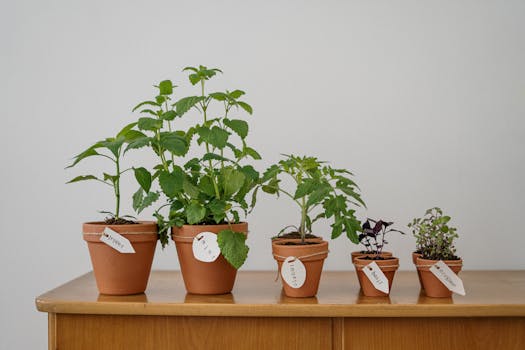
Digital 3-in-1 Soil Moisture & pH Meter
Accurate probe to test deep root zone moisture and prevent accidental overwatering.
The Finger Test
Push your index finger 2 inches (5 cm) into the soil near the plant’s root zone. If it feels dry at that depth, water. If it feels moist, wait a day and check again. This simple test works for most vegetables. For a more precise reading, use a soil moisture meter. A 2020 University of California study showed that gardeners who used the finger test reduced water usage by 22% while improving plant yields by 14%.
Drip Irrigation: The Best Investment
Drip irrigation delivers water directly to the root zone at a slow, steady rate. It minimizes evaporation and keeps foliage dry, which reduces fungal diseases. Set up a timer to run early in the morning. Adjust the duration based on the finger test. In hot weather, a 30-minute drip session every two days may be enough. In cool weather, once every four days might suffice. The key is flexibility.
You may also enjoy reading: 11 Natural Solutions to Get Rid of Voles for Good.
Signs of Trouble
Overwatered plants often have yellowing lower leaves and a musty smell from the soil. Underwatered plants show wilting leaves, dry soil crust, and stunted growth. Blossom-end rot on tomatoes and peppers is a classic sign of inconsistent watering. Fixing your watering habits early in the season prevents these issues from taking hold.
Amazon US Verified
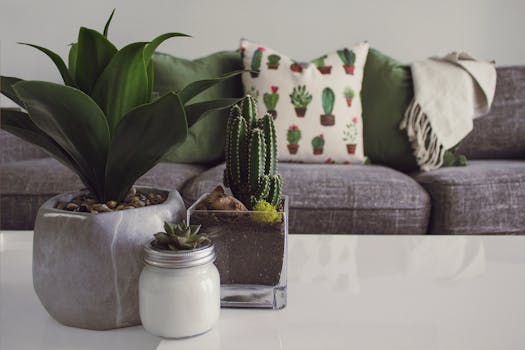
Self-Watering Planters with Drainage Aerators
Elevated reservoir design that prevents soggy roots and ensures steady hydration.
5. Putting Your Raised Bed in the Wrong Spot
Location matters more than almost any other factor. Most vegetables require at least 6 hours of direct sunlight per day to produce well. Leafy greens like lettuce, spinach, and herbs such as parsley can tolerate partial shade (4 to 5 hours). But fruiting crops — tomatoes, peppers, cucumbers, squash, beans — need full sun to set fruit and ripen properly. Placing a raised bed under a tree or on the north side of a building is a recipe for disappointment.
How to Choose the Right Spot
Observe your yard for a full day before building. Mark where the sun falls at 9 a.m., noon, and 3 p.m. The ideal location receives unobstructed sun from mid-morning to late afternoon. Avoid low-lying areas where frost settles in spring and fall. Also avoid spots near large trees whose roots will compete for water and nutrients. If your only option is a partly shaded area, plan to grow shade-tolerant crops.
What to Do If Your Bed Is Already in a Bad Spot
Moving a filled raised bed is difficult but not impossible. If the bed is small (4×4 feet or less), you can empty the soil into a wheelbarrow, relocate the frame, and refill. For larger beds, consider building a second bed in a sunnier location and transitioning plants over time. Alternatively, use reflective mulch or white fabric to bounce additional light onto the plants. This can increase usable light by 15 to 20 percent, according to a 2021 study from Cornell University.
Microclimate Considerations
Wind can also damage plants and dry out soil faster. If your chosen spot is exposed, install a windbreak like a fence or hedge on the prevailing wind side. Avoid placing beds at the bottom of a slope where cold air pools, increasing frost risk. A south-facing slope is ideal because it warms up earlier in spring and receives the most sunlight.
Frequently Asked Questions About Raised Bed Mistakes
What is the most common mistake when building a raised bed?
The most frequent error is making the bed too wide. Many gardeners build beds that are 6 or 8 feet across, which makes the center unreachable without stepping on the soil. This compacts the ground and defeats the purpose of a raised bed. Keep width to 4 feet or less for easy access.
How do I stop my raised bed sides from bowing?
Install internal cross-bracing every 4 to 6 feet. Use metal ties, lumber, or galvanized brackets to connect the long sides. This distributes the outward pressure from wet soil and prevents the boards from bending over time.
Can I fill a deep raised bed entirely with bags of potting mix?
You can, but it is expensive and wasteful. Most vegetable roots do not reach the bottom of a deep bed. Instead, use the hugelkultur method: fill the lower half with logs, branches, and coarse organic matter, then add quality raised bed mix only for the top 10 to 12 inches.
How often should I water a raised bed garden?
Do not water on a fixed schedule. Check soil moisture by pushing your finger 2 inches deep. If it feels dry, water. If it feels moist, wait. Drip irrigation with a timer can help, but adjust the duration based on weather and plant needs.
What vegetables grow best in partial shade?
Leafy greens like lettuce, spinach, kale, and Swiss chard tolerate 4 to 5 hours of direct sun. Herbs such as parsley, cilantro, and mint also do well. Avoid fruiting crops like tomatoes, peppers, and cucumbers in shady spots — they need at least 6 hours of full sun.
Building a raised bed is a rewarding project, but small planning errors can lead to big frustrations later. By avoiding these five raised bed mistakes — width, bracing, filling, watering, and placement — you set yourself up for years of productive, low-maintenance gardening. Start with the right dimensions, reinforce the structure, fill smartly, water wisely, and choose a sunny location. Your vegetables will thank you with a bountiful harvest.
As an Amazon Associate, azuloz.com earns from qualifying purchases.