The relentless pace of modern life often leaves us feeling spiritually and mentally depleted. Between the constant notifications on our phones and the endless to-do lists, finding a moment of true stillness can feel like an impossible luxury. Many people turn to expensive spa retreats or wellness apps to find peace, but there is a far more accessible, grounding solution waiting just outside your back door. By intentionally selecting soothing garden plants, you can transform a simple patch of dirt into a living, breathing sanctuary designed to lower your cortisol levels and reset your nervous system.
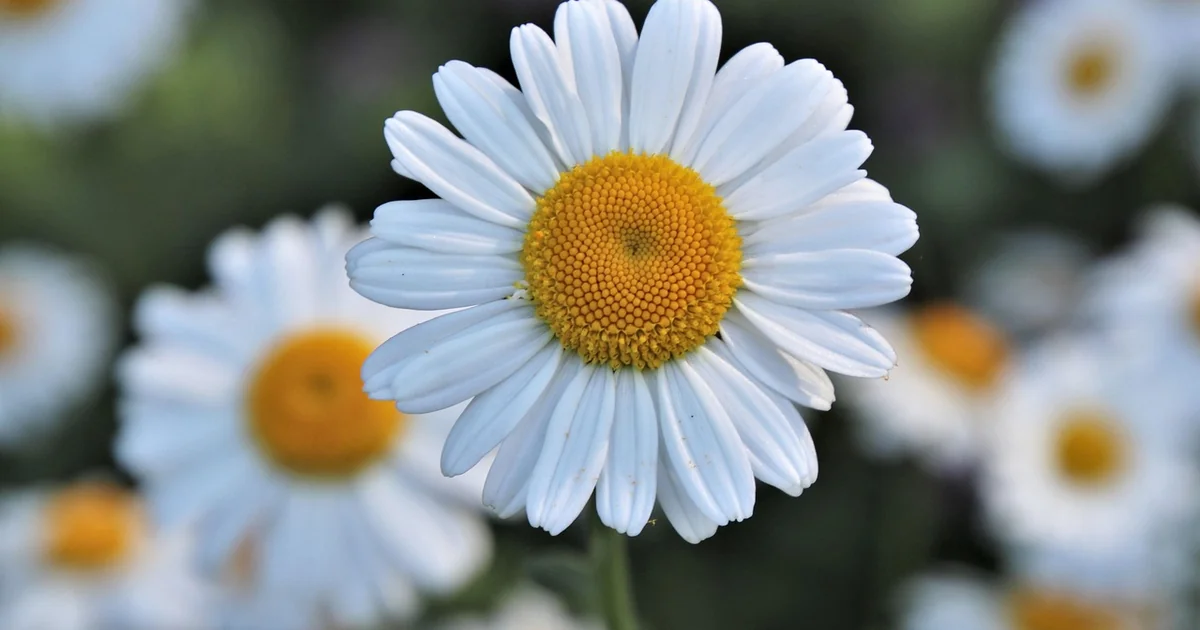
Gardening is not merely a hobby; it is a scientifically backed method for improving mental health. Engaging with the soil and observing the slow, rhythmic cycles of nature provides a form of mindfulness that is difficult to replicate in any other setting. When we curate a space specifically for sensory engagement, we create a multi-dimensional experience that pulls us out of our racing thoughts and back into our physical bodies. This practice, often referred to as sensory planting, uses the five senses to anchor us in the present moment.
1. The Fragrant Anchor: Lavender (Lavandula angustifolia)
Smell is perhaps the most direct pathway to the brain’s emotional center, the limbic system. While many commercial candles and essential oils attempt to mimic the scent of nature, nothing compares to the complex, layered aroma of a living lavender bush. Lavender has been utilized for centuries in traditional wellness practices, and modern science is finally catching up to its benefits.
Specifically, English lavender, known botanically as Lavandula angustifolia, contains high concentrations of two key chemical compounds: linalool and linalyl acetate. These organic compounds are well-documented for their ability to interact with the neurotransmitters in our brain to promote relaxation. Research suggests that inhaling these molecules can physically lower the heart rate and reduce blood pressure, making it an ideal plant for those struggling with evening anxiety or insomnia.
Choosing the Right Variety for Your Scent Profile
Not all lavender smells the same, and your choice should depend on your personal olfactory preferences. If you enjoy a classic, sweet, and clean floral scent, stick with the traditional English varieties. For those who find the sweetness of standard lavender a bit overwhelming, you might prefer Lavandula x intermedia, commonly referred to as lavandin. This is a hybrid cross that offers a much sharper, more camphorous, and herbaceous aroma that can feel more “cleansing” than “sweet.”
For gardeners in slightly cooler climates, look for cultivars like ‘SuperBlue.’ This variety is bred specifically for its intense perfume and its ability to thrive in zones 5 through 8. If you are looking for something exceptionally hardy and robust, varieties such as ‘Phenomenal’ or ‘Sensational’ are excellent choices. These plants are perennials, meaning once you establish them in well-draining soil, they will return year after year to provide your personal aromatherapy sessions.
Practical Implementation: Planting for Maximum Scent
To get the most out of your lavender, you must plant it where the wind can carry its scent toward your seating area. A common mistake is planting fragrant herbs in a far corner of the garden where the aroma is lost to the breeze. Instead, plant them in clusters near walkways or directly adjacent to a patio. Ensure the soil is sandy and well-draining; lavender hates “wet feet,” which can lead to root rot. A little bit of grit in the soil goes a long way in ensuring these plants thrive and continue to produce those calming oils.
2. The Tactile Retreat: Lamb’s Ear (Stachys byzantina)
While scent reaches the mind, touch reaches the body. In a world dominated by hard surfaces—glass screens, metal keyboards, and concrete sidewalks—the human skin craves soft, organic textures. This is where Lamb’s Ear becomes an indispensable part of a sensory garden. As its name suggests, the leaves of Stachys byzantina possess a texture that is remarkably similar to the soft fur of a lamb.
The silvery-green foliage is covered in a dense layer of fine, microscopic hairs. This isn’t just for aesthetic purposes; these hairs are a biological adaptation that helps the plant retain moisture by creating a micro-layer of still air against the leaf surface. This makes the plant incredibly drought-tolerant, a major plus for anyone who wants a beautiful garden without the constant stress of intensive watering schedules.
Engaging the Sense of Touch
There is something deeply meditative about running your fingers over the velvety surface of a Lamb’s Ear leaf. For children, this provides a wonderful tactile stimulation that can help ground them when they are feeling overstimulated or restless. For adults, it serves as a “fidget” for the soul—a way to engage with the physical world in a gentle, soothing manner.
If you have a smaller space or prefer larger leaves for a more dramatic tactile experience, consider the ‘Helene Von Stein’ cultivar. This variety produces much larger leaves that are just as soft as the standard type, making the sensory impact even more pronounced. These plants are highly versatile, working well as ground cover in zones 4 through 9 or as a beautiful accent in a large, free-draining terracotta pot on a sunny patio.
Creating a Tactile Path
A creative way to implement this is to create a “touch border” along a garden path. As you walk through your sanctuary, you can reach out and brush your hands against the soft foliage. This creates a rhythmic, grounding experience that helps transition your mind from the stresses of the day into a state of relaxation. Just remember to ensure they are placed in a spot with plenty of sunlight and excellent drainage to prevent the leaves from becoming mushy.
3. The Visual Harmony: Sunflowers (Helianthus annuus)
Our eyes are often bombarded with chaotic, jagged, and unpredictable visual stimuli. From flickering advertisements to cluttered digital interfaces, our visual cortex is constantly working to process information. To counter this, we can look to the natural world for patterns that are inherently soothing to the human brain. Sunflowers are a masterclass in this kind of visual peace.
Beyond their bright, cheerful yellow petals, the true magic of the sunflower lies in the center of the flower head. The seeds are arranged in a complex, interlocking pattern that follows the Fibonacci Spiral. This mathematical sequence is found throughout nature—in seashells, hurricanes, and galaxies—and because it is so prevalent in the natural world, our brains are evolutionarily hardwired to find these patterns aesthetically pleasing and calming to observe.
The Power of Mathematical Beauty
When you gaze into the center of a sunflower, your brain isn’t just seeing seeds; it is seeing order. This sense of mathematical order provides a subconscious feeling of stability and predictability. In a life that often feels chaotic and out of control, observing a perfect, repeating pattern can be a profound way to find mental equilibrium.
For those wanting to maximize this visual impact, the ‘Mammoth Grey Stripe’ variety is a spectacular choice. These sunflowers can produce blooms as large as a dinner plate, held up on sturdy stems that can reach heights of up to 12 feet. The sheer scale of these flowers makes them a focal point that commands attention and invites long, contemplative stares. They are easy to grow in almost any zone, provided they have plenty of sun and a strong stake for support.
You may also enjoy reading: Plants That Repel Ants and Keep Your Patio Ant-Free This Summer.
A Multi-Sensory Reward
Sunflowers offer a unique “bonus” that few other garden plants can: they provide a literal snack. Once the flower heads have matured and dried, you can harvest the seeds. You can eat them raw for a healthy boost, roast them with a bit of sea salt for a patio snack, or even grill the entire oiled flowerhead when the seeds are still young and tender. This turns the act of gardening into a full cycle of visual beauty, mathematical wonder, and physical nourishment.
4. The Auditory Sanctuary: Japanese Silver Grass (Miscanthus sinensis)
We often forget how much the “soundscape” of our environment affects our stress levels. Constant traffic noise, humming appliances, or the distant drone of neighbors can keep our nervous systems in a state of low-level alertness. To achieve true tranquility, a garden must address the ears as well as the eyes and nose.
While many people turn to bamboo to create a sense of privacy or sound buffering, bamboo can often be invasive and difficult to manage. A far smarter, more elegant choice for a soothing garden is variegated Japanese silver grass, specifically Miscanthus sinensis ‘Variegatus’. This ornamental grass is not only visually striking with its cream and green striped leaves, but it is also a musical instrument in its own right.
Creating a Natural Soundscape
As the wind moves through the slender, arching blades of the silver grass, it produces a soft, rhythmic rustling sound. This is a type of “white noise” that is incredibly effective at masking unwanted environmental sounds. Unlike the harsh noise of a passing car, the sound of grass in the breeze is organic and unpredictable in its rhythm, which helps the brain settle into a state of relaxed awareness.
This grass can grow quite large, reaching up to 6 feet in height and spreading 3 to 5 feet wide. This makes it an excellent choice for creating “living walls” or privacy screens that double as sound barriers. By planting these in clusters around your seating area, you create an acoustic cocoon that separates you from the outside world.
Implementation for Sound and Privacy
To get the best auditory effect, plant your Miscanthus in areas where you know there will be a natural breeze. If you live in a very sheltered area, you might need to place them in a way that catches the prevailing winds. Because they grow so densely, they also provide excellent visual privacy, making your garden feel like a secret, secluded room. This combination of visual screening and auditory masking is the ultimate recipe for a private sanctuary.
5. The Complete Sensory Experience: Integrating Your Sanctuary
The final and most important step in using soothing garden plants is the integration of these elements. A collection of beautiful plants is wonderful, but a designed sensory experience is transformative. To truly reap the benefits, you should aim to engage as many senses as possible in a single, concentrated area.
Imagine a small, secluded corner of your garden. In the center sits a comfortable, weather-resistant chair. Surrounding this chair is a lush border of Lamb’s Ear, inviting you to reach out and touch the soft leaves. To your left, a cluster of Lavender catches the afternoon breeze, sending waves of calming scent toward you. To your right, the tall, variegated blades of Japanese silver grass rustle softly, creating a wall of sound that masks the distant hum of the street. And directly in your line of sight, the magnificent, patterned face of a Sunflower provides a focal point for your meditation.
Designing for Different Ages
This approach is particularly beneficial for families. If you have children who struggle with emotional regulation, a sensory garden can act as a “reset button.” Instead of a screen, they can have a space where they can touch, smell, and listen. Creating a “sensory path” where they can walk through different textures—from the soft Lamb’s Ear to the crunch of gravel or the rustle of grasses—can be a powerful tool for teaching them how to self-soothe through nature.
For adults, the goal is often the opposite: to find a place where the world stops demanding things from you. By choosing plants that are perennial and relatively easy to care for, you ensure that your sanctuary remains a place of peace rather than a place of work. The investment you make in these five plant types will pay dividends in your mental well-being for many seasons to come.
Creating a sanctuary doesn’t require a massive estate or a professional landscaper. It simply requires an intentionality about the life you bring into your outdoor space. By selecting plants that speak to your senses, you turn your garden into a living partner in your mental health journey.