Getting Started with Sumac Planting
Sumac often catches the eye of drivers passing along rural highways. Its flame-red fall foliage and fuzzy crimson fruit clusters stand out against muted autumn landscapes. Gardeners who admire this look may want to bring it home. But sumac is not a typical ornamental shrub. It grows fast, spreads wide, and demands respect for its vigorous nature. Before you dig a single hole, understanding what this plant needs and how it behaves will save you headaches later. Successful sumac planting begins with choosing the right species, picking a smart location, and preparing for its aggressive root system.
What Makes Sumac Unique Among Native Shrubs
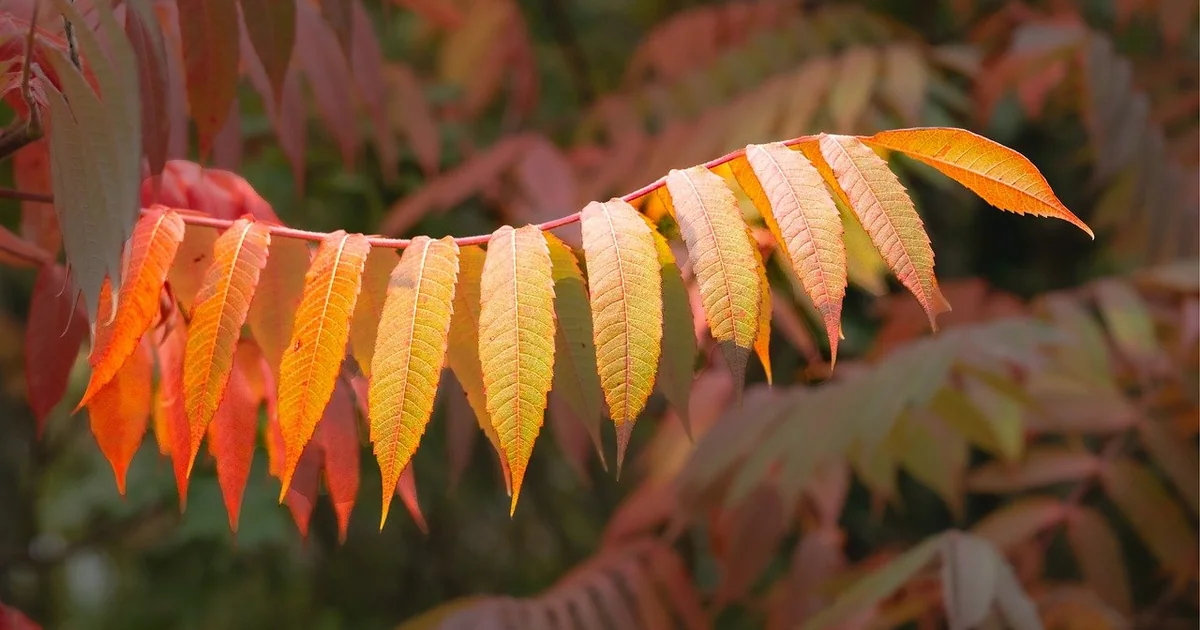
Sumac belongs to the genus Rhus, which contains about 150 species worldwide. Of these, 14 species are native to North America. The three most common native varieties are staghorn sumac (Rhus typhina), smooth sumac (Rhus glabra), and winged sumac (Rhus copallinum). Each produces large flower clusters in spring that mature into berrylike drupes. These drupes persist through winter and provide essential food for birds and small mammals. Fall foliage shifts through shades of orange, flame red, and deep burgundy.
A common concern is confusion with poison sumac (Toxicodendron vernix), which grows in wetlands and causes skin irritation. True sumac species are harmless and produce the familiar red fruit clusters. Another look-alike is tree-of-heaven (Ailanthus altissima), an invasive weed tree. Learning to distinguish these plants is an important first step in safe sumac planting.
7 Essential Steps for Successful Sumac Planting
Follow these seven steps to establish a healthy sumac that delivers vibrant color and wildlife value without overtaking your yard.
Step 1: Choose the Right Sumac Species for Your Region
Hardiness zones for sumac range from 3 through 10, but not every species thrives in every zone. Staghorn sumac performs well in zones 3 through 8 and reaches heights of 15 to 25 feet. Smooth sumac also handles zone 3 winters and stays slightly shorter at 10 to 15 feet. Winged sumac prefers warmer zones, typically 4 through 9, and tops out near 12 feet. If you live in a mild coastal region, lemonade berry sumac (Rhus integrifolia) may suit your conditions, but it demands a frost-free climate. Check your local extension office for native sumac recommendations before purchasing. Matching species to your climate is the foundation of all successful sumac planting.
Step 2: Select a Location with Room to Roam
Sumac spreads aggressively through underground rhizomes. A single plant can produce a thicket 15 to 25 feet wide within a few growing seasons. Avoid planting near foundations, fences, patios, driveways, or prized flower beds. An isolated bed at the edge of your property works well. Large containers also contain the root system, though you must monitor soil moisture closely. Root barriers made of heavy-duty plastic or metal can be buried around the planting hole to slow outward spread. Full sun produces the densest growth and the most vivid fall color. Partial shade is tolerable but often results in looser branching and muted foliage tones. When planning your sumac planting, always prioritize a spot where its expansive habit will not become a problem.
Step 3: Prepare Well-Drained Soil with the Right pH
Sumac adapts to many soil types, including sandy, rocky, and loamy ground. The single non-negotiable condition is good drainage. Saturated soil leads to root rot, which can kill the plant within one season. Test your soil drainage by digging a hole 12 to 18 inches deep, filling it with water, letting it drain, then refilling. Well-draining soil absorbs about one inch of water per hour. If water still sits after several hours, amend the bed with coarse sand or organic matter, or choose a different site. The ideal pH range for sumac planting is slightly acidic to neutral, between 6.5 and 7.0. A simple soil test kit from a garden center can confirm your pH. If the soil is too alkaline, add sulfur or peat moss to lower it gradually.
Step 4: Plant at the Correct Depth and Time
Early spring is the best window for sumac planting. Cool soil and consistent spring rain give the roots time to establish before summer heat arrives. Dig a hole as deep as the root ball and at least twice as wide. Wider holes encourage roots to spread outward rather than circling. Place the shrub in the hole so the top of the root ball sits level with or slightly above the surrounding soil surface. Backfill with the original soil you removed. Do not add compost or fertilizer at planting time; sumac does not need rich soil and may grow too quickly with amendments. Tamp the soil gently to remove air pockets, then water slowly and thoroughly. Apply a two- to three-inch layer of organic mulch around the base, keeping it a few inches away from the trunk to prevent rot.
Step 5: Water Consistently During the First Season
Newly planted sumac needs about one inch of water per week during its first growing season. A deep soaking once a week is better than frequent light sprinklings because it encourages roots to grow deeper. Use a rain gauge or place a small container near the plant to track rainfall. In dry spells, supplement with a garden hose on a slow trickle for 30 to 45 minutes. Established sumac typically survives on natural rainfall alone, even during moderate drought. Potted sumac dries out faster and may need watering two to three times per week in hot weather. The key to successful sumac planting is consistent moisture without waterlogging. Check soil moisture by inserting your finger two inches into the soil near the root zone. If it feels dry, it is time to water.
Step 6: Install Root Barriers to Control Spread
Sumac rhizomes travel horizontally just below the soil surface. Without intervention, new shoots can pop up 10 feet or more from the original plant. A root barrier is a simple solution. Dig a trench around the planting area, at least 12 inches deep, and insert a barrier made of high-density polyethylene or metal roofing flashing. The barrier should extend a few inches above the soil line to prevent rhizomes from growing over the top. Connect the ends securely with overlapping seams. This method works best when installed at the time of sumac planting, before roots have spread widely. For existing thickets, repeated cutting of new shoots at ground level can keep spread in check, though it requires ongoing effort.
Step 7: Prune in Early Spring for Health and Shape
Sumac does not require formal pruning to thrive. However, a yearly trim in early spring keeps the plant tidy and limits unwanted spread. Remove any dead, damaged, or crossing branches at the base. Cut back wayward rhizome shoots that emerged too far from the main plant. For larger species like staghorn sumac, you can also remove some of the oldest stems to encourage fresh growth from the base. Wear gloves and long sleeves during pruning because the stems contain a milky sap that can irritate sensitive skin. Golden-leaf cultivars such as Rhus typhina ‘Tiger Eyes’ need special attention. Shelter them from harsh afternoon sun to prevent leaf scorch, and prune sparingly to preserve their natural mounded form. Regular pruning is the final piece of a complete sumac planting care routine.
You may also enjoy reading: 7 Best Rain Gauges Our Editors Love.
Common Mistakes to Avoid When Growing Sumac
Many gardeners assume sumac will behave like a typical shrub. It does not. Planting it too close to structures is the most frequent error. Another is overwatering established plants. Sumac evolved in dry, rocky habitats and cannot handle wet feet. Over-fertilizing is also counterproductive. Rich soil encourages lush, weak growth that flops over and produces muted fall color. Finally, do not confuse sumac with tree-of-heaven when identifying volunteer seedlings. Tree-of-heaven has smooth bark and a strong odor when crushed, while sumac has fuzzy stems and a mild scent. Avoiding these pitfalls makes sumac planting far more rewarding.
Frequently Asked Questions About Sumac Planting
How fast does sumac grow after planting?
Sumac is a fast-growing shrub, especially in full sun and well-drained soil. In the first year, expect 12 to 24 inches of top growth as the root system establishes. By year three, many species reach their full height and begin spreading via rhizomes. Growth slows once the plant matures, but lateral spread continues throughout its life.
Can sumac be grown in a container permanently?
Yes. Dwarf varieties and young specimens of smaller species adapt well to large containers. Choose a pot at least 18 inches in diameter with drainage holes. Use a potting mix formulated for shrubs. Potted sumac needs more frequent watering than in-ground plants and should be fed monthly with half-strength balanced fertilizer during the growing season. Root pruning every two to three years prevents the plant from becoming rootbound.
Does sumac attract pests or diseases?
Sumac is remarkably resistant to most pests and diseases. Occasional issues include powdery mildew in humid conditions and damage from borers in stressed plants. Keeping the plant healthy with proper sun, drainage, and spacing prevents nearly all problems. Avoid overhead watering to reduce mildew risk. Wildlife, especially birds, are drawn to the drupes, but this is a benefit rather than a problem for most gardeners.
How do I remove sumac if I change my mind?
Removing established sumac requires persistence. Cut all stems to the ground and dig out the main root crown. Monitor the area for new shoots emerging from leftover rhizomes. Repeated cutting or mowing of new growth eventually exhausts the root system. Herbicides containing glyphosate or triclopyr can be applied to fresh stump cuts for more aggressive control, but follow all label instructions carefully. This is one reason careful site selection during sumac planting is so important.
Is sumac safe for pets and children?
Non-toxic sumac species are safe around pets and children. The fuzzy red drupes are not considered poisonous, though eating large quantities may cause mild stomach upset. The sap can cause minor skin irritation in sensitive individuals, so wear gloves when handling cut stems. This is in stark contrast to poison sumac, which causes severe dermatitis. Always confirm you have a true Rhus species before allowing any part of the plant to be handled.
Enjoying the Rewards of Your Sumac Planting Efforts
A well-placed sumac delivers year-round visual interest with minimal ongoing work. Spring brings delicate green flower clusters, summer offers dense leafy cover, and fall ignites the landscape with brilliant reds and oranges. The crimson drupes persist through winter, providing a vital food source for birds when other options are scarce. By following these seven essential steps and planning ahead for sumac’s vigorous growth, you can enjoy this resilient native shrub without the stress of constant maintenance. Choose your spot wisely, prepare the ground, and let nature do the rest.