Choosing the right playthings for a neurodivergent child can feel overwhelming. The aisles are packed with options, but most are designed with a one-size-fits-all approach to development. After reviewing more than 60 different toys and consulting with a licensed marriage and family therapist, a behavioral analyst, and a preschool teacher experienced with autistic children, we have curated a list of 11 outstanding options. These picks support sensory needs, build social confidence, and strengthen essential life skills.
What types of play do autistic children enjoy?
Neurodivergent children tend to enjoy different types of play than neurotypical children. They often prefer activities that involve repetitive motions or allow them to fixate on a specific object. This is not a limitation — it is a different way of engaging with the world.
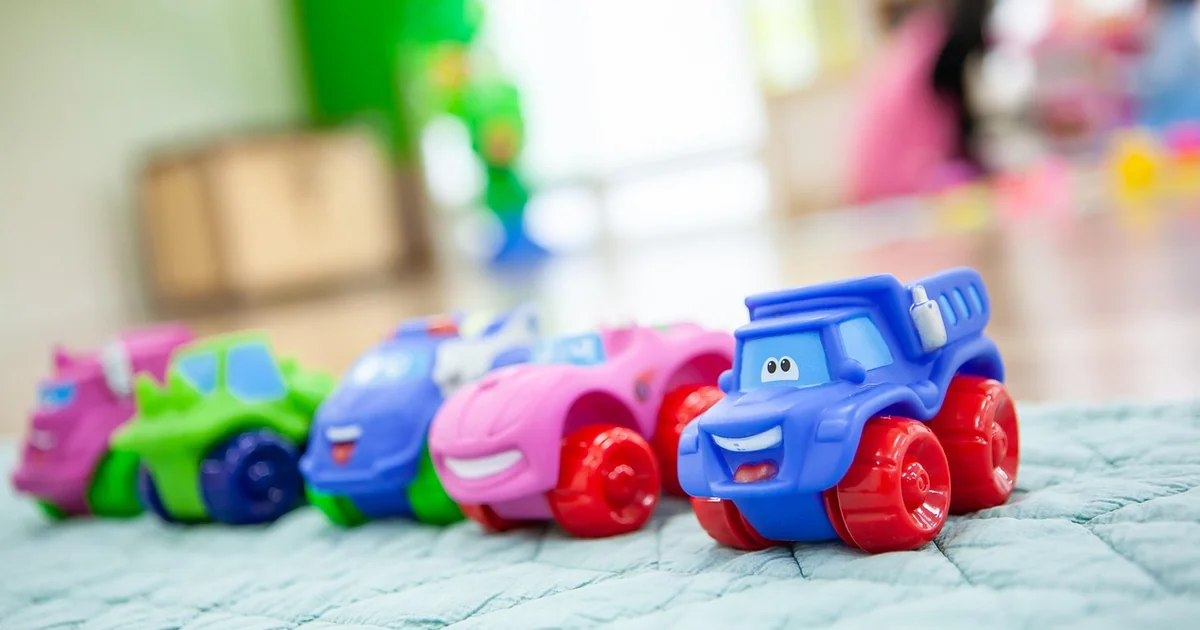
For many autistic kids, lining up toys by color or size feels deeply satisfying. Sorting objects into categories provides a sense of order and predictability. These activities can be both calming and intellectually stimulating. Understanding this preference helps caregivers select toys that match a child’s natural inclinations rather than fighting against them.
Autistic children may also enjoy solitary play for longer stretches. They might resist games that require turn-taking or imaginative scenarios with multiple characters. The right toys honor these tendencies while gently introducing new skills.
Why do autistic children need different toys?
According to behavioral analyst Susan Kim, autistic kids may struggle with processing sensory information, reading social cues, and taking turns with others. A standard board game that demands rapid social back-and-forth can become a source of frustration rather than fun.
Toys designed with these differences in mind reduce overwhelm. They allow a child to engage at their own pace. A toy that promotes categorizing, for example, taps into a natural strength. It turns a potential difficulty into an area of confidence.
Furthermore, many off-the-shelf toys assume a certain level of fine motor control or tolerance for loud noises. Autistic children may have hypersensitive hearing or underdeveloped hand muscles. Specialized toys account for these variations, making play accessible rather than stressful.
How can toys help autistic children with social skills?
Games that promote categorizing and can be played alongside others help autistic kids engage with peers in a comfortable way. The focus shifts from direct social interaction to a shared task. This lowers the pressure.
For instance, a sorting game with colorful bears and tweezers invites parallel play. A sibling or friend can sit nearby, both working on the same activity without forcing conversation. Over time, this shared space can naturally lead to simple exchanges — passing a piece, pointing to a match, or celebrating a completed row.

Amazon US Verified
Little Spot of Emotion 8-Book Box Set
Engaging visual books and plushies that help children identify and regulate feelings.
Structured turn-taking is another benefit. When a game has clear rules and a predictable sequence, autistic children can practice waiting for their turn without the ambiguity of freeform conversation. The toy itself provides the social script.
What sensory issues do autistic children face with toys?
Some autistic children gravitate towards toys with certain textures, lights, or noises, while others shy away from them. A toy that one child finds soothing — like a vibrating cushion — might be unbearable for another.
This is why variety matters. The best toys for autistic kids offer options within a single product. A set of worry stones, for example, includes six different textures. A child can explore each one and gravitate toward what feels right. No single texture is forced.
Bright flashing lights and high-pitched sounds are common triggers. Many toys marketed for autism use muted colors and soft materials instead. Weighted items provide deep pressure input, which can be regulating for children who seek proprioceptive feedback. The key is matching the toy’s sensory profile to the child’s specific sensitivities.
What are some therapeutic benefits of specific toys for autism?
Toys like Sensory Worry Stones can reduce anxiety, and dressing boards improve fine motor and sequencing skills, offering both therapeutic and developmental benefits. These are not just playthings — they are tools for growth.
Sensory Worry Stones
Autistic children experience higher levels of anxiety than their peers. These small, palm-sized stones fit easily into a pocket or backpack. Each box contains six stones, all varying in color and texture, made from a non-toxic form of rubber.
Rubbing the stones provides a repetitive, grounding motion. This can help manage fidgeting and redirect repetitive behaviors into a focused, calming activity. The tactile input is gentle but distinct enough to hold attention. One minor consideration: the rubber surface may cause fingers to stick slightly, which could bother children who prefer a completely smooth feel. But for many, the varied textures are part of the appeal.
Montessori Dressing Boards
Tying shoes requires fine motor control and sequencing — skills that can be especially challenging for autistic children. This set of dressing boards teaches kids to handle buttons, snaps, zippers, buckles, and laces. Each board isolates one fastener, reducing visual clutter.
Amazon US Verified
Daily Visual Routine Chart for Toddlers
Interactive morning/bedtime chore chart that empowers independence and calm transitions.
Mastering each skill builds memory, problem-solving ability, and confidence. The boards are portable, so practice can happen at home, in the car, or during a quiet moment at a restaurant. One note: the fabric on some boards is pulled tight, requiring a bit of force to snap or zip. A child with low hand strength might need initial assistance.
Colorful Sorting Bears with Tweezers
This game taps directly into the natural autistic preference for ordering and categorizing. It comes with two large tweezers, two sorting cups, and a set of tiny bears in assorted colors. Children can sort by color, count the bears, or simply line them up.
The tweezers add a fine motor challenge. The game can be played solo or with a partner, making it flexible for social skill building. All pieces store in a carrying case with handles, which encourages clean-up. Parents should supervise younger children, as the small bears present a choking hazard.
11 Best Toys for Autistic Kids, Approved by Experts
Below are our top 11 recommendations, organized by the skills they support. Each has been reviewed by at least one of many consultants and stands out for its thoughtful design.
You may also enjoy reading: Gentle Parenting Africa: 5 Ways to Raise Confident Kids.
1. Sensory Worry Stones (Ages 3+)
As described above, these stones offer portable anxiety relief. They support fidgeting and repetitive motion in a non-disruptive way. Best for on-the-go calm.
2. Montessori Dressing Boards (Ages 3+)
These boards build life skills and fine motor coordination. They help with sequencing, memory, and independence in dressing. A practical choice for daily routines.
Amazon US Verified
Montessori Wooden Step Stool & Kitchen Helper
Safe enclosed toddler tower allowing young children to participate at counter height.
3. Colorful Sorting Bears with Tweezers (Ages 3+)
This game encourages categorizing, counting, and fine motor work. It supports parallel play and social interaction without overwhelming demands.
4. Weighted Stuffed Animal (Ages 3+)
Weighted stuffed animals provide deep pressure stimulation, which can be calming for many autistic children. This particular animal weighs slightly less than 3 pounds. It is made with sensory-friendly fabric that won’t itch or irritate sensitive skin. The weight distributes evenly, making it comfortable to hold or drape across the lap during quiet time.
5. Liquid Motion Bubbler Timer
This simple visual toy features colored oil droplets that slowly fall through water. Watching the bubbles move can be deeply regulating. It requires no batteries and makes no noise. Children can watch it during transitions or as a calming break between activities.
6. Chewable Pencil Toppers
Many autistic children seek oral sensory input. These silicone toppers fit on standard pencils, providing a safe, discreet chewing option. They help with focus during homework or class time. They are BPA-free and come in multiple textures.
7. Stacking Peg Board Set
Peg boards offer repetitive, satisfying work. Children place pegs into a grid to create patterns or pictures. This builds hand-eye coordination and concentration. The set includes a variety of peg colors for sorting practice.
8. Noise-Canceling Headphones
While not a toy in the traditional sense, these headphones are essential for autistic children with auditory sensitivities. They reduce overwhelming environmental noise during outings, school assemblies, or family gatherings. Look for a comfortable, adjustable fit.
9. Magnetic Building Tiles
These tiles click together easily, requiring less fine motor precision than traditional building blocks. They allow for open-ended creativity without frustration. The magnets provide satisfying sensory feedback. Children can build towers, houses, or geometric shapes.
10. Social Skills Card Game
This deck of cards presents simple social scenarios. Players discuss how they would respond, practice taking turns, and learn to read facial expressions. The game structure removes the pressure of real-time social interaction. It is best played with a trusted adult or sibling.
11. Kinetic Sand Set
Kinetic sand holds its shape but crumbles easily. It provides a unique tactile experience that many autistic children find calming. It never dries out and is easy to clean up. The set includes molds and tools for building.
Frequently Asked Questions
How do I know which toy is right for my autistic child?
Start by observing your child’s natural preferences. Do they seek out soft textures or avoid them? Do they enjoy lining things up or prefer to throw and catch? Match the toy to their sensory profile. If you are unsure, choose a toy that offers variety, like the worry stones or the sorting bears, so your child can explore different options.
What is the difference between a sensory toy and a regular toy?
A sensory toy is specifically designed to provide calming or organizing input to the sensory system. Regular toys may also have sensory qualities, but sensory toys are intentional about texture, weight, sound, or visual effect. For example, a weighted stuffed animal is a sensory toy because its deep pressure is therapeutic. A regular stuffed animal is just soft.
Are these toys safe for children with pica or oral sensitivities?
Many of the toys on this list are made from non-toxic materials, but you should always supervise young children during play. The worry stones and chewable pencil toppers are designed for oral use and are made from safe rubber or silicone. However, the small pieces in the sorting bear set are a choking hazard and should not be mouthed. Check the recommended age and supervise accordingly.
As an Amazon Associate, azuloz.com earns from qualifying purchases.