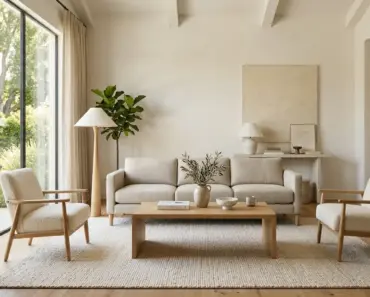
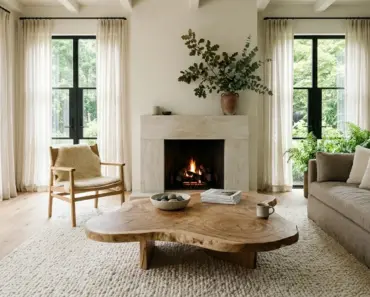
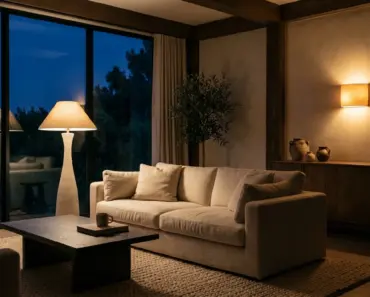
These so-called ugly design trends might actually be your home’s best feature. Walk through any newly built home today and you will see the same formula: white walls, gray flooring, open layouts, and matte-black hardware. It is clean and safe, but it also lacks personality. A growing number of homeowners are rediscovering older, bolder choices that once fell out of fashion. These underrated design trends bring warmth, character, and a sense of history back into living spaces. Here are seventeen of them, each one worth a second look.

Living Spaces with Personality
Sunken Living Rooms
Also called conversation pits, sunken living rooms create a distinct zone within a larger space. The BuzzFeed Community shared this as a comeback trend worth reviving. One commenter noted that the lower floor level kept toddlers corralled and contained much of the mess from toys and snacks. Another person described these rooms as cozy and excellent for conversation during gatherings. They offer intimate spots for talking while remaining part of the overall event.

Amazon US Verified
Hang-O-Matic All-in-One Picture Hanging Tool
Tape measure, sliding level, and markers in one tool for flawless gallery walls.
Parlors
A parlor is a formal sitting room designed for quiet relaxation and conversation. One commenter recalled fond memories of spending time in their grandmother’s parlor as a child. That room had no televisions, tablets, or phones. It was simply a place to sit, talk, and be present with family. Every home could benefit from one electronics-free zone where the only agenda is connecting with the people around you.
Rooms with Walls
Open floor plans have dominated home design for the past two decades, but not everyone loves them. Several commenters spoke up in favor of rooms with actual walls and doors. Defined spaces allow you to close off noise, contain cooking smells, and keep clutter out of sight. When you want quiet, you close a door. When you want company, you open it. That flexibility is hard to beat.
Attics as Livable Rooms
Most attics today are designed for storage only, with plywood floors and low ceilings. One commenter expressed a wish for attics that could function as real rooms, like the ones seen in Charmed or Little Women. A finished attic could serve as a book nook, a playroom for rainy days, or a guest bedroom. It turns dead square footage into some of the most charming space in the house.
Kitchen and Bathroom Character
Tuscan-Style Kitchens
A commenter from Pennsylvania described missing the Tuscan kitchen aesthetic: terracotta floors, earthy rustic tones, bold stone hoods above the range, copper pots hanging over the island, wrought-iron elements, and large exposed wooden beams. This style evokes an upscale Italian villa feel with earthy tones and natural materials. It feels warm, lived-in, and far removed from the sterile white kitchens that fill so many modern homes.
Vintage Tile Bathrooms
Baby blue, pink, and green vintage tile bathrooms are often the first thing ripped out during a renovation. One commenter defended them as quietly elegant and full of character. These colorful tiles have a charm that modern white subway tile simply cannot replicate. They have character and charm that modern updates often lack. Keeping them intact preserves a piece of design history that looks fresh again today.
Carpeted Bathrooms
Carpet in a bathroom sounds like a maintenance nightmare, but one commenter who grew up with it described the experience as incredibly cozy. Paired with a wall heater, a carpeted bathroom offers warm floors on cold mornings. The commenter noted that they never burned themselves on the heater, even as a small child. If you maintain it properly, this setup provides warmth and coziness that tile floors cannot match.
Real Wood Cabinetry
Engineered wood and laminate cabinets have become standard in many new homes. One commenter praised real wood cabinets for their gorgeous texture and natural patterns. No two pieces of wood grain are exactly alike, which gives a kitchen or bathroom a unique, organic feel. Real wood ages gracefully, develops patina over time, and can be refinished rather than replaced.
Closed Floor Plans for Kitchens
Open kitchens look great in photos, but they come with real drawbacks. One commenter pointed out that a blender running five feet from the sofa makes it impossible to watch a movie. Hosting a dinner party means keeping the kitchen spotless because it is part of the living area. A closed floor plan reduces noise and keeps kitchen mess hidden from living areas, making daily life more peaceful.
Materials and Textures That Matter
Brutalist Interior Design
Brutalism often gets labeled as cold or harsh, but one commenter made a strong case for its interior potential. Exposed concrete, steel accents, natural wood, live plants placed here and there, and spot lighting create a surprisingly warm industrial look. The key is balancing hard materials with soft greenery and warm light. The result feels honest, solid, and grounded in a way that drywall and paint never do.
Shiplap Accents
Shiplap has become a polarizing topic in design circles. One commenter from a beach town defended it as tasteful at best and innocuous at worst. They even planned to use shiplap to cover a popcorn ceiling they inherited. When applied in moderation, shiplap adds subtle texture and a casual coastal feel. It works especially well in entryways, bathrooms, and as an accent wall in a bedroom.
Amazon US Verified
Peel and Stick Textured Linen Wallpaper
Removable neutral wall covering providing architectural warmth and tactile depth.
Natural Stone and Terracotta
Terracotta floors and natural stone surfaces bring an earthy, grounded quality to a home. These materials have been used for centuries because they perform well and look beautiful as they age. Terracotta tiles develop a warm patina over time. Stone counters and backsplashes offer unique veining and color variations that manufactured materials cannot imitate. Both options connect the indoors to the natural world outside.
You may also enjoy reading: 7 Living Room Trends Designers Say Are Fading.

Amazon US Verified
Ceramic Fluted Decorative Vase Set
Modern minimalist ceramic vases perfect for shelves, consoles, and dried florals.
Mixed Material Textures
The trend toward uniform finishes has made many homes feel flat. Combining different textures such as rough wood, smooth metal, soft fabric, and glossy tile adds visual interest and depth. A room with varied textures feels layered and intentional rather than staged. This approach works in any room and costs nothing extra if you already own pieces made from different materials.
Color and Light
Vibrant Wall Colors
One commenter expressed frustration with the dominance of neutral tones in modern homes. They asked for actual vibrant colors, not shades of gray or white that barely hint at yellow or blue. A deep green accent wall, a sunny yellow kitchen, or a navy blue bedroom can transform a space from forgettable to memorable. Color affects mood, energy, and how a room feels throughout the day.
Statement Ceilings
Ceilings are often treated as an afterthought, painted flat white and ignored. Exposed wooden beams, bold paint colors, or patterned wallpaper on the ceiling draw the eye upward and make a room feel larger and more intentional. The Tuscan kitchens mentioned earlier used large exposed beams to great effect. A statement ceiling can turn a forgettable room into one that people remember.
Entryway Shelves
Midcentury modern homes often featured built-in shelves near the front door. One commenter noted that these shelves divided the entry from the living room while still allowing sightlines. They also provided a perfect spot for displaying small knick-knacks, photos, or plants. Many homeowners rip them out during renovations, but they add function and charm that a blank wall cannot offer.
Choosing Features You Will Actually Maintain
One commenter offered a practical piece of wisdom: choose luxury features you are willing to maintain. If you love the look of a pool but hate cleaning it, skip the pool. If you adore the feel of carpet but dislike vacuuming, choose something else. The same applies to any design trend. Pick features you enjoy maintaining, like carpet or a pool, rather than those you hate to upkeep. Your home should serve your life, not create extra work you resent.
Frequently Asked Questions
How do I know if an underrated design trend will work in my home?
Start by considering your daily routines and how you actually use each room. A sunken living room works well for families who gather together often, while a parlor suits people who want a quiet retreat. Look at the size and layout of your space, and try one small change first, like painting a single wall in a vibrant color or adding shiplap to a bathroom. You can always adjust as you go.
What is the difference between a parlor and a modern living room?
A parlor is a formal, electronics-free space designed for conversation and relaxation, while a modern living room typically includes a television, gaming consoles, and other devices. Parlors were common in homes built before the 1950s and served as a place to receive guests. Reviving this concept simply means dedicating one room to low-tech, face-to-face interaction without the distractions of screens.
Are carpeted bathrooms safe for children and elderly family members?
Carpeted bathrooms can be safe if you choose a low-pile, moisture-resistant carpet and install a proper vapor barrier underneath. The soft surface reduces the risk of injury from falls compared to hard tile. Wall heaters should be mounted high enough that children cannot touch them directly, and thermostats should be set to a safe temperature. Regular cleaning and prompt drying after showers prevent mold and mildew buildup.
As an Amazon Associate, azuloz.com earns from qualifying purchases.