Cabin Trip Aesthetic: 8 Secrets to Nailing the Rustic Look
A convincing cabin trip aesthetic feels warm, relaxed, and connected to its surroundings. You do not need to cover every wall in reclaimed wood or fill every shelf with woodland-themed decor. The most inviting rustic spaces combine honest materials, an earthy palette, useful objects, soft layers, and enough breathing room to let each detail matter.
Whether you are decorating a permanent cabin, preparing a weekend rental, or bringing cabin character into an ordinary room, these eight principles will help you create a look that feels collected rather than staged.
1. Start With Natural, Honest Materials
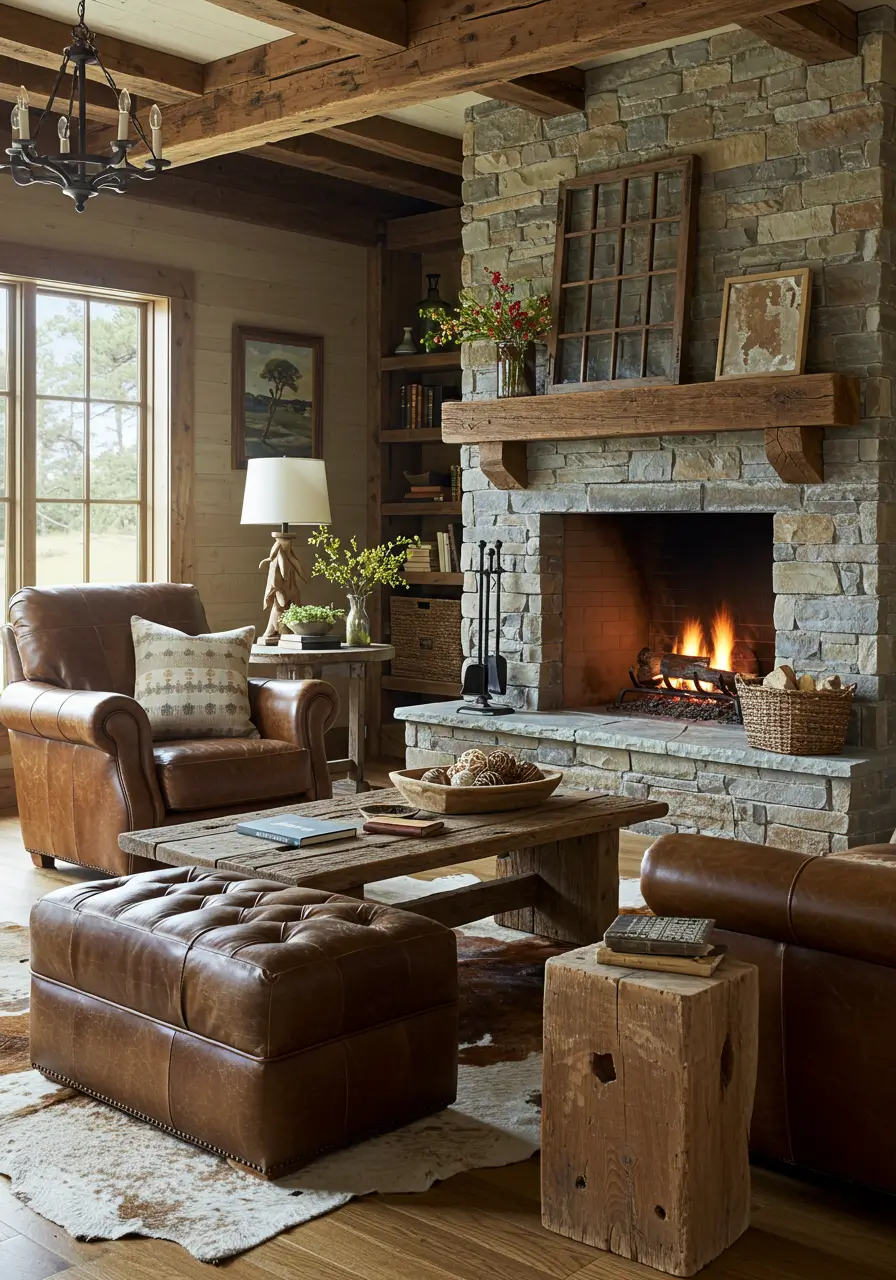
Natural materials establish the rustic mood faster than decorative motifs. Wood, stone, leather, linen, wool, and woven plant fibers give a room visible texture and help it feel grounded. The goal is not to make every surface rough. A better approach is to balance a few rugged finishes with smoother, quieter ones.
Use wood as an anchor
Exposed beams, plank floors, a solid dining table, or a simple wood bench can become the room’s visual foundation. If the architecture is already wood-heavy, avoid adding matching timber everywhere. Painted walls, linen curtains, or a neutral rug can provide contrast and prevent the space from feeling dark.
Add stone in measured doses
A stone fireplace makes a strong focal point, but smaller touches work too. Try a slate hearth, a stone lamp base, or ceramic pieces with mineral-like finishes. Mixing materials usually looks more natural than repeating one finish from floor to ceiling.
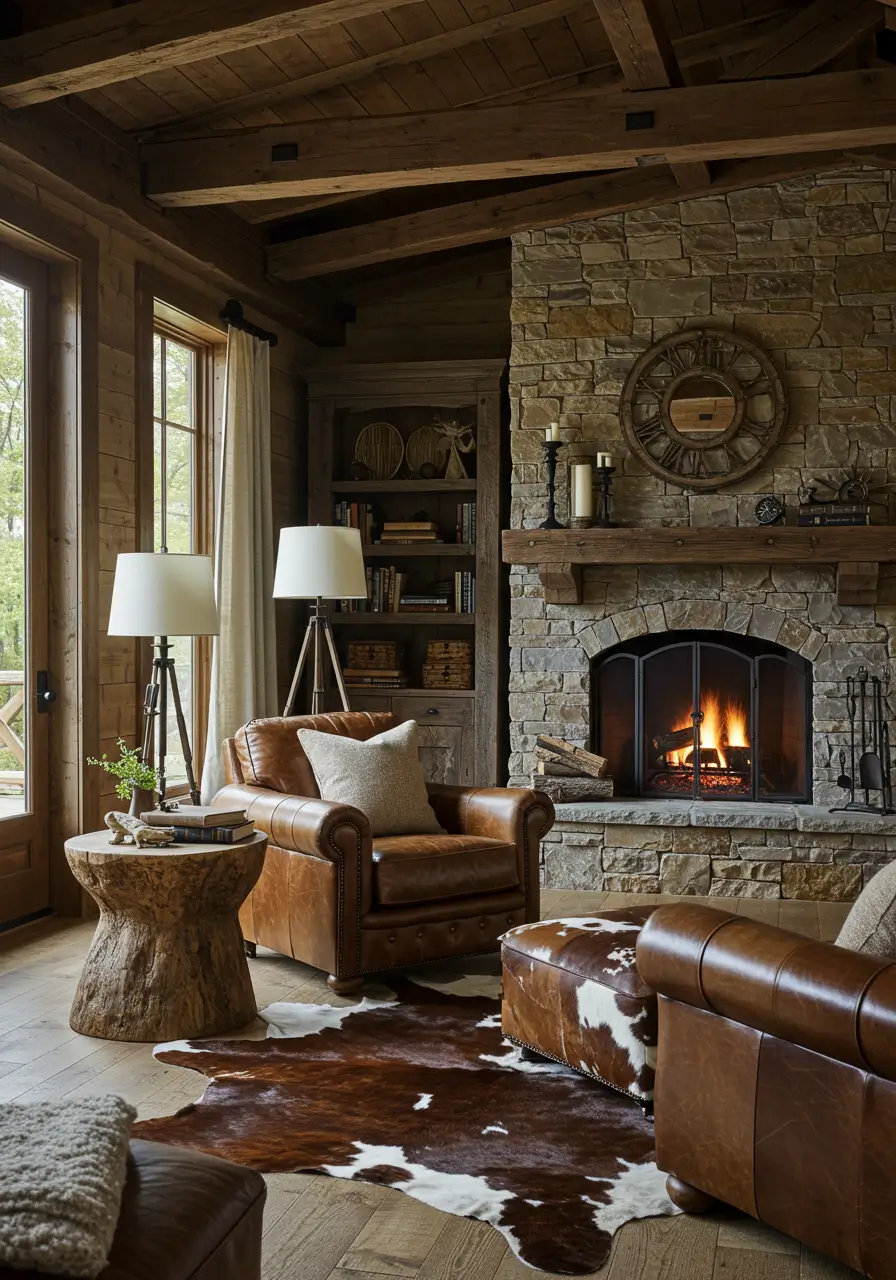
If you use reclaimed timber, inspect it for moisture damage, insects, sharp edges, and old coatings before bringing it indoors. For upholstery and rugs, faux hide and washable alternatives can deliver similar softness with easier care.
2. Build a Warm, Earth-Inspired Color Palette
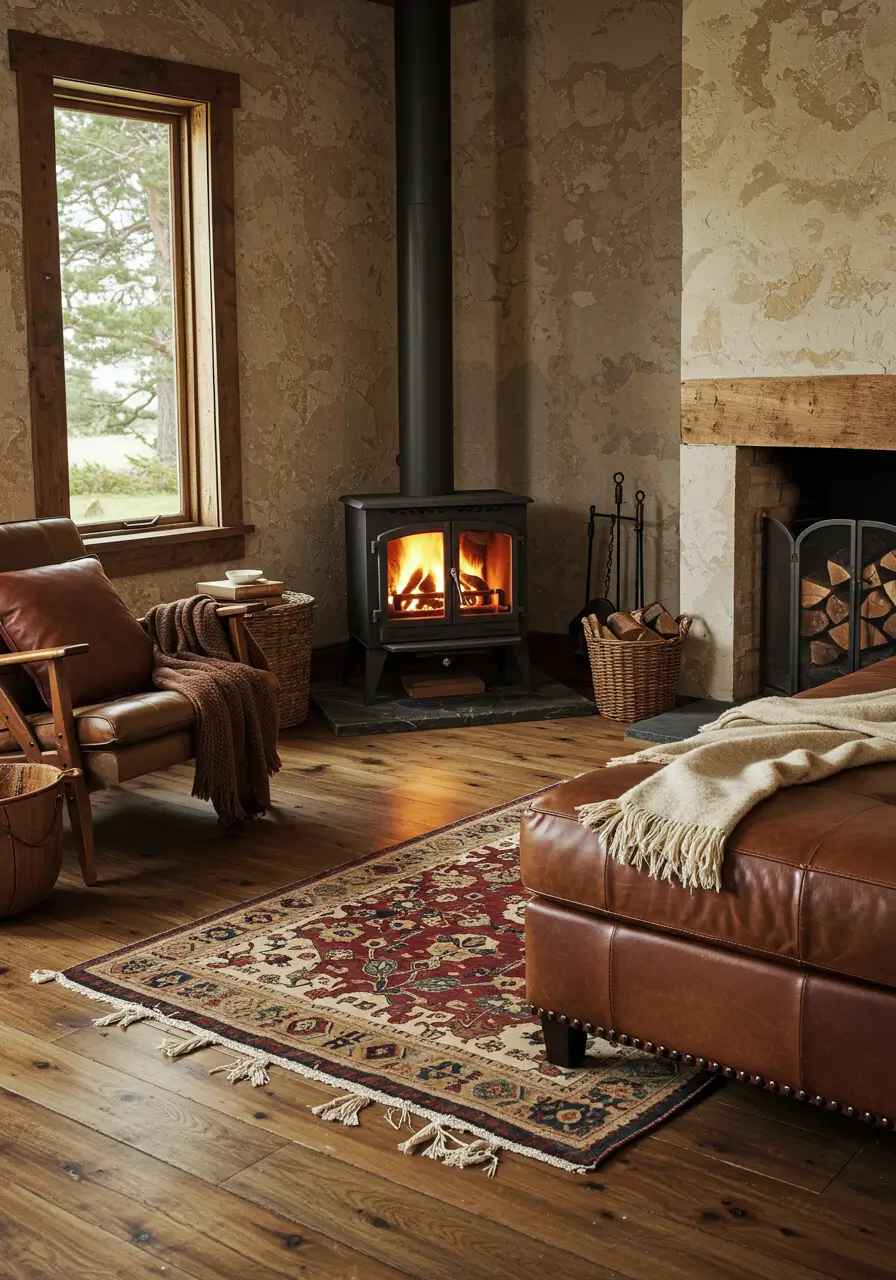
A rustic cabin palette typically begins with colors found outdoors: bark brown, warm cream, moss, clay, charcoal, and muted autumn tones. These shades work because they relate naturally to wood and stone, not because every rustic room must look brown.
Choose one dominant neutral
Start with a light warm neutral if the room is small or receives limited daylight. Cream, oatmeal, mushroom, and soft greige can keep heavy furniture from overwhelming the space. In a bright, open cabin, deeper wall colors such as olive, tobacco, or charcoal may create a more enveloping atmosphere.
Repeat accent colors selectively
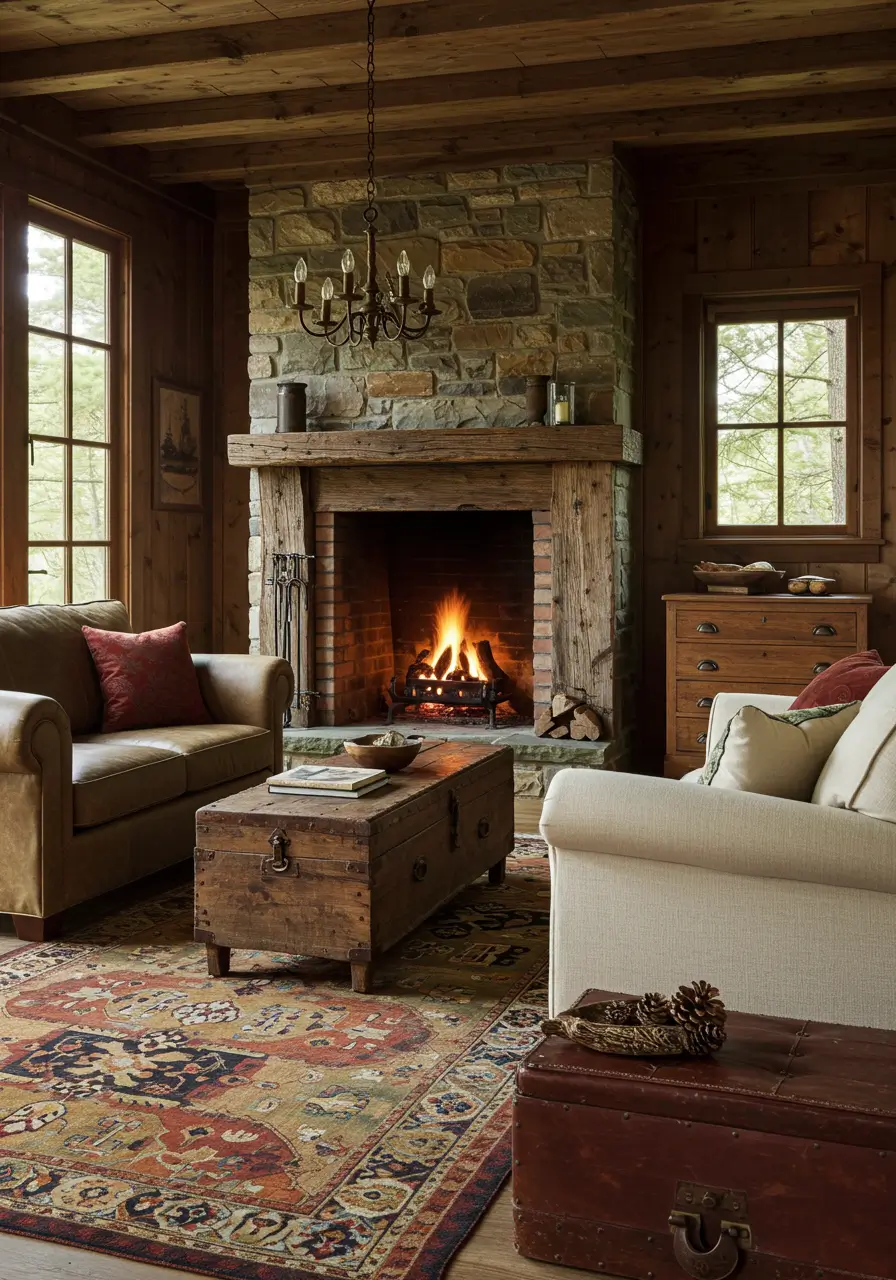
Pick one or two accents and repeat them in small amounts. Rust-colored cushions might echo a vintage rug, while forest-green pottery can connect the interior to the view outside. Exact matching is unnecessary; tonal variation makes the room feel collected over time.
Before painting, test large samples at different times of day. Wood walls and warm light bulbs can make paint appear more yellow or red than it does on a small swatch.
3. Mix Vintage Character With Reliable Modern Pieces
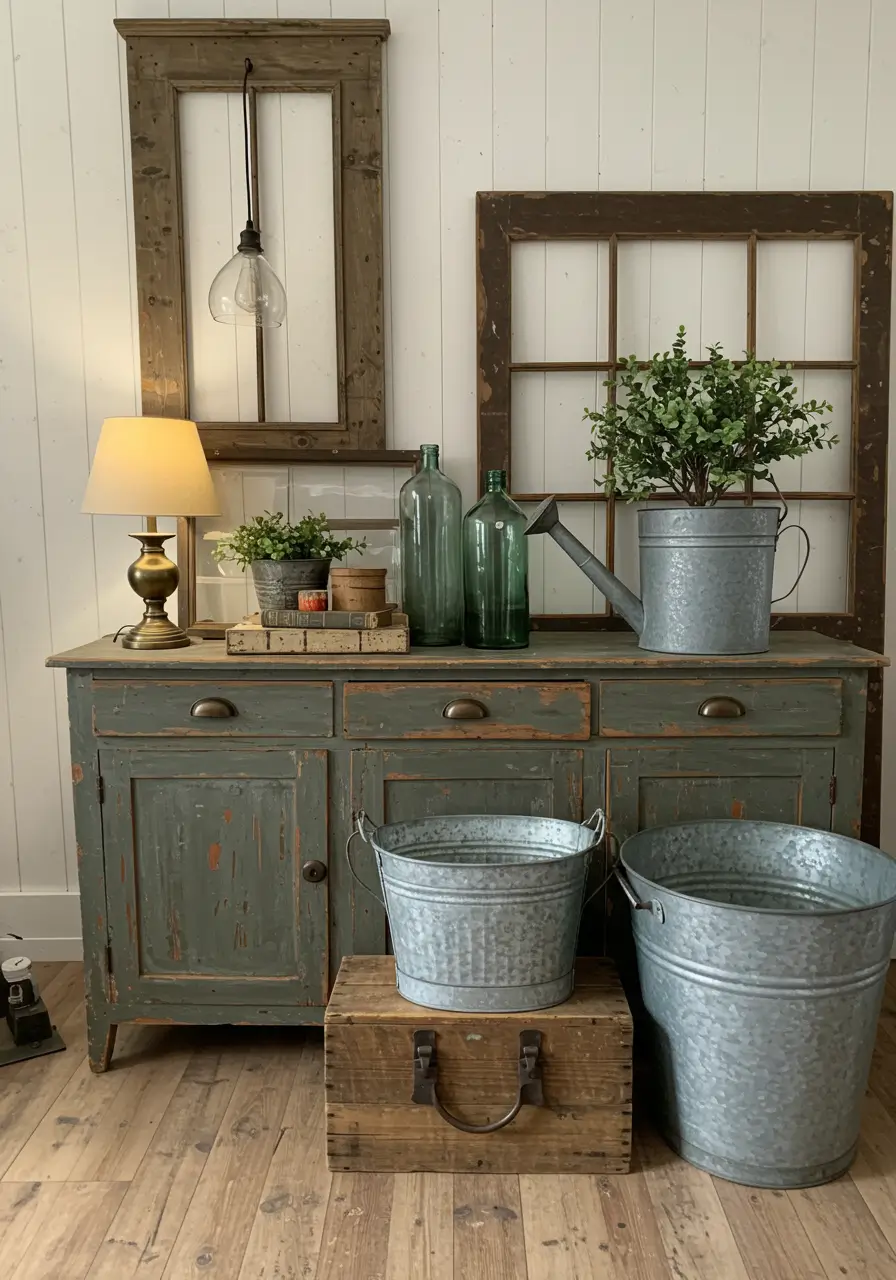
Rustic rooms feel most believable when everything does not look as though it came from one furniture collection. A worn chest, old stool, framed landscape, or aged brass lamp can introduce history, while newer seating and mattresses provide the comfort you actually need.
Look for genuine wear, not excessive distressing
Minor scratches, softened edges, and a natural patina can be beautiful. Artificially distressing every piece, however, can make the room feel themed. Let one or two older objects carry the story and surround them with simpler items.
Inspect secondhand finds before buying
- Check chairs and tables for wobbling joints.
- Open drawers and examine the underside for damage or pests.
- Smell upholstered pieces for smoke, mildew, or persistent odors.
- Confirm that older lamps and electrical fixtures have safe, usable wiring.
- Measure doorways, stairs, and the intended location before bringing a large piece home.
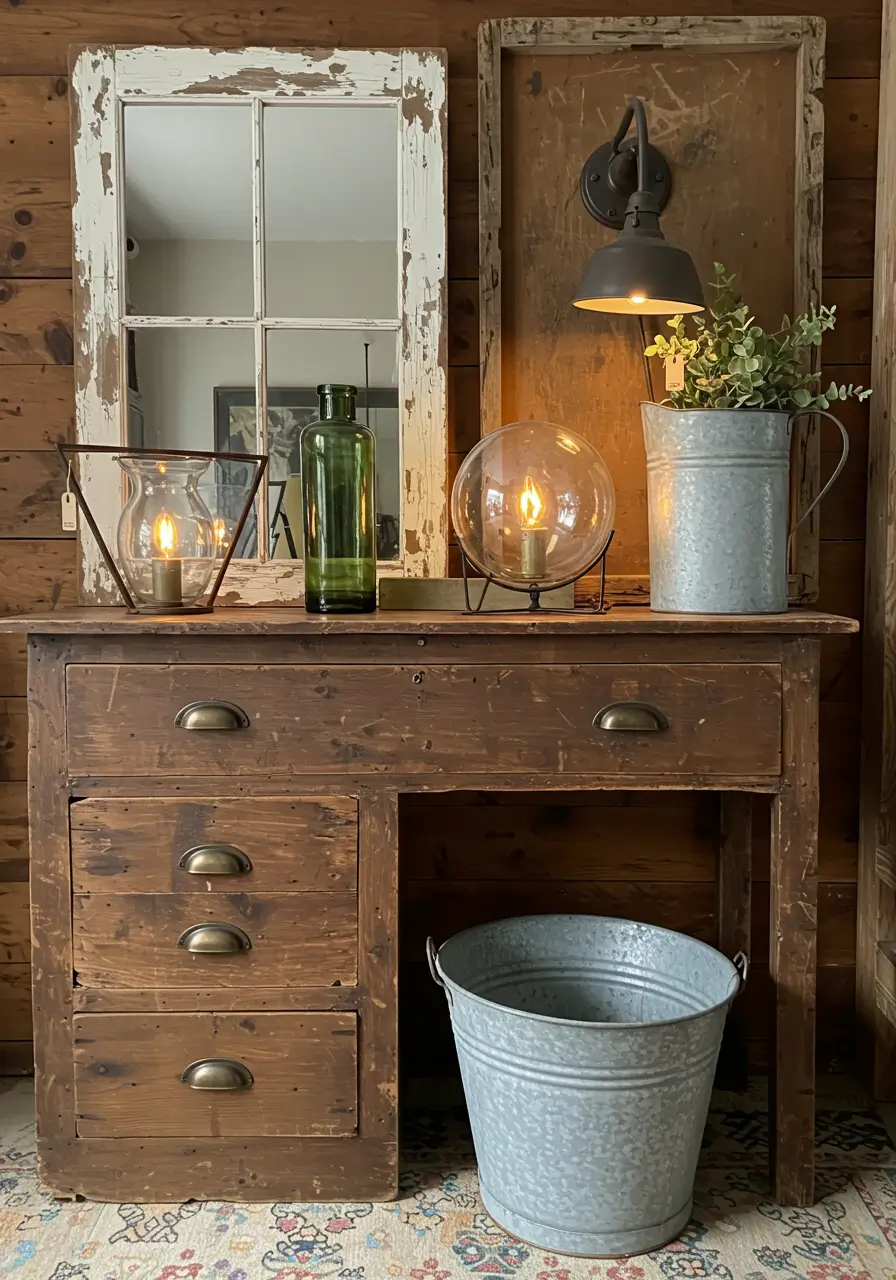
Vintage-style accessories are useful when antiques are impractical, but vary their age, finish, and scale. A room full of identical distressed objects rarely feels authentic.
4. Layer Textiles for Warmth Without Creating Clutter
Textiles soften hard surfaces and make a cabin comfortable after a day outdoors. The key is purposeful layering: a substantial rug, practical window coverings, comfortable bedding, and one or two throws are usually more effective than piles of decorative cushions.
Vary texture before adding more pattern
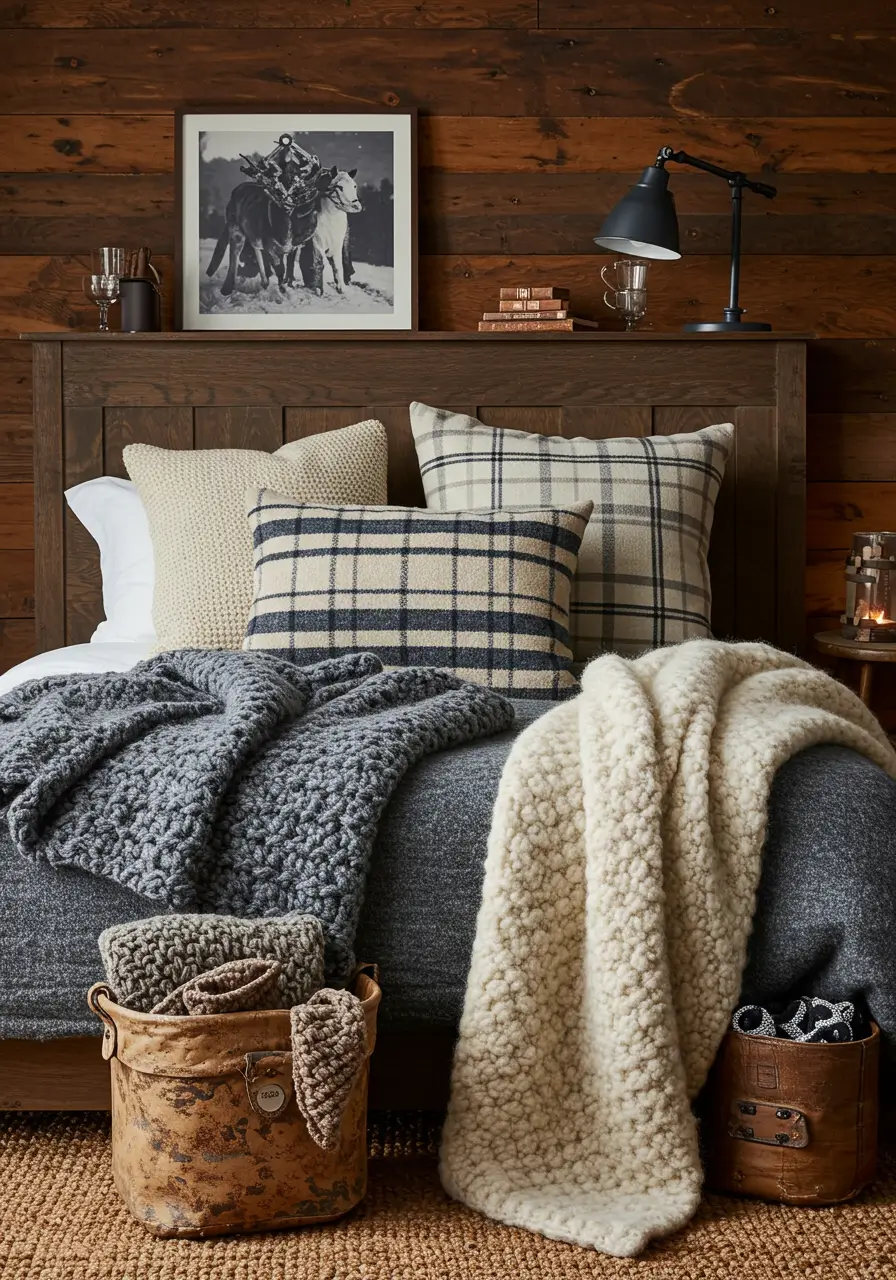
Combine smooth cotton, nubby linen, chunky knits, wool, and faux sheepskin to create depth within a restrained palette. Texture adds interest without making a small room visually busy.
Use pattern with a clear hierarchy
Plaid, ticking stripes, small checks, and traditional woven patterns all suit a cabin setting. Choose one noticeable pattern and let the others remain subtle. For example, pair a plaid blanket with solid bedding and a small striped cushion rather than competing prints of equal intensity.
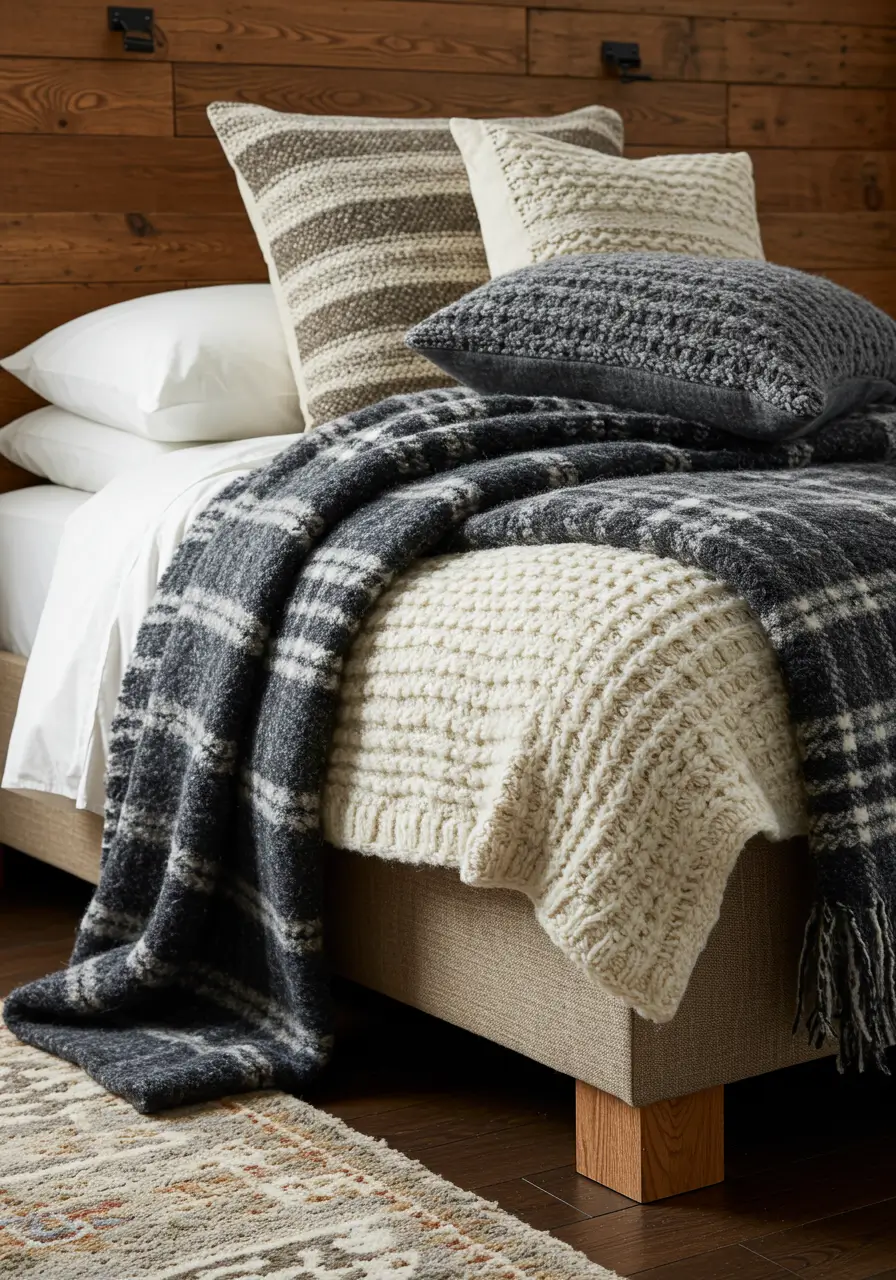
Think about maintenance as well as appearance. Washable covers, durable entry rugs, and throws that can handle muddy boots or pet hair make sense in a hardworking retreat. A wall-mounted ledge can provide useful storage without taking up floor space; this guide to DIY floating shelves for a small home offers additional inspiration.
5. Create Pools of Warm, Practical Light
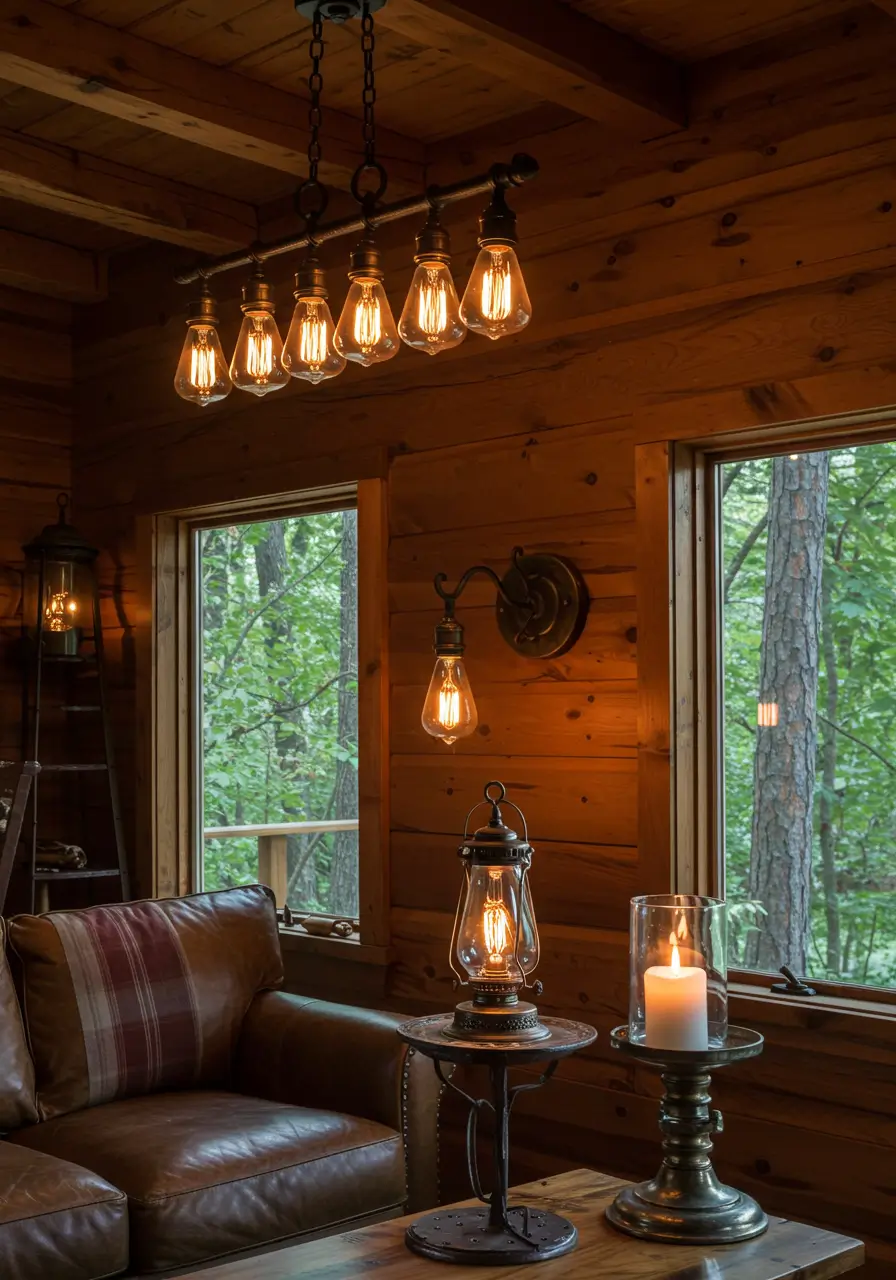
One bright ceiling fixture can make a cabin feel flat and harsh. Layered lighting is more welcoming and more useful. Combine general illumination with reading lamps, wall sconces, and small accent lights so you can adjust the mood and still see clearly when cooking, reading, or moving around at night.
Choose fixtures with simple, sturdy finishes
Dark metal, aged brass, ceramic, wood, and woven shades can reinforce the rustic look without becoming overly decorative. Exposed-filament-style bulbs can be attractive in the right fixture, but glare can be uncomfortable. Use shades, dimmers, or frosted bulbs where softer light is preferable.
Treat firelight as atmosphere, not primary lighting
A fireplace or candle adds movement and warmth, but it should complement safe electric lighting. Keep candles on stable, heat-resistant surfaces and away from curtains, dry greenery, bedding, and children. Flameless candles are a practical option for rentals, bedrooms, and unattended displays.

For the most flexible result, place lights at several heights: ceiling fixtures for overall visibility, lamps or sconces near seated eye level, and low accent lights around shelving or architectural details.
6. Bring Nature Indoors With Restraint
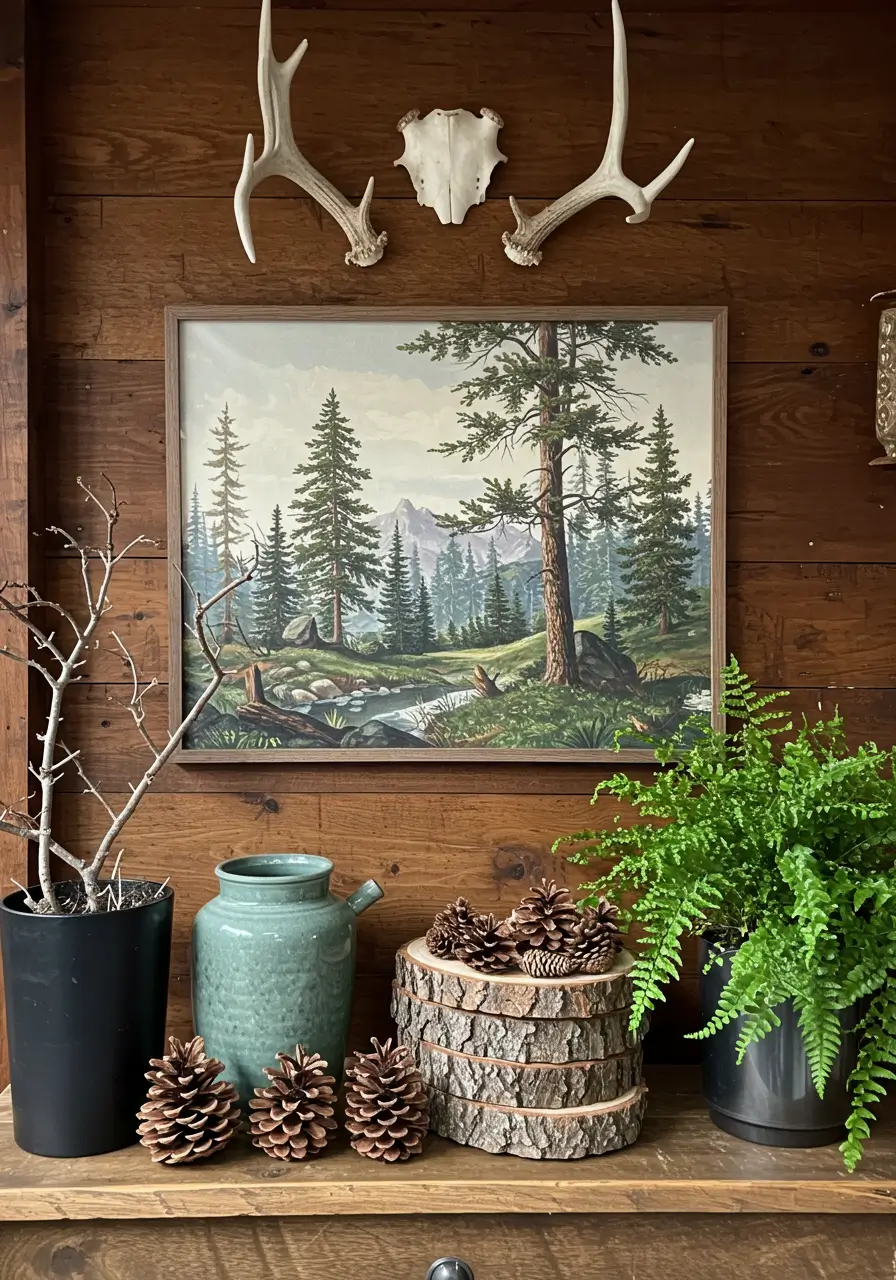
Nature-inspired decor strengthens the connection between a cabin and its setting, but a few thoughtful references are more effective than an abundance of signs, animal silhouettes, and novelty objects.
Let the view lead the design
If the windows frame trees, mountains, or water, keep nearby decor simple. Hang curtains so they can open fully, avoid tall objects that interrupt sightlines, and repeat one color from the landscape inside the room.
Display found objects intentionally
Pinecones, interesting stones, fallen branches, and seedpods can look beautiful in a shallow bowl or glass vessel. Collect only where it is permitted, clean materials before bringing them inside, and do not remove plants or natural objects from protected areas.
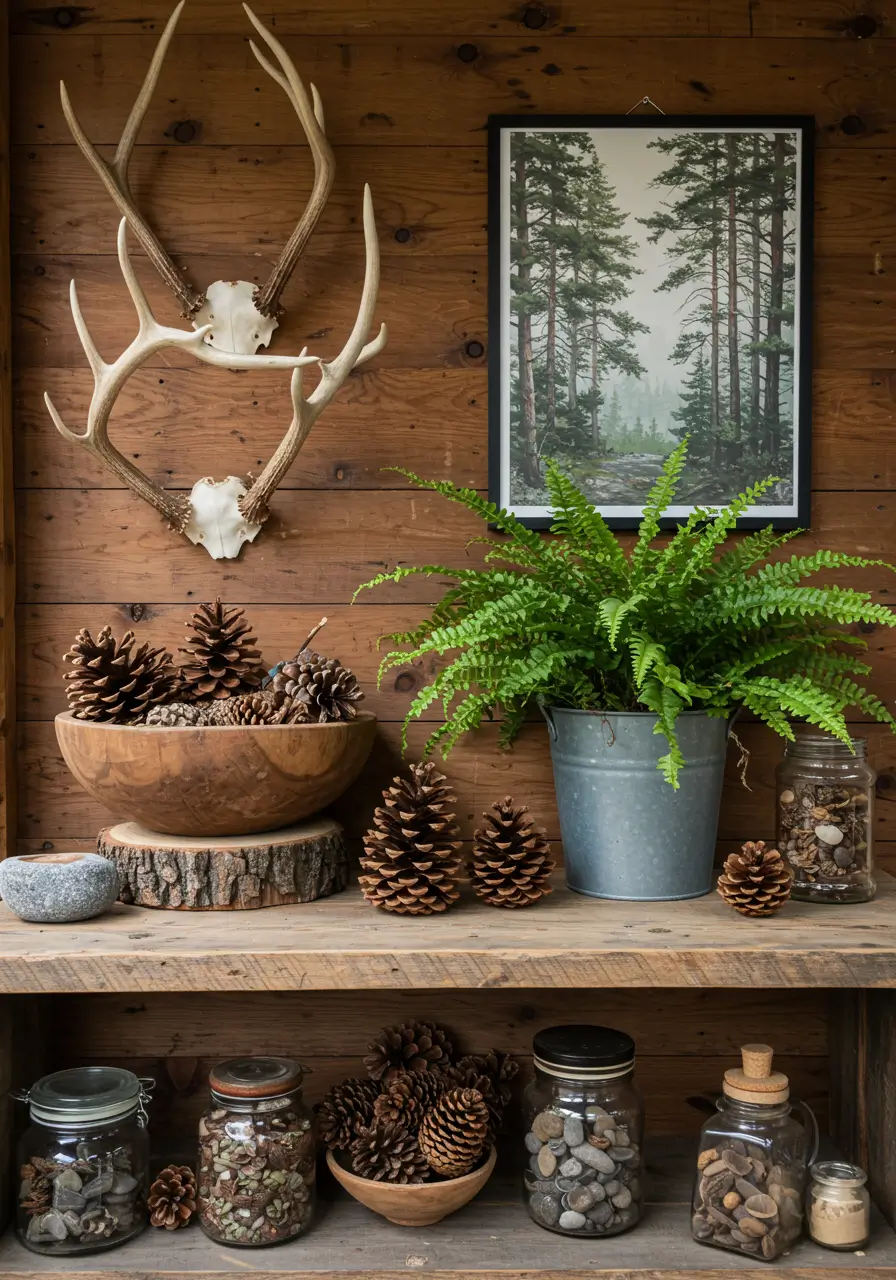
Botanical prints, landscape art, and hardy houseplants offer a more permanent interpretation. Choose plants according to the cabin’s actual light, temperature, and watering schedule; an unheated or infrequently visited property may be unsuitable for many indoor plants.
7. Add Handmade Details That Feel Personal
Handmade objects introduce irregularity, craftsmanship, and a sense of place. They also offer a way to personalize a cabin without relying on generic themed decor.
Combine beauty with everyday usefulness
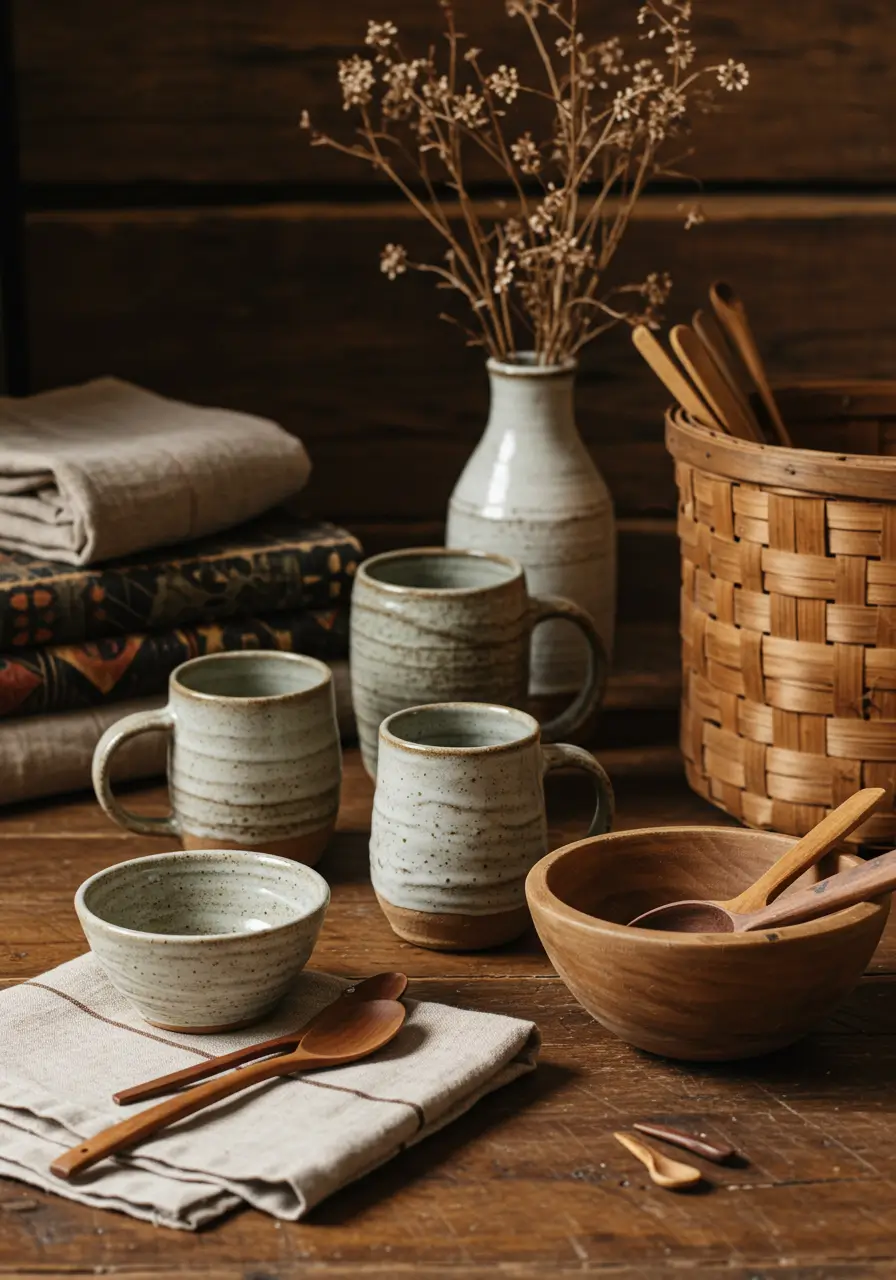
Hand-thrown mugs, a wooden serving board, woven baskets, a patchwork quilt, or forged coat hooks can be both decorative and practical. A useful item earns its place and makes the cabin feel lived in.
Support a sense of place
When possible, look for work made by local potters, woodworkers, weavers, or artists. One meaningful object connected to the region often contributes more character than several mass-produced accessories.
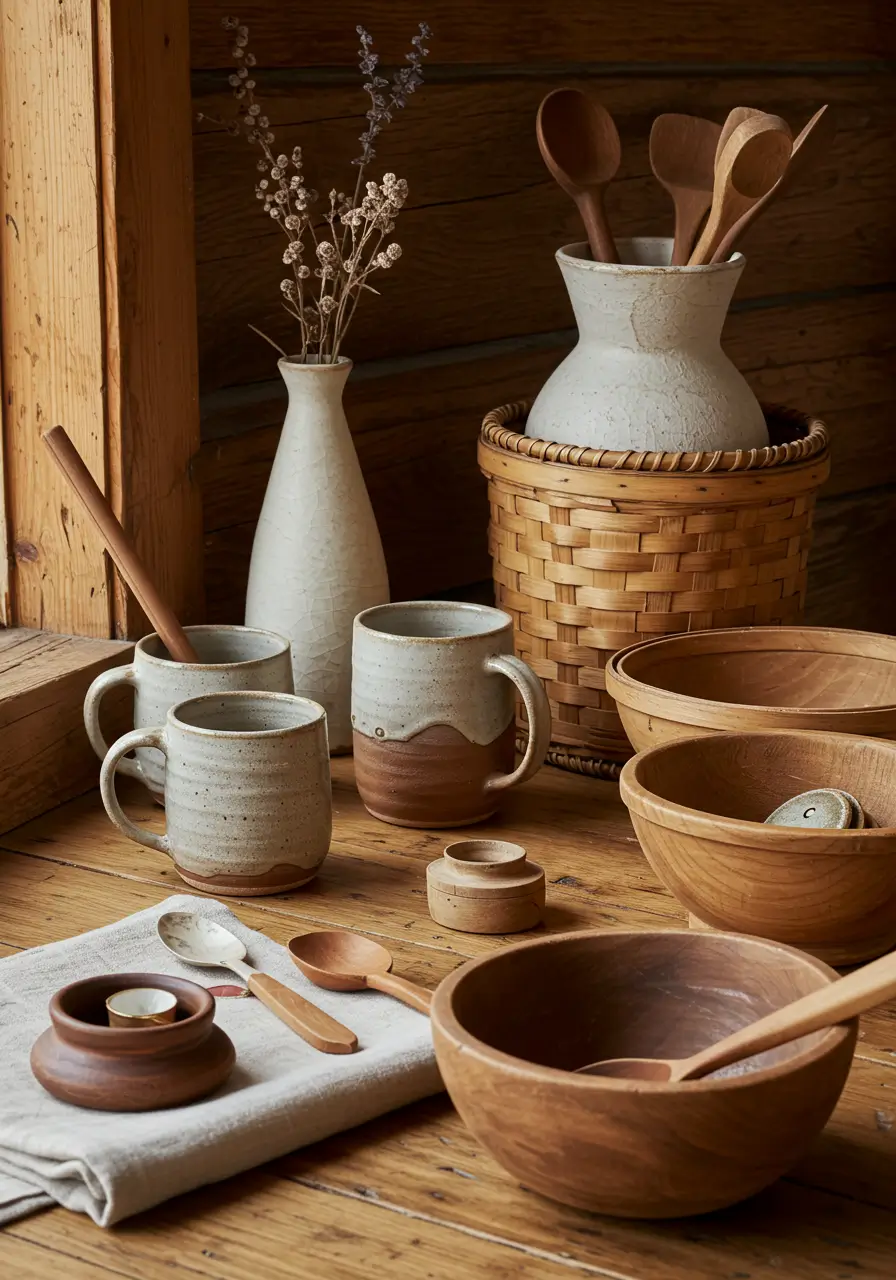
Avoid displaying every handcrafted piece at once. Rotate seasonal items, group small objects together, and leave some open space so the room remains restful.
8. Make Simplicity and Imperfection Part of the Plan
The strongest cabin trip aesthetic is comfortable enough to use. A room loses its relaxed character when every blanket must be folded perfectly or every surface is crowded with fragile decorations. Choose a layout that supports conversation, reading, meals, changing out of outdoor gear, and easy cleanup.
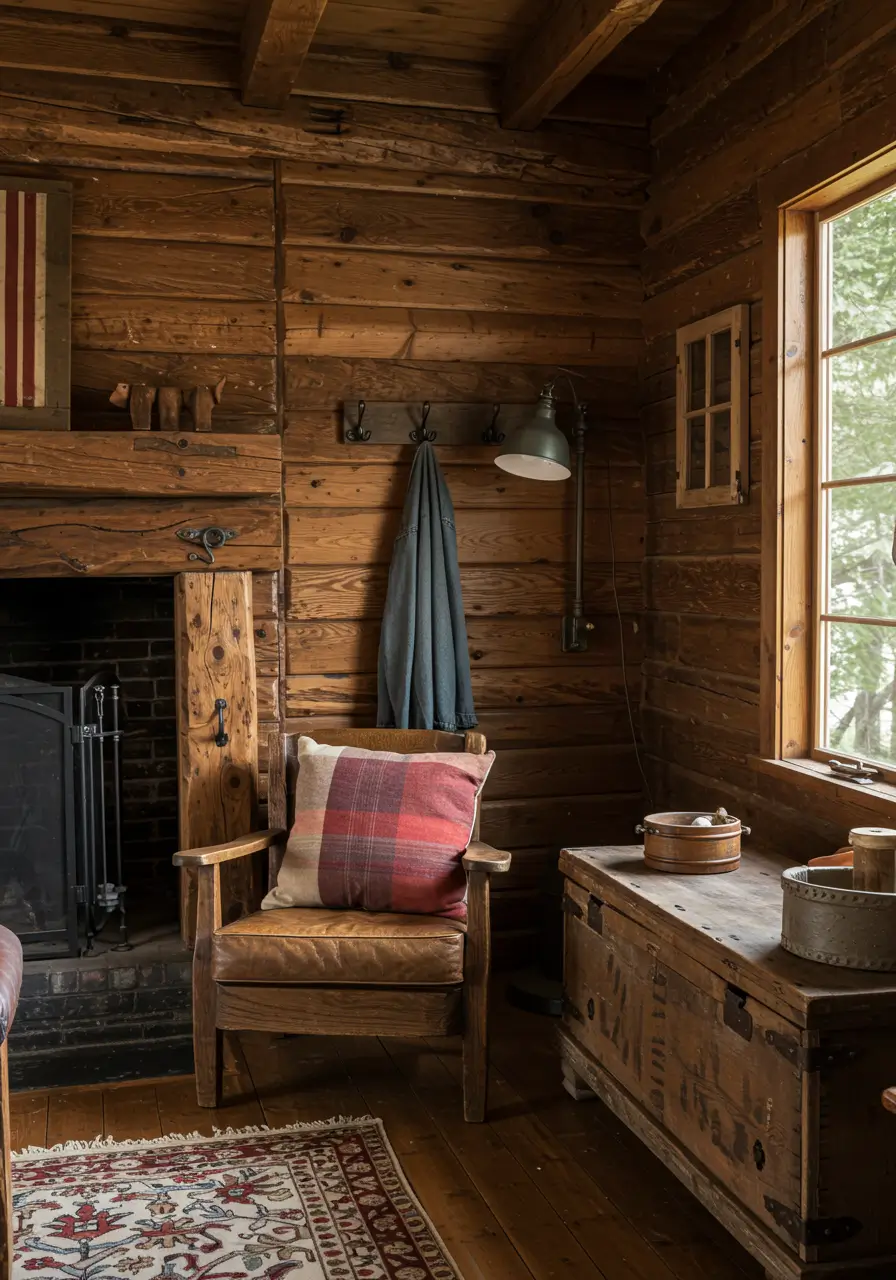
Prioritize function
- Place sturdy hooks near the entrance for coats, hats, and bags.
- Provide a bench or chair where guests can remove boots.
- Use baskets or closed storage to contain everyday clutter.
- Keep pathways clear, especially around stairs and the fireplace.
- Choose tables that can tolerate mugs, board games, and shared meals.
Edit rather than over-style
Remove items that do not add comfort, function, or meaning. Minor wear on a wood table or leather chair can contribute character, but genuine damage should still be repaired. Rustic does not mean neglected.
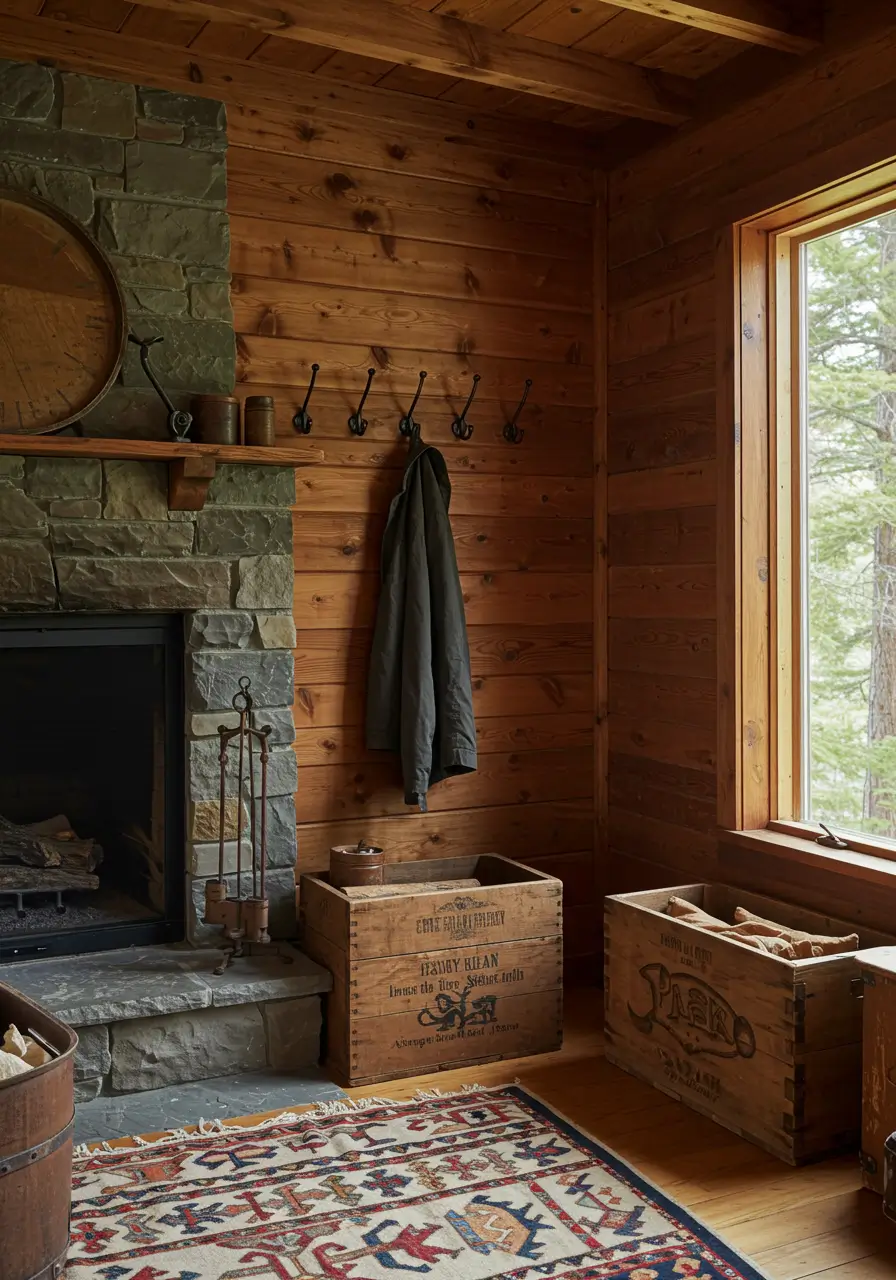
How to Combine the Eight Ideas Without Overspending
You do not need to redesign the entire space at once. Begin with the changes that affect comfort and atmosphere most:
- Declutter and rearrange. Clear sightlines, improve traffic flow, and remove decor that feels too themed.
- Adjust the lighting. Add a table or floor lamp and choose a comfortable light level before buying decorative accessories.
- Introduce one substantial textile. A rug, quilt, or pair of curtains can transform both color and acoustics.
- Bring in one natural focal point. Try a wood coffee table, vintage bench, or stoneware collection.
- Finish with personal details. Add books, local art, useful pottery, or a small group of found natural objects.
This order helps you avoid buying small accessories before the room’s layout, palette, and practical needs are settled.
Common Cabin-Style Mistakes to Avoid
- Using too many motifs: Moose, bears, pine trees, and slogans quickly compete with one another. Choose one subtle reference or let the materials establish the theme.
- Matching every wood finish: A controlled mix of light, medium, and dark wood often feels more natural than a perfectly matched set.
- Making the room too dark: Heavy wood, dark paint, and small windows can require lighter textiles, mirrors, and layered lighting for balance.
- Ignoring scale: Oversized furniture can block movement in a compact cabin, while many tiny objects make surfaces feel cluttered.
- Choosing appearance over maintenance: Delicate fabrics and unstable vintage furniture may not suit a busy rental, family retreat, or pet-friendly space.
Questions About Creating a Rustic Cabin Aesthetic
Can a modern cabin still feel rustic?
Yes. Keep the clean architecture and add warmth through natural wood, stone, tactile textiles, handmade ceramics, and softer lighting. The contrast between simple modern lines and organic texture can feel fresher than a heavily themed interior.
How can you make a small room feel rustic without cluttering it?
Use fewer, larger elements: one textured rug, a compact wood table, a warm lamp, and a single piece of landscape art. Choose furniture with built-in storage, use wall space carefully, and keep the color palette cohesive.
Does rustic decor require plaid?
No. Plaid is familiar, but it is not essential. Solid wool, linen, subtle stripes, small checks, and woven geometric patterns can create warmth without giving the room a conventional lodge look.
Can you create a cabin aesthetic in a rental?
Focus on reversible additions such as blankets, removable cushion covers, baskets, lamps, framed art, and freestanding wood furniture. Keep permanent changes within the lease rules, and store the owner’s original items safely if you have permission to move them.
Create a Cabin That Feels Collected, Comfortable, and Real
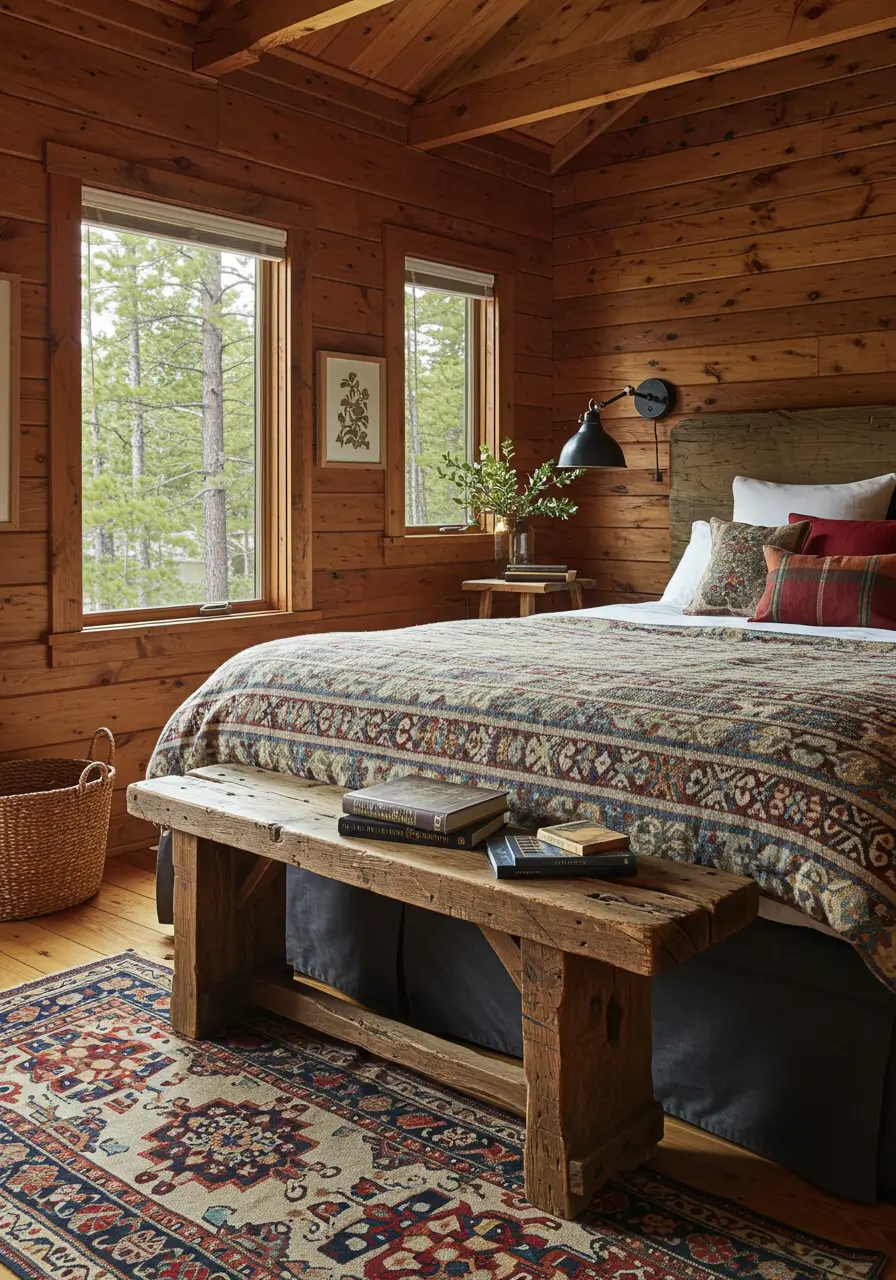
A successful rustic cabin is not defined by a checklist of themed decorations. It grows from natural materials, warm color, layered light, practical comfort, and objects that carry meaning. Start with how the room needs to function, add texture and character gradually, and allow small imperfections to remain. The result will feel welcoming on the first evening and easy to live with long after the trip ends.