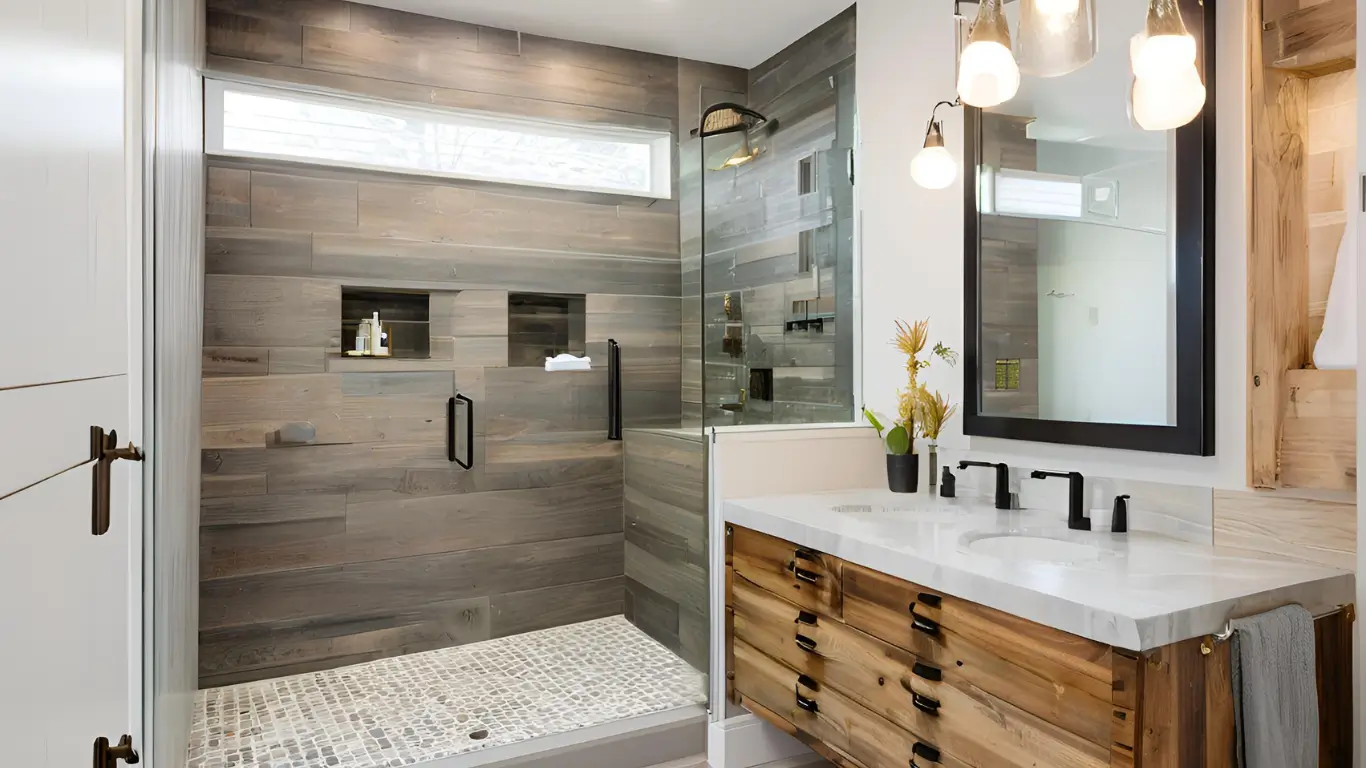
A successful modern bathroom remodel starts with function, not finishes. Before choosing tile or a smart mirror, decide who will use the room, what frustrates you about the current layout, how much storage you need, and which improvements are worth maintaining. The strongest designs combine durable wet-area construction, comfortable lighting, efficient fixtures, and a few carefully chosen upgrades.
Plan the Bathroom Before Choosing Its Style
Begin by measuring the room and marking doors, windows, plumbing, vents, and electrical outlets. Photograph what is behind removable access panels and note where supply lines and drains run. Keeping major fixtures near their existing plumbing can simplify a remodel, while moving a toilet or shower drain may add substantial labor and require opening the floor.
Ask a contractor or your local building department which permits and inspections apply. Bathroom rules vary by location, particularly for electrical work, ventilation, waterproofing, and changes to plumbing or structure. Build a contingency into the budget for hidden damage, especially in an older room where demolition may reveal leaks, rot, corroded pipes, or an uneven subfloor.
Create a Calm Bathroom Without Making It Impractical
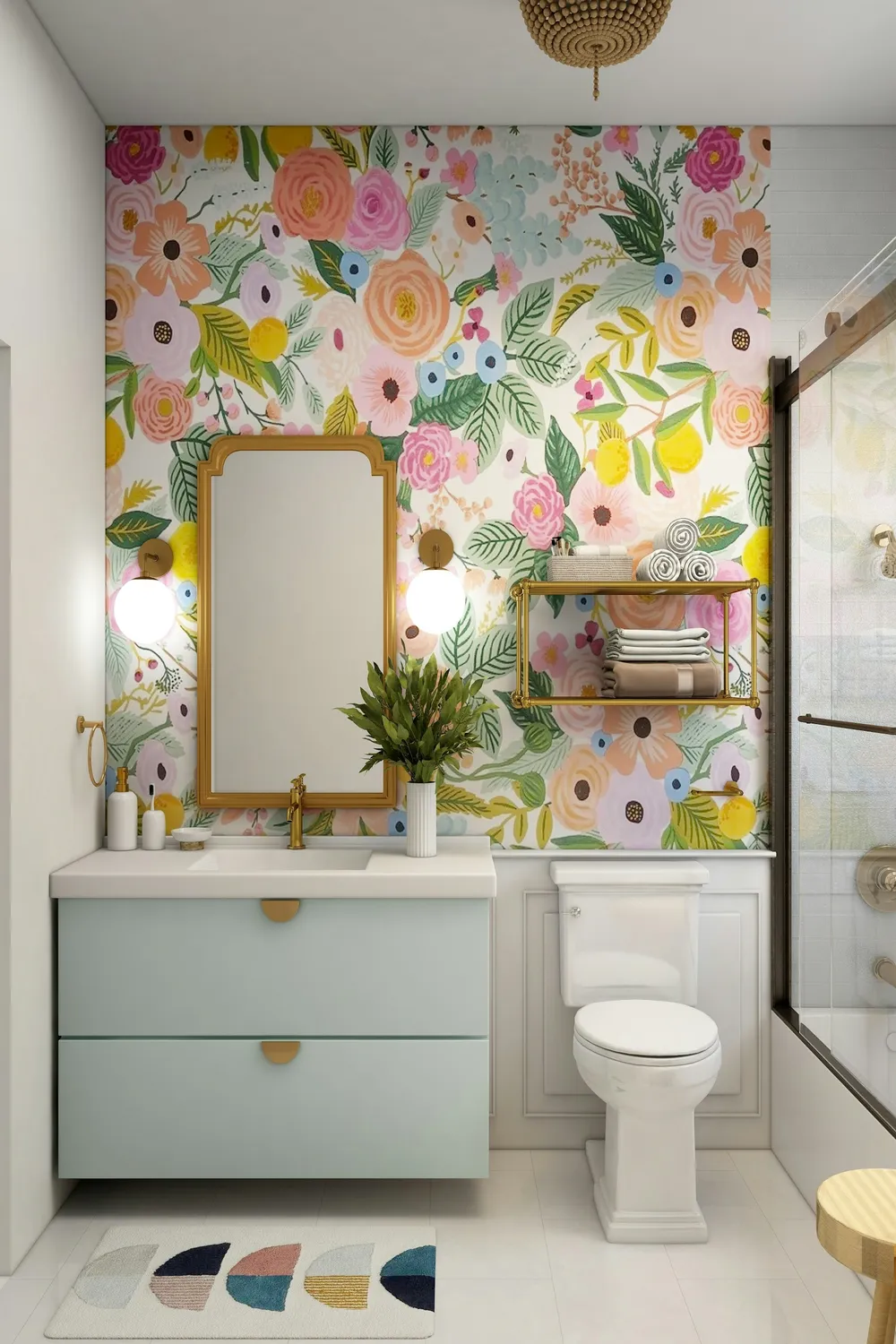
Minimalism works best when it reduces visual noise but preserves everyday convenience. A restrained palette, simple cabinet fronts, and repeated finishes can make the room feel settled. The less visible part of the design—drawers, outlets, towel placement, and cleaning access—is what keeps it that way.
Choose a Vanity That Fits the Room and Your Routine
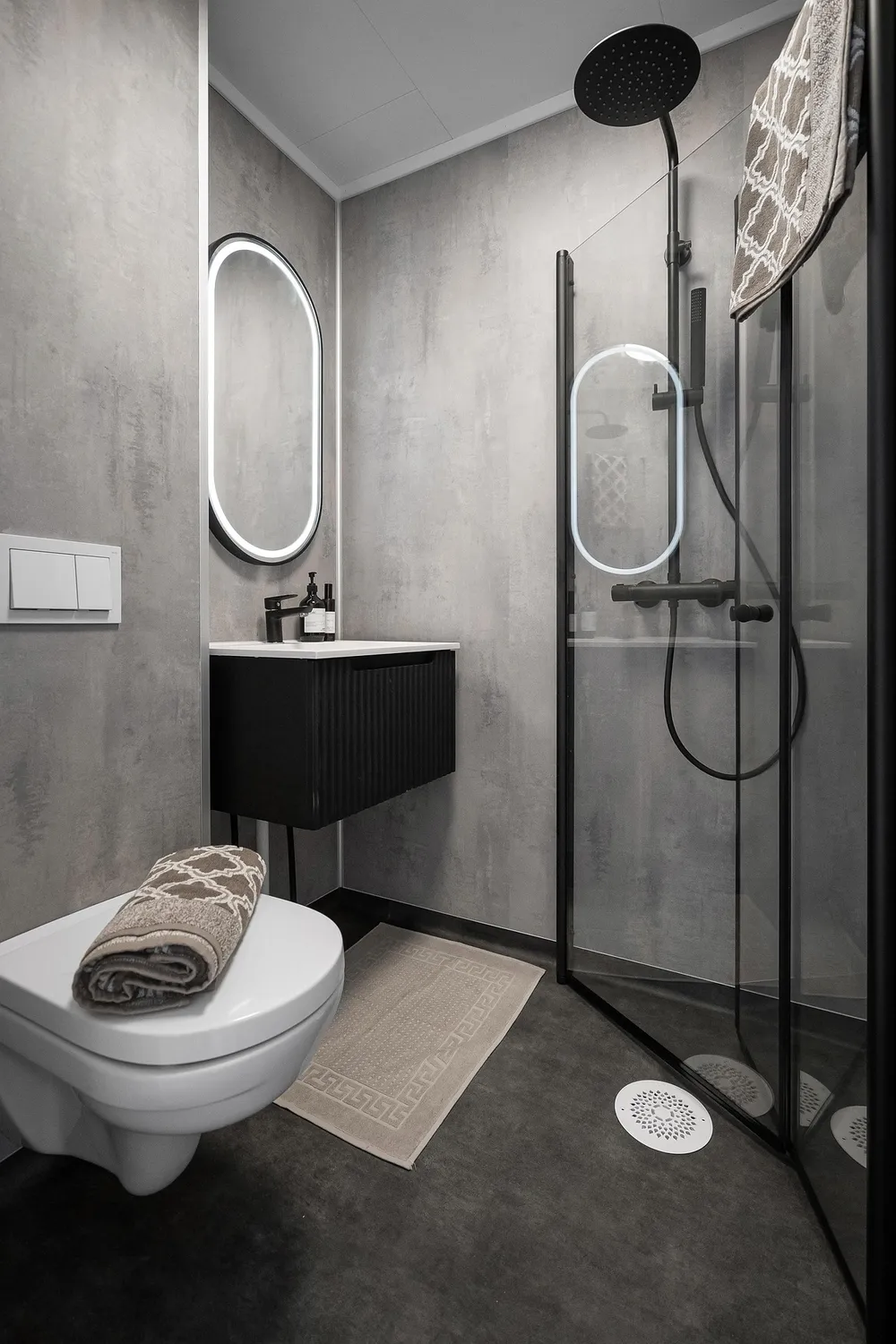
A wall-mounted vanity reveals more floor and can make a compact bathroom feel lighter. It also makes the floor easier to clean. Before installing one, confirm that the wall can support the cabinet and countertop, and choose a mounting height that works for the household. Deep drawers are often more useful than a cabinet with plumbing occupying its center; internal organizers prevent small toiletries from becoming a jumble.
Amazon US Verified
Peel and Stick Textured Linen Wallpaper
Removable neutral wall covering providing architectural warmth and tactile depth.
An undermount sink gives a countertop a smooth edge, but it is not the only modern option. An integrated sink can reduce seams, while a compact drop-in basin may suit a tighter budget. Leave enough usable counter space for the items you handle every day rather than selecting an oversized bowl for appearance alone.
Use Glass Strategically
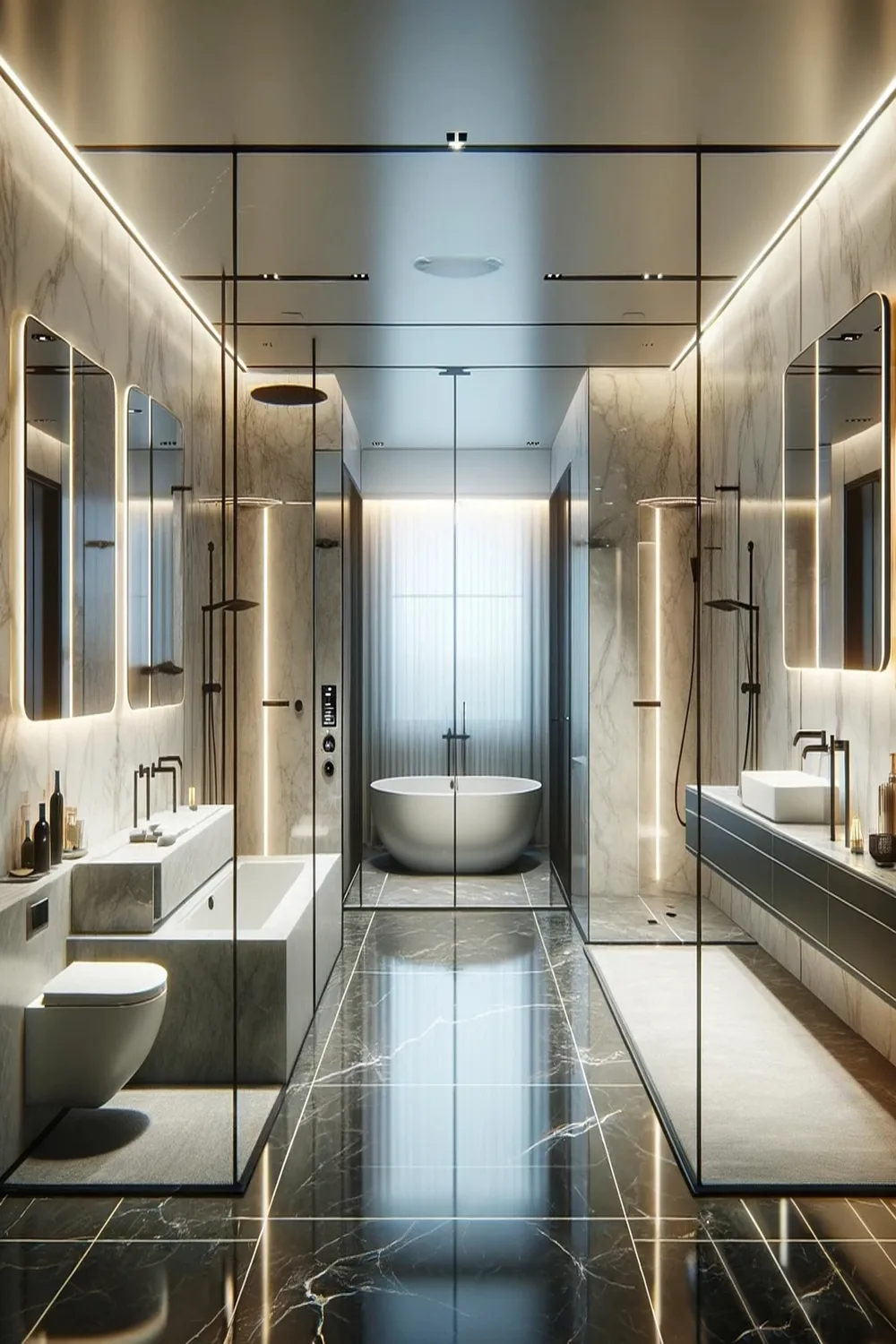
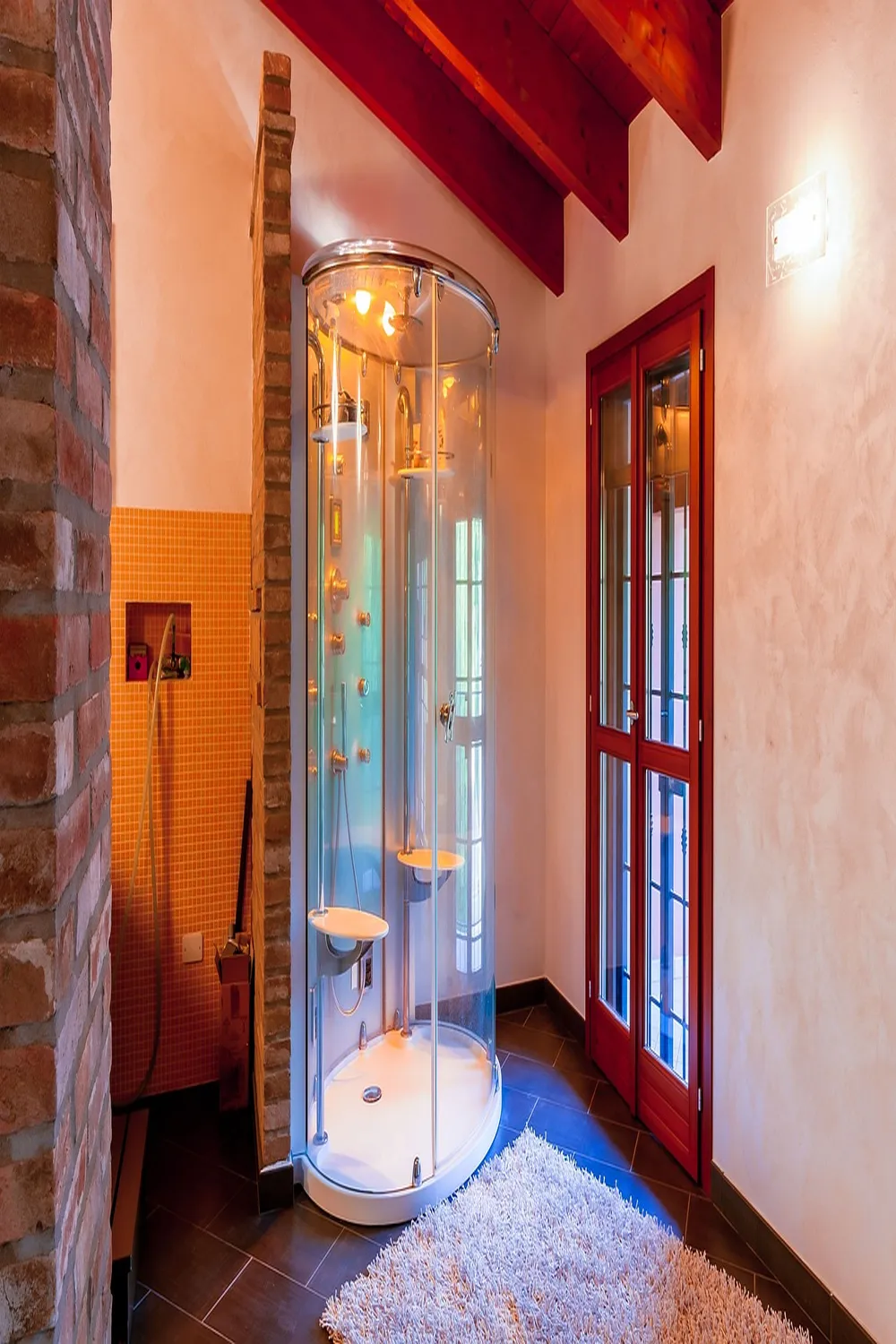
A frameless or minimally framed shower enclosure allows sightlines to continue through the room, helping tile and daylight remain visible. It still needs seals and regular care; “frameless” does not mean maintenance-free. Compare clear, low-iron, frosted, and textured glass based on privacy, water spotting, and price. Plan the door swing carefully so it does not collide with the toilet, vanity, or entry door.
Make Waterproofing and Ventilation the Priorities
Beautiful tile cannot compensate for a poorly built wet area. Tile and grout are finish materials; the shower needs a compatible waterproofing system beneath them. The pan, drain, corners, wall penetrations, curb, niches, and transitions must work together as one system. Ask the installer which system will be used, whether its components are compatible, and how the work will be checked before tile covers it.
Ventilation matters just as much. Choose an exhaust fan sized for the room and duct it outdoors, not into an attic or wall cavity. A timer, humidity-sensing control, or smart switch can keep the fan running long enough after a shower without relying on memory. A quieter fan is more likely to be used consistently.
Add Technology That Solves a Real Problem
Bathroom technology is useful when it improves comfort, safety, or daily routines. It becomes frustrating when an essential function depends on an app, cloud service, or unreliable connection. Favor controls that also work manually, check product warranties, and make sure replacement parts and service are available.
Smart Showers, Faucets, and Mirrors
Digital shower controls can offer temperature presets and warm-up functions, while touchless faucets can reduce handle contact. Voice control is available in some connected bathroom products, including options from Kohler, but compatibility varies by model and platform. Confirm that the product works with your preferred ecosystem and decide whether its convenience justifies the added wiring, valves, hubs, and future servicing.
A lighted mirror can be a practical upgrade when it provides even illumination, an accessible switch, and a demister. Bluetooth audio and displays are optional extras, not substitutes for good lighting. Check the electrical rating and have any hardwired product installed in accordance with local wet-location requirements.
Heated Floors
Radiant floor heat is especially pleasant under tile. Electric mats or cables are commonly considered for a single bathroom, while hydronic tubing is generally easier to justify as part of a larger heating project. The operating cost depends on the heated area, insulation, local energy rates, thermostat schedule, and system type, so it should not be described as universally inexpensive.
Plan the system before cabinets and fixtures are installed. Heating elements should go only where the manufacturer permits, and the finished floor assembly must be compatible with the system. Use the required controls and protection, and leave electrical work to a qualified professional.
Make a Small Bathroom Feel Better, Not Merely Bigger
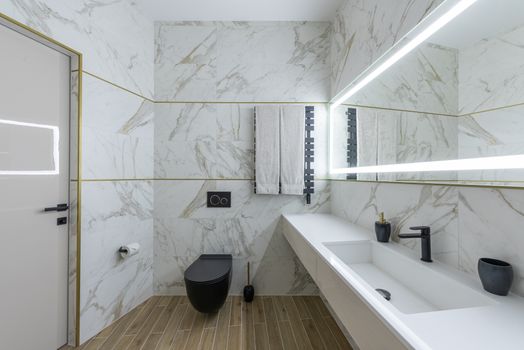
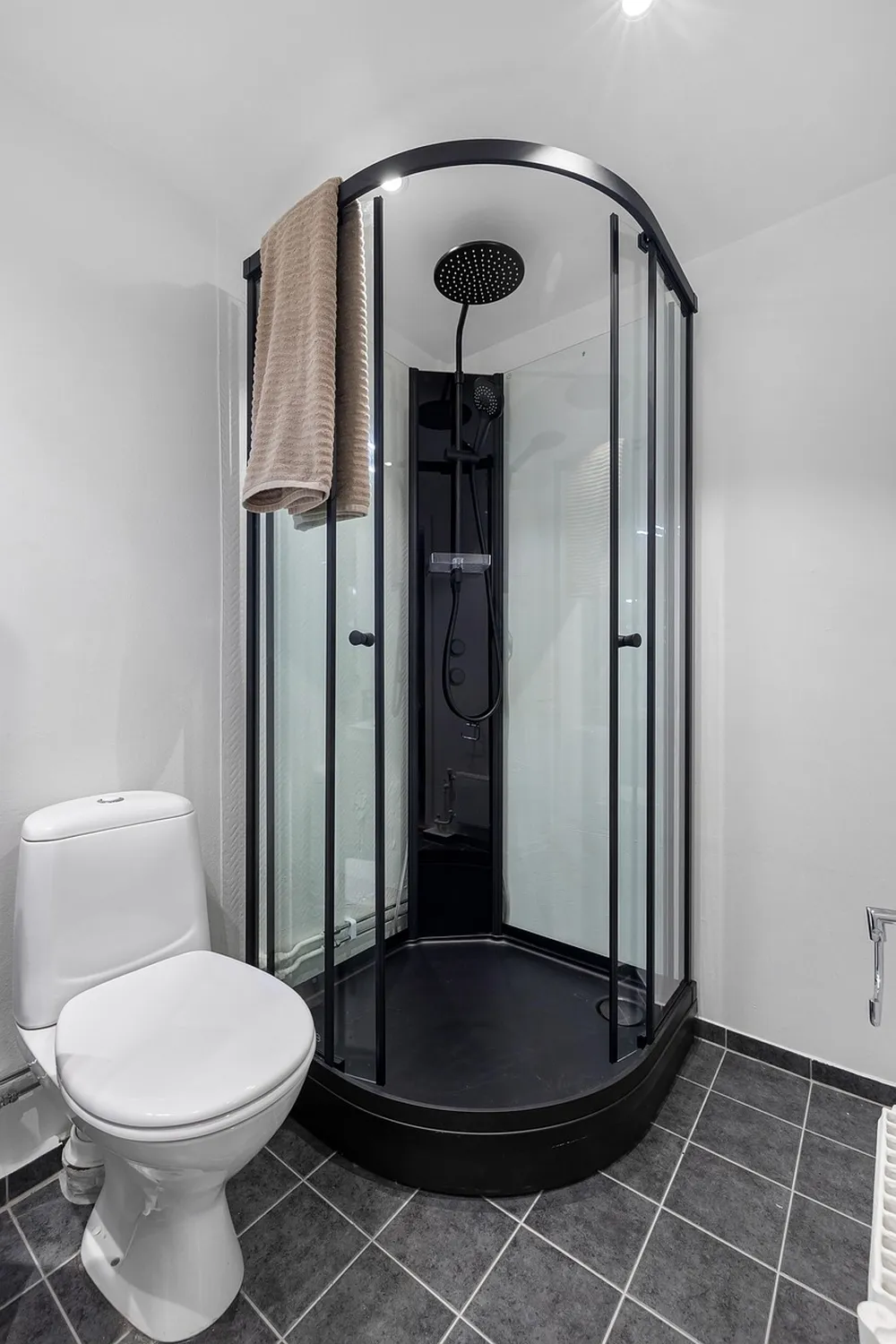
A compact bathroom needs clear circulation, convenient storage, and fixtures scaled to the room. A pale palette can feel open, but contrast is not the enemy: a darker vanity or tile band can add depth when the layout remains uncluttered.
Consider the Door Before Changing the Floor Plan
A pocket door removes the swing from the room, but it requires a suitable wall cavity. Pipes, wiring, ductwork, structural framing, and wall-mounted accessories can prevent installation. A surface-mounted sliding door is easier to retrofit, although it seals less completely and may offer less acoustic privacy. Sometimes changing the swing direction of a hinged door is the simplest solution, subject to local rules and safe circulation.
Build Storage Into Underused Space
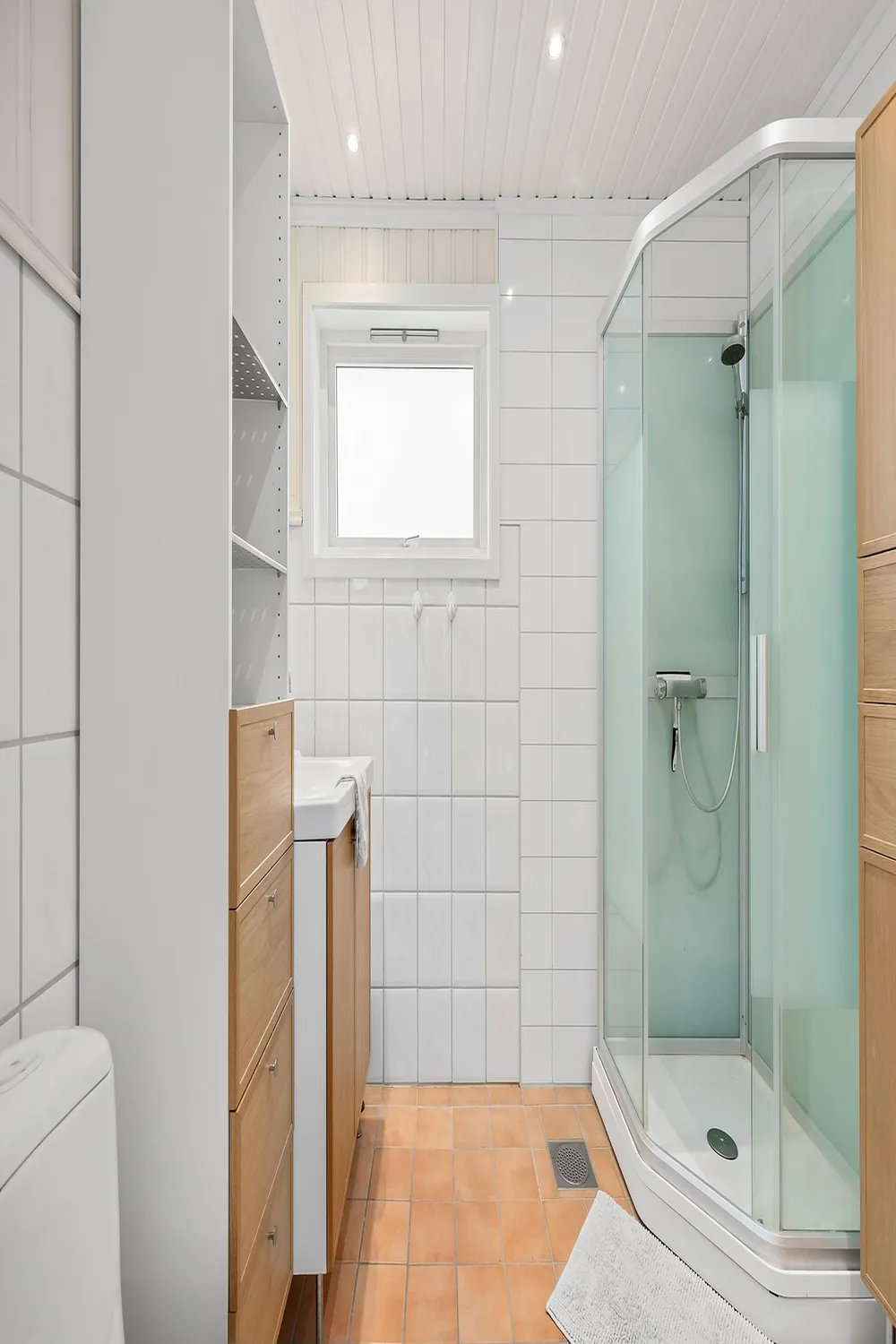
Use tall cabinets, shallow shelves above the toilet, mirrored medicine cabinets, and vanity drawers to capture vertical space. Store frequently used items between waist and eye level; reserve high shelves for extras. Avoid placing bulky cabinetry where it narrows the path or makes the toilet uncomfortable to use.

Amazon US Verified
Hang-O-Matic All-in-One Picture Hanging Tool
Tape measure, sliding level, and markers in one tool for flawless gallery walls.
A recessed shower niche keeps bottles off the floor, but it must be planned before waterproofing. Check the stud layout and make sure the recess will not interfere with plumbing, wiring, or an exterior wall assembly. The niche base should direct water toward the shower, and every corner must be integrated into the waterproofing system.
Read also: 11 Kitchen Trends in 2025: Where Tech Meets Timeless Design
Select Materials for Water, Wear, and Cleaning
Porcelain and Ceramic Tile
Both porcelain and ceramic tile can work in a bathroom when the specific product is rated for its intended use. Porcelain generally has lower water absorption and is often chosen for floors and showers. Ceramic wall tile can be lighter, easier to cut, and more economical. Do not rely on the material name alone: check whether the tile is approved for floors, wet areas, and the expected traffic.
For floors, consider slip resistance, grout-joint layout, and how the surface feels under bare feet. A highly polished tile may be harder to grip when wet. Smaller shower-floor tiles create more grout lines and can follow the slope to the drain more easily. Use a grout appropriate for the joint width and exposure, then follow the manufacturer’s cleaning and sealing instructions.
Countertops and Cabinetry
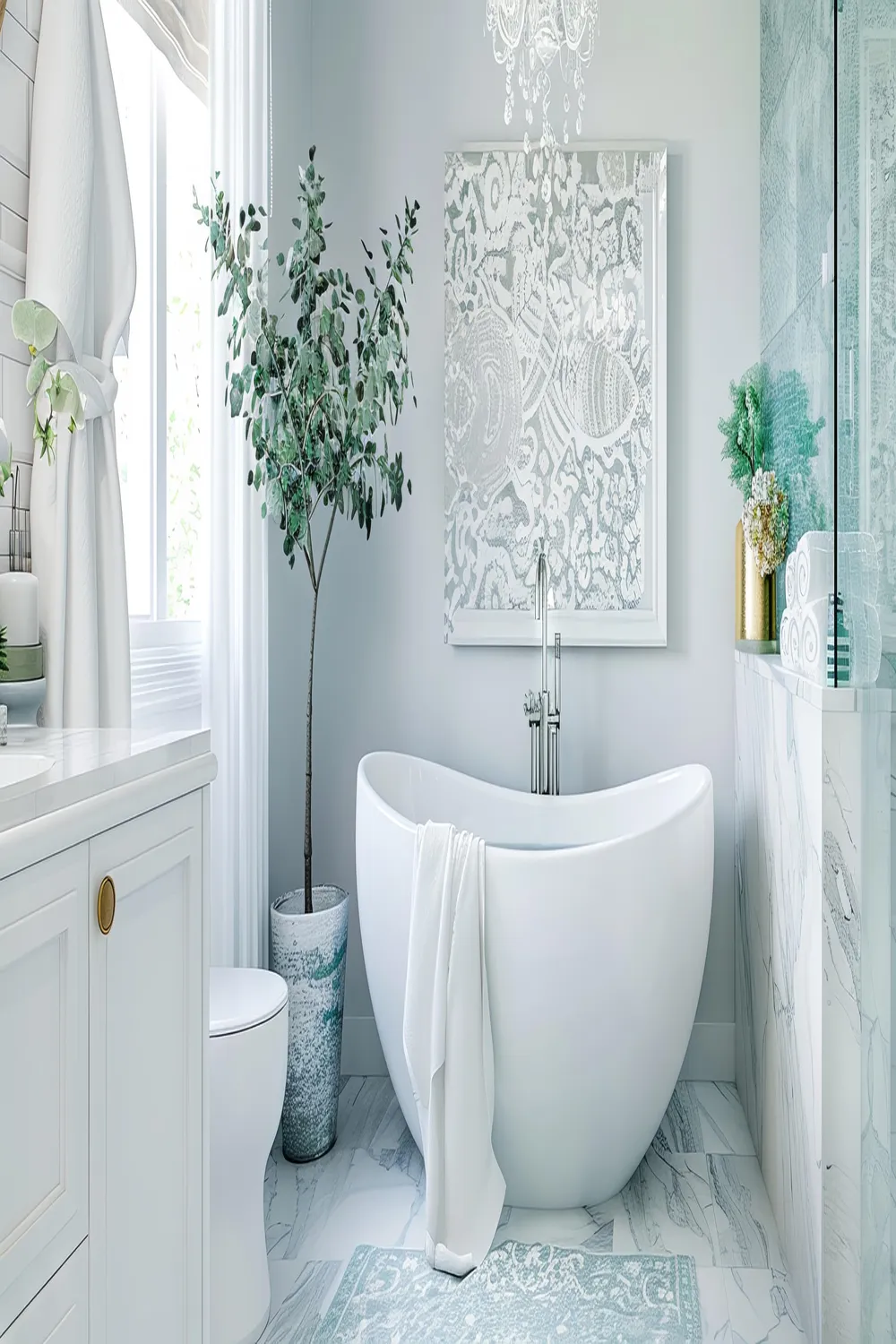
Engineered quartz is nonporous and typically does not require routine sealing, but it is not indestructible. Follow the manufacturer’s advice for cleaners and heat exposure. Solid-surface materials can create an integrated sink and allow some damage to be repaired. Natural stone offers distinctive variation but may need sealing and product-specific care.
Cabinet construction matters in a damp room. Look for well-sealed edges, durable finishes, quality hinges, and enough ventilation around stored textiles. Wipe standing water promptly regardless of the material.
Use Water Efficiently Without Guessing at Performance
Look for independently certified fixtures rather than assuming that every product marketed as “low flow” will perform well. The EPA’s WaterSense label covers qualifying bathroom sink faucets, showerheads, and toilets. WaterSense-labeled showerheads use no more than 2.0 gallons per minute and must meet performance criteria for spray force and coverage. Labeled bathroom faucets use no more than 1.5 gallons per minute, while labeled tank-type toilets use 1.28 gallons per flush or less.
Choose flow rates with the home’s water pressure and household preferences in mind. A showerhead with several spray patterns may offer flexibility, but certification is a more useful indicator than vague “pressure boosting” language. Check for local rebates before purchasing and repair leaks before assuming replacement is necessary.
Consider Recycled and Reusable Materials Carefully
Recycled-glass tile can add color and reduce demand for virgin material, but recycled content varies. Verify the manufacturer’s documentation, approved applications, setting materials, and cleaning requirements. Keeping a sound vanity, refinishing instead of replacing, or donating usable fixtures may reduce waste more effectively than buying a new product solely for its environmental claim.
Layer Lighting for Grooming, Comfort, and Safety
A single ceiling fixture often creates shadows at the mirror. A more useful plan combines:
- Task lighting: Even light at or beside the mirror for shaving, makeup, and skincare.
- Ambient lighting: General ceiling light that makes the entire room easy to navigate.
- Accent or night lighting: Low-level illumination beneath a vanity or in a niche, used without glare.
Compare brightness, color temperature, color rendering, dimming compatibility, and wet- or damp-location ratings. Put separate lighting layers on separate controls where practical. A dimmer can soften evening light, while a low night light improves visibility without flooding the room with brightness.
Design for Easier Use Over Time
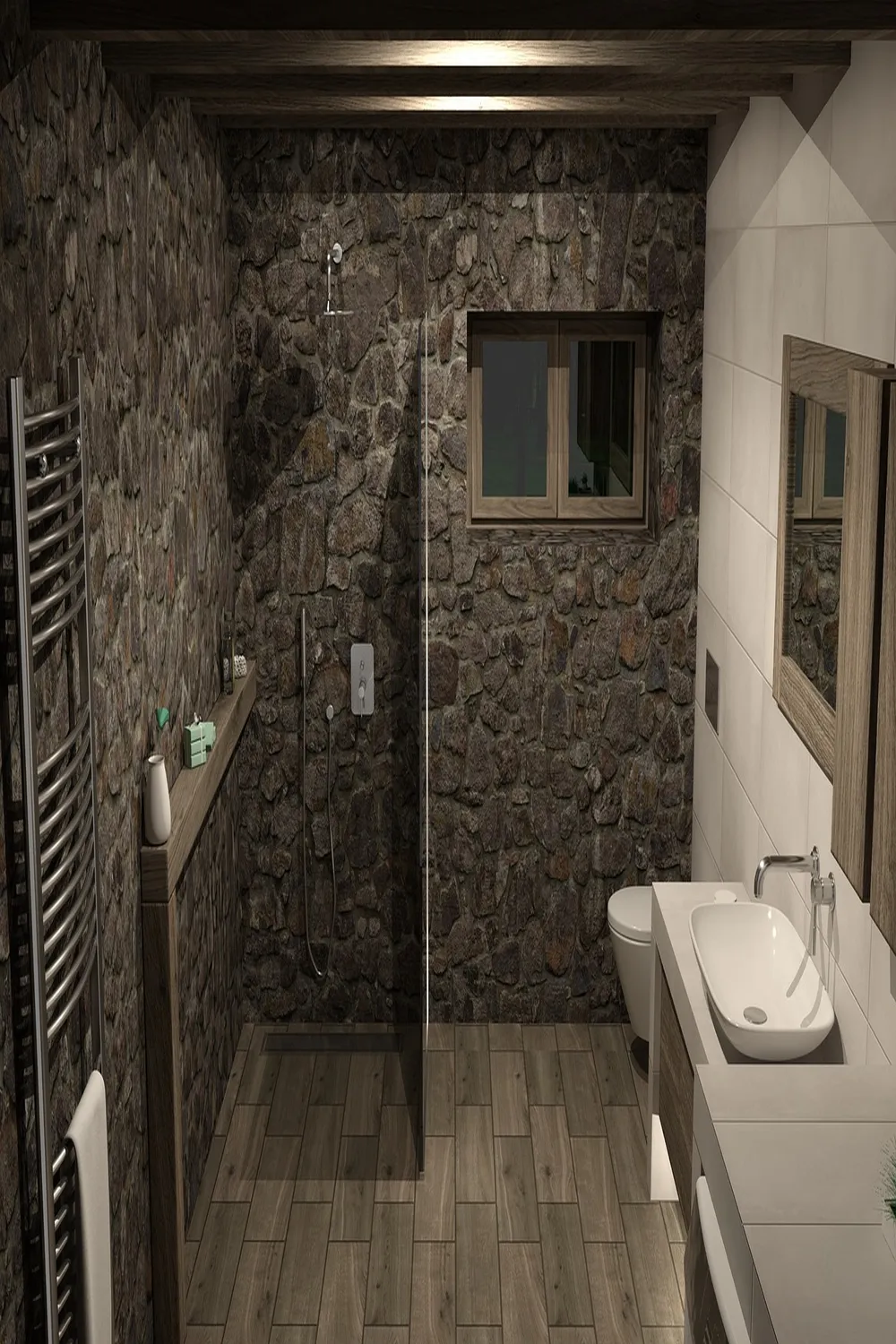
Accessibility features can look fully integrated into a modern bathroom. A curbless or low-threshold shower, handheld showerhead, lever handles, reinforced walls for future grab bars, nonslip flooring, and wider clearances can make the room easier for children, injured users, and older adults. A curbless shower requires careful drainage and waterproofing, so it should be resolved in the floor plan rather than improvised during installation.
If the bathroom must meet a formal accessibility standard, work with a qualified designer or code professional. Residential needs and legal requirements differ, and a feature described as “accessible” in marketing may not satisfy the dimensions or mounting rules that apply to your project.
Where to Spend and Where to Simplify
Spend first on work that is difficult to change: plumbing, electrical capacity, ventilation, waterproofing, drainage, subfloor repair, and a functional layout. Choose durable midrange fixtures with obtainable parts before adding connected features or premium finishes. You can update paint, mirrors, hardware, towels, and accessories later without reopening walls.
Remodel prices and schedules vary too widely by location, room condition, finish level, permitting, and structural changes for one national figure to be reliable. Request detailed, comparable bids that separate labor, materials, allowances, permits, and change-order terms. Confirm product lead times before demolition, and do not schedule the room around an optimistic delivery estimate.
Modern Bathroom Remodeling Questions
Can you remodel a bathroom yourself?
Painting, replacing cabinet hardware, installing accessories, and some simple cosmetic work may suit an experienced homeowner. Waterproofing, structural changes, new circuits, and substantial plumbing carry much greater consequences if they fail. Use licensed professionals where required, obtain permits, and keep inspection and product documentation.
Is a walk-in shower better than a bathtub?
It depends on the household. A walk-in shower can improve access and make efficient use of space. A tub remains valuable for bathing young children, soaking, or meeting personal preferences. If the home has only one bathtub, consider whether removing it will make the house less practical for you or a future buyer; there is no universal resale rule.
Which upgrade matters most?
Fixing layout, moisture management, and storage usually improves daily use more than a fashionable finish. If the fundamentals are already sound, better mirror lighting, a quieter exhaust fan, efficient fixtures, and well-organized drawers can deliver noticeable benefits without turning the bathroom into a technology showcase.
The best modern bathroom is not the one with the most features. It is the one that stays dry, cleans easily, supports your routine, and remains comfortable long after current finishes change.
As an Amazon Associate, azuloz.com earns from qualifying purchases.