As the last wisps of winter dissipate, April brings with it a renewed sense of hope and possibility for gardeners everywhere. The weather warms, the sun shines brighter, and the promise of new growth and ripening fruit hangs tantalizingly in the air. For fruit tree enthusiasts, this month is a particularly exciting time – it’s the perfect opportunity to get a head start on the growing season and set your trees up for a bountiful harvest. But with so much to do and so little time to do it, it’s easy to feel overwhelmed. That’s why we’ve put together this comprehensive guide to the 11 essential April tasks for fruit tree maintenance – so you can stay on track and enjoy a fruitful and fulfilling season.
Understanding the Importance of Fruit Tree Maintenance
Fruit trees require regular maintenance to ensure healthy growth and generous harvests. This includes tasks such as pruning, training, and fertilizing, as well as monitoring for pests and diseases. Regular maintenance tasks ensure that your trees receive the necessary nutrients, water, and care to thrive, and can even help prevent common problems like overwatering and nutrient deficiencies. By staying on top of maintenance, you’ll be rewarded with a bountiful harvest, improved tree health, and a sense of accomplishment that comes from knowing you’re doing everything you can to support your trees’ development.
Inspecting Each Tree’s Soil
It’s easy to think of soil as a given, something that is always in place that you don’t have to worry about. But the truth is, good, well-draining, nutrient-rich soil doesn’t happen without regular maintenance. April is the perfect time to start building good soil by inspecting the area around each fruit tree. Check for any signs of compaction, which can reduce drainage and limit the water and nutrients that get to the tree’s roots. Loosen up the top layer of soil and work in some organic compost to improve its structure and fertility. If necessary, aerate the area by poking holes into the soil that allow water and air to pass. This can be done with a lawn aerator spike, like the Walensee tool from Amazon, which can help to break up compacted soil and promote healthy drainage.
Amazon US Verified
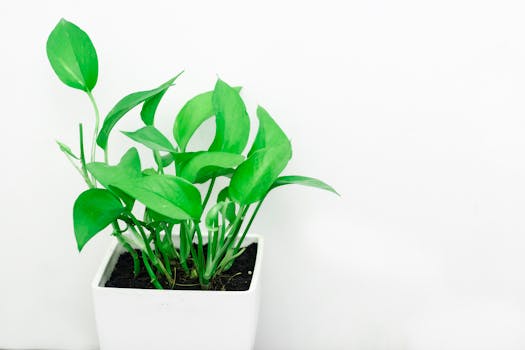
Organic Perlite Horticultural Soil Conditioner
Lightweight volcanic mineral that improves root aeration and prevents compaction.
It’s also a good idea to test your soil at this time to figure out exactly what nutrients and micronutrients are needed. This will allow you to provide the appropriate fertilizer, which can be a balanced, granular fertilizer for fruit trees like Jobe’s Organics Granular Garden Fertilizer for Fruit and Citrus Plants and Trees. Remember to water the soil before applying fertilizer, and never allow the product to touch the trunk of the tree. Water again once the fertilizer is in place to move those nutrients into the soil.
Why Soil Testing is Crucial
Soil testing is an essential step in ensuring that your fruit trees receive the necessary nutrients to thrive. By testing your soil, you’ll be able to determine exactly what nutrients and micronutrients are lacking, and take steps to address these deficiencies. This can include adding organic matter like compost or manure, or using a balanced fertilizer to provide essential nutrients like nitrogen, phosphorus, and potassium. By taking a proactive approach to soil testing and fertilization, you’ll be able to support the health and productivity of your fruit trees, and enjoy a bountiful harvest.
Ensuring Your Trees Get Enough Water
Everyone knows that fruit trees need water to survive and thrive, but thoughtless irrigation can cause problems. Remember that while a fruit tree will waste away without enough water, overwatering is even more of a problem. Give your fruit trees too much water, and their leaves will yellow, wilt, and fall, and the roots may actually rot. Poor drainage is often the cause of overwatering, so do your soil check first. Then start a watering program for the trees, which means watering less often but for a longer time so that water passes down at least a foot (30cm) into the soil. This may require a hose drip for 20 minutes, like the Rainpoint Soaker Hose, which can help to deliver water directly to the roots of the tree.
Amazon US Verified
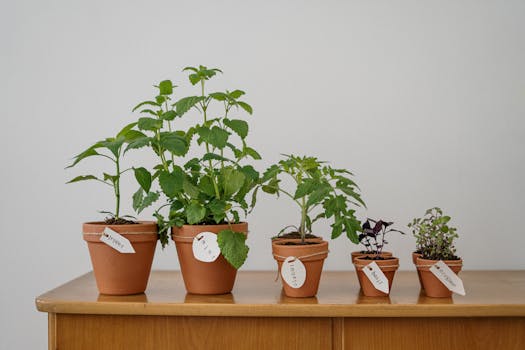
Digital 3-in-1 Soil Moisture & pH Meter
Accurate probe to test deep root zone moisture and prevent accidental overwatering.
Debunking the Myths of Watering
When it comes to watering fruit trees, it’s easy to get caught up in myths and misconceptions. For example, some people believe that fruit trees need a lot of water, especially when they’re fruiting. However, this is not necessarily the case. In fact, fruit trees prefer consistently moist soil, and deep watering is the key. By watering less often but for a longer time, you’ll be able to deliver water directly to the roots of the tree, where it’s needed most. This can help to improve the overall health and productivity of your fruit trees, and even reduce the risk of pests and diseases.
Understanding the Importance of Mulching
Mulching is an essential part of fruit tree maintenance, and can help to retain moisture, suppress weeds, and regulate soil temperature. By layering a few inches of organic mulch around the base of the fruit tree in a donut shape, you’ll be able to create a healthy and supportive environment for the tree to thrive. What’s more, mulching can help to prevent pests and diseases, by creating a barrier between the tree and potential threats. Organic mulch, such as compost, wood chips, or coconut husks, can be used to create a healthy and thriving ecosystem around the tree, which will help to support its growth and productivity.
Choosing the Right Mulch
When it comes to choosing the right mulch for your fruit trees, there are a number of options to consider. Organic mulch, such as compost, wood chips, or coconut husks, can be used to create a healthy and thriving ecosystem around the tree. By choosing a high-quality mulch, you’ll be able to support the growth and productivity of your fruit trees, and even reduce the risk of pests and diseases. Remember to avoid using mulch that’s too dense or heavy, as this can cause the soil to become waterlogged and reduce drainage. Instead, opt for a light and airy mulch that will allow water and air to pass through, and help to create a healthy and thriving environment for your fruit trees.
Inspecting for Pests and Diseases
April is the perfect time to inspect your fruit trees for signs of pests and diseases. By keeping a close eye on the trees, you’ll be able to catch any potential problems early, and take steps to address them. This includes inspecting both sides of leaves for bugs, looking for signs of fungal diseases, and checking the base of the tree for sawdust or cankers. By taking a proactive approach to pest and disease management, you’ll be able to support the health and productivity of your fruit trees, and even reduce the risk of pests and diseases.

Amazon US Verified
Self-Watering Planters with Drainage Aerators
Elevated reservoir design that prevents soggy roots and ensures steady hydration.
You may also enjoy reading: Family Room Ideas That Are Stylish And Kid-Friendly.
Why Regular Inspections are Crucial
Regular inspections are an essential part of fruit tree maintenance, and can help to ensure the health and productivity of your trees. By keeping a close eye on the trees, you’ll be able to catch any potential problems early, and take steps to address them. This includes monitoring for signs of pests and diseases, inspecting the soil and mulch, and checking the overall health and condition of the tree. By taking a proactive approach to inspections, you’ll be able to support the growth and productivity of your fruit trees, and even reduce the risk of pests and diseases.
Conclusion
By following the 11 essential April tasks for fruit tree maintenance outlined in this article, you’ll be able to support the health and productivity of your trees, and enjoy a bountiful harvest. From inspecting the soil to mulching and pest management, these tasks are essential for ensuring the overall health and well-being of your fruit trees. By taking a proactive approach to maintenance, you’ll be able to create a healthy and thriving ecosystem around the tree, which will help to support its growth and productivity. So don’t wait – get started today and enjoy the many rewards of fruit tree gardening.
Additional Tips and Resources
For more information on fruit tree maintenance, including tips and resources, be sure to check out the following:
- Jobe’s Organics Granular Garden Fertilizer for Fruit and Citrus Plants and Trees
- Walensee Lawn Aerator Spike
- Rainpoint Soaker Hose
- Raintrip 4-in-1 Soil Moisture Meter
- Back to the Roots Organic Expanding Mulch
By following these tips and resources, you’ll be able to create a healthy and thriving ecosystem around your fruit trees, and enjoy a bountiful harvest. Happy gardening!
References:
- Soil Testing Kit by MySoil
- Jobe’s Organics Granular Garden Fertilizer for Fruit and Citrus Plants and Trees
- Walensee Lawn Aerator Spike
- Rainpoint Soaker Hose
- Raintrip 4-in-1 Soil Moisture Meter
- Back to the Roots Organic Expanding Mulch
By following the expert advice and tips outlined in this article, you’ll be able to create a healthy and thriving ecosystem around your fruit trees, and enjoy a bountiful harvest. Remember to stay on top of maintenance tasks, monitor for pests and diseases, and take steps to support the overall health and productivity of your trees. Happy gardening!
As an Amazon Associate, azuloz.com earns from qualifying purchases.