Chives are often considered the easiest herb to grow, and for good reason. They’re incredibly cold hardy perennials, and will pop up reliably every spring. Whether you’re a seasoned gardener or a beginner, chives are a great choice for adding fresh flavor and a pop of color to your dishes. In this article, we’ll cover everything you need to know about growing chives, from seed to division, and even how to grow them indoors.
Why Chives Are a Great Choice for Gardeners
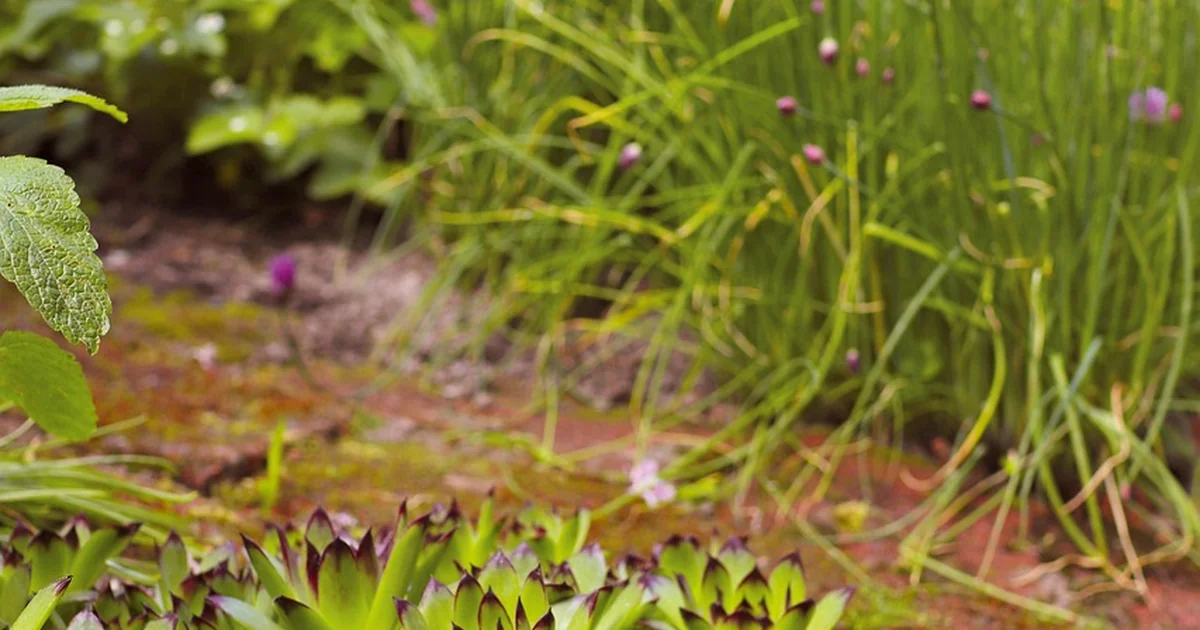
One of the main reasons chives are so popular is their ease of growth. They’re a low-maintenance herb that requires minimal care and can thrive in a variety of conditions. Chives are also highly ornamental, producing the lollipop-esque pompom flowers all alliums share. They’re a great choice for gardeners who want to add a bit of color and interest to their garden, without a lot of fuss.
How to Grow Chives from Seed
Growing chives from seed is a simple and straightforward process. You can start chive seeds indoors 6-8 weeks before the last frost, or directly in the garden after the last frost. To start indoors, plant chive seeds about 1/4 inch deep in the soil and water well. Place the pot in a dark spot in temperatures 60 to 70 F (15-21 C). When the seeds sprout, move them into the light. When seedlings reach 6 inches, you can transplant them to the garden.
Optimal Soil Conditions for Growing Chives from Seed
Chives prefer well-draining soil that is rich in organic matter. If your soil is heavy clay or sandy, mix in some compost or well-rotted manure to improve its structure. Chives also prefer a slightly acidic to neutral soil pH, ranging from 6.0 to 7.0.
How to Grow Chives from Divisions
While seed propagation is possible, the most common way to grow chives is to start from divisions. This involves separating an older plant into multiple smaller plants. Chives are victims of their own success, growing in dense clumps that have to be separated every three to four years to prevent overcrowding. The upshot is, you get more plants out of it.
When to Divide Chives
The best time to divide chives is in early spring or mid fall. Find an established clump of chives and gently dig up the entire clump. Pull off a smaller clump that contains 5-10 bulbs. Repeat this as many times as you want or can. Replant the smaller clumps at least 8-10 inches apart, or wherever you want more chives to take hold.
How to Grow Chives Indoors
There’s no rule that says you can’t grow chives indoors. In fact, chives are very well suited to indoor life, and usually perform the best of all the plants in an indoor herb garden. Grow indoor chives in a pot that drains well and is full of good potting soil. Place the pot in bright light and harvest them just as you would outside.
Top 5 Tips for Growing Chives Indoors
1. Choose a container that drains well. Chives don’t like wet feet, so make sure your pot has good drainage holes to prevent waterlogged soil.
2. Use a good potting mix. Chives prefer well-draining soil, so choose a potting mix that is designed for indoor plants.
3. Provide bright light. Chives need bright light to photosynthesize, so place them in a sunny windowsill or under grow lights.
4. Water carefully. Chives don’t like wet feet, so make sure not to overwater them. Water them when the top inch of soil feels dry to the touch.
5. Harvest regularly. Chives are a cut-and-come-again herb, so harvest them regularly to encourage new growth.
You may also enjoy reading: 7 Surprising Birth Month Orchids to Welcome into Your Life.
What Affects Chive Growth
There are several factors that can affect chive growth, including light, temperature, water, and soil quality. Chives require at least 4 hours of direct sunlight per day, and prefer temperatures between 60-70 F (15-21 C). They also prefer moist soil, but not waterlogged.
How to Overcome Common Chive Problems
1. Overcrowding. Chives can become overcrowded if not divided regularly, leading to reduced growth and increased susceptibility to disease. To prevent overcrowding, divide chives every three to four years.
2. Underwatering. Chives don’t like dry soil, so make sure to water them regularly. If the top inch of soil feels dry to the touch, it’s time to water.
3. Overwatering. Chives don’t like wet feet, so make sure not to overwater them. Waterlogged soil can lead to root rot and other diseases.
4. Pests and diseases. Chives can be susceptible to pests like aphids and slugs, as well as diseases like powdery mildew and root rot. To prevent these problems, use organic pest control methods and inspect your plants regularly.
When to Harvest Chives
Chives can be harvested year-round, but the best time is in the spring and fall. Harvest chives before they flower, as the leaves will be more flavorful and tender.
How to Harvest Chives
Chives are a cut-and-come-again herb, so harvest them regularly to encourage new growth. To harvest chives, cut the leaves back to about an inch from the ground, using scissors or a sharp knife. You can also harvest individual leaves as needed.