Slugs are one of the most stealthy and destructive pests in any garden. They can decimate your favorite foliage plants, seedlings, and garden crops, leaving behind a trail of slime and devastation in their wake. While chemical pesticides can be effective, many gardeners prefer to use natural and organic methods to control slugs, not only for the health of their garden but also for the environment. In this article, we will explore 13 weirdly effective slug control methods you may not have known existed.
Understanding Slugs and Their Habitat
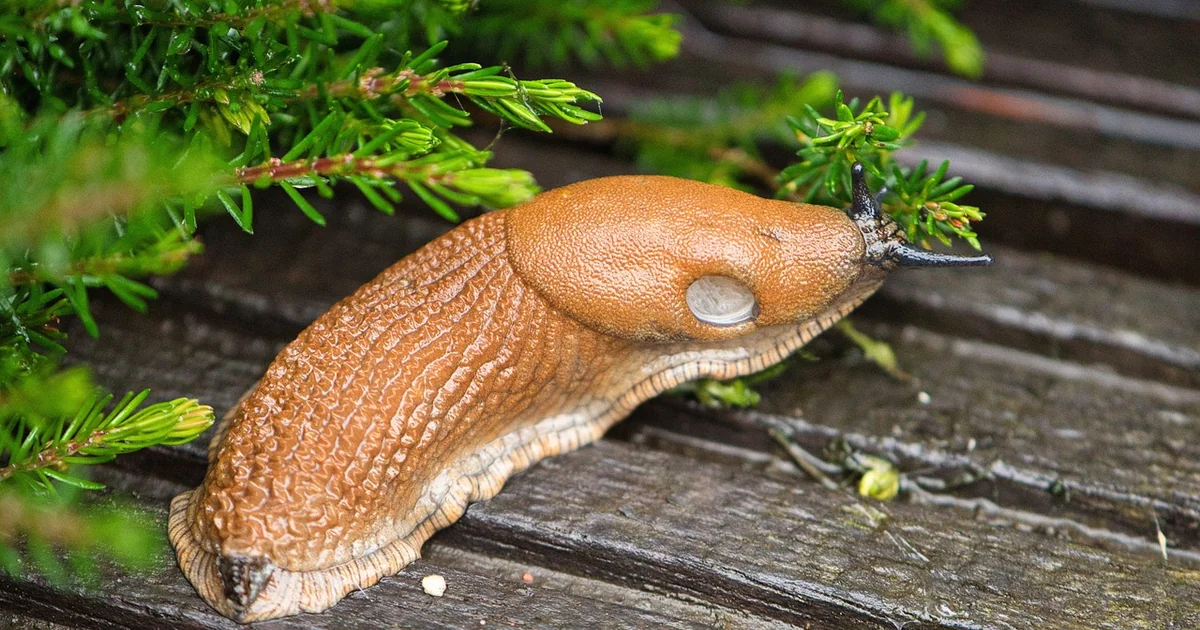
Slugs are terrestrial mollusks that feed on a wide variety of plants, from tender leaves and foliage to vegetables and fruit. They are most active at night and can cause significant damage in a short amount of time. A single slug can eat big, ragged holes in leaves, but a group of slugs can do even more significant damage. Slugs prefer soft-leafed plants like hostas, strawberries, lettuce, and cabbage, and seedlings are also a favorite snack. Vegetables and fruit in the garden are also vulnerable to slug attacks.
One of the key factors that attract slugs to your garden is the cool, moist environment. They thrive in temperatures between 50°F and 80°F (10°C and 27°C) and require a certain level of humidity to survive. This makes them more active in the early morning and evening when the air is typically cooler and more humid.
1. Wood Plank Slug Trap
The first weirdly effective slug control method is the wood plank slug trap. This method involves creating a slug trap board by laying wood planks or large pieces of cardboard on the soil around your garden plants. The slugs will be attracted to the moisture and shelter provided by the board, and you can collect them in the early morning. This method is not only effective but also non-toxic and easy to implement.
In addition to the wood plank slug trap, you can also use other materials like large stones or bricks to create a barrier around your plants. This will not only deter slugs but also other pests like snails and slugs’ natural predators. To make the trap even more effective, you can add a shallow moat around the perimeter of the board filled with water. This will help to drown the slugs and prevent them from escaping.
2. Grapefruit Skins
Grapefruits and other citrus fruits can be used to lure slugs to a handy pick-up spot. Cut the fruit in half and remove the pulp, leaving the skin intact. Place the grapefruit skins in the garden, and the slugs will be attracted to the cool, moist interior. This is a simple and non-toxic method that can be used in conjunction with other methods to control slugs.
When using grapefruit skins, it’s essential to replace them regularly to keep the slugs coming back. You can also use other fruits like cantaloupe or coconut to create a slug trap. The key is to provide a cool, moist environment that the slugs will find attractive.
3. Beer Traps
Beer traps are another weirdly effective method for controlling slugs. Slugs are attracted to the smell of beer, which is a fermented liquid that contains alcohol. By placing a container filled with beer in the garden, you can lure the slugs to the trap and drown them. This method is not only effective but also entertaining to watch.
To create a beer trap, you will need a container that is at least a few inches deep. Dig a hole in the ground and sink the container into it, then fill it with beer. Replace the beer every morning until the slug population is under control. This method is not only effective but also a fun way to get rid of slugs in your garden.
4. Diatomaceous Earth
Diatomaceous earth (DE) is a natural substance that is made up of the fossilized remains of tiny aquatic organisms called diatoms. It is a popular ingredient in organic gardening products due to its ability to control pests like slugs and snails. DE is abrasive and sucks up moisture, making it unappealing to slugs. This method is not only effective but also non-toxic and easy to implement.
To use diatomaceous earth, you will need to create a barrier around your plants. Mix the DE with water to create a slurry, and apply it to the soil around the plants. You can also use a dusting powder to create a barrier around the plants. This method is not only effective but also a great way to control other pests like snails and slugs’ natural predators.
5. Copper Barriers
Copper is a natural deterrent for slugs, and you can use it to create a barrier around your plants. Slugs don’t like to cross copper surfaces and can feel a slight electric shock when they touch it. To use copper barriers, you can wrap copper tape or copper rings around the base of the plants. This will deter the slugs from crossing the barrier and reaching the plants.
When using copper barriers, it’s essential to use a wide enough tape or ring to cover the entire base of the plant. A 3-inch wide tape is recommended to ensure that the slugs don’t find a way to cross the barrier. You can also use copper mesh or copper mesh tape to create a barrier around the plants.
6. Coffee Grounds
Coffee grounds are another weirdly effective method for controlling slugs. Slugs don’t like the acidity of coffee grounds, and they will avoid crossing the barrier. To use coffee grounds, mix them with water to create a slurry and apply it to the soil around the plants. You can also use dried coffee grounds to create a barrier around the plants.
When using coffee grounds, it’s essential to replace them regularly to keep the slugs coming back. You can also use other acidic substances like eggshells or crushed eggshells to create a barrier around the plants.
7. Eggshells
Eggshells are another natural deterrent for slugs. Slugs don’t like to cross eggshells, and they will avoid them. To use eggshells, crush them and mix them with water to create a slurry. Apply the slurry to the soil around the plants, and the slugs will be deterred.
When using eggshells, it’s essential to replace them regularly to keep the slugs coming back. You can also use other materials like crushed eggshells or oyster shells to create a barrier around the plants.
8. Crushed Oyster Shells
Crushed oyster shells are another natural deterrent for slugs. They are acidic and will deter slugs from crossing the barrier. To use crushed oyster shells, mix them with water to create a slurry and apply it to the soil around the plants. You can also use dried crushed oyster shells to create a barrier around the plants.
When using crushed oyster shells, it’s essential to replace them regularly to keep the slugs coming back. You can also use other materials like eggshells or coffee grounds to create a barrier around the plants.
You may also enjoy reading: 7 Surprising Reasons Your Hydrangea Leaves Are Turning Yellow and How to Ditch Rusty….
9. Soap Barriers
Soap barriers are another weirdly effective method for controlling slugs. Slugs don’t like the taste of soap, and they will avoid crossing the barrier. To use soap barriers, mix soap with water to create a slurry and apply it to the soil around the plants. You can also use soap powder to create a barrier around the plants.
When using soap barriers, it’s essential to replace them regularly to keep the slugs coming back. You can also use other materials like dish soap or liquid soap to create a barrier around the plants.
10. Banana Peels
Banana peels are another natural deterrent for slugs. Slugs don’t like the taste of banana peels, and they will avoid crossing the barrier. To use banana peels, place them around the plants, and the slugs will be deterred.
When using banana peels, it’s essential to replace them regularly to keep the slugs coming back. You can also use other materials like citrus peels or apple cores to create a barrier around the plants.
11. Garlic Spray
Garlic spray is another weirdly effective method for controlling slugs. Slugs don’t like the smell of garlic, and they will avoid crossing the barrier. To use garlic spray, mix minced garlic with water to create a solution and spray it around the plants. You can also use garlic powder to create a barrier around the plants.
When using garlic spray, it’s essential to replace it regularly to keep the slugs coming back. You can also use other materials like hot peppers or chili peppers to create a barrier around the plants.
12. Chopped Onion
Chopped onion is another natural deterrent for slugs. Slugs don’t like the taste of onion, and they will avoid crossing the barrier. To use chopped onion, place it around the plants, and the slugs will be deterred.
When using chopped onion, it’s essential to replace it regularly to keep the slugs coming back. You can also use other materials like garlic or hot peppers to create a barrier around the plants.
13. Salt Barriers
Salt barriers are another weirdly effective method for controlling slugs. Slugs don’t like the taste of salt, and they will avoid crossing the barrier. To use salt barriers, sprinkle salt around the plants, and the slugs will be deterred.
When using salt barriers, it’s essential to be careful not to overdo it, as excess salt can damage the plants. You can also use other materials like borax or baking soda to create a barrier around the plants.
Combining Methods
One of the most effective ways to control slugs is to combine multiple methods together. By using a combination of the above methods, you can create a barrier around your plants that slugs will find difficult to cross. This is a great way to keep your garden safe from slug damage and ensure a healthy harvest.
In conclusion, controlling slugs in your garden can be a challenge, but there are many weirdly effective methods that can help. By using a combination of the above methods, you can create a barrier around your plants that will keep the slugs at bay. Remember to replace the barriers regularly to keep the slugs coming back, and don’t be afraid to try new methods to find what works best for your garden.