Creating a Welcoming Habitat for Bluebirds
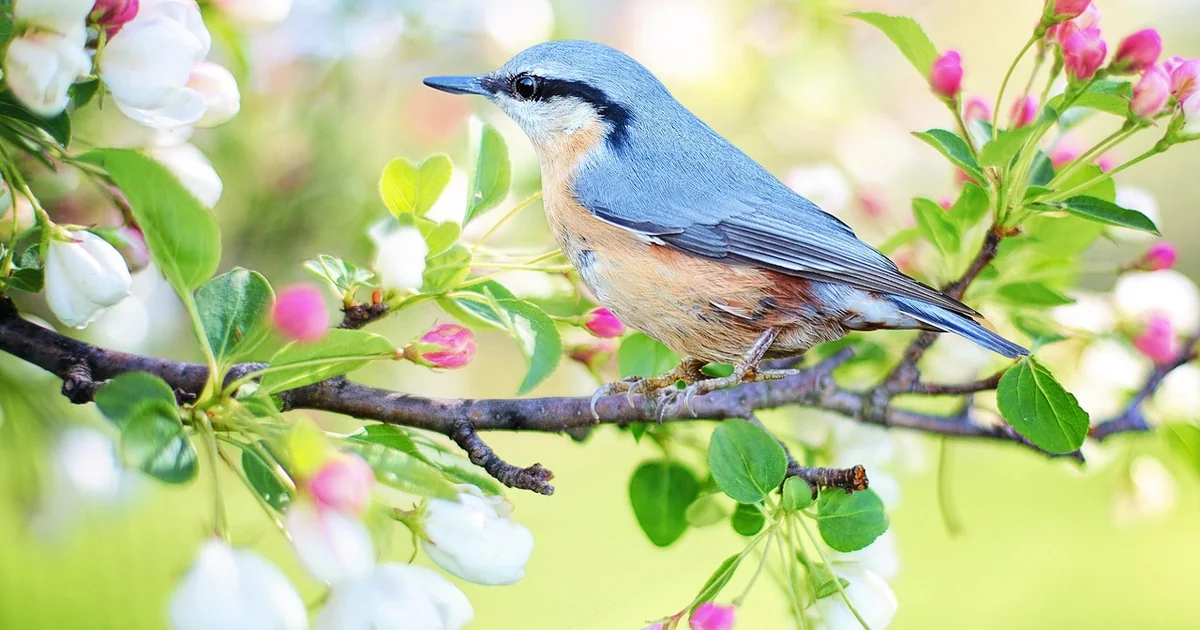
Bluebirds, with their cheerful songs and vibrant blue plumage, are a delightful addition to any backyard. These captivating songbirds are not only aesthetically pleasing but also play a valuable role in controlling insect populations. To invite these charming creatures to your property, understanding their needs and providing a suitable environment is key. By offering the right resources and creating a safe haven, you significantly increase your chances of attracting these beautiful birds to your yard.
1. Offer Favorite Foods: Beyond the Bird Feeder
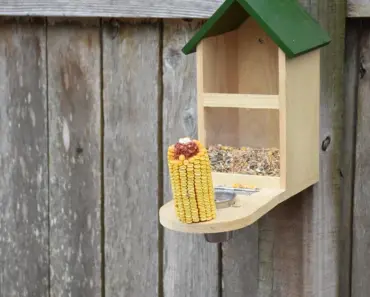
While traditional seed feeders are often used to attract common backyard birds, bluebirds have a more specialized diet. Their primary food source consists of insects during the warmer months, transitioning to berries and fruits as winter approaches. Relying solely on seeds is unlikely to entice them. Experts recommend offering live or freeze-dried mealworms, a favorite treat for bluebirds. These beetle larvae are a rich source of protein, especially important during nesting season. You can find mealworms at many pet stores. Present them in a house-shaped hopper feeder with large openings for easy access, or offer live ones in a smooth, steep-sided dish placed on a deck railing or platform feeder to prevent escape. During breeding season, limit mealworm feedings to once or twice daily to ensure young bluebirds receive a balanced diet. For supplemental nutrition during breeding, consider offering crushed, roasted eggshells for added calcium. Avoid overfeeding, as bluebirds are adept at foraging for their natural food sources.
2. Provide Water Access: A Necessary Element
Water is essential for bluebirds, serving both for drinking and maintaining their cleanliness. Although they obtain a significant portion of their hydration from their food, access to water is always appreciated. A shallow bird bath, no more than an inch deep, is ideal for bluebirds. This depth allows them to drink and bathe safely without the risk of drowning. Bathing helps keep their feathers clean and provides relief from the heat during warmer months. Beyond bird baths, bluebirds may also utilize shallow water in recirculating streams or pond edges. During colder periods, consider using a heated bird bath to prevent the water from freezing. It’s important to maintain clean water sources and feeders regularly to prevent the spread of diseases and ensure the health of your feathered visitors. Regular cleaning is a simple yet crucial step in creating a welcoming environment.
3. Plant Berry-Producing Natives: A Winter Lifeline
As the seasons change, bluebirds adapt their diet, shifting from insects and spiders in the summer to berries and fruits in the winter. To support their winter survival and encourage them to stay in your yard, planting native shrubs, trees, and vines that produce berries is highly beneficial. Look for species that thrive in your specific geographic region. In the eastern United States, excellent choices include American bittersweet vine, staghorn sumac, and various dogwood species. These plants provide a crucial food source when insects are scarce. Consider also species like black gum, Carolina cherry laurel, eastern red cedar, and American holly for their persistent berries. Incorporating these native plants into your landscape not only attracts bluebirds but also enhances the biodiversity of your garden and provides habitat for other wildlife.
4. Leave Dead Trees and Branches: Natural Cavities
While a meticulously manicured yard might seem appealing, a degree of natural disorder can be advantageous for wildlife, particularly bluebirds. One of the most significant limiting factors for bluebird populations is the availability of nesting cavities. If it is safe to do so, leave standing dead trees and branches. These provide potential nesting sites. However, ensure that the trees are stable and pose no safety hazards. The cavities in dead trees offer protection from predators and the elements, making them ideal nesting locations for bluebirds. This doesn’t mean allowing unsightly decay; focus on structurally sound, standing deadwood.
5. Keep Nesting Material Around: Building a Home
Bluebirds construct their nests using a variety of natural materials, primarily pine needles, grasses, and other soft, flexible plant fibers. Providing a source of this nesting material in your yard can encourage bluebirds to build their homes nearby. You can simply leave piles of clean pine needles, dry grasses, and small twigs in a sheltered location, such as under a bush or in a corner of your yard. Avoid using materials that have been treated with pesticides or chemicals. This readily available nesting material makes it easier for bluebirds to establish a nest in your property.
6. Put Up a Birdhouse: Providing a Safe Nesting Site
Providing a properly designed birdhouse is one of the most effective ways to attract bluebirds to your yard, especially during the breeding season. Bluebirds are cavity nesters, meaning they rely on enclosed spaces for building their nests and raising their young. Birdhouses should have a floor size of about 5×5 inches and a depth of 8-10 inches. The entrance hole should be 1.5 inches in diameter to deter larger birds like starlings. Mount the birdhouse on a pole or post, ideally facing away from prevailing winds and direct afternoon sun. Position the birdhouse 5 to 10 feet above the ground. Regular monitoring and cleaning of the birdhouse after the nesting season are important to maintain a healthy environment for future broods.
7. Offer a Variety of Perches: Resting Spots
Bluebirds, like all birds, appreciate having places to perch and survey their surroundings. Providing a variety of perches in your yard can make it more attractive to them. These perches can be in the form of branches, fence posts, or specially designed bird perches. Place perches near food and water sources, as bluebirds often like to rest and feed in close proximity. A diverse landscape with varying heights and structures provides more opportunities for bluebirds to feel secure and comfortable in your yard.
8. Create a Brush Pile: Shelter and Habitat
A brush pile, composed of fallen branches, twigs, and leaves, can offer valuable shelter and habitat for bluebirds and other wildlife. This provides a safe refuge from predators and harsh weather conditions. The dense structure of a brush pile creates a cozy environment where bluebirds can seek cover. It also attracts insects, which are a vital food source for them, particularly during the breeding season. Position the brush pile in a secluded area of your yard, away from busy pathways.
9. Avoid Pesticides: Protecting Their Food Source
The use of pesticides in your yard can have a detrimental impact on bluebirds and their food supply. Pesticides can directly harm bluebirds or indirectly reduce their food sources by eliminating insects. Opt for natural pest control methods whenever possible. Encourage beneficial insects by planting a variety of native plants. If pest control is necessary, choose targeted methods that minimize harm to wildlife. Creating a pesticide-free environment is crucial for supporting a healthy bluebird population.
10. Maintain a Quiet Environment: Reducing Stress
Bluebirds are sensitive to disturbance and prefer quiet environments. Minimize noise and activity in your yard, especially during the nesting season. Avoid excessive lawn mowing, loud music, and frequent human traffic. A peaceful and undisturbed environment will make bluebirds feel more comfortable and secure, increasing the likelihood of them choosing your yard as a nesting site. Creating a tranquil space enhances the overall appeal of your garden for these beautiful birds.
11. Be Patient and Observe: Enjoy the Process
Attracting bluebirds to your yard takes time and patience. It may take several weeks or even months for them to discover your welcoming habitat. Observe your yard regularly for signs of bluebird activity, such as nesting behavior or foraging. Avoid disturbing any nests you may find. Simply enjoy the process of creating a bluebird-friendly environment and appreciate the beauty of these captivating birds when they finally arrive. Observing their habits and interactions adds another layer of enjoyment to your gardening experience.
By implementing these 11 key strategies, you can significantly increase your chances of attracting these delightful birds to your yard and enjoy their presence for years to come. Creating a bluebird haven is a rewarding experience that benefits both the birds and the overall health of your garden ecosystem.
Attracting Bluebirds to Your Yard: A Comprehensive Guide
Bluebirds, known for their striking azure hues and cheerful melodies, are a welcome sight in any backyard. These delightful songbirds not only enhance the aesthetic appeal of a garden but also play a crucial role in controlling insect populations. By understanding their specific needs and creating a suitable habitat, you can significantly increase the likelihood of attracting these charming creatures to your property. This guide outlines eleven essential steps to help you create a bluebird-friendly environment.
1. Offer Favorite Foods: Beyond the Traditional Bird Feeder
While many gardeners rely on seed feeders to attract common backyard birds, bluebirds have a more specialized dietary preference. Their primary food source consists of insects during the warmer months, transitioning to berries and fruits as winter arrives. Traditional seed offerings are often ineffective in luring these discerning birds. Experts recommend providing live or freeze-dried mealworms, a protein-rich treat that bluebirds adore. These beetle larvae are particularly valuable during nesting season, providing essential nutrients for developing young. Mealworms can be sourced from most pet supply stores. Present them in a house-shaped hopper feeder with large openings for easy access, or offer live ones in a smooth, steep-sided dish placed on a deck railing or platform feeder to prevent escape. During breeding season, limit mealworm feedings to once or twice a day to ensure young bluebirds receive a balanced diet. For supplemental nutrition during breeding, consider adding crushed, roasted eggshells to provide extra calcium. Avoid overfeeding, as bluebirds are skilled foragers and naturally find a variety of food sources.
2. Provide Water Access: Essential for Drinking and Hygiene
Water is an indispensable element for bluebirds, serving both for hydration and maintaining their feather cleanliness. While they obtain a significant portion of their moisture from their food, access to water is always appreciated. A shallow bird bath, ideally no more than an inch deep, is an excellent option for bluebirds. This depth allows them to drink and bathe safely without the risk of drowning. Bathing helps keep their feathers clean and provides relief from the heat during warmer weather. In addition to bird baths, bluebirds may also utilize shallow water in recirculating streams or pond edges. During colder periods, consider using a heated bird bath to prevent the water from freezing. Maintaining clean water sources and feeders is crucial for preventing the spread of diseases and ensuring the health of your feathered visitors. Regular cleaning is a simple yet vital step in creating a welcoming environment.
You may also enjoy reading: 7 Ranch Flavored Cocktail Recipes to Die For!.
3. Plant Berry-Producing Natives: A Winter Food Source
As the seasons transition, bluebirds adapt their diet, shifting from insects and spiders in the summer to berries and fruits in the winter. To support their winter survival and encourage them to remain in your yard, planting native shrubs, trees, and vines that produce berries is highly beneficial. Select species that thrive in your specific geographic region. For the eastern United States, excellent choices include American bittersweet vine, staghorn sumac, and various dogwood species. These plants provide a crucial food source when insects are scarce. Consider also species like black gum, Carolina cherry laurel, eastern red cedar, and American holly for their winter-persistent berries. Incorporating these native plants into your landscape not only attracts bluebirds but also enhances the biodiversity of your garden and provides habitat for other wildlife.
4. Leave Dead Trees and Branches: Natural Nesting Sites
While a tidy yard might seem appealing, a degree of natural disorder can be surprisingly beneficial for wildlife, particularly bluebirds. One of the most significant limiting factors for bluebird populations is the availability of nesting cavities. If it is safe to do so, leave standing dead trees and branches. These provide potential nesting sites. However, ensure that the trees are structurally sound and pose no safety hazards. The cavities in dead trees offer protection from predators and the elements, making them ideal nesting locations for bluebirds. This doesn’t necessitate allowing unsightly decay; focus on structurally sound, standing deadwood.
5. Keep Nesting Material Around: Facilitating Nest Construction
Bluebirds construct their nests using a variety of natural materials, primarily pine needles, grasses, and other soft, flexible plant fibers. Providing a source of this nesting material in your yard can encourage bluebirds to build their homes nearby. You can simply leave piles of clean pine needles, dry grasses, and small twigs in a sheltered location, such as under a bush or in a corner of your yard. Avoid using materials that have been treated with pesticides or chemicals. This readily available nesting material makes it easier for bluebirds to establish a nest in your property.
6. Put Up a Birdhouse: Providing a Secure Nesting Platform
Providing a properly designed birdhouse is a highly effective way to attract bluebirds, particularly during the breeding season. Bluebirds are cavity nesters, relying on enclosed spaces for building their nests and raising their young. Birdhouses should have a floor size of approximately 5×5 inches and a depth of 8-10 inches. The entrance hole should be 1.5 inches in diameter to deter larger birds like starlings. Mount the birdhouse on a pole or post, ideally facing away from prevailing winds and direct afternoon sun. Position the birdhouse 5 to 10 feet above the ground. Regular monitoring and cleaning of the birdhouse after the nesting season are important to maintain a healthy environment for future broods.
7. Offer a Variety of Perches: Encouraging Rest and Observation
Bluebirds, like all birds, appreciate having places to perch and survey their surroundings. Providing a variety of perches in your yard can make it more attractive to them. These perches can be in the form of branches, fence posts, or specially designed bird perches. Place perches near food and water sources, as bluebirds often like to rest and feed in close proximity. A diverse landscape with varying heights and structures provides more opportunities for bluebirds to feel secure and comfortable in your yard.
8. Create a Brush Pile: Providing Shelter and Habitat
A brush pile, composed of fallen branches, twigs, and leaves, can offer valuable shelter and habitat for bluebirds and other wildlife. This provides a safe refuge from predators and harsh weather conditions. The dense structure of a brush pile creates a cozy environment where bluebirds can seek cover. It also attracts insects, which are a vital food source for them, particularly during the breeding season. Position the brush pile in a secluded area of your yard, away from busy pathways.
9. Avoid Pesticides: Protecting the Food Chain
The use of pesticides in your yard can have a detrimental impact on bluebirds and their food supply. Pesticides can directly harm bluebirds or indirectly reduce their food sources by eliminating insects. Opt for natural pest control methods whenever possible. Encourage beneficial insects by planting a variety of native plants. If pest control is necessary, choose targeted methods that minimize harm to wildlife. Creating a pesticide-free environment is crucial for supporting a healthy bluebird population.
10. Maintain a Quiet Environment: Reducing Stress and Disturbance
Bluebirds are sensitive to disturbance and prefer quiet environments. Minimize noise and activity in your yard, especially during the nesting season. Avoid excessive lawn mowing, loud music, and frequent human traffic. A peaceful and undisturbed environment will make bluebirds feel more comfortable and secure, increasing the likelihood of them choosing your yard as a nesting site. Creating a tranquil space enhances the overall appeal of your garden for these beautiful birds.
11. Be Patient and Observe: Enjoy the Process of Attraction
Attracting bluebirds to your yard takes time and patience. It may take several weeks or even months for them to discover your welcoming habitat. Observe your yard regularly for signs of bluebird activity, such as nesting behavior or foraging. Avoid disturbing any nests you may find. Simply enjoy the process of creating a bluebird-friendly environment and appreciate the beauty of these captivating birds when they finally arrive. Observing their habits and interactions adds another layer of enjoyment to your gardening experience.
By implementing these 11 key strategies, you can significantly increase your chances of attracting these delightful birds to your yard and enjoy their presence for years to come. Creating a bluebird haven is a rewarding experience that benefits both the birds and the overall health of your garden ecosystem.