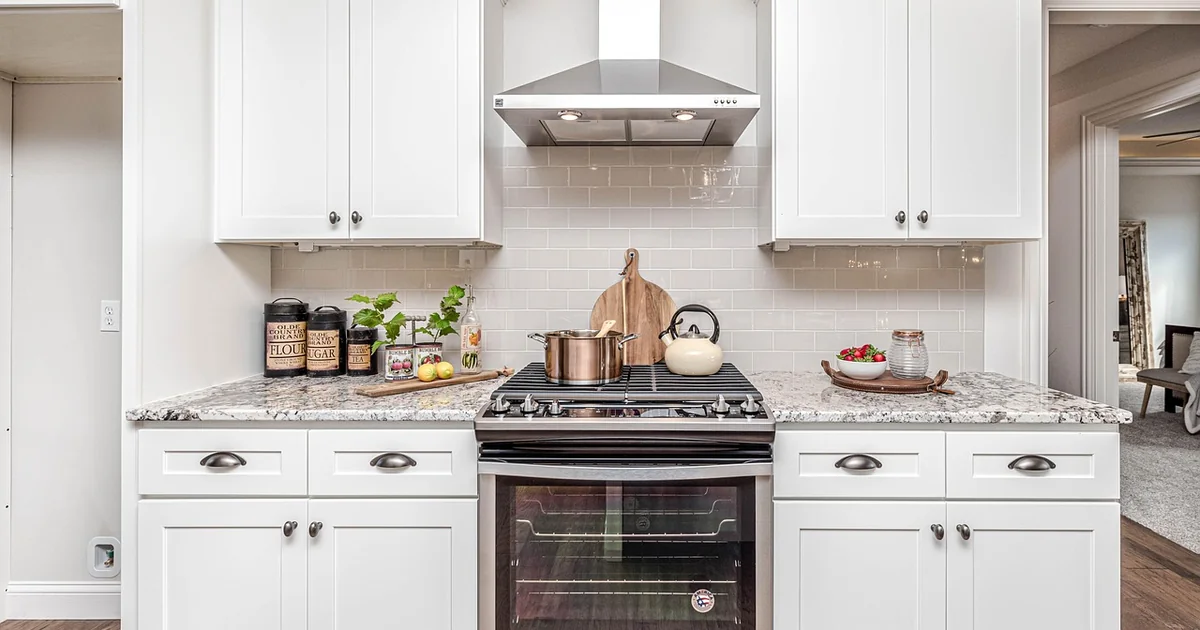
Imagine a kitchen where the walls behind the stove and sink become a luminous canvas, reflecting light and setting the stage for every meal prepared. This is the power of a white backsplash. Its brilliance lies not in being a single, simple choice, but in its extraordinary versatility. From the humble charm of a cottage beadboard to the dramatic sweep of a veined marble slab, it offers a foundation that can be tailored to any vision.
Why a White Backsplash is a Brilliant Foundation
Before diving into specific designs, it’s worth understanding why this choice remains so enduring. A white backsplash acts as a neutral anchor, providing visual calm in a room often bustling with activity. It reflects natural and artificial light, making even modest kitchens feel brighter and more spacious. Studies on interior lighting suggest that reflective white surfaces can make a room feel approximately 15-20% larger perceptually, a significant benefit for smaller spaces.
However, a common challenge is the fear that an all-white scheme can feel cold or sterile. The solution lies in layering. A white backsplash is not a finish line; it’s a starting point. It allows other elements—the rich grain of wood cabinets, the colorful vibrancy of a rug, the metallic gleam of hardware—to shine without competition. It provides the clean backdrop that makes those personal touches pop.
Here, we explore a range of concepts to inspire your project. Each idea includes not just the visual effect, but practical considerations for implementation.
1. The Classic Subway Tile Revival
The 3×6-inch subway tile is a legend, but its application need not be basic. Installing them in a classic brick pattern offers clean, horizontal lines. For a twist, consider a stacked vertical layout, which draws the eye upward and can make a standard-height backsplash feel more significant. Using a charcoal or slate gray grout instead of white introduces subtle definition and a modern edge, helping each tile stand out distinctly.
2. Full-Slab Marble Grandeur
Instead of tiles, a single, uninterrupted sheet of marble can be installed from countertop to ceiling. This creates a seamless, luxurious flow, especially if the same stone is used for the countertops. The key challenge here is maintenance; marble is a calcite-based stone susceptible to etching from acidic liquids like vinegar or lemon juice. The practical solution is a proactive sealing regimen with a penetrating sealant designed for natural stone, applied annually, and a commitment to quick cleanup of spills.
3. Small-Scale Mosaic Intricacy
Tiny tiles, perhaps 1×1-inch squares or delicate fishscale shapes, create a texture that changes with distance. From afar, it appears as a soft, uniform field. Up close, the intricate pattern and craftsmanship become apparent. Installing mosaics requires a steady hand and patience. A tip for DIYers: use mosaic sheets that come mounted on a mesh backing for easier alignment, and invest in a high-quality, non-sag tile adhesive to prevent slippage.
4. Glossy Square Tile Rustic Charm
In a kitchen with reclaimed wood beams or a farmhouse sink, 4×4-inch glossy white ceramic tiles offer a perfect balance. Their sheen reflects the rustic textures around them, while their simple shape keeps the look grounded. To enhance warmth, pair them with a matte, earth-toned grout in a beige or soft taupe, which softens the overall effect and ties in with natural wood elements.
5. Countertop-to-Backsplash Flow
In a modern farmhouse or minimalist kitchen, extending the same material from the countertop surface up the wall eliminates visual breaks. This could be a continuation of a quartz countertop or a matched porcelain slab. The design tip here is to ensure a perfectly flush junction where the horizontal counter meets the vertical backsplash, requiring precise fabrication and installation by experienced professionals.
6. Geometric Gray & White Pattern Play
Introducing gray into a white backsplash through a geometric pattern—like hexagons, diamonds, or a custom design—adds depth without overwhelming. This idea beautifully complements marble countertops with gray veining. When selecting such tiles, pay attention to the “repeat” of the pattern on each sheet to ensure a cohesive look across the entire wall, avoiding awkward breaks in the design sequence.
7. Vertical Elongated Hexagon Art Deco Flair
Turn elongated hexagon tiles so their points run vertically. This application creates strong, upward lines reminiscent of Art Deco elegance. Pair this with brass or gold fixtures for a cohesive vintage-modern look. A crucial installation detail: these tiles often have irregular edges, so using a laser level during layout is essential to maintain straight, plumb lines across the wall.
8. Floor-to-Ceiling Horizontal Expansion
Running a simple white tile backsplash all the way to the ceiling, rather than stopping at the standard 18-inch height, amplifies the sense of space. It draws the eye upward and creates a clean, monolithic wall. This approach works best with tiles that have a strong horizontal line, like subway tiles laid traditionally. Be mindful of the transition at the ceiling; a simple, clean edge without a bulky trim piece keeps the look modern.
9. Chevron Pattern Contemporary Twist
A chevron, or zigzag, pattern formed with rectangular tiles injects dynamic energy. It’s a more contemporary take on the classic subway tile. Achieving a perfect chevron requires tiles with precise, consistent dimensions and careful calculation of the starting point. Using a contrasting grout color, like a deep gray, accentuates the pattern and makes it a definitive focal point.
10. Metallic Infusion for Glamour
White tiles with integrated metallic finishes—such as glass tiles with gold leaf inserts, or porcelain with a silver shimmer—add instant glamour. These are perfect for punctuating an all-white kitchen. The design tip is to use them selectively, perhaps only behind the range or as a central panel, to avoid an overpowering effect. Balance them with matte textures elsewhere, like a linen curtain or a wooden bowl, to keep the space grounded.
11. All-White with Strategic Accents
An entirely white kitchen with white cabinets, white countertops, and a white backsplash can feel like a serene sanctuary. The challenge is avoiding a clinical feel. The solution lies in strategic, small-scale accents. Introduce brass cabinet knobs, a single piece of art with a soft color, or a wooden cutting board left on the counter. These tiny touches provide visual resting points without breaking the cohesive white theme.
12. Dramatic Veining with Dark Cabinetry
A white backsplash with bold, dramatic veining—like on a slab of Calacatta Gold marble—becomes a piece of art. When paired with deep green, navy, or black cabinetry, the contrast is breathtaking. To ensure harmony, let the veining be the star. Choose hardware and fixtures in a finish that complements the secondary colors in the stone, such as the gray or gold within the veins, rather than introducing a new color.
13. Crisp Tile with Warm Wood Tones
A simple, crisp white tile (like a matte ceramic field tile) running from a butcher-block countertop up to the upper cabinet trim fosters a cozy, inviting atmosphere. The wood provides warmth, the white provides cleanliness. To connect the two materials visually, select a grout color that matches the undertone of the wood. For a walnut countertop, a warm gray grout might work; for a lighter oak, a cream-toned grout could blend seamlessly.
14. Beaded Board Cottage Charm
For a truly cottage or coastal feel, beaded board paneling painted white serves as a charming backsplash. It’s a softer, more textured alternative to tile. The practical consideration is protection. In splash zones, a high-performance, wipeable paint finish is mandatory. Consider a semi-gloss or high-gloss enamel paint that can withstand frequent cleaning and resist moisture penetration into the wood.
15. Large-Format Porcelain Simplicity
Using enormous porcelain slabs, say 24×48 inches or larger, minimizes grout lines and creates a sleek, almost seamless wall. This is a fantastic option for ultra-modern kitchens. The installation requires specialty materials, including a strong, non-sag mortar for large-format tiles and potentially a mechanical anchoring system to prevent slippage during setting.
16. Textured White Tile for Depth
White doesn’t have to be flat. Tiles with a three-dimensional texture—like a ripple, a geometric relief, or a handmade dimple—catch light differently and add immense depth. These work beautifully under pendant lights or near a window where sunlight can play across the surface. When cleaning textured tiles, use a soft brush to avoid damaging the raised details, rather than an abrasive scrub pad.
17. The Classic Herringbone Layout
Arranging rectangular tiles in a herringbone pattern is a timeless technique that adds movement and sophistication. It’s more complex than a standard layout but universally appealing. To execute it cleanly, start with a perfectly centered vertical line on the wall and work outward, using tile spacers consistently to maintain even gaps for grout.
18. White with Integrated Natural Stone Insets
Create a custom look by setting pieces of natural stone—like slate, travertine, or river rock—within a field of white tile. This brings an organic, unexpected element into the design. Ensure the stones are sealed properly and are of a similar thickness to the surrounding tiles for a flush finish. Use a flexible, color-matched grout to accommodate any slight size variations.
19. Glass Tile Light Reflection
White glass tiles, especially in a glossy finish, act like tiny mirrors, bouncing light around the room. This can dramatically brighten a kitchen with limited natural light. They are typically installed with a special translucent adhesive to maintain their clarity. Because glass is slick, ensure your tile installer has experience with them to achieve a level, secure installation.
20. Framed Backsplash as a Featured Artwork
Treat the backsplash area as a framed canvas. Use a simple white tile field but outline it with a contrasting border tile, perhaps in a black metal trim or a different colored ceramic. This defines the space and gives it a finished, intentional look. The border should be planned in the initial layout to ensure symmetrical placement around outlets and switches.
21. Mixed Scale Tile Combination
Combine tiles of different sizes within the same white color family. For instance, use large 8×8-inch tiles for the main field but intersperse rows of smaller 2×2-inch tiles. This creates a rhythmic, custom pattern. Adhesive application is key here; a uniform bed of mortar must support both sizes without leaving voids behind the smaller tiles.
22. White Brick for an Urban Feel
White painted brick, or thin brick tiles in a white glaze, introduces raw texture with a light finish. It’s ideal for loft-style kitchens or those aiming for an industrial edge. Real brick is porous, so if using actual brick tiles, a heavy-duty sealant is required to protect against grease and stains in a kitchen environment.
23. Subtly Patterned Cement Tiles
White cement tiles often feature subtle, tone-on-tone patterns pressed into their surface. They offer a handmade, global aesthetic. Cement tiles need specific care: they should be sealed immediately after installation with a penetrating sealant to prevent staining, and only pH-neutral cleaners should be used for maintenance.
24. Vertical Stack for a Modern Grid
Take square tiles and stack them in a perfectly vertical and horizontal grid, aligning all grout lines. This creates a crisp, modern grid look that feels orderly and architectural. Achieving perfect alignment requires meticulous layout lines and possibly the use of a tile leveling system to prevent any tile from sitting proud or recessed.
25. Antique Mirror Backsplash
For a truly unique, glamorous option, consider sections of antique mirror with a white, distressed finish. It provides reflection with a soft, vintage character. This is a high-maintenance idea best used in low-splash areas or protected by a clear, durable coating applied by a professional glass specialist.
26. White Terrazzo with Flecks of Color
Terrazzo tiles, made from chips of marble, quartz, or glass set in a white resin or cement base, offer a speckled, playful look. The tiny flecks of gray, gold, or blue add microscopic interest. Terrazzo is very durable, but like natural stone, it benefits from sealing to protect the composite matrix.
27. Penny Round Tile Delight
Small, round “penny” tiles in white create a beautiful, tactile surface reminiscent of early 20th-century design. Their numerous grout lines can be a challenge to keep clean. Opt for a high-performance, stain-resistant epoxy grout in a color you love, as it will be a dominant visual element.
You may also enjoy reading: 13 Ceiling Textures: Choose the Right One for You.
28. Diagonal Layout for Dynamic Energy
Installing square or rectangular tiles on a 45-degree diagonal breaks from the expected and adds dynamic energy. This layout makes a backsplash feel more expansive. Cutting tiles at the edges to fit will be more complex, so accurate measurement and a quality tile saw are essential.
29. High-Gloss Lacquer Panel
A non-tile option: a high-gloss white lacquer panel, custom-fitted to the wall. This provides an ultra-smooth, reflective, and seamless surface. It must be fabricated from a material suitable for kitchen environments and installed with a flawless finish to avoid visible seams or joints.
30. White with a Hidden Gradient
Use tiles that are all white, but with a slight gradient in tone—perhaps from a cooler white at the bottom to a warmer, creamier white at the top. This very subtle effect adds depth without introducing a new color. This requires careful tile sourcing and layout planning to ensure the gradient transitions smoothly.
31. Recessed Backsplash with Shelf
Build the backsplash area as a recessed niche, tiled in white, with a integrated narrow shelf at the top. This shelf can hold spices, small oils, or decorative items. The construction involves framing the niche into the wall before tiling, ensuring it is structurally sound and properly waterproofed.
32. Matte Finish for Softness
In a kitchen with lots of shiny surfaces (stainless appliances, glass cabinets), choose a matte or honed finish white tile. It provides visual softness and a tactile quality that balances the hardness of metals and glass. Matte finishes can sometimes show water spots more readily, so a tile with a good stain-resistant coating is advisable.
33. Integrated Lighting Stripe
Incorporate a thin, linear LED light strip within the white backsplash design. For example, behind a floating shelf or within a groove in a slab backsplash. This adds both functional task lighting and a modern design element. Electrical planning must be done early, with all wiring safely concealed and accessible.
34. White with a Custom Printed Motif
Digital printing on tile allows for custom designs. A white backsplash could have a barely-there printed pattern, like a faint geometric grid or botanical outline, visible only upon close inspection. This is a way to add personality while maintaining a predominantly white look. Ensure the printed tiles are rated for kitchen use and the design is applied with a durable, fade-resistant process.
35. The Classic Farmhouse Shiplap
White shiplap paneling, installed horizontally with its characteristic gap between boards, brings farmhouse warmth. It’s easier to install than tile for many DIYers. To protect it in a kitchen, use a high-quality, water-resistant primer and paint, and consider caulking the seams between boards in high-splash zones to prevent moisture ingress.
Essential Design Tips for Your White Backsplash Project
Beyond selecting a style, successful implementation hinges on smart planning. Here are key considerations to ensure your white kitchen backsplash ideas become a lasting, beautiful reality.
Grout Color: The Secret Detail
Grout is not merely functional; it’s a design element. White grout creates a seamless, monolithic look, but it can also show stains over time. Gray grout provides definition and a modern feel, making each tile individually visible. For a warmer, blended look with wood elements, consider beige or cream grout. For a truly bold statement, a black grout on white tile creates a dramatic graphic grid. Always test grout samples against your tile in the actual lighting of your kitchen before committing.
Material Selection & Maintenance
Different materials demand different care. Glazed ceramic and porcelain tiles are highly stain-resistant and easy to clean with mild detergents. Natural stone like marble or travertine requires specific pH-neutral cleaners and regular sealing to prevent etching and staining. Glass tiles need gentle cleaning to avoid scratching their surface. Cement tiles must be sealed immediately after installation. Choose a material not just for its look, but for a maintenance routine you can realistically sustain.
Scale & Proportion in Your Space
The size of your tile and the scale of its pattern should relate to the size of your kitchen. In a small kitchen, very large tiles or a vast, busy pattern can feel overwhelming. Conversely, tiny mosaic tiles in a large, expansive kitchen might get lost. A good rule of thumb is to consider the “visual weight.” Aim for a balance where the backsplash complements the room without dominating it or appearing insignificant.
Lighting Interaction
How light hits your backsplash will change its appearance throughout the day. Glossy tiles will sparkle under direct light but may show more imperfections. Matte tiles will offer a soft, consistent look. Textured tiles will cast interesting shadows. Observe the primary light sources in your kitchen—windows, overhead lights, under-cabinet lighting—and think about how your chosen tile will interact with them at different times.
Integration with Overall Design
Your backsplash should not feel like an isolated decision. Look at the finishes already present or planned: cabinet color, countertop material, hardware finish, flooring. Your white backsplash should have a relationship with these elements. It might contrast sharply with dark cabinets, blend softly with light wood, or pick up a secondary color from a veined countertop. Create a cohesive story by considering the backsplash as part of the whole kitchen narrative.
Frequently Asked Questions
Is a white backsplash hard to keep clean?
Not necessarily. While white surfaces can show stains, most modern tile materials—especially glazed ceramics and porcelains—are highly stain-resistant. The key is the grout choice. Using a dark grout or a high-performance, stain-resistant epoxy grout can minimize visible dirt. Regular cleaning with appropriate cleaners for your specific material will keep it looking fresh.
Can a white backsplash work in a dark kitchen?
Absolutely. In fact, a white backsplash in a kitchen with dark cabinets or walls can be a stunning contrast, acting as a bright, reflective focal point. It helps balance the darkness and prevents the space from feeling too heavy or enclosed.
What’s the most cost-effective white backsplash option?
Classic white ceramic subway tiles remain one of the most affordable options, widely available and easy to install even for ambitious DIYers. Beaded board or shiplap paneling can also be cost-effective, particularly if you are skilled at painting and basic carpentry.
Should the backsplash match the countertop?
It doesn’t have to match, but it should coordinate. A matching slab creates seamless luxury. A complementary material—like a white tile against a wood countertop—creates pleasing contrast. Avoid clashing by ensuring the tones work together; a cool white tile might fight with a warm, creamy limestone countertop, for example.
How high should a white backsplash go?
The standard height is from the countertop to the bottom of the upper cabinets (typically 18 inches). However, extending it to the ceiling (a “full-height” backsplash) creates a more dramatic, modern look and can make the room feel taller. The choice depends on your budget, design vision, and the existing proportions of your kitchen.
The journey to selecting your perfect white backsplash is an exploration of light, texture, and personal style. It’s a decision that anchors the room while offering endless possibilities for expression. By considering not just the aesthetic but the practical realities of materials, maintenance, and integration, you can ensure this timeless element serves as a beautiful, functional foundation for your kitchen for years to come.