Step 2: Preparing the Soil and Planting Hole
Good preparation sets the stage for strong root development. Date palms are resilient, but they appreciate a well-prepared home.
Dig the Right Hole
Dig a hole twice as wide as the root ball. Depth matters too. The hole should be just deep enough so that the top of the root ball sits level with the surrounding soil. Planting too deep buries the crown and invites rot. Planting too shallow leaves roots exposed to air and sun.
The wide hole allows roots to spread outward into loose soil. Compacted soil from the digging process should be broken up and mixed with a little compost if needed. Do not add heavy amendments unless your soil is extremely poor. Date palms adapt to moderate fertility.
Check Drainage Before You Plant
Fill the hole with water and let it drain. If it takes longer than 24 hours to empty, your drainage is poor. Consider relocating or building a mound. Standing water around date palm roots is a fast track to fungal disease.
A simple percolation test takes only a few minutes. Dig a hole 12 inches deep, fill it with water, and time how long it takes to drain. One to two inches per hour is ideal. Slower than that means you need to improve drainage or choose a different spot.
Step 3: How to Properly Plant a Date Palm Tree
Now comes the hands-on work. Transporting and handling a date palm requires care because the trunk wood is surprisingly soft. The crown, where the fronds emerge, is especially fragile.
Handle the Crown with Care
When moving the tree, support the crown with padding or straps. Never lift the tree by its fronds. The leaves snap off easily, and damaged crowns can kill the tree or stunt growth for years. If you are using a truck or trailer, secure the trunk and cushion the crown against movement.
Set the Tree in Place
Lower the root ball gently into the hole. Make sure it stands straight. Backfill with the loose soil you removed earlier. Press the soil down firmly with your hands or feet to eliminate air pockets. Then water deeply and slowly until the soil is saturated.
Do not tamp the soil too hard. Date palm roots need some air space to breathe. Overcompacting the soil suffocates the fine feeder roots that absorb water and nutrients.
Water Immediately After Planting
A deep soak right after planting settles the soil and hydrates the roots. Use a slow trickle from a garden hose for 30 to 60 minutes. This encourages deep root growth rather than shallow surface roots.
For the first few weeks, water every two to three days unless rain provides moisture. Gradually reduce frequency as the tree establishes. By the end of the first growing season, weekly deep watering should be sufficient.
Male and Female Trees Matter for Fruit
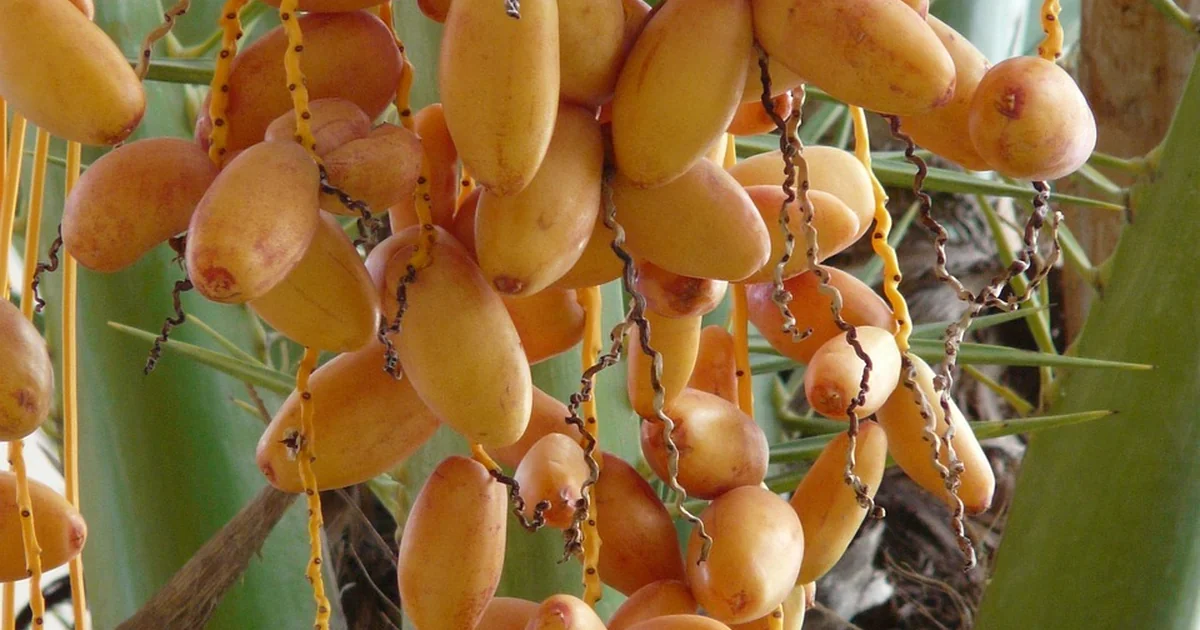
If you dream of harvesting your own dates, you need at least one male tree nearby. Female date palms produce the fruit, but they require pollen from a male tree. Male trees produce only pollen and no fruit. Without a male within pollinating distance, your female tree will flower but never bear fruit.
Pollination does not happen until temperatures reach about 95 degrees Fahrenheit. In cooler climates, fruit set is unreliable. Most home gardeners grow date palms for their ornamental value anyway. The fronds alone are worth the effort.
Step 4: Essential Care for a Thriving Date Palm
Once planted, date palms are relatively low maintenance. But they do have specific needs. Meeting those needs keeps your tree healthy and attractive for decades.
Watering Deeply and Consistently
Date palms prefer deep, even moisture. During the first year, water once or twice a week depending on your climate. Sandy soils drain faster and need more frequent watering. Loamy soils hold moisture longer.
Established trees tolerate drought well. In fact, overwatering is a bigger risk than underwatering. Let the top few inches of soil dry out between waterings. If the fronds start to yellow or droop, you may be giving too much water.
For fruit production, increase water during the growing season. Dates need consistent moisture to swell and ripen properly. Dry spells cause the fruit to shrivel or drop early.
Fertilizing at the Right Time
Wait two to four weeks after planting before applying any fertilizer. Newly transplanted roots are sensitive and can burn easily. After that period, feed your date palm with a palm-specific fertilizer high in potassium. Potassium is essential for strong trunk development and disease resistance.
Apply a top dressing of well-rotted manure in early spring. Alternatively, use a slow-release palm fertilizer according to the package instructions. For potted palms, fertilize in spring and again in summer with a high-potassium formula.
Avoid high-nitrogen fertilizers. They push rapid frond growth at the expense of root and trunk strength. Weak trunks are prone to snapping in strong winds.
Temperature and Humidity Considerations
Date palms love dry heat. They do not pollinate until the mercury hits 95 degrees Fahrenheit. Fronds suffer damage when temperatures drop below 20 degrees Fahrenheit. At 20 degrees or colder, the tree may die.
If you live in a region with occasional frost, wrap the trunk in burlap or horticultural fleece when cold weather threatens. Container-grown palms can be moved indoors or into a garage during cold snaps. Covering the crown with a blanket or frost cloth also helps.
Humidity is rarely an issue. Date palms tolerate both dry desert air and humid coastal conditions. The main concern is wet soil combined with cool temperatures, which encourages root rot.
Pruning for Health and Appearance
Remove dead, damaged, or diseased fronds as they appear. Brown fronds at the bottom of the crown are normal. Cut them close to the trunk with a sharp, sanitized pruning saw. Do not remove green fronds unless they are broken or diseased. Green fronds are the tree’s energy factories.
Suckers, or offshoots, grow at the base of the trunk. Remove them promptly. They steal energy from the main trunk and create a messy, cluttered look. Use a sharp spade or pruning knife to cut them away at ground level.
You may also enjoy reading: 5 Tasks Real Estate Agents Say to Skip Before Selling.
For fruit-bearing trees, thin the harvest occasionally. Overcrowded clusters produce small, inferior dates. Removing some fruit allows the remaining dates to grow larger and sweeter.
Step 5: Growing Date Palms in Containers and Special Considerations
Not everyone has a yard large enough for a full-sized date palm. Smaller species, like the pygmy date palm (Phoenix roebelenii), grow well in containers. They reach only 6 to 12 feet tall and fit nicely on patios or in sunrooms.
Choosing the Right Container
Use a heavy-bottomed pot made of terracotta, ceramic, or thick plastic. Lightweight pots tip over easily in wind. The container should be slightly larger than the root ball. Date palms prefer to stay a bit root-bound. Repot only when roots are visibly crowded and circling the pot.
Drainage holes are non-negotiable. Date palms hate sitting in water. If your pot has only one small hole, drill a few more. Elevate the pot on pot feet or bricks to ensure water flows freely.
Watering Potted Date Palms
Container palms dry out faster than in-ground ones. Water when the top inch of soil feels dry. Soak thoroughly until water runs out the bottom. Empty the saucer immediately. Never let the pot sit in standing water.
During hot summer months, you may need to water daily. In winter, reduce frequency but do not let the soil dry out completely. Indoor palms need less water because evaporation is slower.
Repotting Schedule
Check the roots every 12 to 18 months. If you see roots poking through the drainage holes or circling the pot surface, it is time to repot. Move up one pot size, no more than two inches larger in diameter. A huge pot with too much soil holds excess moisture and invites rot.
Use a well-draining potting mix formulated for palms or cacti. Regular garden soil compacts in containers and suffocates roots. Add a handful of perlite or coarse sand to improve drainage.
Pests and Diseases to Watch For
Date palms are generally tough, but they face a few common pests. Spider mites, scale insects, and mealybugs can attack fronds, especially on indoor palms. Wipe leaves with a damp cloth or spray with insecticidal soap if you see infestation.
Root rot from overwatering is the most common killer. Yellowing fronds, a foul smell from the soil, and mushy roots are telltale signs. If caught early, repotting into dry, fresh soil and cutting away rotten roots can save the plant.
Fusarium wilt is a fungal disease that affects some date palm species. It causes one-sided frond death and eventually kills the tree. There is no cure. Prevention through proper watering and avoiding wounding the trunk is the best defense.
Frequently Asked Questions About Growing Date Palms
How long does it take for a date palm to produce fruit?
Date palms grown from seed take six to eight years to reach maturity and produce fruit. Even then, only female trees bear fruit, and they need a male tree nearby for pollination. If you buy a mature, sexed tree from a nursery, you may see fruit within two to three years after planting.
Can I grow a date palm indoors?
Yes, but only smaller species like the pygmy date palm. Full-sized date palms grow too tall and need too much sunlight for indoor life. A pygmy date palm in a bright, south-facing window can thrive indoors for years. Supplement with a grow light during winter months if natural light is limited.
How often should I water a newly planted date palm?
Water every two to three days for the first month after planting. Gradually reduce to once a week by the end of the first growing season. Adjust based on rainfall and soil type. Sandy soils need more frequent watering than loamy soils.
Why are my date palm fronds turning yellow?
Yellow fronds can signal several issues. Overwatering is the most common cause in home gardens. Check the soil moisture before watering. Nutrient deficiencies, especially potassium or magnesium, also cause yellowing. Apply a palm-specific fertilizer to correct imbalances. Pest infestations are another possibility, so inspect the undersides of fronds for tiny insects.
Do date palms need a lot of fertilizer?
Date palms are moderate feeders. A single application of palm fertilizer in early spring is usually enough for in-ground trees. Potted palms benefit from a second feeding in summer. Avoid over-fertilizing, which can burn roots and cause frond tip dieback. Follow label directions carefully, and never fertilize a dry tree.
Planting and growing a date palm tree takes planning, patience, and a bit of physical effort. But the reward is a majestic, long-lived tree that brings structure and tropical elegance to your landscape. Whether you grow it for its arching fronds or the sweet fruit it may one day bear, the date palm is a satisfying project for any gardener willing to give it the space and care it deserves.