1. Choose a Location That Matches Its Monumental Size
Before you rush into planting sycamore trees, take a long, hard look at your available space. This is not a tree for a tiny front yard or a cramped side strip. The American sycamore, known botanically as Platanus occidentalis, can soar to a staggering 90 feet in height. Its canopy can spread just as wide, often reaching 70 feet across. That is roughly the width of a professional basketball court.
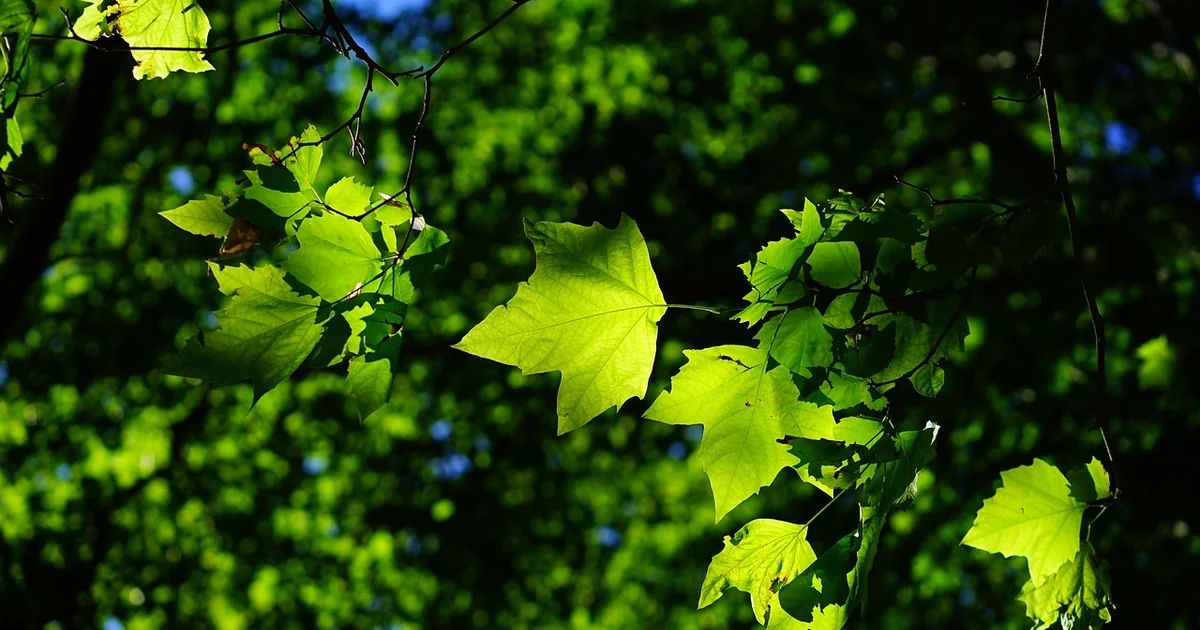
If you plant one too close to your home, you will eventually face problems. The roots are aggressive and extensive. They can easily invade drain pipes or lift a sidewalk. The branches, which are quite large, can become a hazard during storms. You need to leave a buffer zone of at least 60 feet from other large trees and shrubs. This gives the sycamore room to spread its massive limbs without crowding.
Full sun is best. While the tree tolerates partial shade, it grows fastest and develops its best shape in direct sunlight. The soil needs to be well-drained, but it should not dry out completely. Sycamores are remarkably adaptable to different soil types. They handle acidic to alkaline conditions, with a pH range of 5.0 to 8.0. They even tolerate salty or temporarily wet soil. A naturalized setting, such as a large meadow or a rain garden, is ideal. Avoid placing it in the center of a lawn where falling debris will smother the grass.
2. Embrace the Mess for the Sake of Wildlife
Let us be honest about one thing: sycamore trees are messy. They drop leaves, twigs, chunks of bark, and those distinctive spiked seed balls. If you are a tidy gardener who wants a pristine lawn, this tree will test your patience. The constant litter can smother turfgrass if it is not cleaned up regularly.
However, there is a beautiful trade-off. That mess is a lifeline for local wildlife. Native songbirds, including chickadees, finches, and nuthatches, feast on the seeds held within those spiky balls. The thick, branching structure provides excellent nesting sites. The peeling bark is not just litter; it is a winter spectacle. Large sheets of bark curl back to reveal a pale, creamy inner layer. This creates a striking, multicolored camouflage pattern that stands out against a gray winter sky.
When you commit to planting sycamore trees, you commit to accepting this seasonal debris. The best strategy is to plant it where the mess does not matter. A spot near a pond, at the edge of a wooded area, or in a large open field is perfect. This way, you can enjoy the wildlife benefits and the stunning bark without fighting the cleanup.
3. Plant at the Right Time and Depth
Timing matters greatly for this species. The best window for planting sycamore trees is early spring. This gives the roots a full growing season to establish themselves before winter arrives.
When you dig the hole, think wide, not deep. The hole should be at least twice as wide as the root ball. This loosens the surrounding soil so roots can spread easily. The depth is critical. You want the top of the root ball to be perfectly level with the surrounding soil. Planting too deep is a common mistake that suffocates the roots and leads to rot.
Place the tree in the hole and backfill with the original soil you removed. Do not add rich compost or potting mix to the hole. The roots need to learn to live in your native soil. Water it deeply right after planting to settle the soil and remove air pockets. If the tree is tall or in a windy spot, stake it loosely for the first year. Just remember to remove the stakes after that first year so the trunk can develop strength on its own.
4. Water Deeply During the First Year
The single most important rule for watering after planting sycamore trees is consistency. Young sycamores are thirsty trees. They need a steady supply of moisture to build a strong root system. If the soil dries out for too long, the tree becomes stressed. This stress can shorten its lifespan significantly.
During the first growing season, water your sycamore deeply once a week if there has been no rain. A slow, deep soak is far better than a quick sprinkle. You want the water to penetrate down to the entire root zone. A soaker hose or drip irrigation system works wonderfully.
Once established, sycamores are more drought-tolerant, but they still prefer moist ground. If you have a spot that stays naturally wet, like a rain garden, the sycamore will thrive there. It is one of the few large trees that can handle “wet feet” for short periods. Consistent moisture is the secret to pushing that growth rate to roughly 2 feet per year.
5. Fertilize Strategically
Sycamores are not heavy feeders, but they benefit from a little help. A single application of a complete, balanced tree fertilizer in early spring is usually enough. You can spread it around the drip line of the tree and water it in well.
There is one specific situation where fertilizer becomes a medical treatment. Sycamores are highly susceptible to a fungal disease called anthracnose. This disease thrives in cool, wet springs. It causes the new leaves to turn black and drop off. If your tree suffers from anthracnose, it will look bare and sad by early summer.
Do not panic. The tree usually survives, but it needs a boost. The following spring, after the new leaves emerge, apply a nitrogen-rich fertilizer. This extra nitrogen encourages the tree to push out a fresh flush of healthy foliage. It helps the tree recover its energy and rebuild its canopy. Without this boost, the tree may struggle to leaf out fully for several seasons.
6. Prune During Dormancy
Sycamores need regular pruning to stay healthy and safe. Their wood is relatively soft and brittle compared to oaks or maples. This makes them prone to wind damage. A strong storm can easily snap a poorly attached branch.
You may also enjoy reading: 5 Tasks Real Estate Agents Say to Skip Before Selling.
The best time to prune is during dormancy. Wait until late fall, after the leaves have dropped, or prune in late winter before the sap starts flowing. With the leaves gone, you can clearly see the tree’s structure.
Your main goals are threefold. First, promote a strong central leader. This is the main vertical trunk. You want one dominant trunk to lead the tree upward. Second, remove any dead, diseased, or broken branches. Third, remove branches that rub against each other or grow at narrow angles. Narrow angles create weak crotches that are likely to split later. Cleaning up the canopy reduces the risk of falling limbs and keeps the tree looking its best.
7. Watch for Anthracnose and Other Problems
The most serious disease you will face is sycamore anthracnose. This fungus attacks the tree in early spring. It causes leaf blight, twig dieback, and cankers on the branches. If you see new leaves turning brown or black and dropping off in May or June, anthracnose is likely the culprit.
While the disease is ugly, it rarely kills a mature tree. The best defense is to keep the tree healthy. Rake up and dispose of fallen leaves to reduce the fungal spores. Prune out any dead twigs and branches. If the infection is severe year after year, a professional arborist can apply a fungicide treatment in the spring.
Other pests include borers, scale insects, Japanese beetles, and spider mites. A healthy tree usually shrugs off these pests. Borers, however, attack stressed trees. Keeping your sycamore well-watered and properly pruned is the best way to prevent serious infestations. Because the wood is soft, always inspect the canopy after heavy storms and remove any damaged wood promptly to prevent decay.
Frequently Asked Questions About Sycamore Trees
How fast does a sycamore tree grow?
Sycamores are considered fast-growing trees. Under ideal conditions with full sun and consistent moisture, they can add about 2 feet of height each year. This rapid growth is one reason they are valued as shade trees in large landscapes.
What is the lifespan of a sycamore tree?
If planted in a suitable location with enough space and moisture, a sycamore can live for a very long time. It is common for them to reach 200 years old. In perfect conditions, some specimens have lived even longer.
Why is the bark peeling off my sycamore tree?
This is completely normal and is one of the tree’s most charming features. The outer bark cannot stretch as the tree grows, so it cracks and peels off in large flakes. This reveals the smooth, pale inner bark, creating a beautiful mottled pattern that provides winter interest.
Can I plant a sycamore tree close to my house?
It is not recommended. A mature sycamore is massive, reaching up to 90 feet tall and 70 feet wide. The roots are aggressive and can damage foundations, driveways, and underground pipes. The large branches also pose a risk to structures during storms. A distance of at least 40 to 60 feet from any structure is advisable.
What is wrong with my sycamore tree if the leaves are turning brown in spring?
This is almost certainly sycamore anthracnose. This fungal disease is activated by cool, wet weather in early spring. It causes leaf blight and twig dieback. While alarming, it usually does not kill the tree. Raking up fallen leaves and applying nitrogen fertilizer the following spring helps the tree recover.
Planting sycamore trees is a decision that looks toward the future. It is an investment in shade, wildlife habitat, and natural beauty. With the right location and a little consistent care, you will have a tree that defines your landscape for generations.