Imagine a plant that practically takes care of itself, offers a burst of sunny yellow color, and invites bees and butterflies into your yard without any fuss. That is the promise of this native North American shrub. Many gardeners hesitate, thinking it might be too aggressive or complicated. The truth is far simpler. With a few straightforward strategies, you can successfully grow st johns wort in almost any landscape, turning a potential weed into a valued garden asset.
1. Choose the Right Variety for Your Space
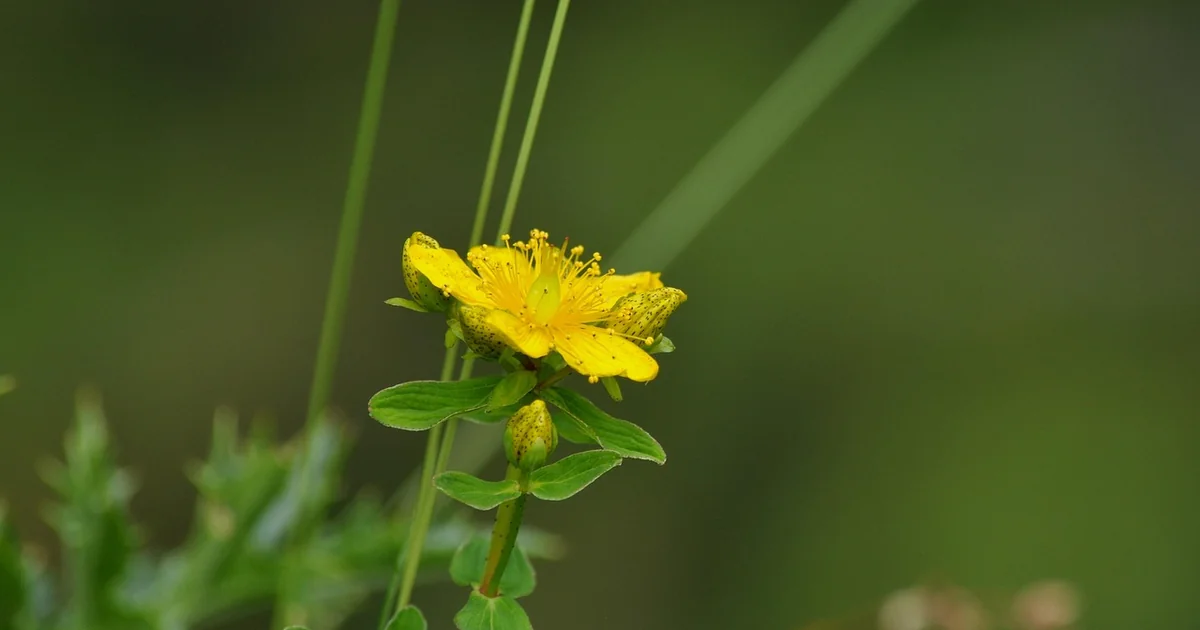
Not all St. John’s wort is the same. The genus Hypericum contains nearly 500 distinct species. The common roadside variety, Hypericum perforatum, is the one known for its rapid spread and herbal uses. However, many ornamental cultivars behave much better in a garden setting.
For a tidy, mounding shrub that reaches about 3 feet tall and 2 feet wide, look for named varieties like ‘Hidcote’ or ‘Sunburst’. These offer large, showy flowers without the aggressive rhizomatous growth of the wild type. If you need a ground cover for a sunny slope, consider low-growing forms like Hypericum calycinum, often called Aaron’s beard. This variety stays under 18 inches tall and forms a dense mat that stabilizes soil.
There are even marsh-friendly types, such as Hypericum elodes, which thrives in boggy ground near ponds or streams. Matching the plant to your specific site conditions is the first secret to a low-maintenance experience. Before you buy, check the plant tag. A well-chosen variety will save you years of frustration.
2. Plant at the Perfect Time of Year
Timing matters more than most beginners realize. The ideal window for planting St. John’s wort is during the mild weeks of spring or early summer. This gives the root system a full growing season to establish itself before winter arrives.
Dig a hole roughly the same size as the nursery container. This is not a plant that needs a huge, amended pit. Gently tease apart any circling roots at the bottom of the root ball. Place the shrub in the center of the hole so the top of the root ball sits level with the surrounding soil. Backfill with the native dirt you removed, pressing down firmly to eliminate air pockets.
Water deeply right after planting. Spread a 2-inch layer of organic mulch, such as shredded bark or wood chips, around the base. Keep the mulch a few inches away from the main stem to prevent rot. For the first growing season, water regularly whenever the top inch of soil feels dry. This consistent moisture encourages roots to spread deep and wide, which is the foundation for a drought-tolerant plant later on.
3. Master the Light Balance for Maximum Blooms
St. John’s wort is adaptable, but it has a clear preference when it comes to light. It performs best in full sun, meaning at least six hours of direct sunlight each day. More sun translates directly into more flowers. A plant in full sun will be covered in bright yellow blossoms from late June through July.
That said, it can tolerate partial shade. In very hot climates, a little afternoon shade can actually prevent leaf scorch. Leaves may fade, turn yellow, or curl if exposed to intense, direct sun all day in regions like the Deep South. If you live in a zone with scorching summers, choose a spot that gets morning sun and afternoon shade.
Too much deep shade is a real problem. A St. John’s wort planted under a dense tree canopy will become leggy, produce very few flowers, and struggle to thrive. It will also be more susceptible to fungal diseases because the foliage stays wet for too long. Observe your yard at different times of day before you dig. Getting the light right is one of the easiest ways to ensure success when you grow st johns wort.
4. Get the Soil and Water Routine Right
This shrub is not picky about soil pH. It will grow happily in acidic, neutral, or slightly alkaline conditions. It tolerates sandy, loamy, and even clay soils. The one thing it cannot stand is soggy, waterlogged ground that stays wet for days.
Good drainage is non-negotiable. If your yard has heavy clay that holds water, plant St. John’s wort on a slight mound or in a raised bed. Alternatively, mix coarse sand or fine gravel into the planting area to improve percolation. In regions with high rainfall, choosing a sandy soil location is a smart move to prevent root rot.
Once established, this plant is remarkably drought tolerant. After that first year of regular watering, you can cut back significantly. During prolonged dry spells, a deep watering once a week is usually sufficient. Overwatering is a more common mistake than underwatering. Let the soil dry out between drinks. A healthy plant will show you it needs water by looking slightly wilted in the late afternoon heat, but it will recover overnight.
5. Control Spread Before It Becomes a Problem
This is the secret that experienced gardeners know well. St. John’s wort spreads through underground stems called rhizomes. In ideal conditions, a single plant can expand into a large patch within a few years. This trait is a blessing if you want a fast ground cover, but a curse if you have a tidy, formal garden.
In several western states, including Washington, Oregon, Colorado, Nevada, Wyoming, Utah, and Montana, common St. John’s wort is classified as a noxious weed. Before you plant, it is wise to check with your local cooperative extension service or the Natural Resources Conservation Service (NRCS) to see if it is considered invasive in your area.
To keep it contained, install a physical barrier. Bury a plastic or metal edging ring around the planting area, sinking it at least 12 inches deep into the soil. This stops the rhizomes from creeping into your lawn or flower beds. Alternatively, grow it in a large container sunk into the ground. This method gives you the beauty of the plant without the worry of it taking over. Regular monitoring is also key. Pull up any shoots that appear outside the designated area as soon as you see them.
You may also enjoy reading: 11 Best Garden Stools of 2026.
6. Prune and Maintain for Shape and Vigor
St. John’s wort requires very little maintenance once it is settled in. However, a little annual attention keeps it looking its best. The best time to prune is in late winter or very early spring, just before new growth begins.
Cut back the previous year’s flowered stems to a strong bud or to within a few inches of the ground. This encourages fresh, vigorous growth that will bloom heavily in the coming summer. For older, woody plants that have become leggy, a harder renovation prune is effective. Cut the entire plant back to about 6 inches tall. It will bounce back quickly with dense, healthy foliage.
Deadheading, or removing spent flowers, is not necessary for the plant’s health, but it can tidy up the appearance. If you leave the flowers on, they will develop into attractive reddish-brown berries that birds enjoy in the fall and winter. Wear gloves when handling the plant. The sap and foliage contain compounds that can cause skin irritation in some people, and the plant is toxic if ingested by humans, dogs, cats, or horses.
7. Understand Temperature and Winter Care
St. John’s wort is hardy in USDA zones 3 through 9. This covers a vast range of climates, from the cold winters of Minnesota to the mild winters of the Pacific Northwest. The ideal temperature range for active growth is between 60 and 80 degrees Fahrenheit.
In regions with very cold winters, the plant will go dormant. It will drop its leaves and appear dead, but the roots are alive and waiting for spring. Do not panic. In zone 4 or colder, a thick layer of winter mulch over the root zone provides extra insurance against freeze-thaw cycles that can heave the plant out of the ground.
In hot, humid climates, the main challenge is fungal disease. Ensure good air circulation by not crowding the plant. Water at the base rather than overhead to keep the foliage dry. If you see powdery mildew or leaf spot, remove the affected leaves and dispose of them in the trash, not the compost pile. With these simple adjustments, you can successfully grow st johns wort in almost any part of the country.
Frequently Asked Questions
Is St. John’s wort safe to have around children and pets?
No, it is considered toxic to humans, dogs, cats, and horses if ingested. The plant contains hypericin, which can cause photosensitivity and gastrointestinal distress. Plant it in areas where children and pets do not frequently play. Always wear gloves when handling it.
How fast does St. John’s wort spread?
It spreads at a moderate to fast rate through underground rhizomes. In ideal conditions, a single plant can expand its footprint by 1 to 2 feet per year. This is why it is considered invasive in some western states.
Can I grow St. John’s wort in a container?
Yes, container growing is an excellent way to control its spread. Choose a pot at least 12 inches wide with drainage holes. Use a standard potting mix and water regularly during the growing season. Bring the container to a sheltered spot or bury it in the ground for winter protection in cold zones.
Why are the leaves on my St. John’s wort turning yellow?
Yellow leaves often indicate too much water or poor drainage. Check the soil moisture. If it feels soggy, reduce watering. It can also be a sign of too much intense afternoon sun in hot climates. Provide some afternoon shade if you live in a zone with scorching summers.
Does St. John’s wort attract pollinators?
Absolutely. The bright yellow flowers are a magnet for bees, butterflies, and other beneficial insects. It is considered a landscape workhorse for supporting wildlife. The berries that follow also provide food for birds in the autumn.