Why Lady Palm Deserves a Spot in Your Home or Garden
If you have ever walked into a dimly lit living room and wished for a plant that would actually survive there, you are not alone. Many houseplants demand bright, direct sunlight and consistent pampering. Lady palm (Rhapis spp.) breaks that mold. Native to the subtropical forests of China and Vietnam, this elegant palm has been cultivated for centuries in Asian gardens and palaces. Its large, hand-shaped leaves with glossy, dark green leaflets create a dense canopy that feels both tropical and refined.
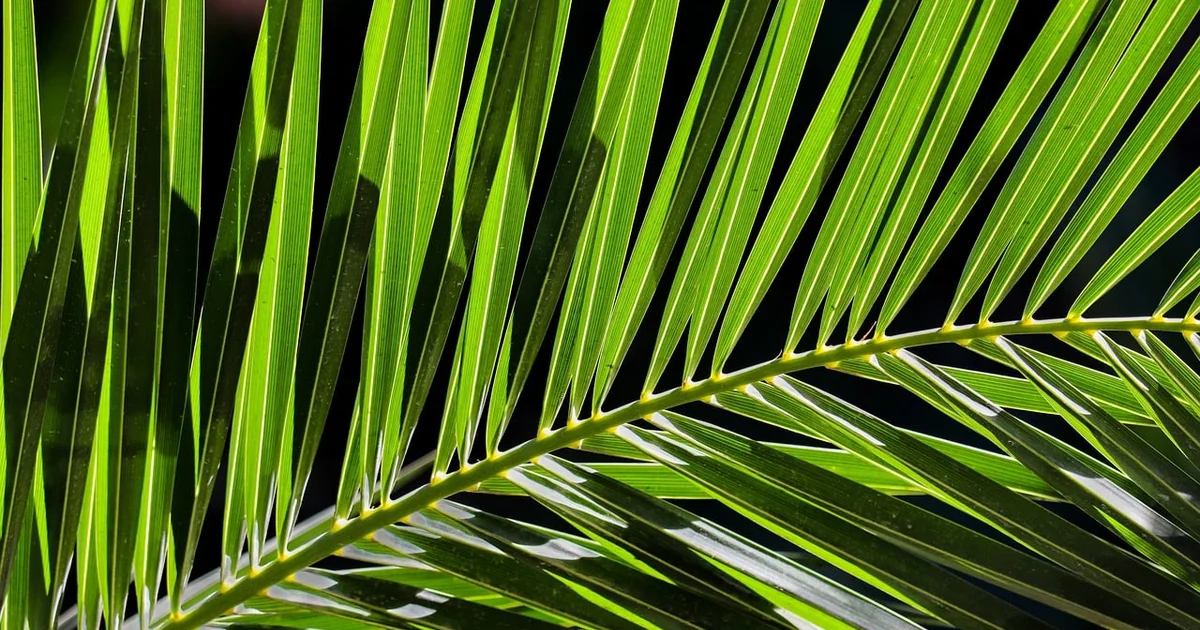
What makes lady palm especially appealing is its tolerance for low-light conditions. While most palms will sulk in a north-facing room, lady palm adapts. It grows slowly in shade, but it does not drop leaves or develop the brown tips that plague other indoor palms. Outdoors, it can reach up to 15 feet tall and works as a natural privacy screen. Indoors, it stays compact and manageable. Whether you are a seasoned plant parent or a beginner looking for something forgiving, learning how to plant lady palm correctly sets you up for years of lush, low-maintenance greenery.
Step 1: Choose the Right Location and Light Conditions
Before you bring a lady palm home, take a good look at your space. Light is the single most important factor for long-term success. Lady palm grows best in bright, indirect light. A south-facing or west-facing window covered with a sheer curtain provides the ideal balance. The curtain diffuses harsh rays while still allowing plenty of brightness to reach the leaves.
That said, lady palm is remarkably adaptable. It tolerates partial shade and even full shade, though growth will slow considerably. In lower light, the leaves often develop a deeper, richer green as the plant adjusts to capture more sunlight. This makes it one of the few palms that can thrive in a north-facing room or a dim corner without turning yellow. If you place it in very low light, expect it to grow only a few inches per year. That is fine if you want a plant that stays small and requires minimal attention.
Outdoors, lady palm prefers dappled light or gentle morning sun. Avoid planting it in direct afternoon sun, especially in hot climates, as the leaves can scorch. In USDA Zones 9 through 11, it can live outside year-round. In colder regions, grow it in a container so you can move it indoors before temperatures drop below 30°F.
What About Artificial Light?
Lady palm can survive under standard indoor lighting, but it will not thrive. If your home has few windows, consider supplementing with a full-spectrum grow light placed about 12 to 18 inches above the plant. Run it for 10 to 12 hours per day. This mimics the bright, indirect light the palm craves and keeps its growth steady.
Step 2: Prepare the Perfect Soil and Container
Lady palm is particular about drainage. It will not tolerate soggy roots. The best approach is to use a well-draining potting mix amended with organic matter. A palm-specific potting mix works well because it contains extra perlite or sand for drainage. You can also make your own by mixing two parts standard potting soil, one part coarse sand or perlite, and one part peat moss or coconut coir. This combination holds enough moisture to keep the roots happy while allowing excess water to escape.
When planting in a container, choose a pot with drainage holes. Ceramic or terra-cotta pots are excellent choices because they are porous and help prevent waterlogging. Select a pot that is only slightly larger than the root ball. Lady palms actually prefer to be somewhat root-bound. A snug pot replicates their natural growing conditions and reduces the risk of overwatering. If you place a small palm in a giant pot, the soil stays wet too long and root rot becomes likely.
Outdoor Soil Preparation
For in-ground planting, dig a hole twice as wide as the nursery container and just a couple of inches deeper. Amend the removed soil with compost to improve drainage and add nutrients. Do not dig the hole too deep. Lady palm dislikes excess root space, even in the ground. Settle the plant at the same depth it was in the nursery pot. Backfill with the amended soil, press down firmly to remove air pockets, and water thoroughly. Space plants about 4 feet apart if you intend to create a hedge. Over time, they will grow together to form a dense, living wall that offers privacy and texture.
Step 3: Plant Your Lady Palm Correctly
Timing matters when you plant lady palm. In USDA Zones 9 through 11, you can plant outdoors any time of year, though spring is ideal because the plant has the entire growing season to establish roots. In colder climates, wait until after the last spring frost to move container plants outside, and bring them back indoors before fall temperatures dip below 30°F.
Here is the step-by-step process for container planting:
- Fill the bottom of the pot with about an inch of fresh potting mix.
- Remove the lady palm from its nursery container. Gently loosen any circling roots with your fingers.
- Place the root ball in the center of the new pot. The top of the root ball should sit about an inch below the rim.
- Fill around the root ball with potting mix, pressing lightly to eliminate air pockets. Do not pack the soil too tightly.
- Water thoroughly until water runs out of the drainage holes. Let the pot drain completely before placing it on a saucer.
For in-ground planting, follow the same depth guidelines. Water deeply after planting and add a 2-inch layer of mulch around the base to retain moisture and suppress weeds. Keep the mulch a few inches away from the stems to prevent rot.
A Common Mistake to Avoid
Many people bury lady palm too deep. Planting it deeper than it was in the nursery pot can cause the stem to rot. Always keep the soil level consistent with the original root ball. If you are unsure, it is better to plant slightly shallow than slightly deep.
Step 4: Water and Feed for Healthy Growth
Lady palm needs consistent moisture, but it hates sitting in wet soil. The golden rule is to water thoroughly when the surface of the soil feels dry to the touch. Stick your finger about an inch into the pot. If it feels dry, water. If it still feels damp, wait another day or two. During the growing season (spring through early fall), you may need to water every 3 to 5 days for indoor plants. In winter, when growth slows, reduce watering to every 7 to 10 days.
Outdoor lady palms in the ground require less frequent watering once established. During the first year, water deeply once a week if there has been no rain. After that, they become fairly drought-tolerant, though they look their best with regular moisture.
Fertilizer: Less Is More
Avoid fertilizing lady palm for the first six months after planting. The plant needs time to settle into its new environment without the stress of extra nutrients. After that, outdoor palms benefit from one application of palm-specific fertilizer (8-2-12 ratio) each spring. If your soil is poor and the leaves begin yellowing, you can fertilize again in midsummer, but do not overdo it.
Indoor lady palms need even less. Feed them monthly from April through September with a balanced liquid fertilizer diluted to half strength. Stop fertilizing in October and resume in spring. Over-fertilizing causes brown leaf tips and salt buildup in the soil. If you see white crust on the pot rim or soil surface, flush the pot with clean water to wash away excess salts.
Step 5: Prune, Repot, and Maintain Over Time
Lady palm is a slow grower, which means maintenance is minimal. Pruning is mostly cosmetic. Remove yellow, damaged, or dead fronds at the base using clean, sharp pruning shears. Do not cut healthy green leaves, as the plant needs them for photosynthesis. You can also trim away any suckers or offshoots that appear at the base if you want to control the plant’s spread. Lady palm spreads by rhizomes underground, so removing suckers keeps it contained.
Repotting Schedule
Repot lady palm every other year in spring. Choose a pot that is one size larger than the current one. Remember, lady palm likes to be snug, so do not jump up more than 2 inches in diameter. When repotting, gently loosen the root ball and trim away any dead or rotting roots. Use fresh potting mix and follow the same planting depth guidelines. After repotting, water well and place the plant back in its usual spot.
If your lady palm has outgrown its space, you can divide it during repotting. Carefully separate the rhizomes into two or three clumps, each with several stems and roots. Pot each division separately. This is the easiest way to propagate lady palm and gives you new plants for other rooms or to share with friends.
Humidity and Temperature Considerations
Indoor lady palm prefers temperatures between 60°F and 80°F and humidity levels of at least 50%. If your home is dry, especially in winter, the leaf tips may turn brown. You can increase humidity by misting the leaves occasionally, placing a small humidifier nearby, or setting the pot on a tray filled with pebbles and water. Make sure the pot sits above the water line to avoid wicking moisture into the soil.
Outdoor lady palms tolerate a wide temperature range, from 30°F to 100°F. They adapt to both humid and dry climates, though they look lushest with moderate humidity. In very hot, dry weather, give them extra water and some afternoon shade.
Common Problems and How to Fix Them
Even with the best care, issues can arise. Here are the most frequent problems and practical solutions.
Brown Leaf Tips
Brown tips on lady palm leaves are almost always caused by dry air, inconsistent watering, or fertilizer buildup. Check your humidity levels first. If the air is dry, increase humidity using the methods described above. Next, evaluate your watering schedule. Are you letting the soil dry out completely between waterings? Lady palm prefers even moisture. Finally, flush the soil with clean water to remove excess salts if you have been fertilizing heavily.
Yellowing Leaves
Yellow leaves usually indicate overwatering or poor drainage. Stop watering immediately and let the soil dry out. Check the drainage holes to make sure they are not blocked. If the pot does not have drainage holes, repot into one that does. Trim away any yellow leaves, as they will not recover. Adjust your watering routine to allow the top inch of soil to dry before watering again.
Slow or No Growth
Lady palm is naturally slow-growing, but if you see no new leaves at all for an entire season, the plant likely needs more light. Move it to a brighter location with indirect light. It may also be root-bound to an extreme degree. If roots are circling the pot densely, repot into a slightly larger container.
You may also enjoy reading: Want More Fireflies? Avoid This 1 Yard Mistake.
Pests
Spider mites and scale insects occasionally attack lady palm. Spider mites appear as tiny specks on the undersides of leaves and leave fine webbing. Scale looks like small brown bumps on the stems and leaves. Wipe the leaves with a damp cloth to remove pests manually. For persistent infestations, use insecticidal soap or neem oil spray. Apply once a week for three weeks to break the pest life cycle. Always test a small area first to ensure the plant does not react poorly.
Propagation: Growing More Lady Palms from Your Existing Plant
The most reliable way to propagate lady palm is by division. Unlike many houseplants that root easily from cuttings, lady palm does not propagate well from stem cuttings. Division is straightforward and has a high success rate.
Wait until spring when you would normally repot. Remove the plant from its container and gently shake off excess soil. Look for natural separations in the root mass where stems cluster together. Using a clean, sharp knife, cut through the rhizomes to divide the plant into sections. Each section should have at least three to four stems and a healthy root system. Pot each division in its own container with fresh potting mix. Water well and place in bright, indirect light. Keep the soil consistently moist for the first few weeks until new growth appears.
Seed propagation is possible but slow and unpredictable. Lady palm seeds can take several months to germinate, and the resulting plants may not resemble the parent. For most home gardeners, division is the better choice.
Designing with Lady Palm: Indoor and Outdoor Ideas
Lady palm is versatile enough to fit many design styles. Indoors, its fan-shaped leaves add texture and a tropical feel without overwhelming a room. Place a tall specimen in a woven basket beside a sofa or armchair. The dense foliage softens hard edges and brings life to empty corners. Smaller varieties like Rhapis gracilis work well on tabletops, shelves, or bathroom counters where humidity is naturally higher.
Outdoors, lady palm shines as a privacy screen. Plant several in a row about 4 feet apart. Within a few years, they will form a dense hedge that blocks views from neighbors or the street. The fibrous brown stems add visual interest even in winter when other plants go dormant. You can also use lady palm as a foundation plant near entryways or patios. Its refined texture contrasts nicely with broad-leaved plants like hostas or ferns.
In containers on a deck or balcony, lady palm creates a lush, resort-like atmosphere. Group several pots of varying heights for a layered look. Pair with flowering annuals like impatiens or begonias for a pop of color. The palm’s deep green leaves provide a neutral backdrop that makes brighter flowers stand out.
Seasonal Care Calendar for Lady Palm
Lady palm does not demand much, but a seasonal routine keeps it looking its best.
Spring: Repot or divide if needed. Begin monthly fertilizer for indoor plants. Move outdoor containers outside after the last frost. Increase watering as temperatures rise.
Summer: Water consistently. Monitor for pests. Provide afternoon shade for outdoor plants in hot climates. Continue monthly feeding for indoor plants.
Fall: Stop fertilizing. Reduce watering slightly as growth slows. Bring outdoor containers indoors before temperatures drop below 30°F. Clean leaves with a damp cloth to remove dust.
Winter: Water sparingly. Maintain humidity if indoor air is dry. Do not fertilize. Keep away from cold drafts and heating vents. Provide as much light as possible during short days.
Frequently Asked Questions About Lady Palm
Is lady palm safe for pets?
Yes. Lady palm is non-toxic to cats and dogs according to the ASPCA. This makes it an excellent choice for households with curious pets that might nibble on leaves.
Can lady palm grow in full shade?
It can survive in full shade, but growth will be very slow. The leaves may become darker green as the plant adapts. For best results, provide bright, indirect light.
How often should I water my lady palm?
Water when the top inch of soil feels dry. This may mean every 3 to 5 days during the growing season and every 7 to 10 days in winter. Always check the soil before watering.
Why are my lady palm leaves turning yellow?
Yellow leaves usually indicate overwatering or poor drainage. Let the soil dry out and ensure the pot has drainage holes. Trim away yellow leaves and adjust your watering schedule.
How tall does lady palm grow indoors?
Indoors, lady palm typically reaches 4 to 8 feet tall, depending on the variety and growing conditions. It grows slowly, so it stays manageable for many years.