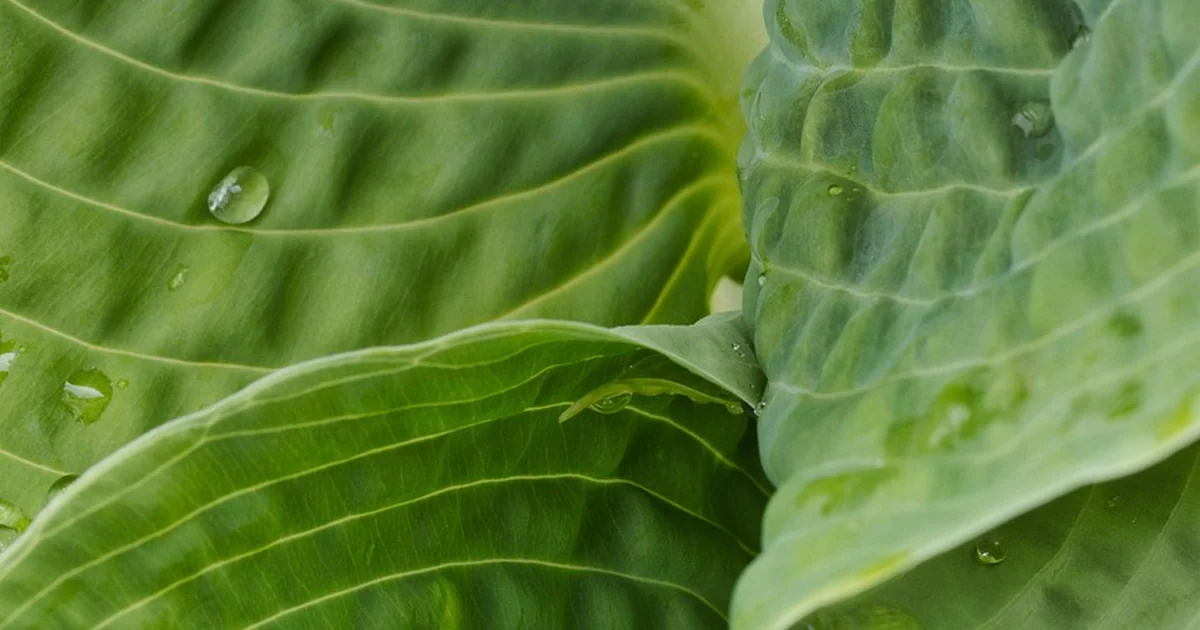
May is the month when hostas shift from quiet dormancy into visible, almost daily progress. A few weeks ago the ground looked bare. Now shoots push upward, leaves unfurl, and the garden starts to fill in with that signature deep green texture. The speed of this transition makes timing important. Some jobs only work well before the foliage spreads fully open, and that window does not stay open long. Getting hosta care may timing right now pays off through the entire summer. The plant is channeling energy into new growth, which means fertilizer gets absorbed efficiently, divisions root quickly, and any problem that starts now has weeks to compound before you notice it. Staying ahead is the smarter approach.
1. Divide Overcrowded Clumps Before Leaves Unfold Fully
Early May offers one of the best windows all year for dividing hostas. The shoots are visible enough that you can see what you are working with, but the leaves have not yet expanded all the way. That means less stress on the divided sections and less accidental damage to neighboring plants while you dig.
A sharp spade does the job cleanly. Drive it straight down through the clump and lift sections free. Each piece needs at least two or three decent eyes to come back strong. Get the divisions back into the ground quickly. Hostas do not benefit from sitting around with roots exposed. Water them in well after planting.
Old clumps that have been crowded for years often push themselves upward above the surrounding soil level. When replanting, set each division at soil level or just slightly deeper than it was sitting originally. That simple adjustment gives the roots a steadier start and helps the plant establish without heaving later.
Dividing in May rather than later in the season gives roots the full growing season to anchor in before winter dormancy. The soil is warming up, and moisture levels are usually still reliable, which supports fast rooting.
2. Fertilize While Growth Is Actively Pushing
The best moment for feeding hostas arrives during active spring growth, which is exactly where you find yourself in May. A balanced slow-release formula worked lightly into the soil around each clump in early May tends to produce noticeably stronger foliage than skipping the step entirely.
Keep the granules away from direct contact with emerging shoots. Fertilizer burn on tender new growth is a real problem, and it leaves ugly discolored tissue that cannot be undone. One application of a slow-release product is usually sufficient for the whole season. Liquid fertilizers work faster but need repeating every few weeks, which is either manageable or tedious depending on your schedule.
Avoid pushing nitrogen too hard late in the season. Soft, lush foliage heading into summer tends to attract more pest pressure than firmer growth does. May feeding supports the surge of development happening now without creating the kind of tender tissue that invites trouble later. If you are wondering what does hosta care may involve beyond this, the feeding window is genuinely narrow and worth prioritizing.
A balanced ratio such as 10-10-10 or 14-14-14 works well. Scratch it into the top inch of soil around the drip line of each clump, then water it in if rain is not expected soon.
3. Get Ahead of Slug Damage Before Leaves Open
Slug damage on hostas shows up as ragged holes scattered through the leaf or eaten away along the edges. It is one of those problems that is genuinely easier to prevent than to manage after the fact. May is when slug populations build rapidly, and the new emerging hosta leaves are about as attractive a food source as slugs ever encounter.
Waiting until you see visible damage means waiting until it is already too late for those leaves. The holes do not heal. Bait applied around the base of plants before the leaves fully open is the most effective timing. Iron phosphate-based baits are safe around pets and wildlife when used according to the label, and they break down into natural soil components after doing their work.
Removing hiding spots also cuts down slug pressure. Boards lying on the ground, thick mulch piled right against the crown, and leftover garden debris all provide daytime shelter. Clearing those away gives slugs fewer places to hide, which reduces the local population over time.
Go out at dusk with a flashlight on damp evenings and you may spot them moving toward the hostas. Handpicking in the early spring before populations explode can make a real difference in how much damage you see by June.
4. Mulch Around the Base Before Summer Heat Arrives
Getting mulch around hostas before summer heat kicks in is good timing. A two-to-three-inch layer holds soil moisture, suppresses weeds that would compete for nutrients, and keeps the root zone temperature from swinging as dramatically as bare soil does. All of these benefits matter more later in the season, but applying the mulch now saves effort and gives the plants a running start.
Shredded bark or wood chips work well for hostas. They break down slowly and allow air circulation. Avoid fine-textured mulches such as shredded leaves or sawdust, because they can mat down and shed water rather than letting it soak through. That defeats the purpose.
Keep mulch pulled back an inch or two from the crown of each plant. Mulch piled directly against the central growing point traps moisture and creates conditions for crown rot, which can kill a hosta entirely. A ring of bare soil around the crown with mulch spread outward from there is the safe approach.
Replenish the layer as needed through the season, but do not exceed three inches total depth. Deeper layers can suffocate roots and encourage rodents to nest near the plant.
5. Water Deeply and Consistently as Growth Accelerates
May can be deceptive. There is often enough rain early in the month that watering seems unnecessary. But hostas putting on this much growth quickly are pulling a fair amount of moisture from the soil each day. If the rain slows down for a week or two, those expanding leaves will start to flag.
Check soil moisture a few inches down near the root zone. If it feels dry at that depth, it is time to water. A slow, deep soak is far better than a quick sprinkle every evening. Deep watering encourages roots to grow downward, which makes the plant more resilient when hotter weather arrives. Frequent light watering keeps roots near the surface, where they dry out faster and become more dependent on you.
You may also enjoy reading: 7 Outdoor Catio Upgrades Your Cat Will Love.
Hostas growing in deeper shade under trees face extra competition for moisture. Tree roots are aggressive and draw water from the same soil zone. Those spots may need watering even when the rest of the garden still feels damp. A soaker hose laid through the planting area delivers slow, even moisture without wetting the foliage, which helps keep fungal issues at bay.
A good rule of thumb is about one inch of water per week from rain or irrigation during active growth. If May turns dry, supplement accordingly.
6. Remove Winter Debris and Old Foliage Carefully
If you left the previous year’s foliage on through winter for winter interest or habitat, May is the time to clear it away. Old hosta leaves lying on the ground can harbor slug eggs, fungal spores, and other pests that will move onto the new growth as it emerges. Removing them before the new leaves fully expand reduces that reservoir of problems.
Pull away dead leaves gently so you do not damage the tender shoots coming up alongside them. Some may be tangled together. Work slowly and snip what does not pull free cleanly. Dispose of the debris away from the garden rather than composting it, unless your compost pile reaches high enough temperatures to kill pathogens and eggs.
While you are clearing, take a moment to look at the emerging shoots. Healthy shoots are firm and evenly colored. If you see distorted growth, unusual spotting, or mushy tissue at the base, that may signal an underlying issue worth investigating further. Catching those signs early gives you options.
This cleanup also improves airflow around the new growth, which helps leaves dry faster after rain and reduces the conditions that fungal diseases like anthracnose need to take hold.
7. Monitor for Disease and Other Pest Problems Early
Slugs get most of the attention, but May is also a good time to watch for other issues that can affect hostas. Foliar nematodes, for example, cause brown streaks that follow the leaf veins. The damage often starts near the base and works outward. There is no cure once nematodes are established, so catching them early and removing affected leaves can slow their spread.
Hosta Virus X, or HVX, is another concern that serious growers watch for. It causes mottling, distortion, and a blue-green discoloration that looks unlike normal variegation. HVX spreads through sap on tools and hands. If you suspect it, remove the affected plant entirely and clean your tools with a bleach solution before working on anything else.
Crown rot shows up as soft, mushy tissue at the base of the shoots. It usually results from poor drainage, overwatering, or mulch piled against the crown. Improving drainage and keeping mulch away from the crown are the best defenses. If you find a plant with advanced crown rot, it is often too late to save it, but removing it promptly protects neighboring plants.
Checking your hostas weekly in May lets you spot these problems while they are still small enough to manage. Walk through the patch with a sharp eye. Look at the undersides of leaves. Notice any changes in color or texture. Early detection makes a real difference with all of these issues.
A clean pair of pruners and a bucket of soapy water or a diluted bleach solution for dipping tools between plants is cheap insurance against spreading something from one clump to another.
Hostas reward attention in May. The growth happening now sets the stage for how the plants will look through the rest of the season. Dividing crowded clumps, feeding at the right moment, preventing slug damage before it starts, mulching properly, watering thoughtfully, clearing old debris, and keeping an eye out for disease all contribute to a strong, healthy display. The window for some of these tasks is narrow, but the payoff lasts for months.