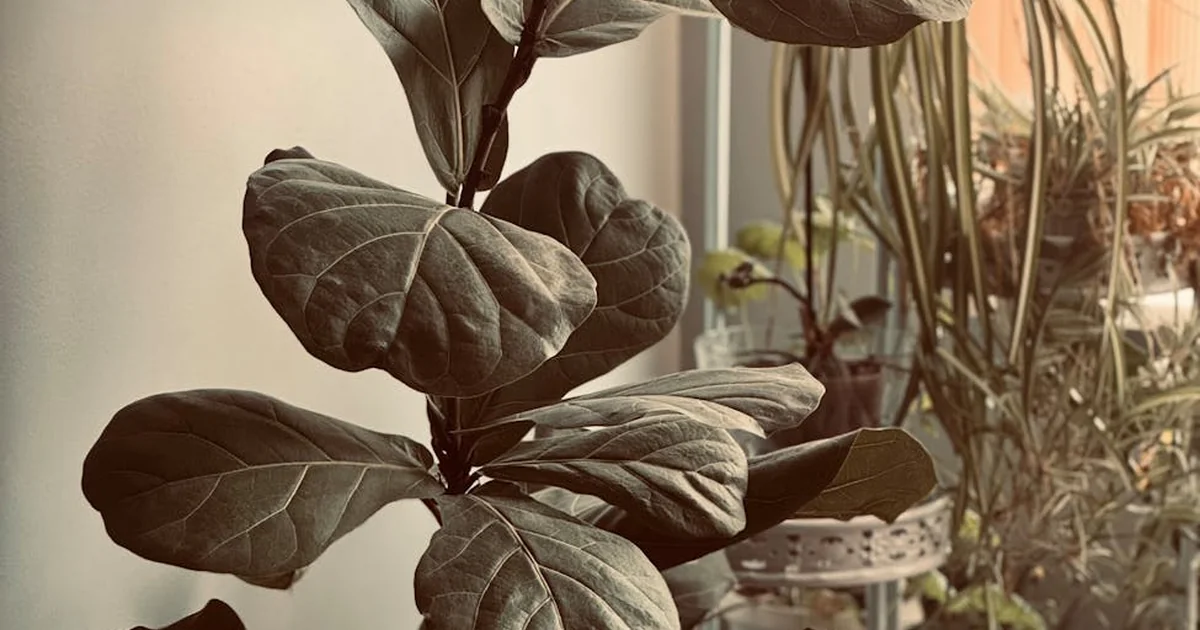
For the last few months, you may have been glancing at your fiddle leaf fig, hoping it managed to survive the dry, dark indoor months. Now that spring has arrived, your prized ficus is probably dusty, weary, and a little limp. Take heart. These gorgeous tropical giants wake up with a dramatic burst of energy in May, which makes it a lovely time to give your plant some tender loving care. Right now, your fig is begging for a spring refresh to help it develop fresh growth. That said, it is a creature of habit that loathes swift transitions. Because it is sensitive to environmental shifts, ignoring its needs at the start of the growing season is the fastest route to a sad display of dropping leaves. Leaving it trapped in compacted winter soil or suffocating under a thick layer of dust risks sabotaging all that summer potential. So whatever you do, do not let this vital window of active growth slip away. In fact, giving your fiddle leaf fig what it craves is very straightforward and a lot of fun. These simple steps can help you treat your plant both above and below soil level in clear, quick stages. So let us dive into the essential tips that will keep your leafy favorite happy, healthy, and stunningly vibrant all summer long.
Why May Matters for Fiddle Leaf Figs
After months of stagnant air and close confinement, your fiddle leaf fig is likely suffering from a bit of a winter hangover. Stuck with dry, artificial heating and miserable light levels for extended periods, many fig plants in living rooms and other interior spaces enter spring feeling cranky. You might notice a few lower leaves yellowing, or the top growth looking limp. But in May, there is a surge in ambient room temperature and longer, high-quality daylight. This triggers an awakening, signaling to the plant that it is time to break dormancy and start building new tissue. Because this shift happens so rapidly, fiddle leaf fig may care is all about managing the transition smoothly.
If you live in a warm southern USDA zone (10 or 11) where nighttime temperatures are holding above 55°F (13°C), you can harden off your fig to spend summer on a shaded patio. For those of us in cooler climates, figs will remain indoors. But whether you are managing a huge fiddle leaf fig tree or a petite Bambino variety, the basic needs are the same. They are all breaking out of survival mode and need a gentle hand to navigate this sudden spring growth spurt.
Before starting our steps, run a quick health check. It is wise to check moisture levels and inspect the undersides of the leaves for hidden winter pests. That way you ensure you do not stress a vulnerable root system or wave through a spider mite infestation. Take the guesswork out of soil health with a simple diagnostic tool like the Sonkir 3-in-1 Soil Moisture and Light Meter to assess soil moisture levels ahead of these May plant refreshers. Treat May as the seasonal wellness window that lets you quickly carry out some very easy but very important fiddle leaf fig tree care. You can buy powerful magnifying glasses and loupes, like the TekcoPlus 10x Foldable Pocket Loupe, to inspect leaves up close and see what might be hitching a ride. This helps you catch problems early so you can safely start these easy care steps.
7 Essential Fiddle Leaf Fig Care Tips for May
Here are seven straightforward actions to give your fiddle leaf fig the best possible start to the growing season. Each tip builds on the next, so follow them in order for maximum benefit.
1. The Deep Dust-Off and Spring Shower
Chances are there is a thick, dull layer of household grime on your fiddle leaf fig’s leaves. If left, that accumulated dust will block out sunlight, choking the pores the plant uses to breathe and drastically reducing its ability to photosynthesize. Stalled growth and an invitation for spider mites are the likely results. For compact figs that you can move, give them a lukewarm shower. Place a plastic bag around the pot base to prevent soil erosion, then gently spray the leaves from above and below with tepid filtered water. For large, immobile figs, use a sponge bath. Dampen a soft microfiber cloth with lukewarm filtered water and wipe each leaf individually, supporting the leaf from underneath with your other hand. Avoid harsh soaps or aggressive rubbing, as these can scar the leaf cuticle — the waxy protective layer. Do this cleaning early in the morning so water drops evaporate before nightfall, reducing the risk of fungal issues. Just this one timely act of houseplant care will dramatically amplify energy levels, so your plant can maximize every single ray of that glorious, intensifying May sunlight.
2. Check Soil Moisture and Adjust Watering
During winter, you likely watered sparingly. In May, the plant’s metabolism accelerates, and its water needs increase. But fiddle leaf figs hate soggy feet. Before watering, stick your finger about two inches into the soil or use a moisture meter. If it feels dry at that depth, it is time to water. If it still feels damp, wait another day or two. When you do water, do it thoroughly until water runs from the drainage holes, then discard any excess from the saucer. This encourages deep root growth and prevents salt buildup from fertilizer. One common mistake is to water on a fixed schedule — instead, let the plant’s actual moisture level guide you. In May, you might find yourself watering once every 5 to 7 days, but always check first.
3. Inspect for Pests and Treat Early
Winter’s low humidity and low light can allow pests like spider mites, scale, and mealybugs to establish unnoticed. May’s warmth makes them more active. Use your magnifying loupe to examine the undersides of leaves, along stems, and in leaf axils. Look for tiny webs, sticky residue, or small brown bumps. If you spot anything, isolate the plant and treat immediately. A gentle wipe with neem oil solution (1 teaspoon neem oil plus a few drops of mild soap in a quart of water) works well. Repeat weekly until no signs remain. Catching an infestation in May means your fig can channel its energy into growth rather than defense.
4. Gradually Increase Light Exposure
Your fiddle leaf fig has been living in low winter light for months. Shoving it directly into a south-facing window in May will cause leaf burn. Instead, move it incrementally over a week or two. Start by placing it a few feet from a bright window, then each day shift it a little closer. If you plan to move it outdoors, this gradual hardening off is even more critical. Begin with an hour of morning sun on a shaded porch, then add 30 minutes each day over two weeks. Fiddle leaf figs thrive in bright, indirect light — about 10 to 12 hours per day. Rotate the pot a quarter turn weekly so all sides receive even light, preventing a lopsided canopy.
5. Fertilize for the Growing Season
May marks the start of active growth, so your fig needs nutrients. Use a balanced liquid fertilizer formulated for ficus or a slow-release granular option with an N-P-K ratio around 3-1-2. Dilute it to half strength to avoid burning tender new roots. Feed every two to four weeks from May through August. Do not fertilize a dry plant — water first, then apply the fertilizer solution to moist soil. This prevents root shock. An alternative is a specialized fiddle leaf fig fertilizer that includes micronutrients like magnesium and calcium, which support strong leaf development and prevent brown edges.
6. Consider Repotting or Top-Dressing
If your fiddle leaf fig has been in the same pot for over a year, May is an ideal time to check if it needs repotting. Gently lift the root ball — if roots circle the bottom or poke out of drainage holes, it is time for a pot one size larger (about 2 inches wider in diameter). Use a well-draining potting mix, ideally one formulated for fiddle leaf figs or a blend of peat, perlite, and compost. If the plant is already in a large pot and repotting seems daunting, a top-dressing works well. Scrape away the top inch of old soil and replace it with fresh, nutrient-rich mix. This replenishes organic matter without disturbing the roots.
7. Harden Off for Outdoor Summer (If Applicable)
For those in USDA zones 10-11 where nights stay above 55°F, moving your fig outdoors for summer can supercharge growth. But the transition must be slow. Start by placing the fig in a sheltered spot with dappled shade for a few hours each day. Over two weeks, gradually increase its time outside and introduce more direct morning light. Never leave it in full afternoon sun — that will scorch leaves. Bring it back indoors if a cold snap threatens. For everyone else, keep your fig indoors but near a bright window. You can also use a sheer curtain to diffuse harsh midday rays. The key is consistency: avoid sudden temperature drops or drafts.
You may also enjoy reading: 7 Tips for More Cucumbers Per Plant.
Common May Mistakes to Avoid
Even well-meaning plant parents can make errors during this season. One frequent blunder is overwatering out of excitement. More light and warmth do not automatically mean more water — always check soil first. Another mistake is pruning too aggressively. May is a good time to remove dead or yellowing leaves, but do not cut back healthy stems unless you are shaping the plant. Fiddle leaf figs store energy in their leaves, so stripping too many can weaken them. Also, avoid moving the plant to a completely new spot every week. They dislike change. Pick a good location and stick with it for the season. Finally, do not skip pest checks just because the plant looks healthy. Pests often hide until they become a problem.
Frequently Asked Questions about Fiddle Leaf Fig May Care
Should I mist my fiddle leaf fig in May?
Misting provides temporary humidity but can encourage fungal spots if water sits on leaves. A better approach is to group plants together or use a small humidifier nearby. If you do mist, do it early in the morning so leaves dry by nightfall.
Can I prune my fiddle leaf fig in May?
Yes, May is an excellent time for light pruning. Remove any damaged or yellowing leaves at the base of the stem. If you want to encourage branching, you can notch the trunk or cut back the top growth, but do this only if the plant is healthy and actively growing.
Why are my fiddle leaf fig leaves turning brown in May?
Brown edges often indicate inconsistent watering, low humidity, or fertilizer burn. Check your watering schedule, increase humidity, and ensure you are not over-fertilizing. Also, check for drafts from air conditioning units, which can cause leaf tip browning.
How much light does a fiddle leaf fig need in May?
Aim for bright, indirect light for at least 10 to 12 hours per day. A south- or west-facing window with a sheer curtain is ideal. If natural light is insufficient, consider supplementing with a grow light during the longer days of May.
Can I propagate my fiddle leaf fig in May?
Absolutely. May’s warm temperatures and active growth make it one of the best times for propagation. Take stem cuttings with at least two leaves, dip the cut end in rooting hormone, and place in water or moist soil. Roots often appear within four to six weeks.
May is a pivotal month for your fiddle leaf fig. With these seven care tips, you can help your plant transition from winter survival mode into a season of lush, vigorous growth. A little effort now pays off with a stunning, healthy fig that brightens your home all summer long.