Why Cotoneaster Deserves a Spot in Your Garden
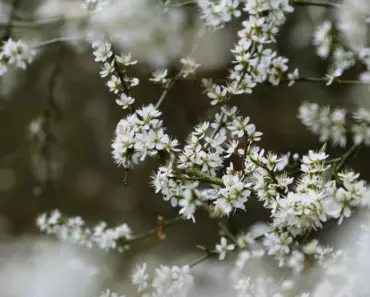
Many gardeners search for plants that deliver beauty without demanding constant attention. Cotoneaster fits that description perfectly. This low-growing shrub offers deep-green leaves, delicate spring blossoms, and bright berries that linger into winter. It also tolerates drought, salt spray, and poor soil better than most ornamental shrubs. Whether you need groundcover for a sunny slope or a soft border for a flower bed, cotoneaster performs reliably year after year. The challenge lies in getting it established correctly, because once planted, this shrub prefers to stay put.
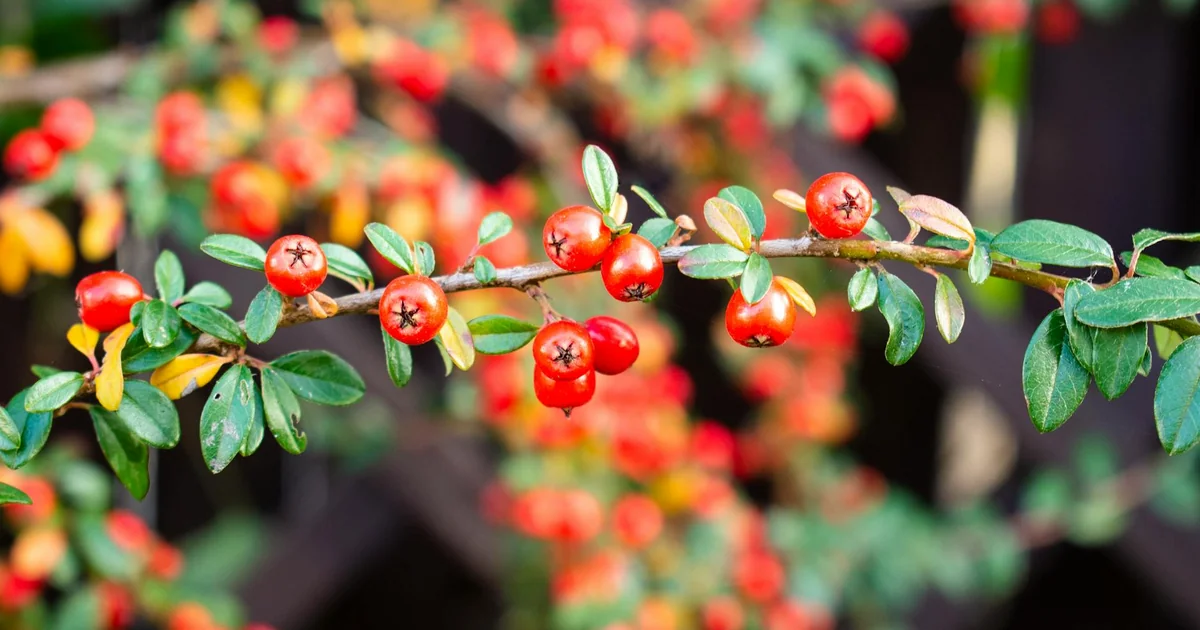
Successful planting cotoneaster starts with understanding its preferences. This genus includes more than 70 species, most native to China, and the majority thrive in USDA Zones 4 through 8. Follow these seven steps, and you will give your cotoneaster the best possible start.
1. Select a Full-Sun Location with Well-Drained Soil
Cotoneaster performs best when it receives at least six hours of direct sunlight each day. Full sun encourages dense branching, vibrant leaf color, and the heaviest display of flowers and berries. It also intensifies the fall foliage, which can shift into striking shades of orange, red, and purple on deciduous varieties. While the shrub can survive in partial shade, it will grow looser and produce fewer berries. The soil must drain well. Soggy ground leads to root rot, a common cause of failure when planting cotoneaster. Before you dig, test your drainage by filling a hole with water and timing how long it takes to drain. If it takes longer than a few hours, choose a different spot or amend the soil heavily with coarse sand and compost.
2. Amend the Soil with Compost Before Planting
Cotoneaster adapts to a wide pH range, from about 5.0 to 7.5, so you rarely need to adjust acidity or alkalinity. What matters more is organic matter. Mix a 2- to 3-inch layer of well-rotted compost into the top 12 inches of soil before you plant. This improves drainage in heavy clay and boosts moisture retention in sandy ground. Do not add synthetic fertilizer at planting time. Cotoneaster does not need it, and excess nitrogen can produce leggy growth at the expense of flowers and fruit. The compost alone provides enough nutrients for the first full growing season. If your soil is extremely compacted, consider building a slight raised bed or mound to improve drainage further.
3. Plant in Fall While the Soil Is Still Warm
Timing matters more than most people realize when planting cotoneaster. Early autumn, about four to six weeks before the first hard frost, gives the roots time to establish while the soil remains warm from summer. Warm soil encourages root growth even after the air temperature drops. Spring planting is possible, but the shrub will need consistent watering through its first summer, and it may struggle if a heat wave arrives early. Fall-planted cotoneaster typically emerges stronger the following spring because the root system has had months to spread into the surrounding soil. Avoid planting in midsummer, when heat stress and dry conditions put too much pressure on a young shrub.
4. Space Plants According to Their Purpose
Spacing depends entirely on whether you want groundcover or a hedge. For groundcover, place individual plants 3 to 5 feet apart. Cotoneaster spreads by layering, meaning branches that touch the ground will root and form new plants. Within two to three years, those gaps fill in completely, creating a dense mat that suppresses weeds and stabilizes soil on slopes. For a hedge, space plants about 6 feet apart. This wider gap accommodates their natural spread without forcing them to compete for light and moisture. Crowding leads to poor air circulation, which increases the risk of fungal disease. When planting cotoneaster in a mixed border, give it room to reach its full width, which can range from 5 to 15 feet depending on the species.
5. Water Deeply After Planting and Mulch to Suppress Weeds
Immediately after planting, water the shrub slowly and deeply. Aim to saturate the root ball and the soil around it to a depth of at least 8 inches. Continue watering once or twice a week for the first month unless rain provides adequate moisture. After that, taper off gradually. Cotoneaster is drought-tolerant once established, but consistent moisture during the first season helps the roots spread. Apply a 2- to 3-inch layer of organic mulch, such as shredded bark or wood chips, around the base. Keep the mulch a few inches away from the stem to prevent rot. Mulch conserves moisture, moderates soil temperature, and, most importantly, suppresses weeds. Weeding becomes difficult once cotoneaster spreads because the dense branches make it hard to reach the ground.
6. Prune at the Base, Not the Tips
Many gardeners make the mistake of shearing cotoneaster like a hedge, trimming the tips of every branch. This creates a unnatural, stiff appearance and reduces flowering because the shrub produces blossoms on older wood. Instead, prune by cutting individual branches back to the base or to a main stem. Remove any branch that looks unruly, dead, or diseased. The best time for major pruning is late fall or early spring, before new growth begins. For light shaping, you can trim in summer after the flowers fade. Cotoneaster also roots wherever branches touch the ground, so periodically check for new rooted stems and remove them if you want to control the spread. This is especially important if the shrub is planted near a lawn or pathway.
7. Provide Winter Protection for Potted Plants
Cotoneaster grown in containers needs extra care in cold climates. The roots are less insulated in a pot than in the ground, and temperatures below freezing can damage or kill them. Before the first hard frost, move the container to a sheltered location, such as an unheated garage or a covered porch. Alternatively, wrap the pot in bubble wrap or burlap and place it against a south-facing wall. Water sparingly through winter, only when the soil feels dry an inch below the surface. In-ground cotoneaster rarely needs winter protection in Zones 4 through 8, but a layer of extra mulch over the root zone can help during an unusually harsh winter. Deciduous varieties will drop their leaves and go dormant, while evergreen types in Zones 7 and 8 keep their foliage through the cold months.
Where to Plant Cotoneaster for Best Results
Choose a spot that meets the shrub’s basic needs, and you will reduce maintenance for years to come. Cotoneaster excels on slopes where erosion control is needed. Its spreading root system holds soil in place, and the dense foliage slows rainwater runoff. It also works well along driveways and walkways because it tolerates salt spray from winter road treatments. In coastal gardens, cotoneaster stands up to salty sea air better than many ornamental shrubs. Avoid low-lying areas where water pools after rain. Even one season of waterlogged roots can cause irreversible damage. If your yard has heavy clay soil, consider planting on a slight slope or in a raised bed to improve drainage.
Cotoneaster Care Tips for Long-Term Health
Once established, cotoneaster requires very little attention. Water during prolonged dry spells, especially if the shrub is less than two years old. Beyond that, nature usually provides enough moisture. Do not fertilize. Cotoneaster evolved in lean soils, and extra nutrients encourage soft, weak growth that attracts pests. Monitor for common problems such as fire blight, which causes branch tips to blacken and curl. If you see it, prune affected branches at least 6 inches below the discolored area and sterilize your tools between cuts. Scale insects and aphids occasionally appear, but healthy plants rarely suffer serious damage. Bird activity increases as berries ripen, and you will likely see robins, cedar waxwings, and other species visiting your garden throughout winter.
Potting and Repotting Cotoneaster
Container-grown cotoneaster works well on patios and balconies, but choose a pot that is at least 18 inches wide and 14 inches deep. The shrub needs room to spread its roots. Use a well-draining potting mix amended with compost, and ensure the container has drainage holes. Repot every two to three years in early spring, moving the plant to a pot one size larger. Trim any circling roots before replanting. Potted cotoneaster dries out faster than in-ground plants, so check the soil moisture weekly during the growing season. In hot weather, you may need to water every other day. Reduce watering in winter but do not let the root ball dry out completely.
You may also enjoy reading: 5 Signs It’s the Right Time to Plant Sunflowers.
Common Problems When Planting Cotoneaster and How to Avoid Them
The most frequent mistake is planting in poorly drained soil. Cotoneaster cannot tolerate wet feet, and root rot often sets in within weeks if the ground stays soggy. Always test drainage before planting. Another common issue is planting too deep. The root ball should sit level with the surrounding soil, not below it. Planting too deep suffocates the roots and invites fungal disease. A third problem is neglecting to space plants correctly. Gardeners often crowd cotoneaster to achieve instant coverage, but this leads to competition for resources and poor air circulation. Stick to the recommended spacing, and the plants will fill in naturally within two to three years. Finally, avoid planting in deep shade. While cotoneaster tolerates some shade, heavy shade results in sparse foliage, few berries, and weak growth that cannot withstand pests.
Frequently Asked Questions About Planting Cotoneaster
What is the best time of year to plant cotoneaster?
Early fall is ideal because the soil is still warm from summer, which encourages root growth before winter. Spring is the second-best option, but you will need to water consistently through the first summer.
How far apart should I space cotoneaster plants?
For groundcover, space plants 3 to 5 feet apart. For a hedge, space them about 6 feet apart. Wider spacing allows each plant to reach its full spread without overcrowding.
Does cotoneaster need full sun or shade?
Full sun produces the densest growth, the most flowers, and the best berry display. The shrub can grow in partial shade, but it will be less vigorous and produce fewer berries.
Can cotoneaster grow in clay soil?
It can, but only if the clay drains well. Amend heavy clay with compost and coarse sand before planting. If drainage remains poor, consider a raised bed or a slope instead.
How often should I water newly planted cotoneaster?
Water deeply once or twice a week for the first month after planting. After that, reduce frequency as the shrub becomes established. Once mature, cotoneaster is drought-tolerant and needs watering only during extended dry periods.
Cotoneaster rewards patience. Give it the right start with these seven steps, and you will enjoy years of dependable beauty, winter berries, and effortless groundcover. The shrub asks for very little in return, making it one of the most reliable choices for a low-maintenance garden.