Why the Butterfly Rose Deserves a Spot in Your Garden
Imagine a shrub that puts on a floral firework display. It shifts from fiery orange to honey yellow. Then it blushes pink. Finally, it settles into a deep crimson. All these colors appear at the same time. This is not a fantasy. It is the daily reality of the Rosa ‘Mutabilis’. Gardeners call it the Butterfly Rose.
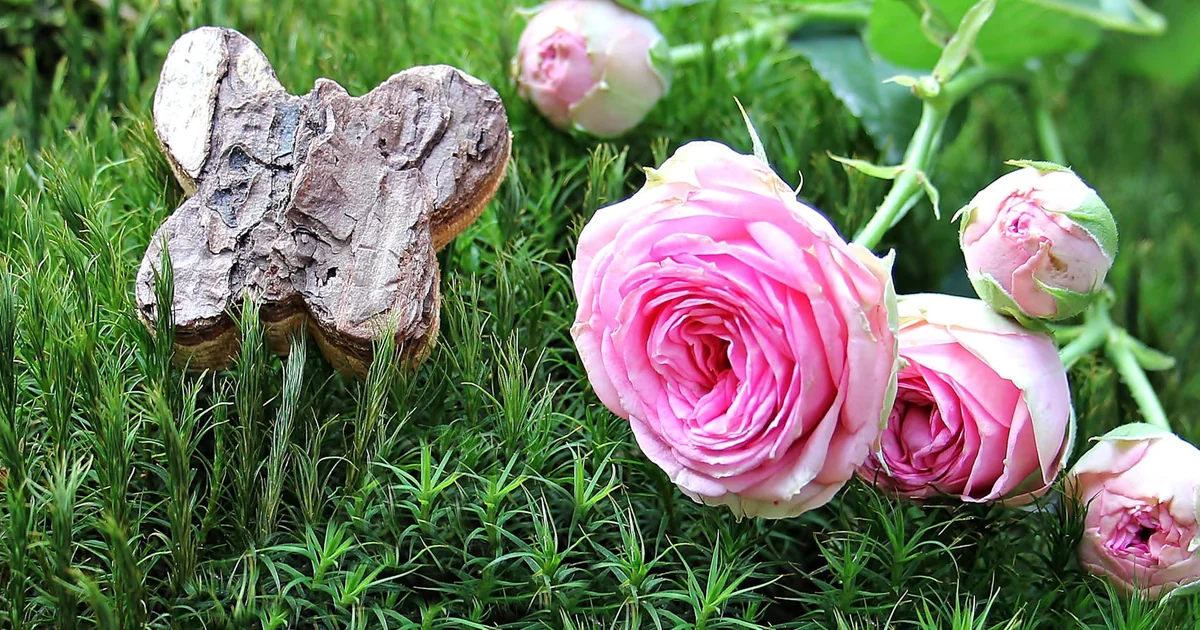
Many people avoid roses. They think all roses are high-maintenance divas. The butterfly Rose breaks that stereotype completely. It is a resilient shrub. It rewards beginners with a spectacular show. It also impresses seasoned horticulturists with its unique biology.
If you want to grow butterfly rose with minimal fuss, you need a simple plan. We have broken down the process into five straightforward steps. These steps cover light, soil, water, pruning, and winter care. Follow them, and you will have a thriving kaleidoscope of color in your yard.
Step 1: Select the Ideal Location to Grow Butterfly Rose
The single most important decision is location. This shrub craves sunlight. It needs that radiant energy to fuel its unique color-changing chemistry.
To truly grow butterfly rose at its best, provide at least six hours of direct sun daily. In hot regions like parts of Zone 9, a little afternoon shade is acceptable. Just know that less sun means fewer blooms. The coppery-bronze new foliage also needs full sun to develop its richest color.
Space is another critical factor. Mature specimens can reach 6 to 8 feet tall. They spread 4 to 6 feet wide. Give the plant room to arch and flutter. A spot along a south-facing wall or a sturdy fence works perfectly. The wall reflects heat, which encourages more vigorous growth.
Consider airflow as well. Good air circulation keeps the leaves dry. This reduces the risk of fungal diseases later. Avoid crowding the shrub against other large plants.
Step 2: Prepare the Ground for Planting
Butterfly roses are adaptable. They tolerate various soil types. However, they truly thrive in well-draining, moderately fertile ground with a neutral pH. The sweet spot is between 6.5 and 7.0.
The classic mistake people make is planting too deep. This can lead to stem rot and eventual death. Dig a hole that is twice as wide as the nursery container. Keep it exactly the same depth. Mix the native soil with quality compost or aged manure.
Place the shrub so the top of the root ball sits just above the soil line. This is crucial for roses. Backfill halfway with the amended soil. Water deeply to settle the soil around the roots. Then fill the rest of the hole. Water thoroughly again.
If your soil is heavy clay, amending it with compost improves drainage. In sandy soil, compost helps retain moisture. This simple step dramatically reduces the effort required to grow butterfly rose successfully.
Test Your Drainage First
Here is a simple test you can do before planting. Dig a 12-inch hole in the chosen spot. Fill it with water and let it drain completely. Fill it a second time. If it drains at a rate of 1 to 2 inches per hour, you have excellent drainage. If the water sits for hours, consider building a raised bed or choosing a different location.
Step 3: Master the Watering and Feeding Routine
Many gardeners overwater their roses. They give a little water every day. This encourages shallow roots and fungal diseases. The butterfly Rose prefers a different approach.
Once established, which takes about two to three years, the butterfly Rose is remarkably drought-tolerant. Water deeply at the base every couple of weeks. A slow trickle at the base for 20 to 30 minutes delivers moisture directly to the roots. Deep watering encourages roots to grow downward. This makes the plant more resilient.
Fertilizer is where this rose shines in its low-maintenance nature. It typically does not need fertilizer at all. If you want to give it a boost, apply a low-nitrogen, slow-release granular fertilizer in early spring. Avoid high-nitrogen formulas. Too much nitrogen produces lush leaves but very few flowers.
Water at the base of the plant. Overhead watering wets the foliage. Wet leaves are a breeding ground for black spot and other diseases. A soaker hose or drip irrigation system works wonderfully.
Step 4: Prune and Maintain for Continuous Blooms
Pruning intimidates many new rose owners. Do not let it scare you. The butterfly Rose is very forgiving. The best time to prune is late winter. This is just as new growth begins to emerge.
Start by removing any dead, damaged, or crossing canes. This opens up the center of the shrub. It improves air circulation significantly. Good airflow is your best defense against pests.
You can shape the shrub at this time. Cut back long canes to an outward-facing bud. This encourages a bushier, more graceful form. It also keeps the plant within your desired size range.
Deadheading is optional. If you remove spent flowers, the plant pushes out new blooms faster. However, if you leave the spent flowers, the butterfly Rose develops charming orange hips in the fall. These hips attract birds. They also add winter interest to the garden.
Late winter pruning is also the time to remove any suckers growing from the rootstock. These suckers look different from the main plant. Removing them ensures all the energy goes to the desired blooms.
You may also enjoy reading: Tips to Make Compost Tea Like a Pro.
Step 5: Protect Your Butterfly Rose Through Winter and Pests
The butterfly Rose is hardy in USDA Zones 6 through 9. It can handle cold winters. However, a little preparation goes a long way in ensuring its survival and vigor.
In late fall, after the ground freezes, apply a thick layer of mulch around the base. Use 3 to 4 inches of shredded bark, straw, or leaves. This insulates the roots against temperature fluctuations. Think of it as a warm blanket for the root zone.
In warmer zones, winter protection is less critical. A light layer of mulch is still beneficial. It helps retain soil moisture and suppresses weeds.
Pests and diseases are usually not a major problem for this rose. In full sun with good air circulation, it resists most common rosebush pests. The main issue you might encounter is black spot. This is especially common in humid climates.
Do not panic if you see black spot. Simply remove the affected leaves. Dispose of them in the trash, not the compost pile. Avoid overhead watering to keep the foliage dry. A healthy butterfly Rose can tolerate some black spot without significant harm.
How to Propagate Butterfly Rose from Cuttings
Want to share this beauty with friends? Propagation is surprisingly easy. It is a rewarding way to fill your garden with more of these shrubs for free.
In spring, take 6-inch softwood cuttings from healthy new growth. Softwood is the flexible, green growth from the current season. Remove the lower leaves from the cutting. Dip the cut end in rooting hormone powder. This speeds up root development.
Plant the cutting in a small pot filled with well-draining soil. A mix of perlite and peat moss works well. Water the cutting thoroughly. Cover the pot with a clear plastic bag. This creates a mini-greenhouse with mini-greenhouse high humidity.
Keep the pot in a warm spot out of direct sunlight. Check the soil moisture every few days. After about three to four weeks, gently tug on the cutting. If you feel resistance, roots have formed. You can then remove the plastic bag and move the new plant to a brighter location.
Frequently Asked Questions About Butterfly Rose Care
How big does a butterfly rose get?
In optimal conditions with full sun and good soil, it reaches 6 to 8 feet in height. It spreads 4 to 6 feet wide. In partial shade, it stays smaller, typically around 3 to 4 feet tall.
Can I grow butterfly rose in a pot?
Yes, you can. Choose a large container at least 18 inches in diameter. Ensure it has excellent drainage holes. You will need to water more need to water frequently than in-ground plants. Use a high-quality potting mix. Place the pot in a sunny location.
Why are the leaves on my butterfly rose turning yellow?
Yellow leaves usually indicate overwatering or poor drainage. Check the soil moisture. If it feels soggy, let it dry out completely before watering again. If the soil is dry, water deeply. Nutrient deficiencies can also cause yellowing, but this is less common.
Does the butterfly rose have a strong fragrance?
The fragrance is subtle and light. Many describe it as sweet or tea-like. It is not overpowering. It adds a delicate layer to the garden experience without being cloying.
When is the best time to plant a butterfly rose?
You can plant nursery containers any time during the growing season in Zones 6 to 9. Spring or early fall is ideal. These seasons give the roots time to establish before extreme heat or cold arrives.