Why Most Gardeners Overlook Hydrangeas for Wildlife
Walk through any suburban neighborhood in July, and you will see them. Rounded shrubs bursting with pom-pom blooms in shades of blue, pink, and white. These are the classic mophead hydrangeas that dominate garden centers every spring. They look lovely in borders and foundation plantings. But if you pause to watch them, you notice something striking. Very few insects visit those big puffy flower heads. And where there are no insects, there are no songbirds hunting for a meal.
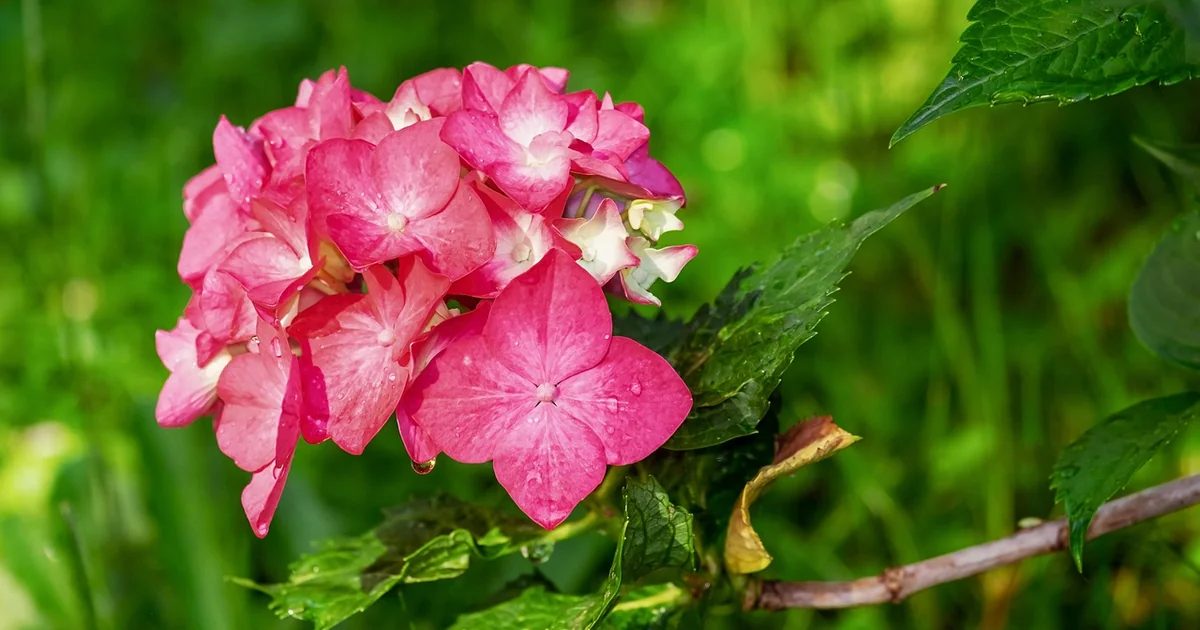
Most gardeners assume a plant needs to be a native wildflower or a berry-producing bush to do wildlife duty. Hydrangeas rarely come to mind. The flowers feel decorative rather than functional. The leaves are large but not especially caterpillar-friendly. It is easy to dismiss the entire genus as purely ornamental. As it turns out, though, that assumption misses one standout variety. One particular hydrangea for songbirds quietly multitasks as both landscape beauty and bird habitat. It does this so effectively that anyone hoping to see more finches, chickadees, and wrens should take a closer look.
Meet the Songbird Powerhouse: ‘Ruby Slippers’ Oakleaf Hydrangea
The perennially popular ‘Ruby Slippers’ oakleaf hydrangea is not only stunning for much of the year. It also helps create the kind of layered habitat songbirds genuinely love. Why? Well, unlike heavily bred mophead hydrangeas, oakleaf hydrangeas support a wider range of insects and pollinators thanks to their fertile flowers.
Let me explain what that means in practical terms. Mophead hydrangeas produce large, showy flower heads made almost entirely of sterile florets. These florets look gorgeous to humans. They last a long time in the garden and in vases. But they produce very little pollen and virtually no nectar. A bumblebee or a butterfly lands on one of those big blooms and finds nothing to eat. The plant has been bred for visual impact, not ecological function.
Oakleaf hydrangeas take a different approach. Their flower heads contain a mix of small, fertile flowers in the center and larger, showy sterile flowers around the edges. The fertile flowers produce pollen and nectar. This means, in turn, that bees, butterflies, and beneficial insects visit them regularly. And where insects gather, songbirds follow. A single ‘Ruby Slippers’ shrub can host dozens of insect species over the course of a season. That translates directly into more protein-rich food for nesting birds and their hungry chicks.
What Makes ‘Ruby Slippers’ Different from Other Oakleaf Varieties
There are several oakleaf hydrangea cultivars on the market. ‘Ruby Slippers’ stands out for three specific reasons that matter to bird lovers. First, it stays compact. Most oakleaf hydrangeas can reach 6 feet or more in height and width. ‘Ruby Slippers’ typically grows 3 to 4 feet tall and wide. This makes it an excellent choice for smaller suburban yards where space is limited. You can fit one into a foundation planting, a mixed border, or even a large container without it overwhelming the area.
Second, its dense branching structure offers exceptional cover for small birds. The stems grow in a rounded, multi-stemmed form that creates natural nooks and crannies. A house finch can tuck itself inside the foliage and feel protected from predators. A wren can build a nest in the crotch of two branches and stay hidden from passing cats. Dense-branching shrubs are often overlooked in favor of feeders, but the living structure of an oakleaf hydrangea gives songbirds what they really need: cover and a steady insect buffet.
Third, ‘Ruby Slippers’ provides year-round interest that many shrubs cannot match. The flowers emerge creamy white in early summer. Over the following weeks, they deepen gradually into rich rosy pink tones. By late summer, the flower heads lean toward burgundy. In fall, the deeply lobed leaves turn dramatic shades of burgundy and mahogany. And even in winter, the peeling cinnamon-colored bark adds texture and visual warmth to a dormant garden. This is not a shrub that looks good for four weeks and then fades into the background. It earns its keep across all four seasons.
How the Fertile Flowers of Oakleaf Hydrangeas Support Birds
This point deserves a deeper look because it is the central reason why ‘Ruby Slippers’ functions as a hydrangea for songbirds. The fertility of its flowers creates a cascade of ecological benefits that begins with insects and ends with baby birds.
During spring and early summer, songbirds shift their diet dramatically. Adult birds that eat seeds or berries for much of the year switch to hunting insects almost exclusively. Why? Because growing chicks need protein to develop feathers, muscle tissue, and healthy bones. A single chickadee nestling may eat dozens of caterpillars per day. A clutch of five nestlings can consume hundreds of insects daily. The parents must find all of that food within a reasonable distance of the nest.
This is where ‘Ruby Slippers’ shines. Its fertile flowers attract a wide range of small insects, including native bees, syrphid flies, and parasitic wasps. These insects come for the pollen and nectar. While they are visiting the flowers, they become potential prey for birds. A wren perched on a nearby branch can watch the flower heads, spot movement, and snatch an insect in mid-air or off a petal. The shrub essentially becomes a foraging hub.
By comparison, a mophead hydrangea planted in the same spot offers very little insect activity. The sterile blooms look nice, but they do not function as a food source. A gardener who wants to support songbirds without constantly filling feeders gets far more value from the oakleaf variety. It is one of those rare shrubs that genuinely earns its keep in a wildlife-friendly landscape.
A Surprising Statistic About Insect Availability and Nesting Success
You might wonder just how much of a difference a single shrub can make. Research in urban ecology suggests that yards with a higher diversity of native and near-native flowering plants support significantly more insect biomass than yards dominated by sterile ornamental cultivars. One study published in the journal Biological Conservation found that gardens with at least 70 percent native plant cover hosted about 50 percent more caterpillar species than gardens dominated by non-native ornamentals. While ‘Ruby Slippers’ is not strictly native to every region, its fertile flowers and close relationship to native oakleaf hydrangea species place it far closer to the native end of the spectrum than a sterile mophead hybrid.
In practical terms, this means that replacing one mophead hydrangea with a ‘Ruby Slippers’ oakleaf could increase the insect-foraging opportunities in your yard by a measurable margin. For a songbird pair trying to raise a brood, that difference can mean the difference between a successful nesting season and a failed one.
Shelter and Nesting Cover Through All Seasons
Food is only part of the equation. Songbirds also need safe places to rest, hide from predators, and build nests. ‘Ruby Slippers’ delivers on this front as well.
The dense branching structure of this one hydrangea gives smaller birds shelter and nesting cover throughout the warmer months. The branches grow in a naturally compact, rounded shape. They create a network of twigs and stems that feels enclosed and secure. A bird can slip inside the canopy and be almost invisible from the outside. This is especially valuable in suburban landscapes where mature trees may be scarce. A yard with one or two young trees and a few flowering shrubs can still offer adequate nesting habitat if the shrubs have the right structure.
I have watched house finches and sparrows use oakleaf hydrangeas as foraging perches and temporary resting spots. The shrub sits at exactly the right height for small birds to feel safe while scanning the area. They can sit inside the foliage, preen, and observe before darting out to catch an insect or visit a feeder. The feeling of safety encourages them to spend more time in the yard overall.
Winter Value of Dried Flower Heads and Woody Framework
Many gardeners assume that once the growing season ends, their shrubs stop contributing to bird habitat. That is not true for ‘Ruby Slippers’. The dried flower heads remain on the plant through fall and into winter. They do not drop off early like the spent blooms of some hydrangea varieties. Instead, they persist as papery cones that add texture and visual interest to the winter garden.
For songbirds, those dried flower heads have real value. Small birds can perch on them. They can pick through the dried florets for hidden seeds or leftover insect eggs. The woody framework of the shrub also provides shelter from wind and cold. In a garden that has been cut back for winter, a ‘Ruby Slippers’ hydrangea stands out as a refuge. Its peeling cinnamon bark adds aesthetic appeal while the structure offers a windbreak for birds passing through.
It is also worth knowing that the dense branches catch falling snow, creating little sheltered pockets underneath. Birds can huddle in these spaces during storms. This kind of microhabitat is hard to come by in a tidy, overly manicured yard. Letting your ‘Ruby Slippers’ stand tall through winter is one of the simplest ways to support local birds without any extra effort.
How to Plant and Care for ‘Ruby Slippers’ Oakleaf Hydrangea
One of the most appealing things about this hydrangea for songbirds is how low-maintenance it is. It does not require constant pruning, special fertilizing, or fussy soil amendments. It is refreshingly easy to grow.
All it really wants is partial shade to full sun and moist, well-draining soil. In hotter climates, afternoon shade helps the leaves avoid scorch. In cooler northern zones, it can handle full sun without issue. The soil should be rich in organic matter if possible, but oakleaf hydrangeas are more tolerant of average garden soil than many other hydrangea types. They do appreciate consistent moisture during the first growing season while they establish roots. Once settled, they can handle short dry spells without major problems.
Here are the key care guidelines broken down simply:
- USDA Zones: 5 through 9. This covers a wide swath of the United States, from the Midwest through the Southeast and into parts of the Pacific Northwest.
- Size at maturity: About 3 to 4 feet tall and wide. Give it at least 4 feet of space so air can circulate around the foliage.
- Sunlight: Partial shade is ideal. Morning sun with afternoon shade works beautifully. Full sun is acceptable in cooler climates.
- Soil: Moist, well-draining, and slightly acidic to neutral. Add compost at planting time for a good start.
- Watering: Deep watering once or twice a week during dry weather for the first year. After that, water during extended droughts.
- Pruning: Little to no pruning is needed. If you want to shape the shrub, do it right after flowering ends in late summer. Do not prune in late fall or early spring, or you will remove next year’s flower buds.
Many gardeners assume a plant needs to be a flashy wildflower to do wildlife duty. This hydrangea quietly multitasks as both landscape beauty and bird habitat. It does it all without demanding endless maintenance in return.
Common Mistake: Pruning at the Wrong Time
The most common problem people encounter with oakleaf hydrangeas is accidentally removing the flower buds. Oakleaf hydrangeas bloom on old wood. This means the flower buds form during the previous growing season and overwinter on the stems. If you prune in early spring before the shrub leafs out, you cut off those buds. The result is a summer with few or no flowers.
You may also enjoy reading: BHG Tested: 7 Best Outdoor Projectors.
The solution is simple. Prune only in midsummer, right after the flowers finish their show. Remove dead or crossing branches at that time. Let the shrub grow naturally for the rest of the year. This approach preserves the following season’s blooms and maintains the dense branching structure that birds love.
Companion Plants for a Layered Bird Habitat
A single ‘Ruby Slippers’ shrub can make a difference. But combining it with other bird-friendly plants creates a richer habitat that supports more species. Think of your yard as a series of layers: tall canopy trees, understory shrubs, and ground-level plants. Each layer offers different resources for birds and insects.
Here are a few plants that pair well with ‘Ruby Slippers’ to create a layered habitat:
- Native serviceberry: Produces berries that birds eat in early summer. Its open branching provides perching spots.
- Buttonbush: Attracts pollinators and water-loving insects. Its curious round flowers are a favorite of butterflies.
- Winterberry holly: A deciduous holly that drops its leaves in fall, revealing bright red berries that persist into winter. Birds rely on these berries when other food sources are scarce.
- Eastern red cedar: Provides dense evergreen cover for winter roosting. Birds eat the bluish berries.
- Native grasses like little bluestem: Offer seeds for sparrows and structure for ground-foraging birds.
Position your ‘Ruby Slippers’ near these companions so birds can move easily between food sources and cover. A shrub that sits 10 feet from a bird feeder, with a canopy tree nearby, creates a travel corridor that birds will use daily.
What About Bird Feeders? Do You Still Need Them?
Bird feeders are wonderful tools for attracting songbirds and observing them up close. They provide a reliable food source, especially during harsh winter weather. But they have limitations. Feeders require regular cleaning to prevent disease. They need constant refilling. And they primarily attract seed-eating birds like finches, sparrows, and cardinals. Insect-eating birds like warblers, vireos, and wrens may visit feeders less often.
A hydrangea for songbirds like ‘Ruby Slippers’ complements feeders by providing what they cannot: live insects, natural shelter, and nesting sites. Together, feeders and habitat shrubs create a complete support system for backyard birds. You get the best of both worlds. The feeders bring birds close to your window for viewing. The shrub gives them a place to rest, feed on insects, and raise their young.
If you want to minimize feeder maintenance while still supporting birds, planting shrubs like this is the smarter long-term strategy. A shrub feeds birds for years with no refilling required.
Addressing Common Questions About Oakleaf Hydrangeas for Birds
Readers often have specific practical concerns when they consider adding a hydrangea for songbirds to their yard. Let me address several of the most common ones.
How long after planting can I expect to see songbirds using the branches for shelter or nesting?
It depends on how established the shrub is and how many birds already visit your yard. A newly planted ‘Ruby Slippers’ that is only 12 inches tall will not offer much cover right away. Give it two to three growing seasons to fill out. Once it reaches about 2 to 3 feet in height and has a dense branch network, birds will start using it. In my experience, small birds like house finches and sparrows begin perching in the shrub within the first year if it is planted near existing bird activity.
Will the dried flower heads stay on through winter, or do I need to leave them for the birds?
The dried flower heads naturally persist on the plant through fall and into winter. You do not need to do anything special to preserve them. Avoid the temptation to deadhead or clean up the shrub in autumn. Those dried cones are exactly what birds need for perching and foraging. They will eventually drop off in late winter or early spring as new growth begins.
What other shrubs could I plant alongside this hydrangea to create a layered bird habitat?
I mentioned several companions earlier. In addition to those, consider planting red-twig dogwood for winter stem color and berries, spicebush for its early spring flowers that attract insects, and viburnum species for both berries and dense cover. Aim for a mix of deciduous and evergreen shrubs so birds have options year-round.
How does the fertility of oakleaf hydrangea flowers actually help birds compared to sterile mophead blooms?
This question gets to the heart of the matter. Fertile flowers produce pollen and nectar. Sterile flowers produce neither. Insects visit fertile flowers to feed. Birds visit the shrub to eat those insects. The entire food chain depends on that initial fertility. A mophead hydrangea with all sterile blooms breaks the chain. The flowers exist only for human enjoyment.
Does ‘Ruby Slippers’ need special soil treatment to bloom well?
Unlike bigleaf hydrangeas, which change flower color based on soil pH, oakleaf hydrangeas are not pH-sensitive. The flowers stay creamy white turning to pink regardless of soil acidity. This simplifies care significantly. Just provide decent soil with organic matter and consistent moisture, and the shrub will bloom reliably.
A Four-Season Investment in Backyard Bird Life
If you have been trying to create a more wildlife-friendly yard but felt limited by space, time, or budget, this hydrangea offers a practical solution. It is not a finicky plant that requires a degree in horticulture to maintain. It is not a massive tree that takes decades to benefit birds. It is a manageable, attractive shrub that begins contributing to the local ecosystem from its first growing season.
Spring brings fresh green leaves and the promise of flower buds. Summer brings creamy blooms that quickly become insect magnets. The birds notice. They start stopping by. They perch, they forage, they sing. Fall brings stunning leaf color and drying flower heads that continue to serve as tiny feeding stations. Winter reveals the sculptural bark and the persistent flower cones against the gray sky. Birds still visit, huddling in the branches during cold snaps.
This is not a plant that looks good for one month and then becomes a boring green blob. It is a shrub that tells a story across the calendar. And that story includes the birds that share your yard.
Guess what I plan on planting in my own yard this season. If you want a yard that feels alive, full of bees, butterflies, and birdsong, then this is one hydrangea that will make a real difference. It is beautiful enough to grow purely as an ornamental shrub. It quietly supports wildlife at the same time. And it does it all without demanding endless maintenance in return. That combination is rare in the gardening world, and it is worth celebrating.