Why Cantaloupe Deserves a Spot in Your Summer Kitchen
When the heat of July settles in, few things sound as inviting as a cold, fruity scoop of something homemade. Store-bought frozen treats often carry a long list of ingredients you cannot pronounce. You likely already have two of the three base ingredients in your pantry. The star of the show, the cantaloupe itself, reaches peak sweetness during the summer months.
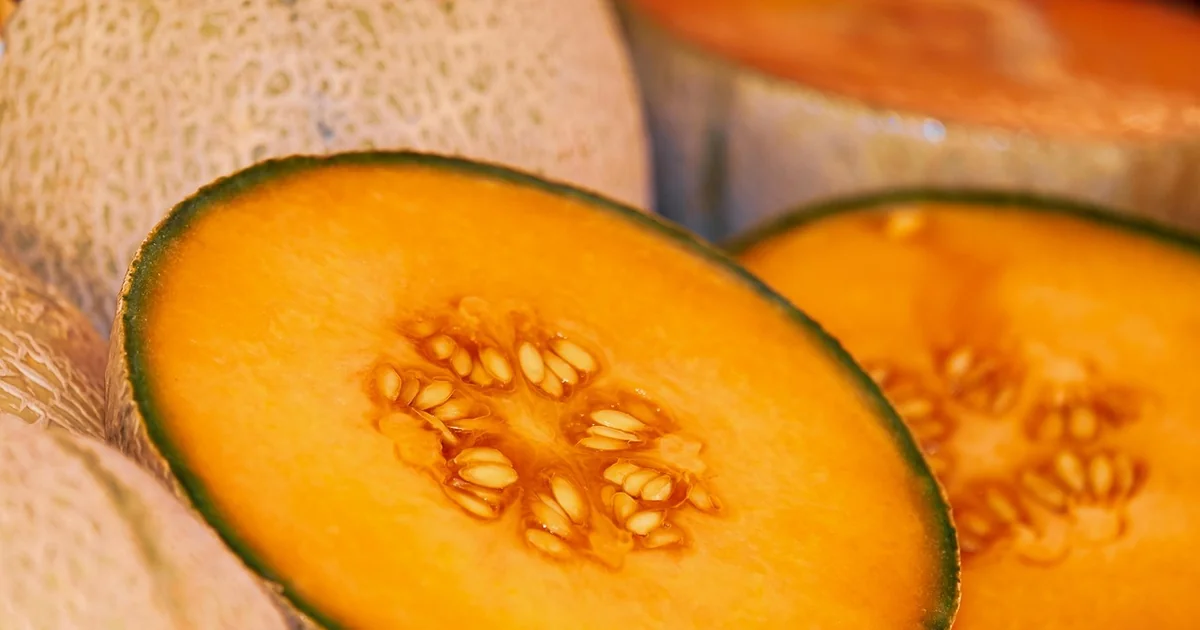
Cantaloupe season in the United States runs from June through August. Because it grows within the country during this window, the fruit travels a much shorter distance to reach your grocery store. That shorter journey means fewer carbon emissions compared to melons shipped from overseas during the off-season. Choosing seasonal produce becomes a small but meaningful act for the planet.
Beyond the environmental benefit, summer cantaloupes taste noticeably better. They arrive fully ripe, with a floral aroma and a juicy, honeyed flesh. This natural sweetness means you need less added sugar to create a dessert that satisfies. The fruit itself delivers a solid dose of vitamin A and vitamin C, making this sorbet a far more nutritious choice than a bowl of ice cream loaded with cream and artificial flavors.
The Simple Pleasure of Three Base Ingredients
The beauty of this cantaloupe sorbet recipe lies in its minimalism. You only need three core components: ripe cantaloupe, granulated sugar, and water. The sugar and water combine into a simple syrup that gives the sorbet a smooth, scoopable texture. Without it, the pureed melon would freeze into an icy block rather than a creamy sorbet.
Fresh ginger appears as a common addition, but it remains optional. If you count ginger separately, the recipe uses four ingredients. Yet many home cooks treat ginger as a flavor enhancer rather than a required element. The base recipe stands perfectly well with just three. That simplicity makes this dessert accessible even on a busy weekday. You can have the entire process done, from cutting the melon to freezing the sorbet, in under fifteen minutes of active work.
The Science Behind a Smooth Cantaloupe Sorbet
Texture often separates homemade sorbet from commercial versions. A poor sorbet ends up hard, icy, or grainy. The key to a silky result lies in the ratio of sugar to water and the method of freezing. Sugar lowers the freezing point of the mixture, which prevents large ice crystals from forming. This is why the simple syrup step matters so much.
Many amateur cooks skip cooling the syrup before blending, which can partially cook the melon puree and alter the flavor. Letting the syrup chill in the refrigerator for about thirty minutes solves that problem. The temperature drop keeps the fruit’s delicate taste intact.
Another little-known factor is the water content of the cantaloupe itself. Overly ripe melons contain more water, which can dilute the flavor and create a less stable sorbet. If your cantaloupe feels exceptionally juicy, you might reduce the water in the simple syrup by a couple of tablespoons to compensate. This adjustment helps maintain a concentrated cantaloupe flavor.
Step-by-Step Three-Ingredient Cantaloupe Sorbet Recipe
This cantaloupe sorbet recipe yields approximately six to eight servings. Prep time takes about ten minutes, and the machine-churning process runs roughly twenty to thirty minutes. If you plan to firm it up further in the freezer, add at least two hours of additional waiting time.
What You Need
- 4 cups peeled, seeded, and cubed cantaloupe (about one medium melon)
- 3/4 cup granulated sugar
- 3/4 cup water
- 1 teaspoon freshly grated ginger (optional, for a subtle kick)
How to Make It
Place the water and sugar in a small saucepan over medium heat. Stir occasionally until the sugar dissolves completely. This usually takes about three minutes. Remove the pan from the heat and pour the syrup into a heatproof bowl or measuring cup. Set it in the refrigerator to cool while you prepare the cantaloupe.
Slice the cantaloupe in half. Scoop out the seeds and discard them. Use a sharp knife to remove the rind, then cut the flesh into roughly one-inch cubes. Measure out four cups of these cubes. Any leftover melon makes a great snack for later.
Transfer the cantaloupe chunks to a blender or food processor. Add the cooled simple syrup and the ginger if using. Blend on high until the mixture becomes completely smooth, about thirty to forty-five seconds. There should be no visible chunks remaining.
Pour the puree through a fine-mesh strainer into a bowl or large liquid measuring cup. This step catches any fibrous strings that might remain in the melon. Straining is optional but highly recommended for a restaurant-quality texture. Press gently on the solids with a spatula to extract as much liquid as possible. Discard the solids.
Cover the bowl and refrigerate the mixture for one to three hours until it is thoroughly chilled. A cold base churns faster and produces a smoother sorbet. When you are ready, pour the chilled liquid into your ice cream maker and churn according to the manufacturer’s instructions. Typically, this takes about twenty to thirty minutes. The sorbet will look soft, similar to soft-serve ice cream.
Transfer the sorbet to an airtight container. Press a piece of plastic wrap directly onto the surface to prevent ice crystals from forming. Seal the container and freeze for at least two hours to firm up. When you scoop it, let the container sit at room temperature for five minutes to soften slightly.
No Ice Cream Maker Alternative
Not everyone owns an ice cream maker. The good news is that this cantaloupe sorbet recipe adapts beautifully to popsicle molds. Simply skip the chilling and churning steps. After blending and straining the puree, pour it directly into popsicle molds. Insert sticks and freeze for four to six hours until solid.
Popsicles offer a practical advantage for families. Kids often find a frozen pop on a stick more appealing than a bowl of sorbet. The mild ginger version tends to please even picky eaters because the ginger does not overpower the sweetness of the melon. This clever trick gets children to consume fruit without complaint. Each popsicle contains the same vitamins as a serving of fresh cantaloupe, just in a frozen, treat-like form.
If you want a smoother texture without an ice cream maker, you can freeze the puree in a shallow metal pan. Stir it every thirty minutes with a fork to break up ice crystals. Repeat this process three or four times over the course of two hours. The result will be a slightly icier but still satisfying sorbet.
Nutritional Snapshot of this Cantaloupe Sorbet Recipe
A single scoop of this sorbet contains approximately 100 calories. The fat content sits at a negligible 0.15 grams. Carbohydrates come in at around 25 grams, most of which come from natural fruit sugars and the small amount of added sugar. You also get a trace of dietary fiber and about 14 milligrams of sodium per serving.
You may also enjoy reading: Bats in Your Garden After Dark? 7 Pest Pro Secrets.
Compared to a standard vanilla ice cream, this sorbet offers a much lighter option. A half-cup of premium vanilla ice cream can pack 250 to 300 calories and 15 grams of fat. Dairy-free eaters can enjoy this sorbet without worry because it contains no milk, cream, or eggs. It is naturally vegan and lactose-free.
The vitamin content of cantaloupe deserves a moment of appreciation. One cup of cantaloupe provides over 100 percent of the daily recommended intake of vitamin A, primarily in the form of beta-carotene. That same serving delivers about 65 milligrams of vitamin C, which supports immune function and collagen production. Summer is really the prime time to eat melons, and freezing them into sorbet preserves those nutrients far better than canning or drying.
Flavor Variations and Serving Ideas
Once you master the basic cantaloupe sorbet recipe, you can experiment with other fruits. Honeydew melon works as a direct substitute, though it tends to be less sweet, so you might increase the sugar by a tablespoon or two. Watermelon also works, but it contains even more water, so reduce the water in the simple syrup to 1/2 cup to avoid an icy texture.
Herbs add a sophisticated twist. A few fresh mint leaves or basil leaves blended into the puree give the sorbet an unexpected brightness. Lemon zest can brighten the flavor without adding acidity that would compete with the melon. If you enjoy a spicy kick, increase the fresh ginger to two teaspoons for a more pronounced warmth that contrasts the sweet fruit.
For adult gatherings, a splash of vodka becomes an elegant addition. Pour about one shot (1.5 ounces) over a bowl of sorbet just before serving. The alcohol lowers the freezing point slightly, giving the sorbet an even silkier texture. Cointreau or limoncello also pair beautifully with the cantaloupe flavor. This approach turns a simple dessert into something worthy of a dinner party finale.
Presentation Tips for Summer Entertaining
Scoop the sorbet into chilled glass bowls or small martini glasses. Garnish with a thin slice of cantaloupe and a sprig of mint. If you are serving a crowd, pre-scoop the sorbet onto a parchment-lined baking sheet and freeze the individual spheres. Transfer them to a serving tray right before guests arrive. This method keeps portions neat and avoids the messy fight with a frozen container.
Frequently Overlooked Problems and Solutions
Even an easy recipe can encounter snags. One common complaint is sorbet that becomes rock-hard after a night in the freezer. This happens because homemade sorbet lacks the stabilizers found in commercial versions. The fix is simple: add a tablespoon of light corn syrup or agave nectar to the simple syrup. These invert sugars prevent excessive crystallization and keep the sorbet scoopable straight from the freezer.
Another issue is a bland or watery taste. This usually stems from underripe cantaloupe. A melon that feels heavy for its size and smells sweet at the stem end is ripe. If your melon is not quite ready, you can still salvage the sorbet by adding a squeeze of lime juice to brighten the flavor. The acid tricks your palate into perceiving more sweetness.
Finally, some people struggle with the texture because they skip the straining step. Cantaloupe contains thin, tough fibers that the blender may not fully pulverize. Straining removes these fibers, resulting in a velvety smooth sorbet. It takes only an extra two minutes, but the difference is dramatic.
Storing Your Homemade Cantaloupe Sorbet
Proper storage keeps your sorbet fresh for up to two weeks. Use a container with a tight-fitting lid. Press a piece of plastic wrap directly onto the surface of the sorbet before closing the lid. This barrier prevents air from reaching the sorbet, which minimizes frost buildup. Keep the container at the back of the freezer, not in the door, where temperature fluctuations are more extreme.
If you notice ice crystals forming on the surface after a few days, do not panic. Scrape them off with a spoon, stirring the sorbet briefly to redistribute the mixture. That quick action restores a creamy consistency. Sorbet that has been stored for more than two weeks can still be eaten, but the texture will gradually degrade.
This cantaloupe sorbet recipe represents everything that makes summer cooking rewarding. It uses peak-season fruit, requires minimal effort, and produces a dessert that feels both indulgent and virtuous. Whether you serve it as a palate cleanser between courses, a wholesome treat for the kids, or a sophisticated ending to a dinner party, this three-ingredient wonder deserves a permanent place in your seasonal rotation.
Make the most of the warm months while cantaloupes are at their best. One batch of sorbet transforms a simple melon into a cool, creamy celebration of summer itself.