Why Your Landscape Needs Trees That Stand Strong
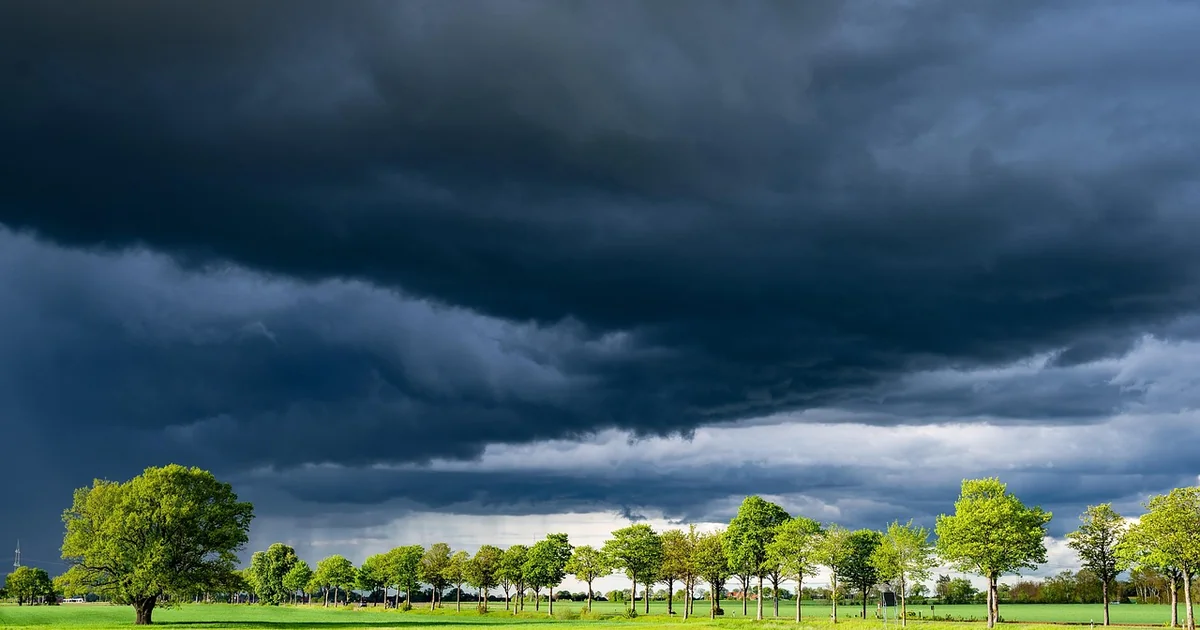
Unpredictable weather has become the new normal. One season brings relentless rain, the next delivers a punishing drought. Winter storms arrive with damaging ice loads, while summer winds can snap weaker limbs like twigs. These species don’t just survive harsh conditions — they thrive in them. Below are seven outstanding choices that combine beauty with the durability needed to face whatever the sky throws down.
1. Crape Myrtle (Lagerstroemia indica)
If you picture a tough tree as drab or coarse, crape myrtle will change your mind. This southern favorite produces showy summer flowers in vivid shades of pink, red, and purple. Fall brings fiery foliage, and winter reveals wonderfully textured, exfoliating bark. Many gardeners forget that crape myrtle ranks among the most tough trees for weather extremes.
Its flexible branches and naturally low center of gravity make it highly wind-resistant. Once established, it asks for irrigation only twice per month. It thrives in USDA hardiness zone 6 and above. Available sizes range from small shrubs (3 feet) to full-sized trees (30 feet), so you can match one to your space. Cultivars like ‘Black Diamond Purely Purple’ add dramatic black leaves and deep blooms.
How to Help Your Crape Myrtle Settle In
Water deeply every week during the first growing season. Use a stake only if the tree is in an extremely windy site, and remove it after one year. Mulch the root zone to retain moisture and regulate soil temperature. Avoid heavy pruning — let the tree develop its natural, flexible structure.
2. Serviceberry (Amelanchier spp.)
Serviceberry is one of the most underappreciated native trees in North America. It offers four seasons of interest and produces edible berries that both people and birds love. Yet its real strength lies in its resilience. Serviceberry shrugs off strong winds, clay soils, cold winters, and even late spring frosts. It grows in USDA zones 2 through 9, making it adaptable to climates from Canada to the Deep South.
In early spring, airy white flowers provide critical nectar for pollinators. By summer, the berries ripen from pink to deep purple. Autumn delivers a stunning mix of red, gold, and orange leaves. Winter reveals smooth, gray-striped bark and an elegant branch structure. Serviceberry reaches 15 to 30 feet at maturity, fitting nicely into most residential yards.
Planting Tip for Serviceberry
Choose a spot with full sun or partial shade. Serviceberry tolerates clay but prefers well-drained soil. Water regularly for the first two years. After that, it needs little extra care. The berries make excellent jams and pies — harvest them before the birds do.
3. Eastern Red Cedar (Juniperus virginiana)
Eastern red cedar could have “tough” as its middle name. This native evergreen handles drought, heat, cold, and a wide range of soils — from swampy ground to rocky, barren sites. Its strong wood, deep root system, and compact crown help it stand firm against high winds. It is hardy to USDA zone 2 and thrives in full sun.
The tree has blue-green, scale-like leaves and reddish-brown bark that exfoliates in strips. Small blue berries provide winter food for birds and wildlife. Eastern red cedar grows slowly to about 30 feet tall, making it a low-maintenance choice for hedges, screens, or specimen planting.
Why This Tree Works for Tough Spots
If you have a site where nothing else grows — thin soil, roadside salt, or reflected heat from pavement — eastern red cedar will likely succeed. It requires no fertilizer and only occasional watering once established. Avoid planting it near apple orchards, as it can host cedar-apple rust, but for most landscapes it is a reliable workhorse.
4. Flowering Dogwood (Cornus florida)
Do you want a small tree that brings exceptional four-season interest to your backyard? Flowering dogwood fits the bill perfectly. Its spring bracts (often mistaken for petals) burst into white, pink, or red clouds. Summer foliage is deep green and handsome. Fall transforms the leaves into brilliant orange and wine-red. Winter reveals elegant branching and interesting bark.
Despite its delicate appearance, flowering dogwood is surprisingly resilient. It thrives in USDA zones 5 through 9, tolerates partial shade, and handles competition from shallow-rooted shrubs. It grows 10 to 30 feet tall, making it ideal for smaller properties. Dogwoods do best in well-drained, acidic soil with organic matter.
Keeping Your Dogwood Healthy
Water during dry spells, especially in the first three years. Mulch around the base to keep roots cool. Prune only to remove dead or crossing branches. Dogwoods are susceptible to anthracnose in humid regions, so choose disease-resistant cultivars like ‘Appalachian Spring’ if that is a concern in your area.
5. Bur Oak (Quercus macrocarpa)
Bur oak is the heavyweight champion among tough trees for weather. This native oak withstands severe drought, flooding, wind, ice, and temperature swings. Its thick, corky bark insulates against fire and extreme cold. The deep taproot anchors it firmly, preventing windthrow. Bur oak grows slowly but can live for centuries, eventually reaching 70 to 80 feet tall.
You may also enjoy reading: Eating Cheese Wrong? 1 Simple Trick for Better Taste.
The large acorns provide food for wildlife. The leaves are broad and lobed, turning yellow-brown in autumn. Bur oak adapts to clay, sand, loam, and even alkaline soil. It thrives in USDA zones 3 through 8. This tree is an excellent choice for spacious yards, parks, or restoration projects.
Establishing a Bur Oak
Plant a small sapling rather than a large transplant — oaks with taproots benefit from being grown in place. Water deeply once a week for the first two years. Do not stake unless absolutely necessary; a moving trunk actually builds stronger wood. Be patient: bur oak grows about 12 inches per year initially, but its durability is unmatched.
6. Japanese Zelkova (Zelkova serrata)
Japanese zelkova is often recommended as an elm replacement because of its resistance to Dutch elm disease. However, it also excels at weathering storms. The tree’s vase-shaped crown and flexible branches allow it to shed wind and snow loads without breaking. It tolerates drought, heat, urban pollution, and compacted soil.
Zelkova grows 50 to 80 feet tall, with a similar spread. Its serrated green leaves turn a pleasing orange-bronze in autumn. The bark develops an attractive mottled pattern of gray, orange, and brown. Hardy in zones 5 through 8, it is a favorite street tree but works well in large residential yards too.
Care Tips for Zelkova
Plant in full sun and well-drained soil. Water young trees regularly during dry spells. Prune in late winter to establish a strong central leader and remove low branches. Once established, zelkova requires little maintenance. Its sturdy wood and arching branches make it one of the best tough trees for weather-prone areas.
7. Ginkgo (Ginkgo biloba)
Ginkgo is a living fossil, having survived on Earth for over 200 million years. That longevity speaks to its incredible resilience. Ginkgo trees tolerate drought, wind, ice, salt spray, and air pollution. They are virtually pest-free. Their fan-shaped leaves turn a brilliant, uniform gold in autumn, creating a spectacular show before falling all at once.
Ginkgo grows slowly to 50 to 80 feet tall, with a conical or spreading canopy depending on the cultivar. It thrives in USDA zones 3 through 9. For home landscapes, choose a male cultivar like ‘Princeton Sentry’ to avoid the messy, foul-smelling fruit that female trees produce. The wood is strong, and the branches are flexible, helping the tree endure storms with minimal damage.
Getting a Ginkgo Off to a Good Start
Ginkgo prefers well-drained soil but adapts to clay and sand. Water deeply weekly for the first season. It rarely needs staking. Once established, it is extremely drought-tolerant. Ginkgo also handles urban heat islands well, making it a top pick for city gardens. Its unique leaf shape and fall color earn it a lasting place in any landscape.
Final Considerations for Planting Tough Trees
Even the most weather-resistant tree needs a strong start. Dig a hole two to three times the width of the root ball, but no deeper than the root flare. Water regularly for at least the first two growing seasons. Mulch with organic material, but keep it away from the trunk to prevent rot. Remove stakes after one year so the trunk develops natural taper and strength. Selecting the right species for your local climate and soil conditions is the first step toward a low-maintenance, storm-ready landscape.