Imagine a plant that brings both fragrance and structure to your garden, one that can be shaped into elegant curves or left to grow in natural drifts. Germander offers this rare combination of beauty and versatility. This member of the mint family has been cultivated for centuries, prized for its aromatic foliage and ability to transform outdoor spaces. Whether you dream of a formal knot garden or simply want a hardy, low-maintenance perennial, understanding the nuances of growing germander can make all the difference between a plant that merely survives and one that truly thrives.
Understanding What Makes Germander Special
Before diving into specific techniques, it helps to appreciate what this plant brings to the table. Germander belongs to the Teucrium genus, which contains about 260 species spread across the globe. Many originate from the Mediterranean region, though some varieties call North America home. This diversity means that not all germanders behave the same way in your garden. Knowing which type you have is the first step toward success.
Secret #1: Identify Your Germander Species First
The single most important decision you will make involves choosing the right species for your climate and soil. Mediterranean germander varieties, such as Teucrium fruticans or Teucrium chamaedrys, thrive in dry, sunny conditions with well-drained soil. They are semi-shrubby plants that respond beautifully to pruning, which is why they have been used in knot gardens since the Elizabethan era. American germander, or Teucrium canadense, offers a completely different set of preferences. It tolerates poorly drained soil and even soggy conditions, making it ideal for rain gardens or areas where Mediterranean types would rot. If you plant the wrong species in the wrong spot, you will struggle from the start. Take a moment to research which variety suits your region before you place a single plant in the ground.
Secret #2: Appreciate Its Mint Family Traits
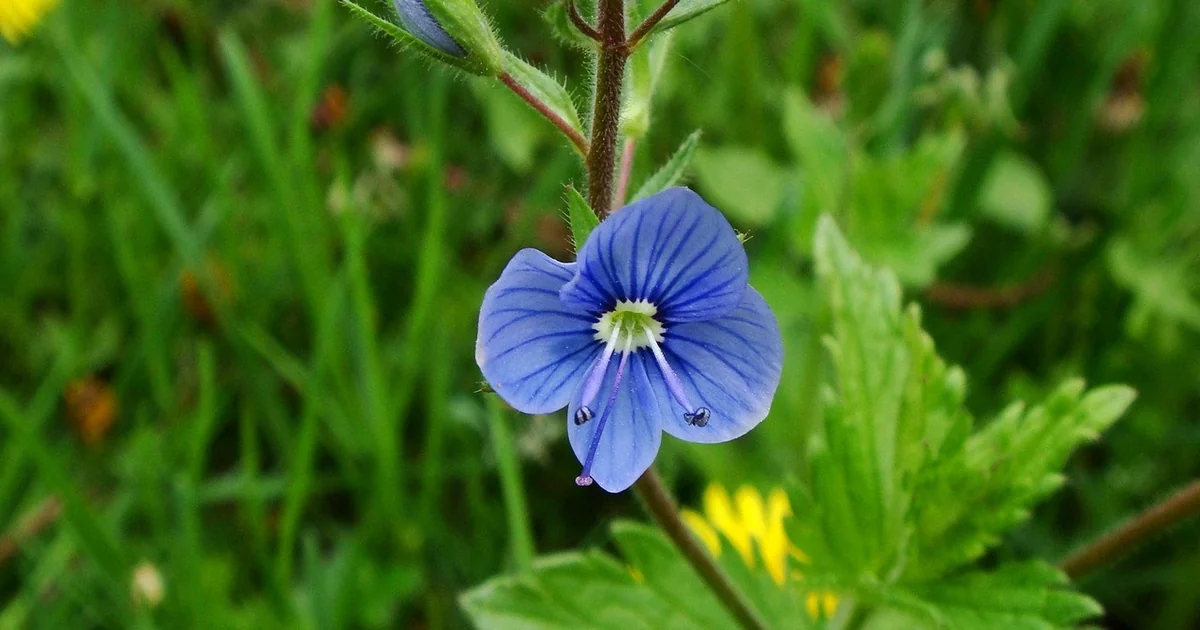
Because germander belongs to the mint family, it shares certain characteristics with basil, sage, and lavender. The leaves contain aromatic oils that release fragrance when brushed or crushed. This trait makes germander deer resistant, since most browsing animals find the scent unappealing. The flowers, which bloom in shades of blue, pink, purple, or white during summer and fall, attract bees and butterflies. Understanding these family traits helps you integrate germander into a pollinator-friendly garden or use it as a natural border that deters unwanted wildlife.
Planting Secrets for a Strong Start
The foundation of any successful plant lies in how you introduce it to your garden. Germander is forgiving, but giving it the right start pays dividends for years to come. These secrets focus on timing, spacing, and soil preparation.
Secret #3: Plant in Spring After the Last Frost
Timing matters more than many gardeners realize. Planting germander in the spring, once the danger of frost has passed, gives the roots an entire growing season to establish themselves before winter arrives. A plant set out in spring has months to spread its root system into the surrounding soil. That strong foundation translates into better drought tolerance, more vigorous growth, and higher survival rates through cold weather. If you plant too late in the fall, the roots may not anchor themselves before the ground freezes, leaving the plant vulnerable to heaving or winter kill. Mark your calendar for a few weeks after your region’s average last frost date, and make that your planting window.
Secret #4: Space Plants With Intention
The distance between your germander plants depends entirely on your goal. For a dense, formal hedge that creates a neat border, space plants about 6 inches apart. This tight spacing encourages the plants to grow into one another, forming a solid wall of foliage. For individual specimens or a more relaxed row where each plant can show its natural shape, allow about 1 foot between plants. If you are creating a knot garden with intricate patterns, measure carefully and mark your layout before digging. Crowded plants compete for water and nutrients, while plants spaced too far apart leave gaps that look unfinished. Measure twice, plant once.
Secret #5: Prepare the Soil According to Species
Soil preparation is not a one-size-fits-all task with germander. Mediterranean varieties demand sharp drainage and a neutral to slightly alkaline pH, ideally between 6.0 and 8.0. If your garden has heavy clay soil, amend it with coarse sand or fine gravel to improve drainage. Raised beds work wonderfully for these types. American germander, on the other hand, actually prefers moist to wet soil. It thrives in the kind of ground that would drown a Mediterranean germander. If you have a low spot in your yard where water collects after rain, American germander may be the perfect solution. Test your soil pH and drainage before planting, and choose your species accordingly.
Creating the Ideal Environment for Growing Germander
Once your plants are in the ground, the conditions you provide will determine how well they perform. Light, water, and temperature all play critical roles. These secrets help you fine-tune the environment for maximum health and beauty.
Secret #6: Give Full Sun for the Most Vigorous Growth
Germander performs best when it receives at least 6 hours of direct sunlight each day. In full sun, the plants grow compact, produce more flowers, and develop the dense foliage that makes them ideal for shaping. Partial shade is tolerable, but the plants will grow more slowly and may become leggy. If you are growing germander in a spot that gets afternoon shade, expect a looser, more open habit. For knot gardens and formal hedges, full sun is non-negotiable. The difference between a plant in full sun and one in partial shade is like the difference between a crisp hedge and a floppy one.
Secret #7: Water According to Variety, Not a Schedule
This secret trips up many gardeners because it goes against the instinct to water everything on a regular timetable. Mediterranean germander is drought tolerant once established. Overwatering is a faster route to killing these plants than underwatering. Let the soil dry out between waterings, and during rainy spells, withhold water entirely. American germander, in contrast, prefers consistently moist soil and can even tolerate standing water for short periods. If you grow both types in the same garden, group them separately so you can water each according to its needs. A single irrigation schedule for both will leave one variety unhappy.
Secret #8: Protect Mediterranean Germander From Harsh Winters
Hardiness varies significantly between species. Mediterranean germander is evergreen in mild climates but can suffer winter damage in USDA zones 5 and 6. The cold itself is not always the problem; rather, it is the combination of freezing temperatures and drying winds that desiccates the foliage. Before the first hard freeze, apply a layer of straw or evergreen boughs around the base of the plants. This insulation moderates soil temperature and protects the roots. American germander handles cold much better because its foliage dies back naturally in winter, eliminating the risk of winter burn. Know your zone and your species, and take protective measures accordingly.
Ongoing Care Secrets for Long-Lasting Beauty
After the initial establishment period, germander requires relatively little attention. But a few strategic interventions can keep your plants looking their best year after year. These maintenance secrets focus on pruning, feeding, and container culture.
Secret #9: Prune After Flowering, Never in Fall
Pruning is essential for maintaining the shape of germander, especially if you are using it as a hedge or in a knot garden. The best time to prune is immediately after the flowers fade in late summer or early fall. This timing allows the plant to put out fresh growth before winter, and it prevents you from accidentally cutting off next year’s flower buds. Avoid pruning in the fall because new growth stimulated by a late trim will not harden off before frost, leaving the plant vulnerable to damage. Use sharp shears and cut back to just above a leaf node. Regular pruning keeps the plant dense and prevents it from becoming woody and sparse at the base.
Secret #10: Fertilize Sparingly or Not at All
Germander evolved in poor, rocky soils where competition for nutrients is fierce. It does not need rich feeding. In fact, too much fertilizer encourages soft, lush growth that is more susceptible to pests and winter damage. If you choose to fertilize, apply a balanced, slow-release granular formula in early spring, just as new growth begins. Use half the recommended rate on the package. Many gardeners skip fertilizer entirely and still enjoy vigorous plants. The exception is container-grown germander, which benefits from a light feeding once in spring because nutrients leach out of pots more quickly. For in-ground plants, less is more.
You may also enjoy reading: 7 Best Cutting Garden Roses.
Secret #11: Grow Germander in Containers for Flexibility
Container gardening opens up possibilities for gardeners with limited space or challenging soil conditions. Germander adapts well to pots, provided you use a well-draining potting mix and a container with drainage holes. A mix of standard potting soil and coarse sand works well. Container-grown plants need more frequent watering than in-ground plants, especially during hot weather, because pots dry out faster. Place the container in a spot that receives full sun, and bring it to a sheltered location if winter temperatures drop below the plant’s hardiness range. Potted germander can be shaped into topiary forms or simply enjoyed as a compact, fragrant accent on a patio or balcony.
Troubleshooting Common Challenges
Even with the best care, problems can arise. Knowing how to identify and address them quickly keeps your plants healthy.
Dealing With Poor Drainage
If you notice yellowing leaves or stunted growth in Mediterranean germander, poor drainage is likely the culprit. The roots suffocate in waterlogged soil. The solution involves either amending the soil with sand or gravel, moving the plant to a raised bed, or switching to American germander, which tolerates wet feet. Catching the problem early prevents root rot from becoming fatal.
Managing Leggy Growth
When germander receives too little sunlight, it stretches toward the light source, producing long, weak stems with sparse foliage. The fix is simple: move the plant to a sunnier location or trim back surrounding vegetation that may be casting shade. Regular pruning also encourages bushier growth, so do not hesitate to cut back leggy stems in spring.
Preventing Winter Dieback
In regions with harsh winters, even well-protected Mediterranean germander may lose some branches. Wait until spring to assess the damage. Once new growth begins, prune out any dead or damaged wood. The plant will fill in quickly if the roots survived. For extra insurance, take cuttings in late summer and root them indoors as backups.
Design Ideas That Showcase Germander
Beyond the basics of care, thinking about how to use germander in your landscape elevates your garden from ordinary to memorable.
Formal Knot Gardens and Parterres
This is the classic use for germander, and for good reason. The plant’s small leaves and dense growth habit make it ideal for creating intricate patterns. Combine germander with lavender, santolina, or boxwood for contrasting colors and textures. The low hedges define spaces and create a sense of order that feels both timeless and sophisticated.
Low Borders and Edging
Along pathways or around flower beds, germander forms a tidy, aromatic edge that softens hardscape lines. It stays compact enough to not overwhelm narrow paths, and its fragrance releases when brushed against as people walk by. This use works well in both formal and cottage-style gardens.
Rock Gardens and Slopes
Mediterranean germander’s tolerance for heat, drought, and lean soil makes it a natural choice for rock gardens or sunny slopes. It spills over rocks and fills crevices with soft, gray-green foliage. The flowers attract pollinators, bringing movement and life to what might otherwise be a static feature.