One non-negotiable product keeps my garden thriving year after year. That product is landscape fabric. I buy it annually to save myself hours of tedious weeding. Without it, my garden beds would quickly become overrun with unwanted plants competing for water and nutrients. Finding the best landscape fabrics makes all the difference between an easy season and a constant battle.
What Makes a Great Landscape Fabric?
Weed-barrier fabric works through a simple but effective design. It allows water to pass through the material and reach the soil underneath. At the same time, it blocks sunlight from reaching weed seeds buried below the surface. Without light, those seeds cannot sprout. During our real-world testing period, we covered half of a garden with fabric and left the other half uncovered for direct comparison. The results were clear within weeks.
Amazon US Verified
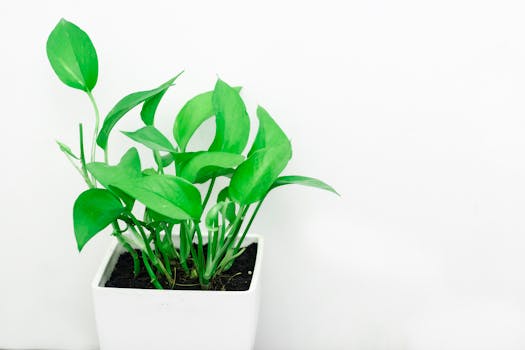
Organic Perlite Horticultural Soil Conditioner
Lightweight volcanic mineral that improves root aeration and prevents compaction.
Several qualities separate an excellent fabric from a poor one. The material must be durable enough to resist tearing during installation. It needs high permeability so water does not pool on top. The weight of the fabric often determines its lifespan. Lighter fabrics work well for temporary beds, while heavier materials last for years. several types to find which ones actually hold up under regular garden conditions.
Our testing process involved laying each fabric in active garden beds, foot traffic areas, and around permanent plantings. We monitored weed growth, water drainage, and physical wear over time. Here are the seven options that stood out during our review.
1. ECOgardener Garden Weed Barrier
Material: Two-layer polypropylene fabric that offers superior durability and permeability.
Weight: 5 ounces per square yard, providing a solid balance between thickness and flexibility.
Installation: Lightweight and easy to maneuver around existing plants. Green lines run the length of the fabric, making it simple to cut straight strips or line up rows for vegetable gardens.
Performance: During six months of continuous use, not a single weed sprouted beneath the fabric. The edges of the yard saw plenty of weed regrowth, but the covered area remained completely clean.
Consideration: This fabric is not treated for UV resistance, so a layer of mulch is necessary to protect it from sun damage over time.
2. Dewitt Non Woven 12-Year Landscape Fabric
Longevity: The manufacturer claims this fabric will last up to 12 years in the ground. It is treated for UV resistance, which prevents dry rot and degradation from direct sun exposure.
Sunlight Blockage: Blocks 98 percent of sunlight from reaching the soil surface, which nearly eliminates the possibility of weed germination underneath.
Installation: Feels thick and sturdy. Cutting it requires a sharp blade, but the material does not fray or leave jagged edges. It takes a bit of effort to push anchors through the dense fabric.
Performance: Over six months of testing, it endured rain, wind, and regular foot traffic without any fraying, fading, or damage. Zero weeds grew through the material.
3. Heavy-Duty Woven Landscape Fabric
Best Use: Walkways, patios, areas under gravel, or spaces with heavy foot traffic.
Construction: Woven polypropylene strands create a very strong, tear-resistant sheet. The tight weave blocks light effectively while allowing water to pass through the gaps between strands.
Performance: This type of fabric holds up well under the weight of stones, pavers, and wheelbarrows. It is ideal for permanent hardscape installations where you want to discourage weeds for many years with minimal upkeep.
4. Biodegradable Natural Fiber Landscape Fabric
Best Use: Vegetable gardens, annual flower beds, and areas that get tilled or turned over each season.
Construction: Made from natural materials such as jute, coir, or hemp. These fibers are woven into a loose but effective weed barrier.
Performance: Suppresses weeds for one to two growing seasons. As the fabric breaks down, it adds organic matter back into the soil. This makes it an excellent choice for organic gardeners who want to avoid synthetic materials in their beds.
5. Premium Non-Woven Geotextile Fabric
Best Use: Slopes, erosion-prone areas, drainage projects, and retaining walls.
Construction: Felt-like texture formed by bonding fibers together. This creates a material with exceptional water permeability and filtration properties.
Performance: Allows water to pass through freely while preventing soil particles from washing away. It also blocks weeds effectively. This fabric is thicker and heavier than standard weed barriers, making it very durable in harsh conditions.
You may also enjoy reading: 5 Rubber Tree Care Tips for Indoor Ficus Elastica.
6. UV-Stabilized Spunbond Landscape Fabric
Best Use: Rock beds, decorative gravel areas, and spaces where you do not want to use mulch on top.
Construction: Spunbond polypropylene that has been treated with UV inhibitors during manufacturing. This treatment prevents the fabric from becoming brittle and breaking down when exposed to direct sunlight.
Performance: Lasts significantly longer than untreated fabrics when left uncovered. It works well under river rock or pebbles where the sun can penetrate between the stones.
7. Value Polypropylene Weed Barrier
Best Use: Temporary garden beds, seasonal plantings, budget-conscious projects, or rental properties.
Construction: Lightweight spunbond polypropylene. It is the most affordable option on the market.
Performance: Works effectively for one or two seasons. It is very easy to cut and install due to its light weight. However, it is less durable than premium options and will need replacement sooner, especially if it is exposed to foot traffic or direct sun without mulch.
What Makes ECOgardener One of the Best Landscape Fabrics?
ECOgardener earned top recommendation because it combines lightweight handling with outstanding weed suppression. The fabric is made from two-layer polypropylene, which gives it high permeability. Water and air move through it easily, so the soil underneath stays healthy. The green lines printed on the surface are a small detail, but they make a big difference. They help you cut straight edges and keep vegetable rows organized. It is lightweight, versatile, and no weeds sprouted beneath it during six months of use.
How Does Dewitt`s Fabric Differ in Longevity?
The Dewitt Non Woven fabric is built to last much longer than standard weed barriers. Dewitt claims its fabric lasts up to 12 years and is treated for UV resistance. That single feature sets it apart from most other options on the market. It blocks 98 percent of sunlight from reaching the soil, which is a higher percentage than many competitors. In our testing, it showed no signs of wear after six months of exposure to rain, wind, and regular garden activity. It feels like a material that will hold up for the long haul.
Are There Any Downsides to ECOgardener?
The main drawback of the ECOgardener fabric is its lack of UV protection. ECOgardener is not UV-resistant, so it requires a layer of mulch for protection. If you place it in an area that receives direct sunlight without covering it, the fabric will degrade faster over time. This is not a problem if you plan to top it with bark, wood chips, or stones. It is something to keep in mind if you want a bare fabric surface in a sunny spot. For most garden beds, adding a layer of mulch is standard practice anyway, so this is a manageable limitation.
How Does Dewitt Perform in Wet Conditions?
Dewitt specifically engineered its non-woven fabric to have improved water permeability compared to earlier versions. During our testing, Dewitt fabric showed no puddles or retained water despite rain and regular watering, and vegetables grown through it thrived without signs of water stress. The material allows moisture to pass straight through to the roots while keeping the surface dry. This reduces the chance of fungal diseases forming on top of the fabric. Proper drainage is essential for any garden, and this fabric handles wet conditions exceptionally well.
Amazon US Verified
Digital 3-in-1 Soil Moisture & pH Meter
Accurate probe to test deep root zone moisture and prevent accidental overwatering.
What Are the Installation Tips for These Fabrics?
Proper installation determines how well landscape fabric performs. Both fabrics are easy to cut with green lines for guidance. ECOgardener is lightweight and simple to spread out, while Dewitt is sturdy but requires effort to push anchors into the ground. Start by clearing the area of existing weeds and debris. Roll the fabric out flat and cut it to size using the guide lines. Overlap edges by at least six inches to prevent weeds from finding gaps. Secure the fabric with landscape staples every few feet. Cover it with mulch or stone to protect it from UV exposure and to weigh it down.
Frequently Asked Questions
Can landscape fabric completely stop all weeds from growing?
No fabric can guarantee a 100 percent weed-free garden forever, but high-quality options come very close. Over time, dust and organic matter can settle on top of the fabric, which allows weed seeds to germinate in that thin layer. Adding a layer of mulch on top of the fabric solves this problem. The fabric itself prevents any weeds from growing up through the soil.
What is the difference between woven and non-woven landscape fabric?
Woven fabric is created by weaving polypropylene strands together, producing a strong and durable sheet that works well under pathways and rock beds. Non-woven fabric is made by bonding fibers together into a felt-like material with higher water permeability. Non-woven options like ECOgardener and Dewitt are better suited for flower beds and vegetable gardens where drainage and root health are priorities.
Is it safe to use landscape fabric in a vegetable garden?
Yes, it is safe to use around edible plants. Most landscape fabrics, including the ones, are made from inert polypropylene that does not release harmful substances into the soil. The fabric helps keep vegetables clean by reducing soil splash. It also helps maintain consistent soil moisture and temperature. Just be sure to cut adequately sized holes for your plants and check the soil moisture regularly.
Choosing the best landscape fabrics for your specific project saves time, money, and effort. Whether you need the lightweight versatility of ECOgardener for a vegetable bed or the long-term durability of Dewitt for a permanent landscape feature, the right fabric makes your garden easier to manage for years to come.
As an Amazon Associate, azuloz.com earns from qualifying purchases.