You can start seeds outdoors in winter using nothing but old milk jugs. This simple method turns a household throwaway into a functioning propagation chamber. No grow lights, no heated mats, and no indoor mess. Just a few clean jugs, a sharp knife, and some duct tape. The approach works because the plastic dome traps warmth and moisture while shielding tender sprouts from harsh weather. If you have ever struggled with leggy seedlings or limited windowsill space, this technique offers a refreshing alternative. The best part is that you can set it up in minutes and let nature do most of the work.

Why Does a Milk Jug Work as a Greenhouse?
The Greenhouse Effect of Translucent Plastic
Milk jugs are made from high-density polyethylene, a plastic that allows sunlight to pass through while trapping heat inside. This creates a warm microclimate even when the surrounding air is cold. The translucent quality of the plastic helps create the greenhouse effect, warming the soil and encouraging germination. On sunny winter days, the interior temperature inside a sealed jug can rise well above freezing, giving seeds the warmth they need to sprout.
The Domed Shape Provides Weather Protection
The naturally domed shape of the milk carton is what makes it perfect for winter sowing and starting plants early. Rain and snow slide off the curved top instead of pooling on the surface. This prevents waterlogging and keeps the soil at a consistent moisture level. The dome also acts as a windbreak, protecting fragile seedlings from gusts that would otherwise dry them out or snap their stems.
What Materials Do You Need?
Essential Supplies for Your Mini Greenhouse
You will need clean milk jugs, a utility knife, duct tape, and a permanent marker or wax pencil. Gallon-size milk jugs are standard for this DIY greenhouse method because they offer enough depth for soil and room for root development. The utility knife handles both the cutting and the drainage holes. Duct tape seals the cut edge and holds the hinge closed during the germination phase. A marker helps you label each jug so you remember what you planted.
How to Source Enough Milk Jugs If You Do Not Drink Milk
Asking Friends and Neighbors to Save Their Jugs
If your household does not go through much milk, start collecting jugs early in the season. Let friends, family, and neighbors know you are building mini greenhouses. Most people are happy to rinse out a gallon jug and set it aside for you rather than toss it in the recycling bin. A single conversation can yield a dozen jugs in a few weeks.
Checking with Local Coffee Shops and Bakeries
Cafes and bakeries often receive milk in large quantities and discard the jugs daily. Ask the staff if they would be willing to save a few for you. Explain that you are using them for winter seed starting rather than crafts. Many small businesses appreciate the chance to keep plastic out of the waste stream and will happily set aside clean containers for you to pick up.
How Do You Prepare the Jug?
Cleaning the Jug Thoroughly
Leftover dairy residue can spoil the soil and invite mold. Rinse each jug with warm water and a drop of dish soap, then swish it around to remove all traces of milk. Let it air dry completely before you start cutting. A clean container gives your seeds a healthy, odor-free environment to germinate in.
Cutting the Jug Below the Handle
The jug modifications include cutting horizontally almost completely around the container just below the handle, leaving about half an inch of plastic connected by the handle for a hinge. This creates a flap that opens like a lid. Keep the cut steady and smooth so the two halves align well when you tape them back together later.
Adding Drainage Holes to the Bottom
Drainage holes are made in the bottom of the jug using a utility knife or drill. Aim for six to eight small holes spaced evenly across the base. Proper drainage prevents the soil from becoming waterlogged, which can rot seeds and kill young roots. If you drill, work on a scrap piece of wood to avoid cracking the plastic.
Amazon US Verified
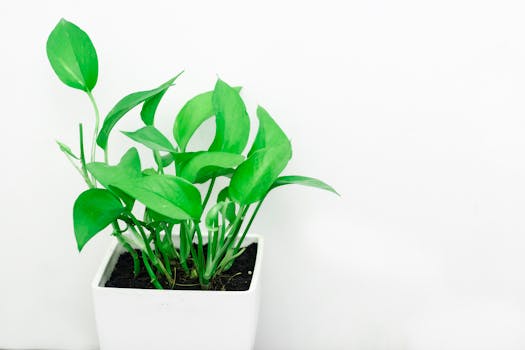
Organic Perlite Horticultural Soil Conditioner
Lightweight volcanic mineral that improves root aeration and prevents compaction.
What About Soil and Planting?
Choosing the Right Potting Mix
The jugs are filled with about 3 inches of light, well-draining potting soil. Avoid heavy garden soil or compost blends that compact easily. A seed-starting mix or a general potting soil with perlite works well because it holds moisture without becoming soggy. Moisten the soil before placing it in the jug so it holds together when you squeeze a handful.
Planting Seeds at the Correct Depth
Sow seeds according to the depth listed on the packet. Press them gently into the moistened soil and cover lightly with mix. Do not overfill the jug; leave enough headspace so the seedlings have room to grow before they hit the tape seal. Number each jug and keep a written record of what you planted where.
How Do You Care for the Seedlings?
Placing Jugs in a Sunny, Wind-Protected Spot
Set the sealed jugs in a location that receives direct sunlight for most of the day. A south-facing patio, deck, or balcony works well. Protect the jugs from strong wind that could tip them over or cool the interior too quickly. A sheltered corner or a windowsill ledge can serve the same purpose if outdoor space is limited.
Monitoring Condensation and Moisture Levels
Check the jugs every few days for signs of condensation on the interior walls. Heavy fog indicates high humidity, which is normal and beneficial for germination. If the soil looks dry, spray in a little water through the cut line without fully opening the jug. Avoid overwatering; the closed environment loses very little moisture, so a light mist is usually enough.
Amazon US Verified
Digital 3-in-1 Soil Moisture & pH Meter
Accurate probe to test deep root zone moisture and prevent accidental overwatering.
You may also enjoy reading: How to Grow and Care for a Jacaranda Tree.
When and How Do You Transplant Them?
Knowing When Seedlings Are Ready
When seedlings develop their second set of true leaves and the outdoor temperatures have moderated, they are nearly ready to leave the jug. At this stage, the roots have likely filled the soil layer and the plants need more space. Watch for signs of crowding, such as leaves touching the plastic walls or yellowing lower leaves.
Amazon US Verified
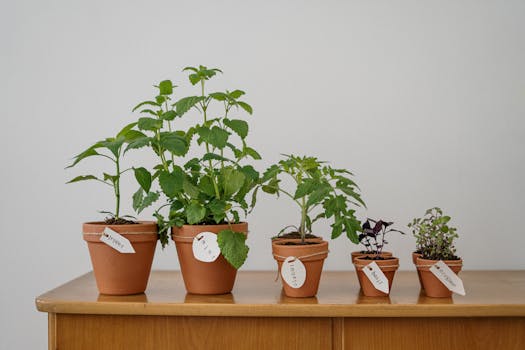
Self-Watering Planters with Drainage Aerators
Elevated reservoir design that prevents soggy roots and ensures steady hydration.
Opening the Jug for Acclimation
When seedlings are almost ready to be transplanted, remove the tape and open the jug slightly to help them acclimate to life outside the greenhouse. Prop the lid open with a small stick or stone for a few days. This gradual exposure to wind and cooler air toughens the foliage and prevents transplant shock when you move them into the garden.
Alternative Recyclable Containers That Can Substitute for Milk Jugs
Other Containers to Try
Clear plastic water jugs, two-liter soda bottles, and large deli containers with domed lids can all function as mini greenhouses. The key requirement is a translucent body that lets in light and a lid or a hinge mechanism that can be sealed shut. Cut soda bottles horizontally and use the top half as a cloche. Deli containers with snap-on lids are ready to use with no cutting at all. Each option offers a slightly different size and shape, so you can experiment to find what fits your space best.
The Role of the Jug’s Dome in Hardening Off Seedlings Naturally
How the Dome Creates a Microclimate
The dome of the milk jug replicates the conditions of a cold frame. During the day, the sun warms the air inside while the plastic shields seedlings from frosty overnight temperatures. This daily fluctuation hardens the plants gradually without any extra effort on your part. By the time you open the jug, the seedlings are already accustomed to cooler nights and brighter light, so they transition to the garden with minimal stress.
Why Labeling Your Jugs Matters and the Best Markers to Use
Keeping Track of Your Seeds
When you set out a dozen identical jugs, it is easy to forget which varieties are inside. Use a permanent marker or wax pencil to write the plant name and sowing date directly on the plastic. Wax pencils work well because they resist fading in sunlight and can be wiped off at the end of the season if you want to reuse the jug. Number your jugs and keep a corresponding notebook entry for detailed notes.
Step-by-Step Modification Process with Utility Knife and Duct Tape
A Complete Walkthrough
Start with a clean, dry gallon jug. Remove the cap and set it aside. Using a utility knife, cut horizontally around the jug just below the handle, stopping about half an inch short so the handle side becomes a hinge. Fold the top half back to open the jug like a box. Punch or drill six to eight drainage holes in the bottom. Fill the lower half with 3 inches of moistened potting soil. Sow seeds, close the lid, and seal the cut seam with duct tape. Place the jug in a sunny, sheltered spot and check occasionally for moisture. That is all there is to it.
Frequently Asked Questions
What types of seeds work best for winter sowing in milk jugs?
Cold-hardy vegetables and flowers are ideal. Broccoli, kale, lettuce, spinach, and pansies all germinate reliably in the cool conditions inside a milk jug greenhouse. Warm-season crops like tomatoes and peppers can also work, but they may need a later start or extra insulation if frost lingers. Stick with varieties that tolerate light frost for the best success rate.
Do I need to add drainage holes to the bottom of the jug?
Yes, drainage holes are essential. Without them, water collects in the bottom and saturates the soil, which can cause seeds to rot before they sprout. A utility knife or a drill works fine for making the holes. Space them evenly across the base so excess water can escape freely and keep the root zone healthy.
When should I start to ventilate or open the milk jug greenhouse?
Begin ventilating when the seedlings have produced their second set of true leaves and the daytime temperature stays reliably above freezing. Remove the duct tape and prop the lid open about an inch for a few days. This gradual exposure to outdoor air toughens the plants and prepares them for transplanting. Full removal of the lid should happen only after the risk of heavy frost has passed.
As an Amazon Associate, azuloz.com earns from qualifying purchases.