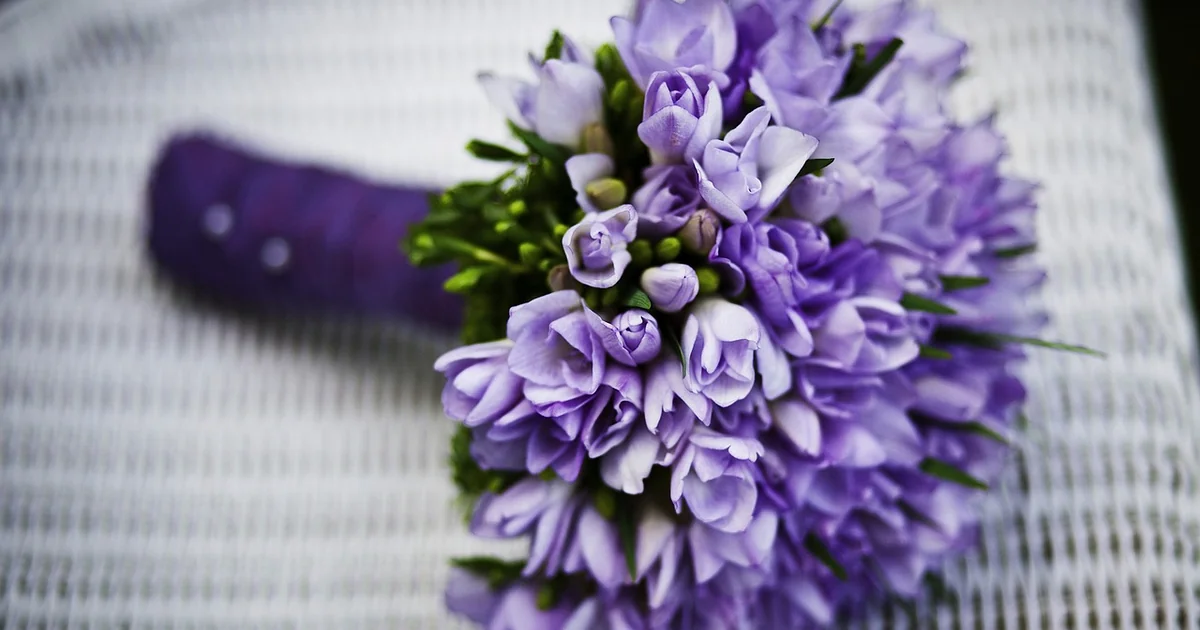
You have seen the scene a hundred times. A child steps forward, flowers clutched in small hands. A royal figure crouches down, accepts the bouquet, and the cameras flash. It is one of the sweetest rituals of public royal life. But after the walkabout ends and the royal car drives away, a quiet question lingers: what actually happens to all those bouquets? The short answer might surprise you. The royal bouquets destination is rarely a palace vase or a royal nightstand. Most of those carefully chosen blooms take a very different path.
How Many Flowers Do Royals Actually Receive Each Year?
No official tally exists for the number of bouquets handed to royal family members during engagements. But the scale is not hard to imagine. Senior working royals carry out hundreds of official engagements every year. Flowers appear at nearly all of them. On a busy walkabout, a single royal might receive dozens of bouquets in a single afternoon. Multiply that by dozens of engagements across the year, and the volume quickly approaches the thousands. That is a lot of flowers, and they all need a place to go.
It is worth pausing on that number for a moment. Imagine the logistics. Each bouquet arrives wrapped, often in cellophane or tied with ribbon. Some come with handwritten notes tucked between stems. Others are simple bunches from a supermarket or a garden. Together, they represent a prodigious wave of goodwill — and an equally prodigious wave of perishable organic material.
The sheer quantity means that the answer to the royal bouquets destination question cannot be “kept by the family.” There is simply no practical way for a single household to absorb thousands of fresh bouquets each year. Something else has to happen.
Where Do the Flowers Go After a Walkabout in the UK?
Things vary depending on where the royal is at the time. If the engagement takes place overseas and the family member is staying in a hotel, the flowers are often brought back to the hotel room and displayed in a vase. It is a small, human detail that makes the whole exchange feel warmer. A royal in a hotel room, looking at a freshly arranged bouquet from a child they met that morning — that is a nice image.
Inside the United Kingdom, however, the flowers rarely stay with the royal family for very long. Those close to the royals have shared that the flowers are often passed along to churches or charities by the end of the day. Keith Roy of the Monarchist League of Canada noted that gifts are frequently given away to the different charities the royals are highlighting. It is a practical solution to an impractical volume of flowers, and it gives the gesture a second life. Someone offers flowers to a royal as a token of admiration. Those same flowers travel to a hospice, a care home, or a parish church. The cycle feels natural and generous — the gift keeps moving.
This is the most common royal bouquets destination inside the UK: a quiet redistribution to organizations that serve people who might never attend a palace function. The flowers go where they can brighten a room full of people who need brightening.
What Happens to Flowers Left at Palace Gates During Mourning?
A separate category of floral tributes deserves its own explanation. When Queen Elizabeth II died in September 2022, the sea of flowers outside Buckingham Palace, Windsor Castle, and Sandringham became one of the defining images of national mourning. The public arrived by the thousands, each person carrying a bouquet or a single stem. The quantity was staggering. But those flowers were never destined for any royal interior.
Palace staff manage these floral deposits with careful respect. The public is often asked to remove plastic wrapping before leaving bouquets, which makes the next step easier. Most of the floral material from tributes at palace gates is eventually composted and used on the royal estates. The flowers return to the soil in the most literal sense. They become part of the gardens and grounds that the royal family tends. It is a quiet, ecological conclusion to a very public display of grief.
Amazon US Verified
Organic Perlite Horticultural Soil Conditioner
Lightweight volcanic mineral that improves root aeration and prevents compaction.
This composting process is not unique to the royal family, but its symbolism here is strong. The flowers given in sorrow become nutrients for new growth. The cycle of bloom and decay plays out on the very land the family cherishes. For many people, knowing that the flowers do not simply go to a landfill but instead enrich the soil of Windsor Great Park or the gardens at Sandringham adds a layer of meaning to the gesture.
You may also enjoy reading: 5 Reasons Seeing Bats Fly Around Your Yard Is a Benefit for Plants.
What Is the Tradition Behind the Myrtle in Royal Wedding Bouquets?
A discussion about where royal bouquets go would feel incomplete without mentioning the one branch that never leaves the family. Every royal wedding bouquet dating back to Queen Victoria has to carry a sprig of myrtle. This is not a casual preference — it is a tradition that has held steady for more than a century. Queen Victoria carried myrtle in her wedding bouquet, and the practice continued through the weddings of Diana, Kate Middleton, and Meghan Markle.
Amazon US Verified
Self-Watering Planters with Drainage Aerators
Elevated reservoir design that prevents soggy roots and ensures steady hydration.
The myrtle itself comes from a specific plant at Osborne House on the Isle of Wight. Victoria planted it there in 1845 using a cutting from her own mother’s wedding bouquet. Every sprig used in royal wedding bouquets since then has been descended from that single bush. It is a living botanical lineage that connects every royal bride across generations.
Unlike the thousands of walkabout bouquets that get redirected to charities or composted, the myrtle sprig has a permanent home. After the wedding ceremony, the myrtle is traditionally planted in the royal gardens. It takes root and grows. Over time, it produces more cuttings for the next bride. This tradition means that a small piece of every royal wedding survives indefinitely, not as a dried keepsake in a drawer, but as a living plant that keeps producing. The royal bouquets destination for this one particular branch is forever — it returns to the earth of the royal estate and keeps growing.
Frequently Asked Questions
Are the flowers given to royals during walkabouts ever kept by the royal family themselves?
Very rarely inside the United Kingdom. The volume of flowers received is so high — potentially thousands each year — that keeping them all would be impractical. Instead, the flowers are usually passed to churches, hospices, and other charitable organizations by the end of the day. Overseas, when the royals are staying in a hotel, the flowers may be displayed in their room briefly, but even then they do not stay with the family permanently.
What happens to the plastic wrappers and ribbons when flowers are left at palace gates?
Palace staff ask the public to remove plastic wrapping before placing bouquets at the gates. This makes the composting process much easier. The organic material — stems, petals, leaves — is composted and used on the royal estates. The non-organic materials such as ribbons and cellophane are separated and disposed of through normal waste channels. The goal is to return as much of the floral material to the soil as possible.
No, every royal wedding bouquet since Queen Victoria has included a sprig of myrtle. This is a strict tradition. The myrtle comes from a single plant at Osborne House on the Isle of Wight, which was planted in 1845 using a cutting from Queen Victoria’s mother’s bouquet. All myrtle sprigs used in royal wedding bouquets are descended from that one original bush. After the wedding, the myrtle is planted in the royal gardens, where it continues to grow and provide cuttings for future brides.
The next time you see a royal figure accepting a bouquet during a walkabout, you will know the quiet journey that follows. The flowers rarely stay in palace rooms. They travel to church altars, hospice bedside tables, charity function rooms, and — in the case of mourning tributes — back into the soil of the royal estates. And one small sprig of myrtle, carried by every bride for more than a century, keeps growing in the gardens of Osborne House, waiting for the next wedding day. That is the real royal bouquets destination: not a vase on a shelf, but a cycle of giving, regrowth, and tradition that stretches far beyond the cameras.
As an Amazon Associate, azuloz.com earns from qualifying purchases.