Not all garden visitors deserve a warm welcome. While butterflies and honeybees get celebrated, carpenter bees quietly chew their way into untreated wood around your home. A single nest can compromise a porch railing or garden bench, turning a peaceful outdoor space into a repair project. Finding the right carpenter bee deterrent plant, however, can help you protect your property without harsh chemicals.
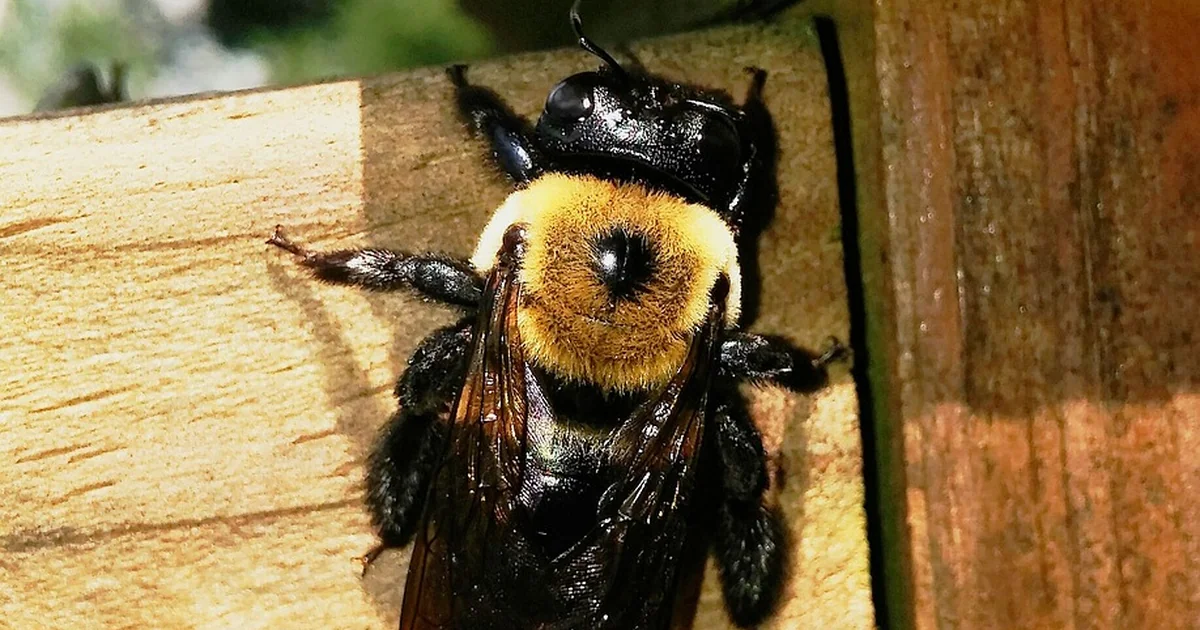
Why are carpenter bees considered a problem?
Carpenter bees get their name from their nesting habits. They drill or tunnel into untreated wood, creating galleries where their young will develop. Over time, these tunnels weaken the structure of wooden furniture, decks, and even the trim on your house. The holes they leave behind also make the surface look worn and unattractive. If you have a wooden porch, a garden bench made of soft wood, or any exposed timber on your property, you have a potential target. These insects do not eat the wood, but their excavation work can turn a sturdy piece of furniture into a fragile one.
How does lemon balm serve as a carpenter bee deterrent plant?
Lemon balm (Melissa officinalis) is a bushy herb with lemon-scented leaves. Its citrusy fragrance is the key to its repellent effect. Carpenter bees rely heavily on their sense of smell to locate suitable wood for nesting. The strong, persistent aroma of lemon balm confuses their olfactory system, making it difficult for them to identify potential nesting sites. This plant works by exploiting the bees’ own biology. When the scent fills the air around your porch, deck, or garden furniture, the bees become disoriented and move elsewhere.
What is the downside of planting lemon balm?
Beneficial insects visit lemon balm for its tiny white flowers. It attracts many types of bees, butterflies, and other pollinators. So while you may be trying to keep carpenter bees away, you will also draw more of their relatives into your yard. If your goal is simply to reduce bee activity around your home, this side effect might frustrate you. The same blossoms that confuse carpenter bees also feed honeybees, bumblebees, and solitary bees. You have to weigh your desire to protect wood against the reality of a busier pollinator garden.
How can you keep lemon balm from taking over your garden?
Lemon balm belongs to the mint family. It spreads aggressively through underground rhizomes and also drops seeds that sprout new plants. If planted directly in the ground, it can wander into neighboring flower beds, lawns, and vegetable patches. Controlling its spread takes effort. A practical solution is to grow it in a container or a raised bed. Pruning the flowers before they go to seed also prevents self-seeding. These two steps keep lemon balm contained and manageable.
Are there more effective ways to prevent carpenter bee damage?
While lemon balm is a helpful natural deterrent, it is not a complete solution. Carpenter bee nests can still weaken wooden furniture and make your property look neglected. For stronger protection, pair the plant with practical barriers. Seal any soft wood structures on your property using caulk, wood filler, or paint. Or simply replace vulnerable wooden items with alternatives made from metal or plastic. These physical methods remove the bees’ target entirely, offering a peace of mind that a single herb cannot guarantee.
Do carpenter bees have any benefits at all?
It is easy to focus only on the harm they cause. But these insects also play a role in pollination. Most of their damage stays on the surface rather than threatening the structural integrity of your home. If the infestation is small, their contribution to your garden’s health might outweigh the few holes they drill. Deciding whether to tolerate them depends on the size of the population and the value of the wood they target.
The trade-off of using a pollinator-friendly plant to deter a specific pest
Lemon balm creates a contradiction. You plant it to repel one type of bee, but its flowers invite others. This trade-off matters if you are trying to create a balanced garden. The same white blossoms that confuse carpenter bees also feed honeybees, bumblebees, and solitary bees. You have to decide whether the reduction in carpenter bee damage is worth the increase in overall bee traffic. For many homeowners, the answer depends on how much untreated wood sits on their property and how patient they are with buzzing visitors.
How to plan garden placement so lemon balm deters carpenter bees without invading other areas
You can control where lemon balm grows by starting with seeds, cuttings, or seedlings. Place it near wooden structures you want to protect, but keep it contained. A container or a raised bed works well. Position the plant so its scent drifts toward the wood you are defending. This targeted placement maximizes the deterrent effect while minimizing the plant’s spread. Regular checks throughout the growing season let you catch runners before they take root in unwanted spots.
Considering lemon balm’s dual role as both a deterrent and an attractant for other beneficial insects
Lemon balm is easy to grow and requires little care. That makes it an appealing choice for novice gardeners. Its dual role means you gain a natural pest deterrent while also supporting the local pollinator population. The trade-off, as noted earlier, is that you will have more bees around, but most of them will be harmless to your wood. If you enjoy watching bees work your flower beds, this plant can become a favorite addition that serves two purposes at once.
You may also enjoy reading: 5 Rarest Vintage Pyrex Kitchenware Items.
Comparing scent-based deterrents to physical barriers or removal methods for carpenter bees
Scent-based deterrents like lemon balm rely on the plant’s aroma to confuse bees. Physical barriers, such as sealing wood or painting it, block access entirely. Removal methods, like filling existing tunnels, deal with problems already present. Lemon balm is a gentle, ongoing approach that works best as a preventive measure rather than a cure. It does well in either full sun or part shade, and its soil should stay moist but drain well. These growing conditions are easy to meet in most home gardens, making the plant a low-effort first line of defense.
The long-term maintenance challenge of an invasive yet effective carpenter bee deterrent plant
Keeping lemon balm effective requires regular trimming. If you let it flower, its scent may become less intense. To maintain its ability to confuse carpenter bees, cut it back before blooms form. You also need to monitor its spread each season. This plant needs yearly attention, but the payoff is a natural, chemical-free defense. A few minutes of pruning every few weeks keeps the aroma strong and the plant contained.
Frequently Asked Questions
How close to my wooden deck should I plant lemon balm for it to be effective?
Plant lemon balm within a few feet of the wood you want to protect. The scent needs to drift over the surface to confuse the bees. A distance of two to three feet works well for most garden layouts. If you grow it in a container, you can move it seasonally to target different areas of your property.
What is the difference between using lemon balm and using chemical sprays for carpenter bee control?
Chemical sprays kill bees on contact and leave residues that can harm other insects, pets, and children. Lemon balm repels carpenter bees without killing them or introducing toxins to your yard. The herb offers a safer, more sustainable approach, but it requires consistent maintenance to stay effective. Chemical sprays provide faster results but carry greater risks to your garden’s ecosystem.
Will lemon balm harm my pets or children if they touch or ingest it?
Lemon balm is generally considered safe for both humans and animals. Its leaves are edible and have a mild citrus flavor often used in teas and salads. Ingestion in small amounts should not cause problems. However, if your pet eats a large quantity, stomach upset is possible. As with any garden plant, supervise young children and curious pets when they are near it.
Lemon balm offers a natural, low-cost way to discourage carpenter bees from damaging your wooden structures. With the right placement and a little seasonal pruning, you can enjoy both its fragrance and its protective benefits without resorting to chemicals or expensive repairs.