Whether you’re a seasoned plant parent or just starting your indoor gardening journey, choosing the right greenery can make all the difference. After compiling 45 of the best indoor plants with detailed care tips, we’ve narrowed it down to five standout picks that suit all skill levels. As Paris Lalicata emphasizes, understanding each plant’s watering needs is key to success. These selections offer a welcoming mix of unique traits and practical plant care tips, making houseplant selection simple and rewarding for everyone.
Dieffenbachia: The Natural Air Purifier
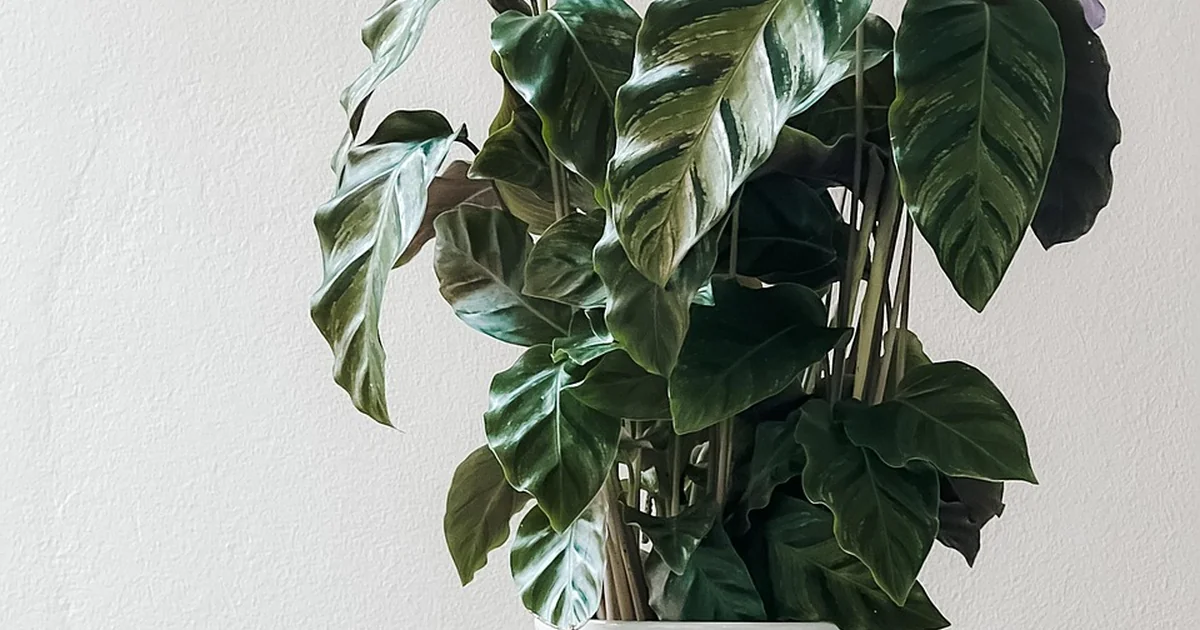
If you are looking for a plant that cleans your air and adds tropical flair, Dieffenbachia is a top choice. Among the best indoor plants for improving indoor air quality, this striking leafy houseplant stands out because it naturally filters common airborne toxins, making it a practical addition to any home. Its broad, patterned leaves bring a lush, jungle-like feel to your space. However, to keep your Dieffenbachia thriving, you need to get its care just right. Water deeply to encourage strong root growth—this method helps the plant develop a robust system that supports its air-purifying abilities. Remember that Dieffenbachia is considered one of the more sensitive air purifying plants when it comes to moisture levels, so check the soil before watering to avoid over-saturation.
Safety is another important aspect of Dieffenbachia care. This plant falls under the category of toxic houseplants, as its sap can irritate the skin and is harmful if ingested. Because of this, it is not considered a pet safe plant for households with curious cats, dogs, or young children. To enjoy its beauty and air-cleaning benefits responsibly, place your Dieffenbachia in a spot that is out of reach—such as on a high shelf or in a hanging planter. With careful placement and mindful watering, this natural air purifier can be a rewarding and healthful part of your indoor garden collection.
King Anthurium: The Oversized Leaf Beauty
If you crave dramatic foliage, the King Anthurium delivers with leaves that can reach four feet in length. This tropical indoor plant makes a bold statement in any room, ranking it among the best indoor plants for those who love oversized greenery. However, its size comes with specific care needs. High humidity is essential—place it in a bathroom or near a humidifier to keep it thriving. Consistent moisture is also key, but be careful not to let the roots sit in water. When watering, it is almost always ideal to water deeply to encourage strong root growth, which supports those massive leaves. As a large leaf plant, the King Anthurium requires plenty of space; ensure it has room to spread without bumping into furniture or walls. With proper Anthurium care, this humidity loving plant becomes a stunning centerpiece. For any gardener looking to add statement houseplants to their collection, the King Anthurium is a rewarding choice among tropical indoor plants.
Whale Fin Snake Plant: A Unique Succulent
Among the many snake plant varieties, this one stands out for its bold, sculptural shape. A unique type of snake plant is named for its striking resemblance to a whale’s fin. The broad, flat leaves rise from the soil in a single, wide blade, making it an instant conversation piece. If you are looking for low maintenance plants that double as modern decor, this is a wonderful choice. Its compact size makes it perfect for small spaces like a desk, shelf, or bedside table. As one of the best indoor plants for beginners, it offers visual impact without demanding constant attention.
Watering and Light Needs
Some plants prefer drier conditions, and the Whale Fin Snake Plant is a prime example. It thrives when you let the soil dry out completely between waterings. Overwatering is the fastest way to cause trouble, so it is safer to water less often than too much. This makes it an excellent drought tolerant plants for anyone who sometimes forgets to water. It also adapts well to lower light, though it will grow best in bright, indirect light. For simple succulent care, just place it in a spot with good airflow and a well-draining pot. If you are searching for beginner houseplants that forgive occasional neglect, this unique succulent belongs on your list of best indoor plants.
Plants That Need Frequent Watering
Not all plants thrive on neglect. While the previous succulent prefers to dry out completely, other houseplants—especially newly potted ones—need consistent moisture to establish strong roots. These frequent watering plants often come from tropical climates where humidity and rain are regular. If you’re expanding your collection of best indoor plants, it’s wise to learn which ones require a more attentive watering schedule. Pay attention to how each species behaves; leaves that droop or curl are common signs your plant needs more water. When you do water, almost always water deeply so the moisture reaches the bottom of the pot. This deep watering technique encourages roots to grow downward, which builds a healthier, more resilient plant.
Proper newly potted plant care often means checking the soil more frequently during the first few weeks. As Paris Lalicata explains, understanding each plant’s specific watering needs is key to avoiding problems like root rot or dehydration. For example, ferns, calatheas, and peace lilies generally prefer consistently moist soil but not soggy conditions. A simple finger test—poking an inch into the potting mix—tells you if it’s time to water again. By mastering root establishment through regular, deep watering, you’ll give these moisture-loving plants the steady care they need to thrive alongside your other best indoor plants.
Ergänzend empfehlenswert: Backyard Privacy Ideas for a Secluded Garden Oasis.
Plants That Prefer Drier Conditions
Overwatering is one of the most common mistakes new plant owners make. Fortunately, many indoor plants actually thrive when you let the soil dry out completely between waterings. Succulents, snake plants, and ZZ plants are all popular choices that prefer this kind of care. Because they store water in their leaves or roots, these drought tolerant plants forgive a skipped watering day. If you tend to forget about your houseplants, these low water plants are a great match. Learning succulent care is simple: wait until the top few inches of soil feel dry, then water thoroughly. This approach helps with overwatering prevention and keeps your best indoor plants healthy.
To make things even easier, pay attention to your plant’s individual needs. Paris Lalicata advises that the key is to understand each plant’s watering requirements, rather than following a fixed schedule. A good rule of thumb for dry soil plants is to insert your finger into the potting mix. If it feels damp, wait a few more days. If it’s dry, give your plant a drink. This simple habit works perfectly for forgetful or busy gardeners, because you let the plant—not the calendar—tell you when it’s time to water. With these best indoor plants, you can enjoy a thriving indoor garden with minimal fuss.
Frequently Asked Questions
How can I tell if I am overwatering or underwatering my houseplants?
Check the soil moisture by sticking your finger about an inch into the potting mix. If it feels soggy or you see yellowing leaves, you are likely overwatering; if the soil is dry and leaves are drooping, underwatering is the cause. Let the top inch of soil dry out between waterings, and always use a pot with drainage holes to prevent root rot.
Which indoor plants thrive in low-light conditions?
Snake plants, pothos, and ZZ plants are among the best indoor plants for rooms with minimal natural light. They adapt well to shady corners and need only occasional watering, making them low-maintenance choices. Even in low light, these varieties will stay healthy and add welcoming greenery to your home.
Is Dieffenbachia safe to have around pets and children?
Dieffenbachia contains calcium oxalate crystals that can cause mouth irritation, drooling, and swelling if chewed or ingested. For homes with curious pets or young children, it is safer to place this plant on a high shelf or choose a non-toxic alternative like a spider plant or parlor palm. Always keep any plant out of reach and wash hands after handling.