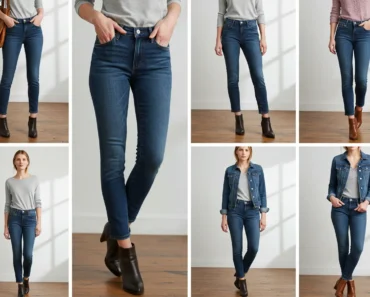
Fashion psychology: 10 design elements that change how you see clothes
Learn the visual cues your brain reads first—then dress with intent.
What if the “problem” with your outfits has less to do with your clothes and more to do with the design elements your brain reads in two seconds?
This guide sits at the crossroads of fashion psychology, design elements, and clothes. It explains why a “simple” tee can feel sharp on one day and flat on the next—without changing the tee.
Many style tips push trends, hauls, or rules. This guide takes a steadier route. It shows how the brain reads shape, line, contrast, texture, and detail—and how you can use those cues with intent.
You will learn 10 design elements that shift how an outfit looks and how it feels to wear. You will also get a repeatable outfit method, common fixes.
Why fashion psychology matters
People talk about style as taste, but the brain treats clothing as information. It scans fast. It looks for patterns. It builds meaning from color, shape, and context.
That is why the same outfit can feel “right” at brunch and “wrong” at a work meeting. The clothes did not change. The meaning changed.
The hidden style problem most people face
Most people do not struggle with “bad taste.” They struggle with mixed signals. A soft drape fights a sharp collar. A loud print fights a quiet mood. A great color fights an odd fit.
When you learn the design elements, you gain control. You stop chasing a vibe and start building it.
Quick reflection: What do you want your clothes to signal most days—ease, power, creativity, warmth, or something else?
How people read clothes in real life
People rarely read an outfit item by item. They read a whole first. Then they notice one standout detail. That order matters.
In daily life, you also read yourself. You feel pressure points, fabric pull, and shoe pain. Those signals shape posture, and posture shapes presence.
Three layers of meaning
- Personal meaning: Your own comfort cues and memories (a “safe” jacket, a strong shoe, a color you trust).
- Social meaning: What your culture links with an item (a suit, a uniform, a wedding color).
- Design meaning: The cues inside the outfit (line, contrast, texture, balance).
You can keep personal and social meaning while you tune design meaning. That single shift often brings the biggest style upgrade with the least shopping.
Quick reflection: When you feel “off” in an outfit, what shows first—fit, color, or “too much going on”?
Fashion psychology: the 10 design elements
The design elements below show up in every outfit. You can use them to look more polished, more relaxed, more bold, or more soft—without a closet reset.
Think of these elements as knobs you can turn. Turn one knob at a time. Then watch what changes.
1) Color (mood, energy, trust)
Color hits first. It shapes mood and memory before anyone notices cut or fabric. Pick color to set your “base message” for the day, then keep the rest of the outfit calm.
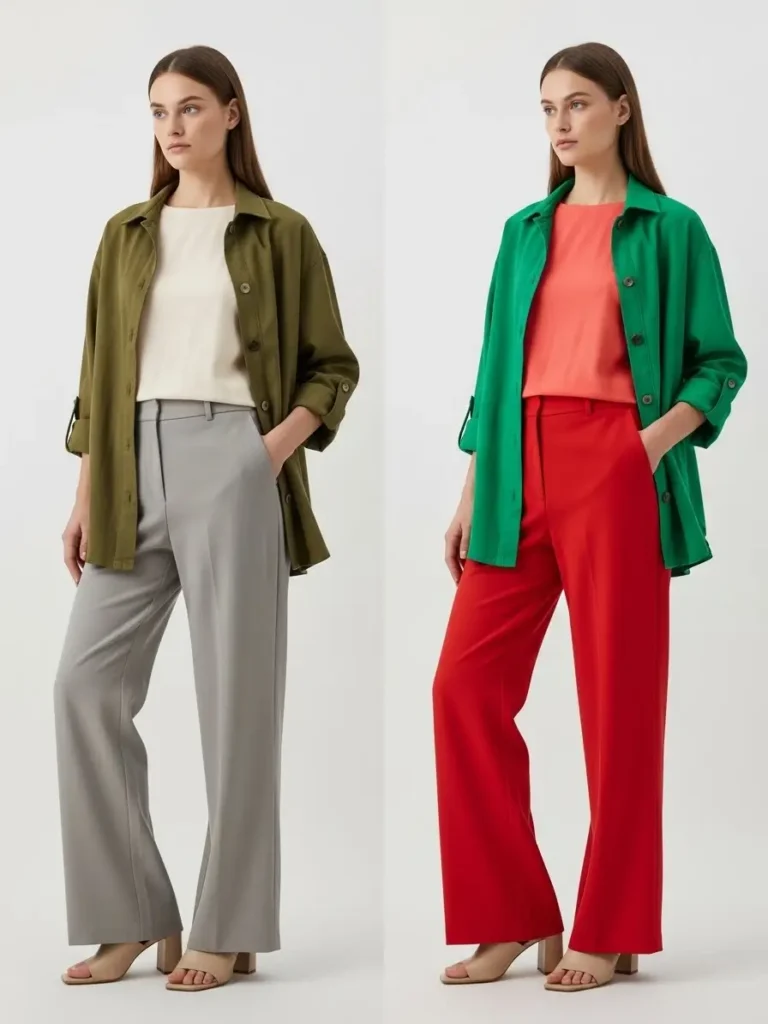
- For calm: navy, cream, soft gray, olive, muted blues.
- For energy: red, coral, bright green, rich orange.
- For authority: deep neutrals, dark denim, crisp white.
Practical move: pick one “hero color” per season. Build three outfits around it: work, weekend, and night.
2) Value & contrast (sharp, soft, dramatic)
Value means light vs dark. Contrast means how far apart those values sit. High contrast reads bold and crisp. Low contrast reads soft and quiet.
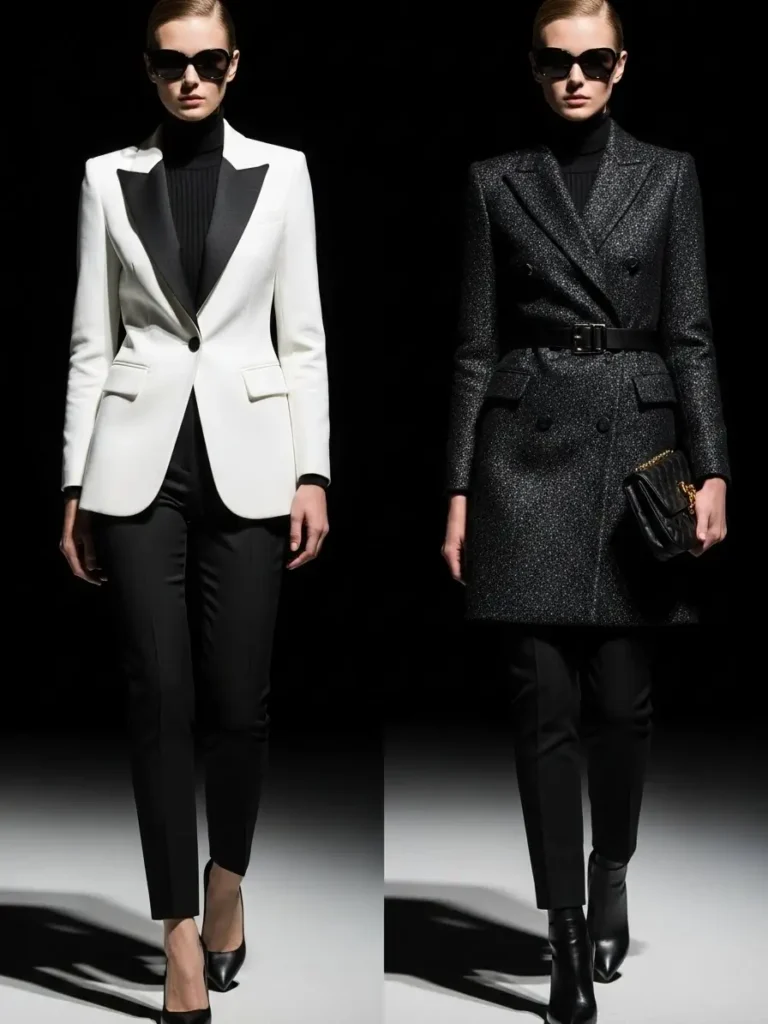
- High contrast tip: keep shapes clean (straight leg, crisp collar, simple shoe).
- Low contrast tip: add one crisp point (a belt, a structured bag, a clean neckline).
Practical move: remake one outfit you love in two contrast levels. Keep the silhouette. Change colors only.
3) Line (direction, pace, attitude)
Line guides the eye. Vertical lines feel long and steady. Horizontal lines feel grounded. Diagonal lines feel active.
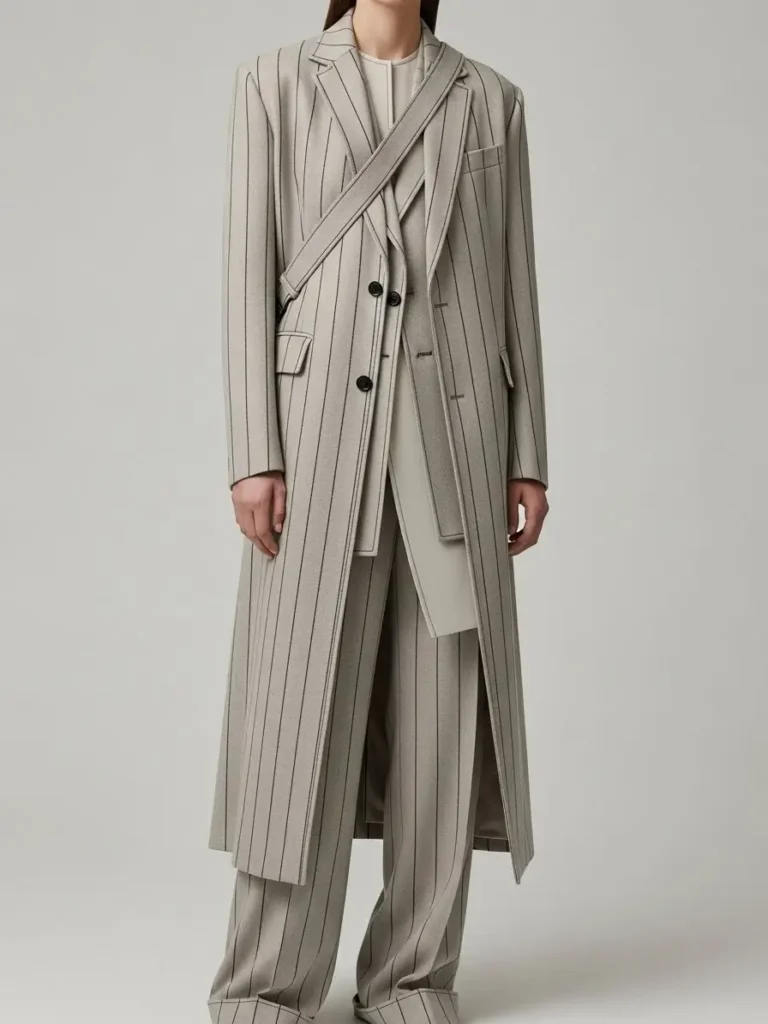
- To look taller: create one long line from shoulder to shoe (open jacket, long layer, same-tone pants).
- To look grounded: use a clear break at the waist (belt, tuck, cropped layer).
- To add edge: use diagonals (wrap tops, crossbody straps, asym hems).
Practical move: trace the “main line” of your outfit in the mirror. If the line jumps, smooth it.
4) Shape (soft vs sharp signals)
Shape means the outlines you form: circles, squares, triangles, long rectangles. Round shapes feel friendly. Sharp shapes feel strong.
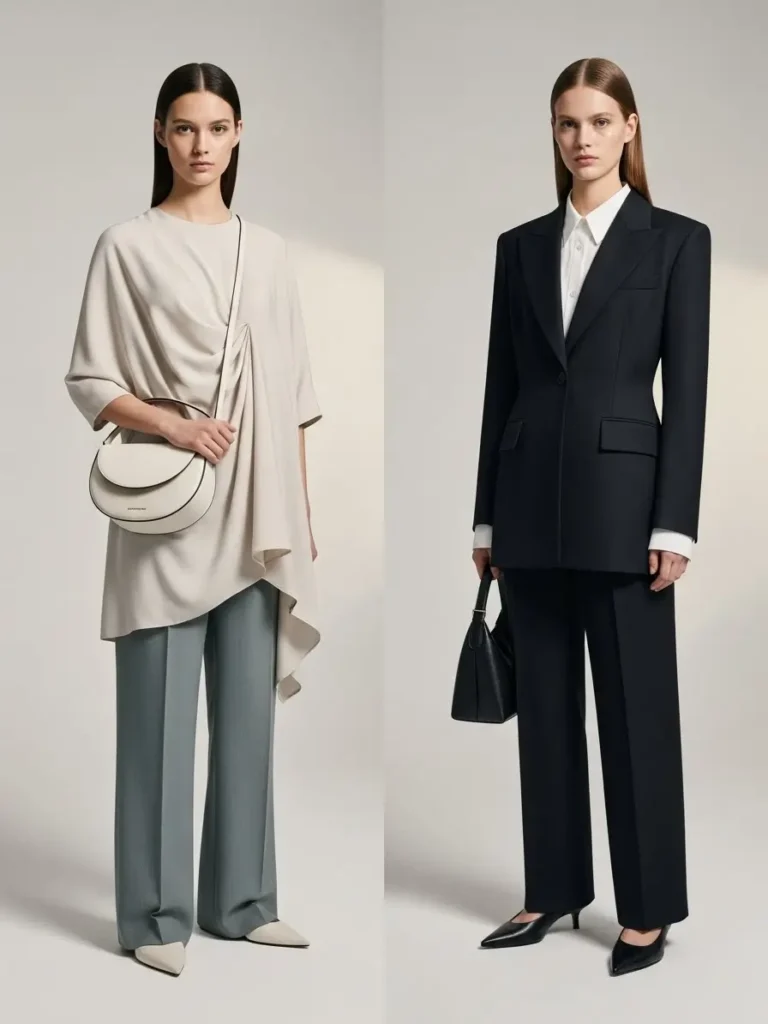
- Want “warm”: pick round necklines, curved bags, soft pleats.
- Want “direct”: pick sharp lapels, square bags, crisp shoulder lines.
Practical move: match two shapes on purpose. Example: round neckline + round bag hardware, or sharp collar + pointed shoe.
5) Silhouette (the first big read)
Silhouette gives the headline of the look. People see it from far away. It sets the tone before fabric detail.
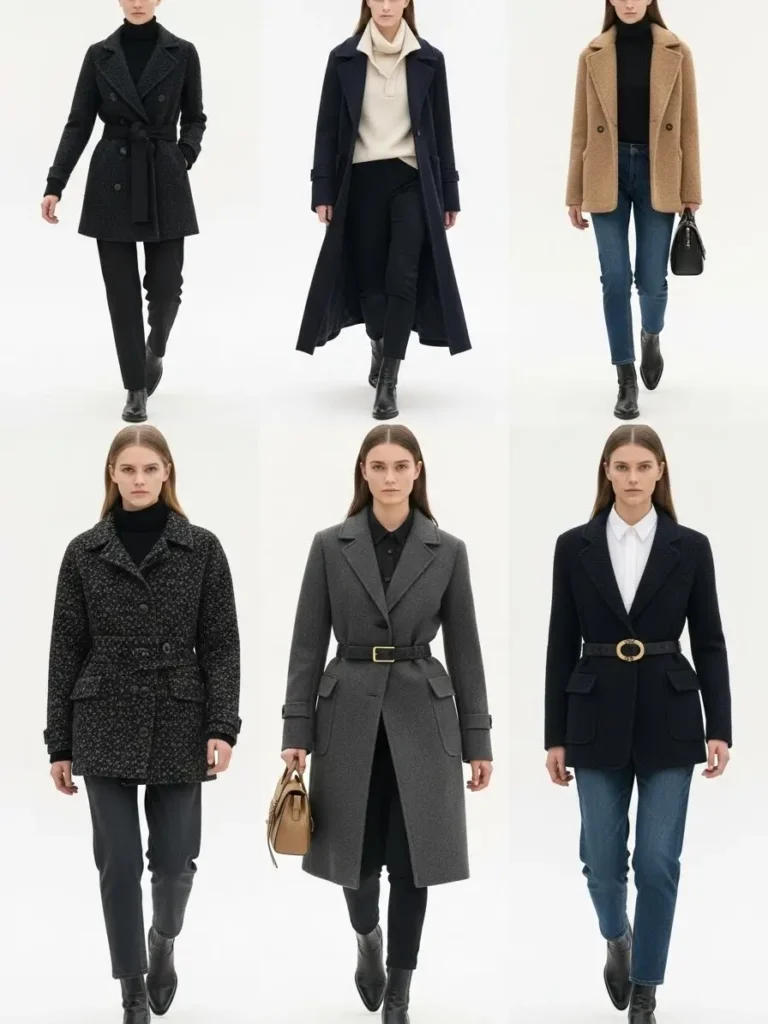
- Column: long, clean, minimal (work, travel).
- Triangle: volume on bottom or top (style play).
- X-shape: clear waist (events, “put-together” days).
- Box: relaxed, modern (weekends, creative work).
Practical move: pick two silhouettes you want this year. Build six outfits as “uniforms” around them.
6) Proportion (where the outfit breaks)
Proportion means how your outfit divides the body. Break points matter: hem, waist, cuff, neckline.
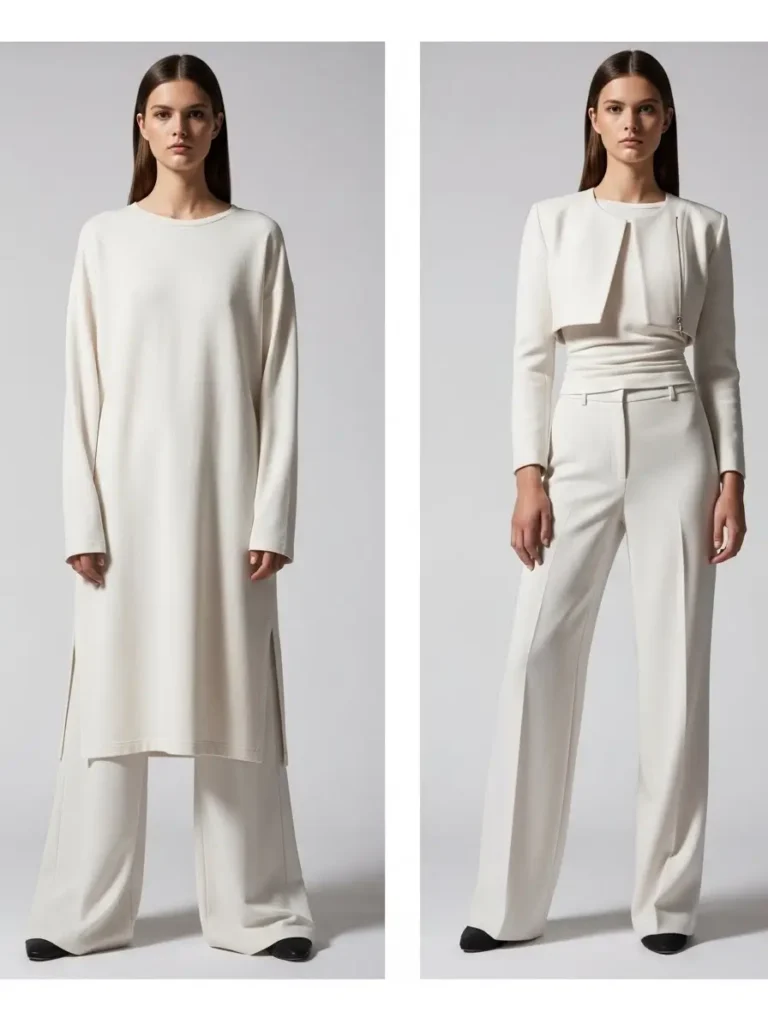
- Wide-leg pants: try a closer top or a cropped layer.
- Long skirt: try a shorter jacket to lift the waist.
- Oversized top: add a clean ankle and a clear shoe line.
Practical move: take one mirror photo, then test new hem points by covering parts of the image with your hand.
7) Scale (size of details)
Scale means the size of prints, pockets, collars, buttons, bags, and jewelry. The right scale lifts a look. The wrong scale can feel like a costume.
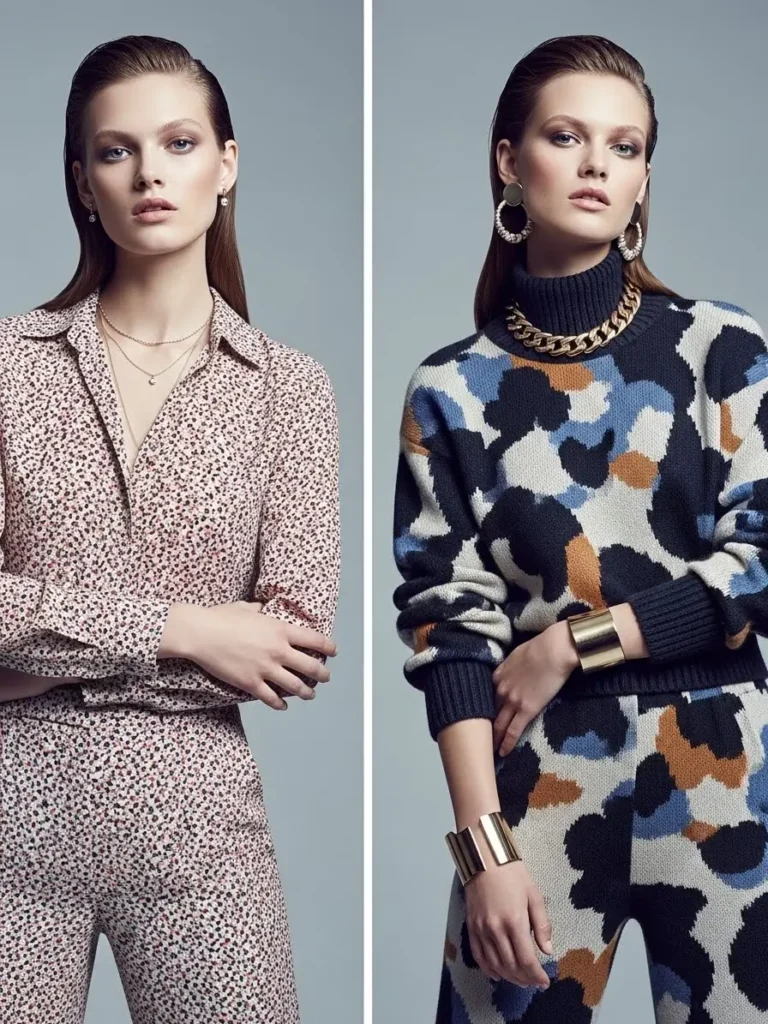
- Small scale: fine stripes, small prints, thin chains (quiet, refined).
- Large scale: bold prints, chunky knits, big bags (playful, loud).
- Mix scale: one large item + the rest small or plain.
Practical move: if you wear a big print, keep jewelry clean and small. Let the print lead.
8) Texture (comfort, richness, depth)
Texture changes how close an outfit feels. Smooth fabrics feel sleek. Rough or fuzzy textures feel warm and real.
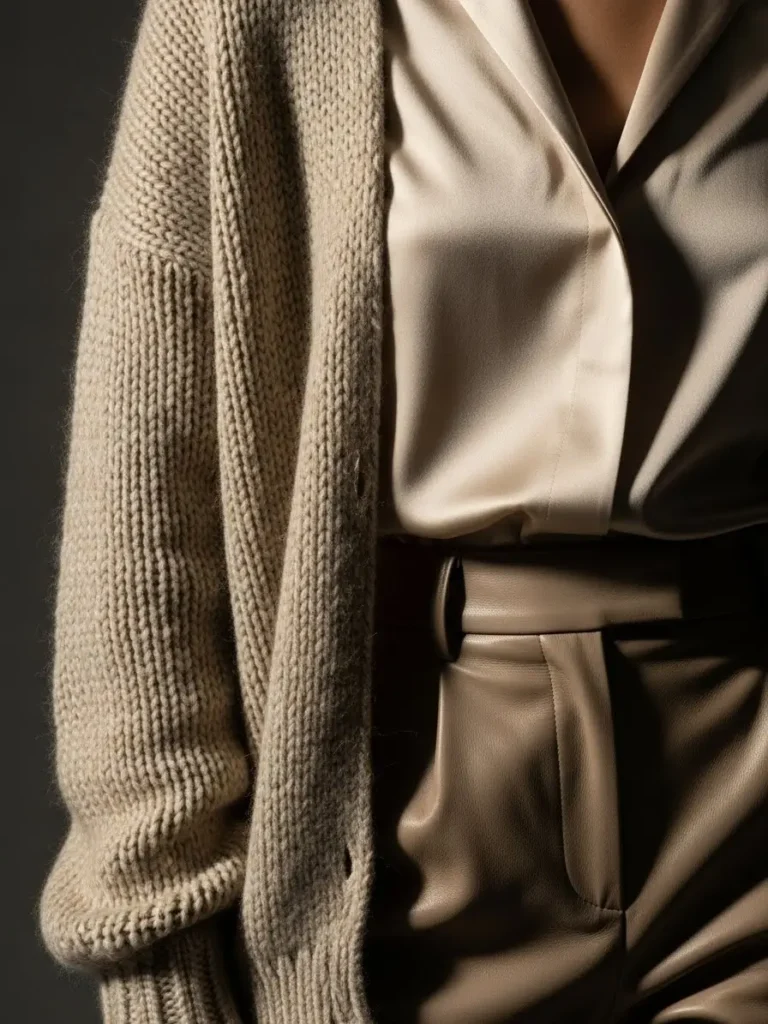
- Sleek set: satin + leather + fine knit.
- Warm set: denim + chunky knit + suede.
- Balanced set: cotton tee + wool blazer + leather sneaker.
Practical move: build “texture trios.” Pick three textures you trust, then rotate colors.
9) Pattern (order, noise, story)
Pattern gives rhythm. It can add story, culture, humor, or edge. It can also add noise if you stack it with many signals.
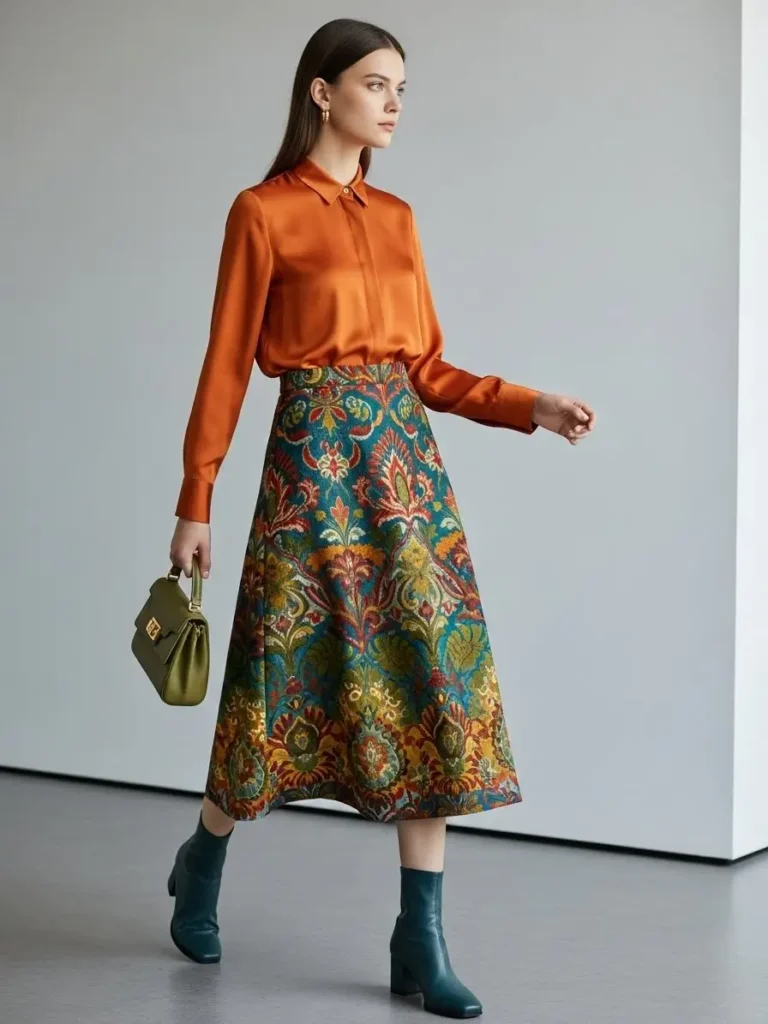
- Easy start: stripes, small checks, subtle florals.
- Bold play: animal print, large florals, graphic blocks.
- Pattern mix: keep one pattern large and one small, or keep both in one color family.
Practical move: if you fear pattern, start with accessories: scarf, socks, bag, or shoe.
10) Balance & emphasis (where eyes land)
Balance means how the “weight” of the look spreads. Emphasis means where the eye lands first. You control both with placement.
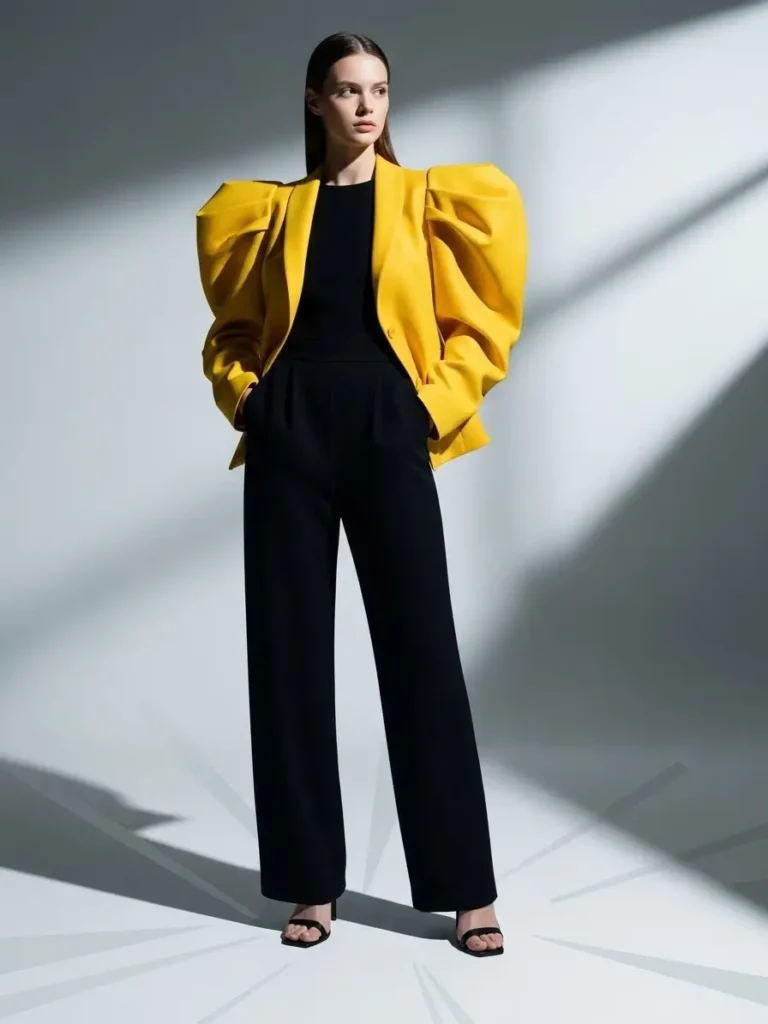
- To pull focus to your face: use light color tops, clean necklines, and simple earrings.
- To calm a loud item: anchor it with a solid, dark, simple piece.
- To look “done”: create one focal point, not five.
Practical move: name the focal point in one phrase (“red coat” or “clean shoulders”). If you cannot name it, remove one item.
Quick reflection: Which design element do you lean on most—color, fit, or texture—and which one do you avoid?
Related Post: Bixie Haircut: The Modern Short Cut That Fits Everyone
A repeatable outfit method (no new shopping)
Design elements matter, but you need a method that works on tired mornings. Use this simple flow. It fits work, travel, school runs, and nights out.
Step 1: Pick your role word
Pick one word: “clear,” “friendly,” “bold,” “calm,” “creative,” or “focused.” That word guides your design choices.
Step 2: Choose a silhouette first
Silhouette sets the full read. Choose it before color. This order cuts choice stress.
- Busy day: column silhouette (straight leg + clean top + simple layer).
- Social day: X-shape (waist definition + clean shoe).
- Creative day: box silhouette (oversized top + clean pant line).
Step 3: Set one focal point
Pick one hero item: color, print, shoe, bag, jacket, or neckline. Then keep the rest quiet.
Step 4: Add one support element
Support can mean texture, contrast, or a repeated shape. This step makes the outfit feel built, not thrown on.
- Hero = bright sweater; Support = dark jeans for contrast.
- Hero = printed skirt; Support = solid top that repeats one print color.
- Hero = sharp blazer; Support = pointed flat or clean loafer.
Step 5: Do comfort checks
- Can you sit, reach, and walk with ease?
- Do shoes match the day’s walking plan?
- Does one item need a quick fix (lint roll, steam, hem tape)?
Quick reflection: What role word fits your next week—what do you want people to feel when they see you?
Practical mini case studies
Use these examples as templates. Swap items to fit your budget, climate, and culture.
Work call: “Present” without stiff
- Silhouette: clean top line near the face.
- Color: one mid-to-deep shade near the face (navy, forest, burgundy).
- Texture: smooth cotton or knit so light reads clean on camera.
- Emphasis: simple earrings or a sharp collar to frame the face.
Weekend: easy but not messy
- Silhouette: box top + straight jean, or relaxed tee + wide-leg trouser.
- Proportion: show ankle or define waist with a front tuck.
- Balance: use one structured piece (bag, jacket, or shoe).
Event: special with few items
- Hero: one “occasion” texture (satin skirt, velvet top, lace layer).
- Contrast: pair with calm solids in the same color family.
- Scale: keep jewelry size in line with neckline and hair style.
Quick reflection: Which setting gives you the most outfit stress—work, weekends, travel, or events?
Common pain points (and fast fixes)
Most outfit problems fall into a few patterns. Use these fixes before you buy anything.
“I look fine, but I feel off.”
- Swap the fabric near the skin to a softer texture.
- Adjust waist comfort with a different rise or a gentle waistband.
- Change the shoe plan to match your walking day.
“My outfit looks busy.”
- Keep one focal point and remove one extra detail.
- Reduce contrast by matching shoe tone to pants.
- Simplify shape by switching one ornate piece to a clean line.
“I look older than I want.”
- Add one modern line (clean sneaker, straight jean, crisp collar).
- Lighten value near the face with cream or soft white.
- Shift proportion with a cropped layer or a wider leg.
“I look younger than I want.”
- Add structure with a blazer or trench.
- Reduce playful scale (smaller prints, cleaner shoes).
- Upgrade one fabric (fine knit, wool blend, leather detail).
Quick reflection: What is the one change you can test this week—proportion, contrast, or texture?
Key Takeaways:
- ✓People read outfits as a full picture first: silhouette, color, and contrast lead.
- ✓One clear focal point beats many “cute” details in one look.
- ✓Proportion fixes more outfits than any trend list.
- ✓Shop with a silhouette + color plan to avoid closet stress.
Frequently Asked Questions
1) What is fashion psychology in simple terms?
Fashion psychology explains how clothes affect how you feel and how people read you. It includes meaning, comfort, and design cues like color, line, contrast, and shape.
2) Which design element changes an outfit the most?
Silhouette changes the outfit the most because people see it first from far away. If you want a fast upgrade, set silhouette first, then pick one focal point.
3) How can I look more put-together with basic clothes?
Start with clean lines and balanced proportion. Add one structured piece (blazer, trench, sharp bag, or clean shoe). Repeat one color twice to make the outfit feel planned.
4) How do I use color without feeling loud?
Use one quiet bright item, then keep the rest calm. You can also place color away from your face (shoes or bag) for a softer effect.
5) What is the best way to build a wardrobe that fits my life?
Build around two core silhouettes and a small color palette you enjoy. Add one “personality lane” (print, bold color, or strong texture) so the wardrobe feels like you.
Final Thoughts
You do not need more clothes to change how you look. You need clearer choices inside the clothes you wear. Start with silhouette, set one focal point, then tune color, contrast, and texture until the outfit matches your role for the day.
If you test one change this week, test proportion. A small hem shift, a tuck, or a layer swap can change the full message.
Which design element do you want to master first, and what is your biggest challenge with clothes right now?
Share your experience in the comments below—what’s your take on this? Let’s discuss.