Many homeowners and weekend gardeners view plastic weed barriers as a secret weapon. You roll it out, cut a few holes for your plants, cover it with mulch, and wait for the weed-free paradise to arrive. But here is the truth that experienced horticulturists have known for years: these synthetic sheets often create more trouble than they prevent. If you have noticed declining plant health, persistent weeds, or soil that looks lifeless, you might be dealing with classic garden weed barrier problems. Let us explore the top five reasons professional gardeners are pulling up these barriers and choosing smarter approaches instead.
Do Plastic Weed Barriers Work in the Long Run?
Initial Success vs. Inevitable Decline
The first season after installing a plastic weed barrier often feels like a victory. The bed looks clean, and very few weeds poke through. It seems like the perfect solution. “While they may suppress weeds initially, they often fail over time,” says landscaping pro Dan Sekowski, associate director of outdoor landscapes at Longwood Gardens. The problem begins as organic matter accumulates on top of the fabric.
Fallen leaves, blown-in soil, and the mulch you laid down all start to break down above the barrier. This creates a perfect seedbed for new weeds. Within a year or two, you have weeds rooting into the fabric itself. The very problem you tried to solve comes back, but now it is compounded by the fact that the barrier is in the way. This is one of the most frustrating garden weed barrier problems because it offers only a temporary solution that creates a bigger mess later.
How Do Weed Barriers Disrupt Soil Health?
Starving the Soil of Organic Matter
Healthy soil needs a steady diet of organic material. When leaves fall or mulch breaks down, earthworms and microbes pull that matter down into the earth. This natural process creates rich, crumbly soil that is full of nutrients and life. A plastic barrier stops this cycle completely.
“Organic mulch is meant to break down and feed the soil. Fabric interrupts that process, preventing natural decomposition from improving soil structure and fertility,” explains Mary Phillips, head of native plant habitat strategy at the National Wildlife Federation. The organic matter sits on top of the fabric, unable to reach the soil below. Over time, the ground beneath the barrier becomes compacted, starved, and lifeless. Your plants suffer because their roots are trying to grow in degraded conditions. This is a core garden weed barrier problem that directly impacts the long-term vitality of your flowers, shrubs, and vegetables.
Do Landscape Fabrics Restrict Water and Oxygen?
Suffocating Plant Roots
Many weed barrier products claim to be breathable. In practice, however, they severely limit the exchange of water and gases. Roots require a steady supply of oxygen to respire and grow. Thick fabrics act like a blanket, trapping carbon dioxide and blocking oxygen from reaching the root zone.
Phillips also contests the notion that these fabrics are as breathable as advertised. “Some landscape fabrics are thick, restricting water and oxygen flow to the soil below, which can stress plants and affect long-term health,” she says. “In thinner fabrics, soil and debris can accumulate above and reduce permeability.” When water cannot penetrate properly, your plants become drought-stressed even when you water regularly. Wilting leaves on a hot afternoon can be a direct sign that the barrier is suffocating the roots. This is a dangerous garden weed barrier problem that can slowly kill prized perennials and shrubs.
The Hidden Environmental Cost of Landscape Fabric
Microplastics and Long-Term Waste
Unlike natural materials that return to the earth, plastic weed barriers are made from petroleum-based products like polypropylene or polyester. They do not biodegrade in any meaningful way. “Because most landscape fabrics are petroleum-based, they do not truly break down,” Phillips says. “Over time, they can fragment into smaller pieces that remain in soil, creating long-term cleanup challenges.”
These fragments, known as microplastics, persist in the soil for decades. They can affect soil biology and potentially enter the water table. Removing an old, brittle barrier is a nightmare because it crumbles into tiny pieces as you pull it. You can never get all of it out. This environmental toll is a major reason why pro gardeners are abandoning these products. The long-term ecological damage simply is not worth the short-term weed suppression.
The Maintenance Nightmare: Tangled Roots and Difficult Removal
Why Weed Barriers Create More Work, Not Less
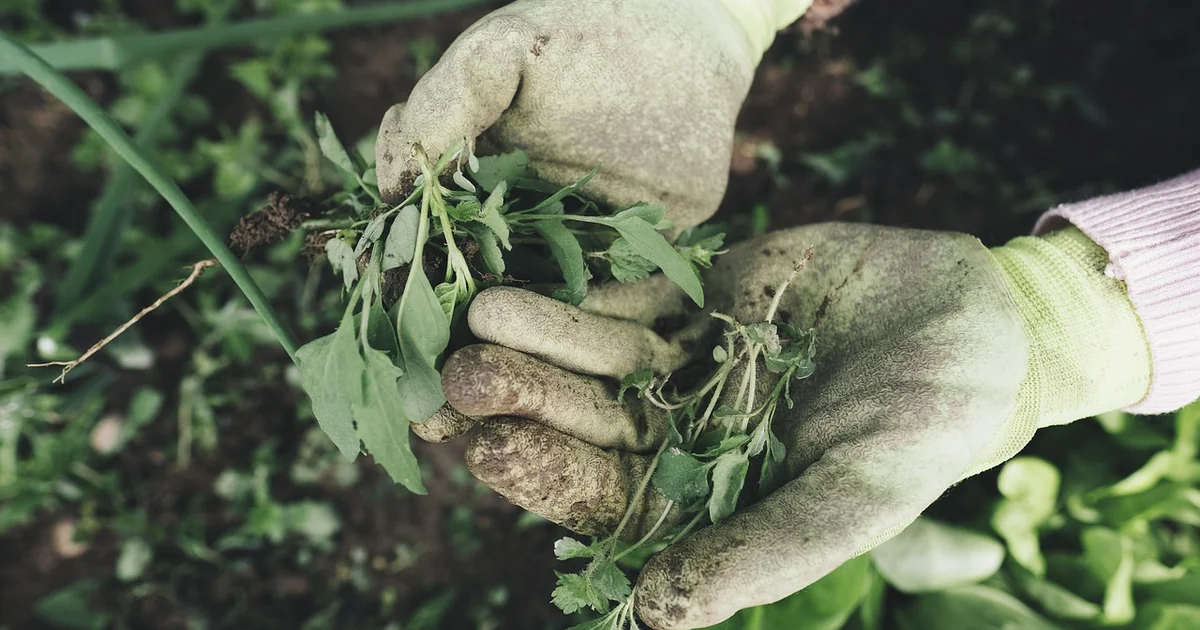
The irony of plastic weed barriers is that they are supposed to reduce your workload. In reality, they often create a maintenance nightmare. When weeds eventually grow through the barrier—and they will—their roots intertwine with the fabric. “The fabric becomes tangled with roots and hard to remove,” Sekowski says.
You may also enjoy reading: 5 Spider Plant Care Tips for a Lush June Display.
Pulling the weed becomes difficult because the roots are anchored in the plastic. You often end up tearing the weed, leaving the root behind to regrow. If you decide to remove the barrier entirely, you face a massive excavation project. The fabric becomes fused with the soil and root systems of your plants. Trying to pull it out can damage the very plants you were trying to protect. This practical garden weed barrier problem traps homeowners in a cycle of difficult maintenance and eventual renovation.
What to Use Instead of Plastic Weed Barriers
Natural Alternatives That Build Healthy Soil
Giving up plastic weed barriers does not mean giving up on weed control. There are several effective, soil-friendly strategies that professional gardeners use every day. These methods avoid all the garden weed barrier problems we have discussed while actively improving your soil.
- Groundcovers: Perennial groundcovers keep sunlight from reaching weeds, controlling them naturally. Try Aubrieta, Campanula, Thymus serpyllum, and Phlox subulata for full sun, or Ajuga, Leucothoe, and Hosta for shade.
- Proper Mulching: “Use 2–3 inches of shredded bark, leaf mulch, or compost,” Sekowski suggests. This suppresses weeds naturally, improves soil structure and moisture retention, and feeds the soil as it breaks down.
- Sheet Mulching: For initial bed establishment, lay down cardboard and cover it with several inches of mulch. This smothers existing vegetation and weeds without introducing long-term plastic.
- Tighter Plant Spacing: Planting your flowers and shrubs closer together creates a natural canopy that shades the soil, making it harder for weed seeds to germinate.
Frequently Asked Questions
What if I already have plastic weed barrier installed? Should I remove it?
Yes, removing it is usually the best long-term choice for your soil and plant health. The longer it stays, the more it degrades into microplastics and the more it tangles with roots. Removal can be labor-intensive, so work in sections. Cut around established plants carefully to avoid damaging their roots, and pull up as much of the fabric as you can.
Is there any type of landscape fabric that is biodegradable or less harmful?
Some products are marketed as biodegradable, often made from materials like jute, coir, or woven polylactic acid (PLA). While these are better than petroleum-based plastics, they still interrupt the natural decomposition of organic matter on the soil surface. A thick layer of organic mulch or a living groundcover remains the superior choice for long-term soil health.
How do I manage weeds without using any barrier at all?
Focus on prevention and natural suppression. Start with a clean bed, apply a 2- to 3-inch layer of organic mulch, and plant groundcovers or densely spaced perennials to shade the soil. Hand-pull any weeds that appear before they go to seed. This approach builds healthy soil and avoids the long-term complications of synthetic barriers.
Moving away from plastic weed barriers is a step toward a healthier, more resilient garden. By choosing natural methods like mulch, groundcovers, and smart planting, you build soil instead of degrading it. Your plants will reward you with stronger growth, and you will spend less time fighting with tangled fabric and more time enjoying your outdoor space.