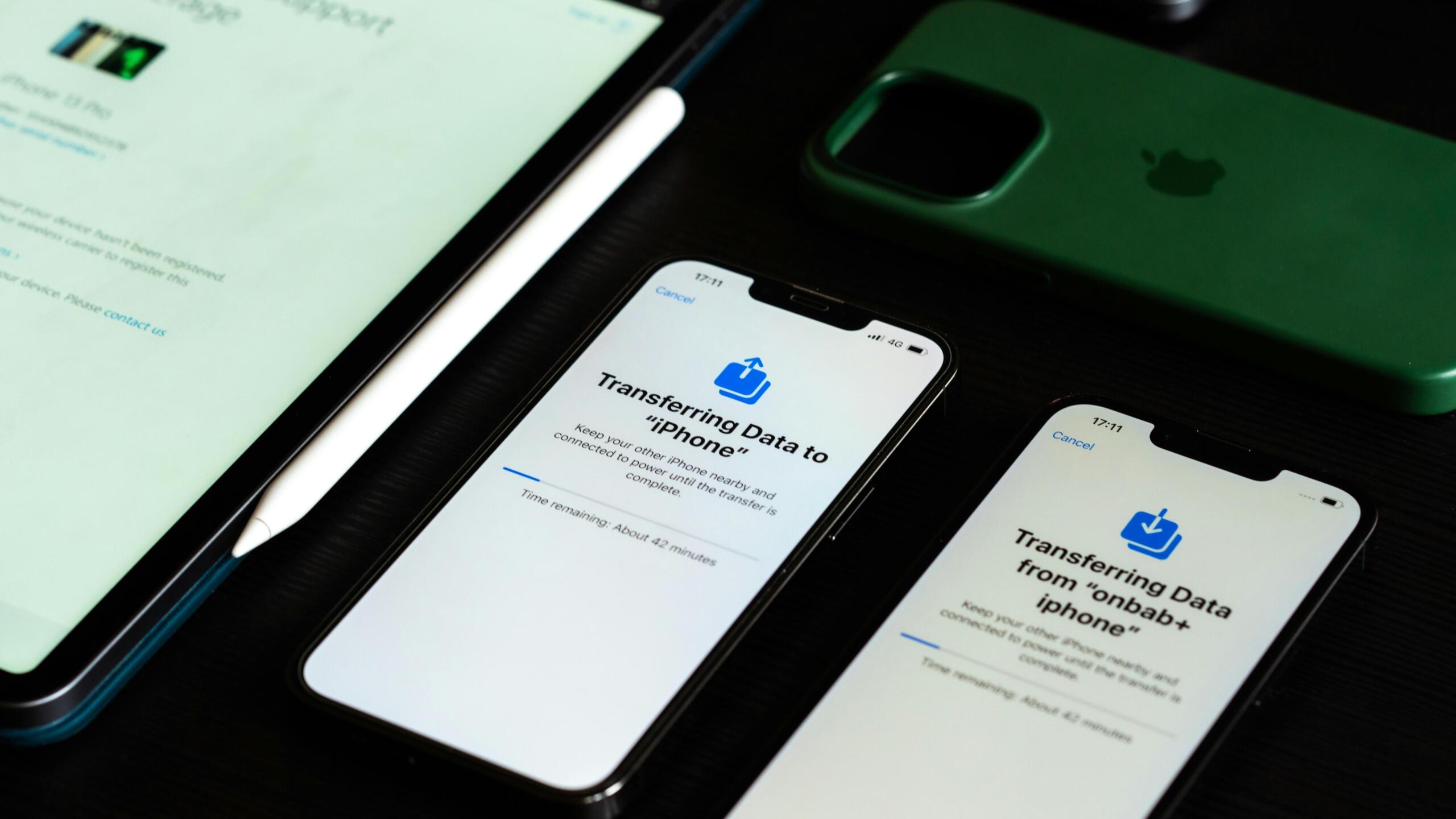
iPhone data recovery software like FoneLab for iOS recovers deleted or lost data from iOS devices, iTunes backup, or iCloud backup. It supports all iPhone models and iOS versions, allows previewing files before recovery, and recovers data lost due to accidental deletion, device damage, or system errors. iPhone data recovery software is a program that recovers deleted or lost data from iOS devices, iTunes backup, or iCloud backup, offering preview and selective recovery without overwriting existing data. In the following guide, we will explore how FoneLab can help you retrieve your valuable lost data.
What Is iPhone Data Recovery Software and How Does FoneLab Work?
iPhone data recovery software is designed to retrieve deleted or lost files from your Apple devices. It acts as a digital forensics tool, scanning your device, iTunes backups, or iCloud backups for remnants of deleted data that have not yet been overwritten. FoneLab iPhone Data Recovery is a leading solution in this category, offering a user-friendly interface and multiple recovery options. FoneLab iPhone Data Recovery recovers deleted or lost data from iOS devices directly and from iTunes/iCloud backup. This software supports all iOS devices, including the latest iPhone 17 and iOS 26, ensuring compatibility with almost any Apple device you might own. FoneLab iPhone Data Recovery offers three distinct recovery modes: Recover from iOS Device, Recover from iTunes Backup File, and Recover from iCloud Backup File, providing comprehensive solutions for various data loss scenarios.
How does FoneLab work in simple terms? It connects to your iPhone, scans its storage for deleted files, allows you to preview them, and then lets you select which ones to restore to your computer. If direct recovery isn’t possible, it can also extract data from your existing iTunes or iCloud backups.

Amazon US Verified
Amazon Basics Heavy-Duty Fabric Storage Bins
Durable, collapsible organizers for closets, shelving, and living room utility.
transition_to_next: We will now delve into the specifics of these three powerful recovery modes.
Three Recovery Modes of FoneLab iPhone Data Recovery
transition_from_previous: Now that you understand the basics, let’s dive into the three recovery modes.
FoneLab iPhone Data Recovery offers a versatile set of tools to tackle data loss from different angles. These three modes are designed to cover most common and even some unusual data loss situations. Whether your device is physically intact, lost, or experiencing software issues, FoneLab aims to provide a solution.
| Recovery Mode | Description | When to Use |
|---|---|---|
| Recover from iOS Device | This mode directly scans your iPhone, iPad, or iPod touch for deleted or lost data. It’s the primary method when you still have your device and it’s functioning, even if damaged. | Use this when your device is accessible and you need to recover files directly from its storage. This is ideal for accidental deletions where no backup exists, or if your backup might be outdated. It can also recover data from devices that are water damaged, have broken screens, or are stuck in a loop, provided the iOS device is still recognized by your computer. |
| Recover from iTunes Backup | This mode extracts data from any iTunes backup files created on your computer. It’s useful if your device is lost, broken, or inaccessible, but you previously backed it up with iTunes. | Choose this if your iPhone is lost, stolen, broken, or has crashed and you cannot connect to it. It’s also beneficial if you’ve recently upgraded your iOS version or jailbroken your device, and you need to retrieve data from a prior backup. This method allows recovery even if the device itself is no longer functional or available. |
| Recover from iCloud Backup | This mode allows you to download and extract data from your iCloud backup. It requires you to sign in to your iCloud account. | This is the best option if you don’t have your device or an iTunes backup, but you do have an iCloud backup. FoneLab iPhone Data Recovery can recover data from iCloud backup if two-step verification has been disabled. It’s crucial to note that if two-step verification is enabled on your iCloud account, this mode will not function. This is a security measure typically implemented by Apple. |
transition_to_next: Understanding these modes is key to selecting the right approach for your specific situation.
When to Use Each Recovery Mode: Scenarios Made Simple
transition_from_previous: With the recovery modes outlined, let’s match them to common data loss scenarios.
Choosing the correct recovery mode significantly impacts your chances of successful data retrieval with FoneLab. Each mode is suited for a particular set of circumstances, ensuring you don’t waste time or effort on an incorrect method.
- Accidental Deletion: If you accidentally deleted a file like a photo, video, or message and have not backed it up recently or want to retrieve it directly from the device, use the “Recover from iOS Device” mode. This is the most straightforward approach for recent deletions.
- Water Damage, Busted Parts, or Device Unresponsive: For iPhones that have suffered physical damage, such as water immersion or broken components, and are no longer functional or recognized by a computer, attempting recovery directly from the device is often the only option. If the device can still be detected by your computer, “Recover from iOS Device” is your best bet.
- No Backup File: If you never backed up your iPhone with iTunes or iCloud, your only chance to recover deleted data is by directly scanning the device using the “Recover from iOS Device” mode. Success here depends on whether the deleted data has been overwritten.
- iPhone Lost, Stolen, or System Problem: When your device is gone, or it’s stuck on the Apple logo, in recovery mode, or facing other system issues that prevent direct access, leveraging your existing backups is essential. Use “Recover from iTunes Backup” if you have iTunes backups, or “Recover from iCloud Backup” if you rely on iCloud.
- Forgot Passcode and Device Stuck: If you forgot your iPhone passcode and are locked out, or if your device is otherwise stuck, the “Recover from iOS Device” mode might still work if the device can be connected and recognized. If not, recovering from an iTunes or iCloud backup becomes the primary strategy.
transition_to_next: Now, let’s walk through the practical steps involved in performing a recovery.
Step-by-Step Tutorial: How to Recover Data with FoneLab
transition_from_previous: Let’s get hands-on with FoneLab and guide you through the recovery process.
Using FoneLab iPhone Data Recovery is designed to be intuitive, even for users who are not technically proficient. The process generally involves three key stages: connecting your device and initiating a scan, previewing the found data, and selecting files for recovery. This detailed tutorial will guide you through each step, ensuring you can confidently attempt to retrieve your lost information.
- Install and Launch FoneLab: Download the FoneLab software from its official website and install it on your Windows PC or Mac. Once installed, launch the program.
- Choose a Recovery Mode: On the main interface, select your preferred recovery mode from the left-hand panel: “Recover from iOS Device,” “Recover from iTunes Backup File,” or “Recover from iCloud Backup File.” Follow the on-screen prompts specific to the chosen mode. For instance, if you choose “Recover from iOS Device,” you’ll need to connect your iPhone to your computer using a USB cable.
- Scan for Data: After connecting your device (if applicable) and selecting the mode, click the “Scan” button. For iOS devices, if it’s the first time connecting to the computer, you may need to tap “Trust this Computer” on your iPhone. The software will then begin scanning your device or backup file for recoverable data. This process can take some time, depending on the amount of data and the speed of your computer.
- Preview and Select Data: Once the scan is complete, FoneLab will display a list of all recoverable files, categorized by type (e.g., Photos, Contacts, Messages). You can use the “Only display the deleted item(s)” filter to see only lost files. Browse through the categories and previews. FoneLab iPhone Data Recovery previews detailed iOS data (both deleted and existing files) before recovery, allowing you to check the integrity of the files you wish to restore. Click on individual files or select entire categories.
- Recover Selected Files: After selecting all the data you want to recover, click the “Recover” button. You will be prompted to choose a destination folder on your computer where the recovered files will be saved. FoneLab iPhone Data Recovery offers the ability to recover data selectively, meaning you only retrieve what you need without overwriting existing data on your device or backup.
transition_to_next: With the recovery process explained, let’s look at the vast array of data types FoneLab can handle.
What Types of Data Can FoneLab Recover?
transition_from_previous: We’ve covered how to use FoneLab; now let’s explore the comprehensive list of data FoneLab is capable of restoring.
FoneLab iPhone Data Recovery supports a wide spectrum of data types, making it a comprehensive solution for most iPhone data loss scenarios. This includes everything from your personal communications and media files to app data and important documents. The software can recover data types including Camera Roll, Photo Stream, Photo Library, Messages, Contacts, Call History, voicemail, WhatsApp, Kik, Line, Viber, Messenger, Notes, Calendar, Reminders, WeChat, QQ, Voice Memos, Safari Bookmarks, Safari History, and App Documents. This extensive list ensures that most of your critical information can be retrieved.
Furthermore, FoneLab offers flexibility in how you retrieve and use your data. FoneLab iPhone Data Recovery can export recovered data in various common formats, such as JPG, JPEG, TIFF, GIF, PNG, BMP, HTML, CSV, M4A, AMR, MOV, M4V, MP4, AVI, 3GP, AAC, AIFF, MP3, TXT, DOC, DOCX, XLS, XLSX, PDF, and VCF. This wide range of export options makes it easy to access and use your recovered files on different devices or applications. Crucially, FoneLab iPhone Data Recovery allows previewing content before recovery and selective recovery without losing existing data, a significant advantage over iTunes/iCloud backup restores which typically replace all existing data with the backup contents.
- Photos and Videos: Recover deleted photos and videos from your Camera Roll, Photo Stream, and Photo Library.
- Messages & Communications: Retrieve deleted text messages, iMessages, MMS, call history, and voicemails.
- App Data: Recover data from popular messaging apps like WhatsApp, WeChat, Kik, Line, Viber, and QQ, as well as other app documents.
- Personal Information: Restore contacts, calendar events, reminders, and notes.
- Web Data: Recover Safari bookmarks and history.
- Other Files: Access and restore voice memos and various app documents.
Can FoneLab recover WhatsApp messages? Yes, FoneLab is capable of recovering deleted WhatsApp messages, along with their attachments, provided they are present in the scan results.
transition_to_next: To ensure you can run FoneLab without issues, let’s look at the system requirements and device compatibility.
System Requirements and Device Compatibility
transition_from_previous: Having covered data types, let’s ensure your system is ready for FoneLab.
To successfully utilize FoneLab iPhone Data Recovery, it’s essential to be aware of the software’s system requirements and the range of devices it supports. This ensures a smooth installation and operation, preventing potential compatibility issues. FoneLab runs on both major desktop operating systems and supports a wide array of Apple devices, including various iPhone, iPad, and iPod touch models.
FoneLab supports Windows 11/10/8.1/8/7 and macOS 10.7 and above, including the latest macOS 26. For hardware, it requires a 1GHz Intel/AMD CPU, at least 1GB of RAM, and a minimum of 200 MB of free space on your hard drive for installation. The software is designed to work with a broad spectrum of iOS versions, supporting the latest iOS 26, iPadOS 26, and all previous versions released by Apple.
Regarding device compatibility, FoneLab iPhone Data Recovery boasts support for a comprehensive list of Apple devices. This includes iPhone models ranging from the older iPhone 3GS all the way up to the latest iPhone 17 Pro Max and subsequent models. For iPad users, it supports iPad, iPad 2, iPad 3, iPad 4, iPad Air, iPad Air 2, iPad mini, iPad mini 2, iPad mini 3, and iPad Pro models. Additionally, FoneLab is also compatible with iPod touch 6, 5, and 4. This wide compatibility ensures that most users can leverage FoneLab for their data recovery needs, regardless of their device model or iOS version.
transition_to_next: One specific aspect of iCloud recovery warrants a closer look.
Can FoneLab Recover Data from iCloud Backup Without Two-Step Verification?
transition_from_previous: We’ve covered the general compatibility; now let’s address a specific limitation with iCloud backups.
When attempting to recover data from iCloud using FoneLab, a critical requirement is the status of your account’s security settings. FoneLab iPhone Data Recovery can recover data from iCloud backup, but only if two-step verification has been disabled for that iCloud account. This security feature, implemented by Apple, encrypts your iCloud data to protect it from unauthorized access. Because FoneLab needs to decrypt and access this data, it cannot proceed if two-step verification is active.
Unfortunately, for security reasons, users cannot turn off two-step verification anymore once it has been enabled on an Apple ID. This means that if your iCloud account has two-step verification enabled, you will not be able to use the “Recover from iCloud Backup” mode in FoneLab. In such cases, your alternative options are to attempt recovery directly from your iOS device (using the “Recover from iOS Device” mode if the device is accessible) or to use the “Recover from iTunes Backup” mode if you have previously created an iTunes backup without needing two-step verification enabled for that process. It is important to be aware of this limitation before attempting iCloud recovery.
transition_to_next: Security and privacy are paramount concerns for users, so let’s address them directly.
Safety and Privacy: Does FoneLab Compromise My Data?
transition_from_previous: We’ve addressed the technical requirements for iCloud recovery. Now, let’s talk about the safety and privacy of your data.
Users often express concerns about the safety and privacy of their personal information when using third-party data recovery software. FoneLab understands these concerns and has designed its software with user privacy as a top priority. FoneLab iPhone Data Recovery does not read or save your personal iPhone data. This means that your sensitive information, such as messages, photos, contacts, and account details, remains exclusively yours.
The software operates locally on your computer, meaning your data is processed and recovered on your machine without being transmitted to FoneLab’s servers. This ensures that your data is not exposed to external risks during the recovery process. Therefore, you can be assured that using FoneLab is safe and does not involve any compromise of your personal data’s privacy. The focus is solely on scanning your device or backup for recoverable files and presenting them for your retrieval.
transition_to_next: We are now ready to conclude by summarizing why FoneLab is a reliable choice.
Conclusion: Why FoneLab Is a Reliable Choice for iPhone Data Recovery
transition_from_previous: We’ve covered the safety and privacy aspects of using FoneLab. Now, let’s tie everything together.
In summary, FoneLab iPhone Data Recovery stands out as a reliable and effective solution for retrieving lost or deleted data from your Apple devices. Its comprehensive approach, covering direct device recovery, iTunes backups, and iCloud backups, ensures that you have options regardless of your situation. FoneLab iPhone Data Recovery recovers data regardless of the cause, including accidental deletion, device stuck issues, or if you forgot your passcode. This versatility makes it an invaluable tool for a wide range of data loss scenarios.
The software’s ability to preview recoverable files before selection, combined with its support for numerous data types and export formats, offers a user-friendly and efficient recovery experience. Moreover, its commitment to user privacy, by not saving or transmitting personal data, allows users to proceed with confidence. Data deleted long ago can be restored with FoneLab iPhone Data Recovery if it was backed up with iTunes/iCloud or if it has not been overwritten on the device, further solidifying its capability. For any iPhone user facing data loss, FoneLab presents a powerful, safe, and dependable recovery option.
FAQ
Q: Can FoneLab recover data from a water-damaged iPhone without a backup?
A: Yes, FoneLab can attempt to recover data directly from the iOS device if it is still detectable by the software. However, success depends on the extent of the damage.
Q: Does FoneLab support iOS 26?
A: Yes, FoneLab officially supports iOS 26 and earlier versions, including iPadOS 26 and former versions.
Q: Can I recover old deleted data that was not backed up?
A: If the data has not been overwritten on the device, FoneLab may still recover it. Otherwise, recovery from an older backup is possible.
Q: Is it safe to use FoneLab on my personal computer?
A: Yes, FoneLab does not read or save your personal iPhone data, and it operates entirely on your local machine without transmitting your files.
Q: What should I do if FoneLab cannot detect my iPhone?
A: Ensure your iPhone is properly connected via USB and trust the computer. Try restarting both devices or using a different cable. FoneLab also offers recovery from backups as an alternative.
As an Amazon Associate, azuloz.com earns from qualifying purchases.